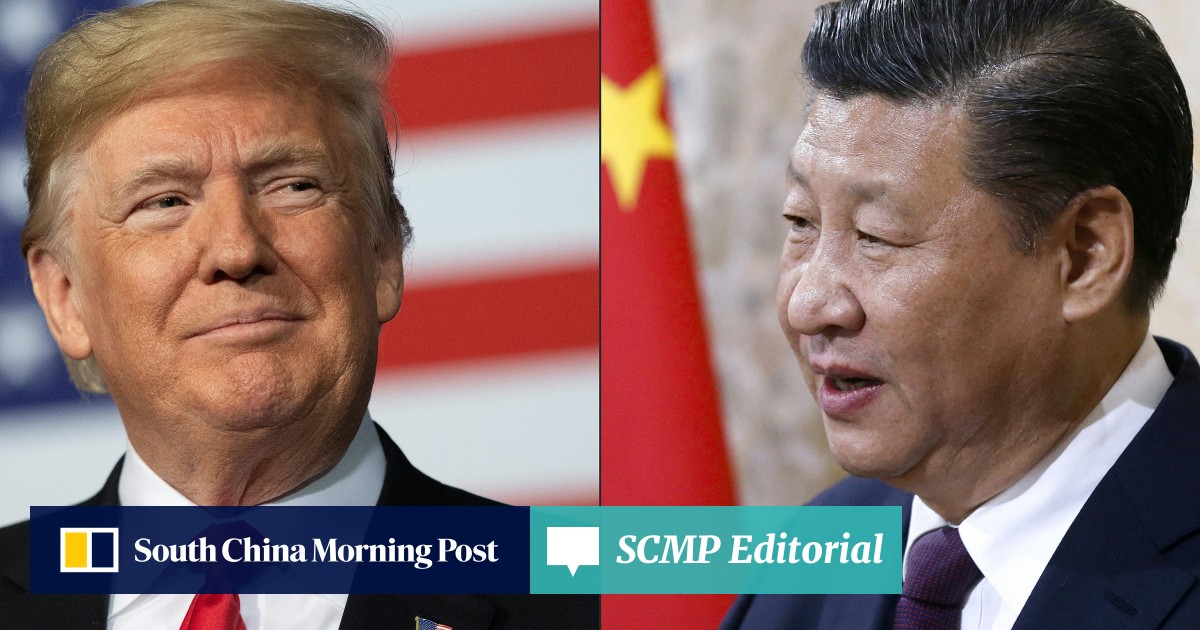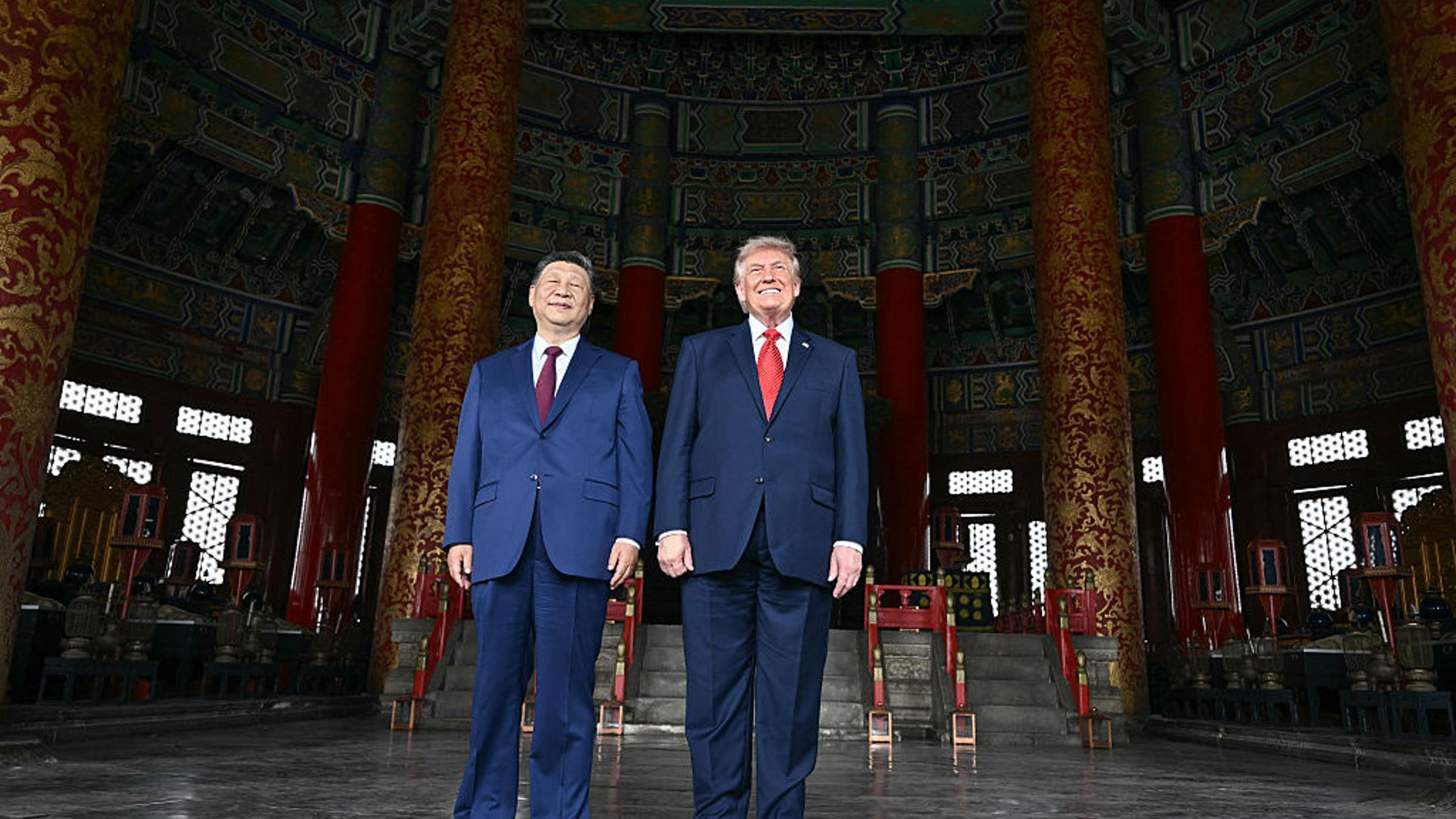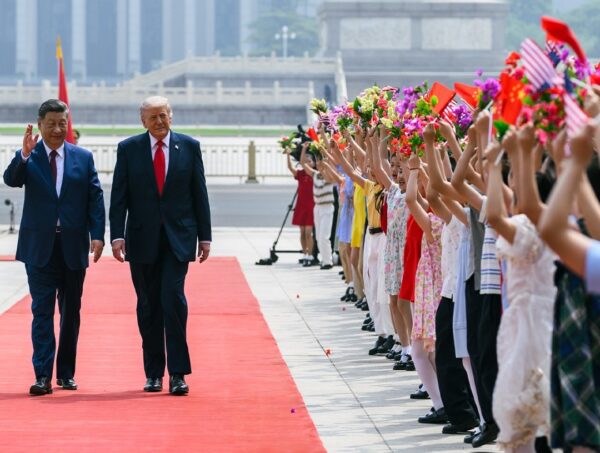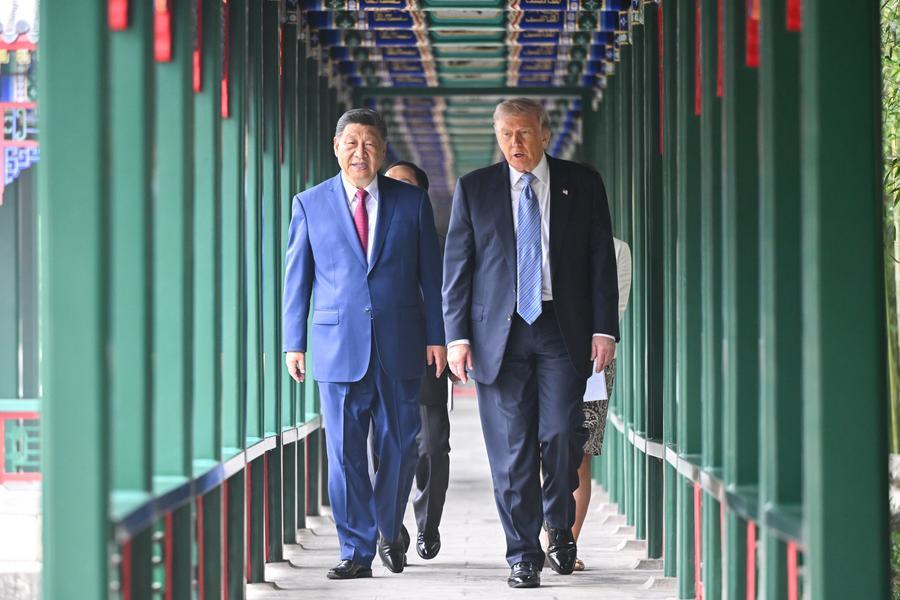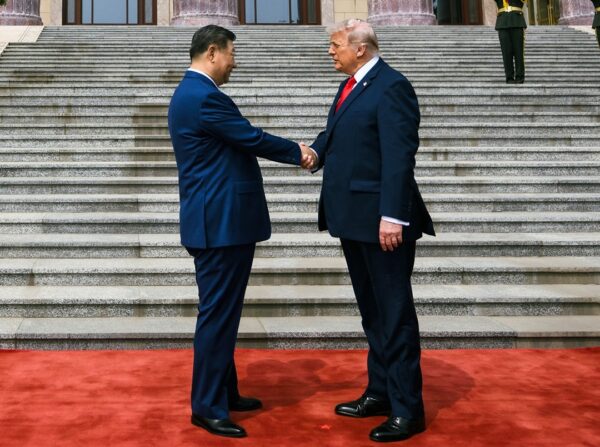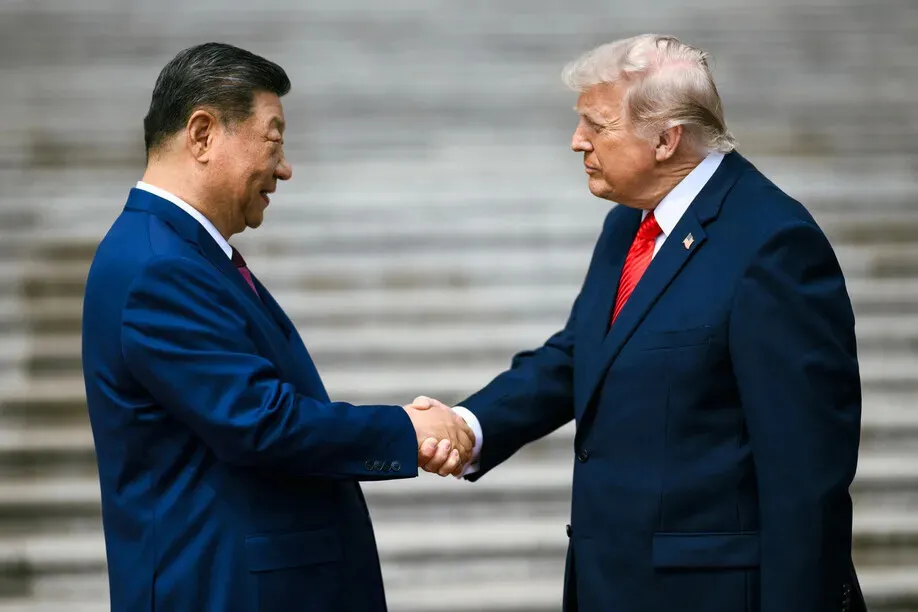
The call was not a thaw but an intervention to prevent a collapse of this vital relationship – a necessity imposed by geoeconomic realities
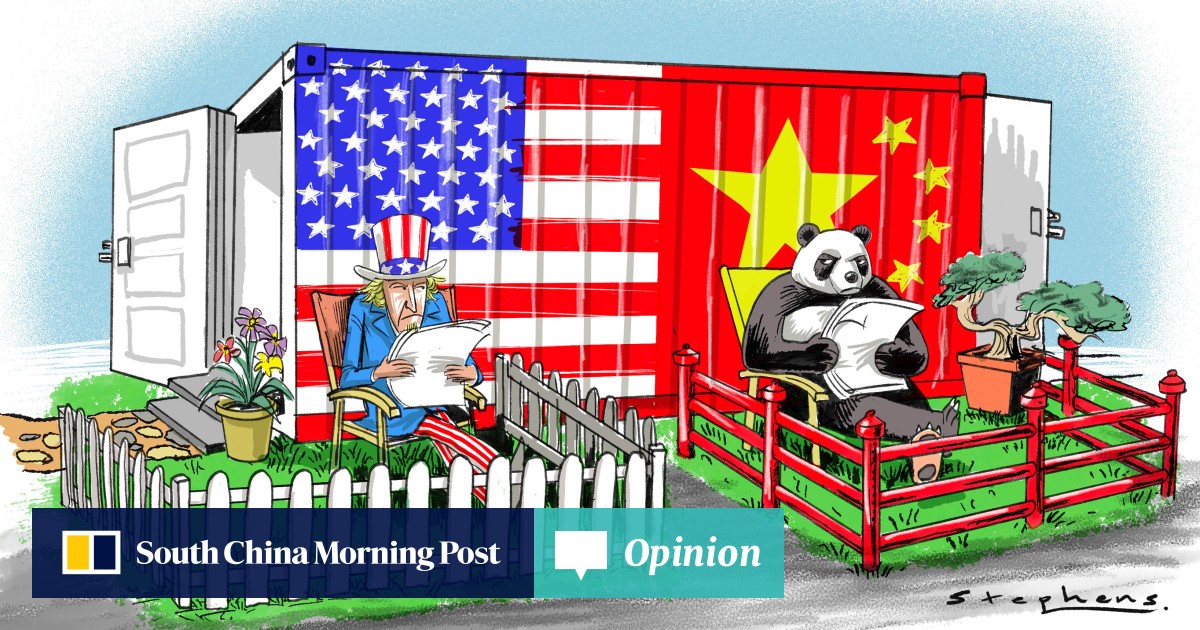
While tensions between the two powers have dominated headlines, the conversation – described as “pragmatic, positive and constructive” by China’s People’s Daily – hints at an emerging reality: the US and China are being pushed into accommodation rather than escalation. This shift reflects pragmatic acceptance of mutual dependence despite strategic competition, creating an essential framework for global stability.
Initially, Trump’s return to power intensified fears of a renewed pursuit of American primacy. His administration imposed high tariffs on Chinese imports and broader global tariffs, targeting allies and adversaries alike. This approach sought to reclaim US supremacy through economic pressure.
The rivalry is also economically asymmetric: US strength lies in hi-tech sectors like semiconductor design, while China controls key supply chain nodes and green technology sectors. This interdependence mandates cautious competition, as all-out conflict would be mutually devastating.
Your personal data will be processed and information from your device (cookies, unique identifiers, and other device data) may be stored by, accessed by and shared with 88 TCF vendor(s) and 21 ad partner(s), or used specifically by this site or app.