The diplomatic groundswell, and Israel’s increasing isolation, come late. They must be the beginning of a renewed effort
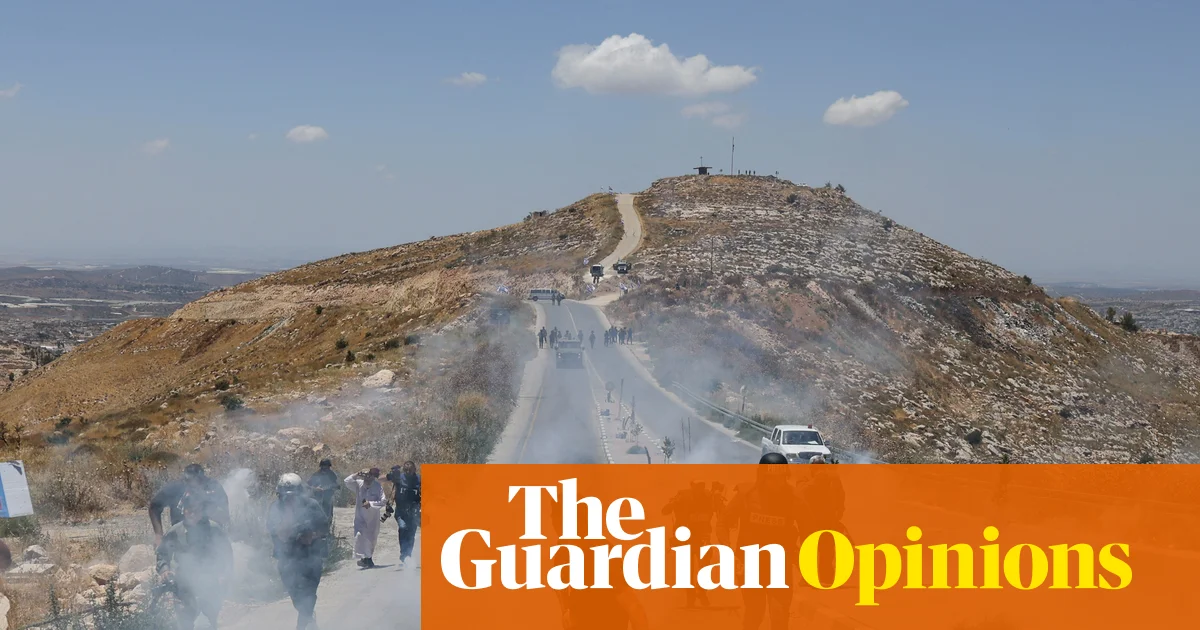
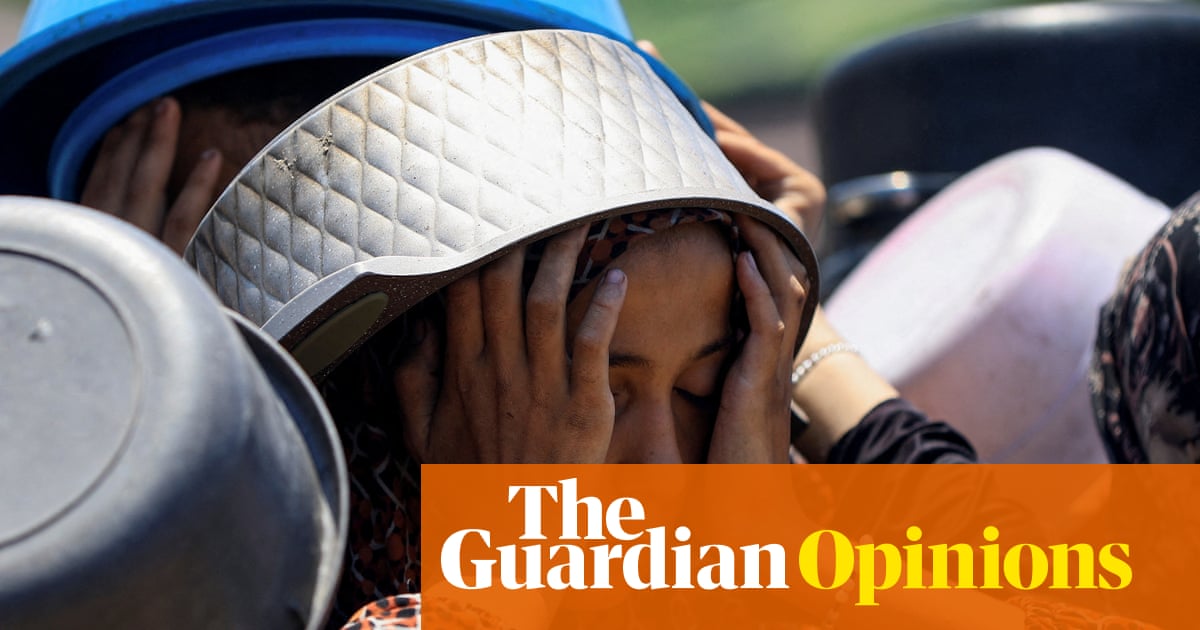
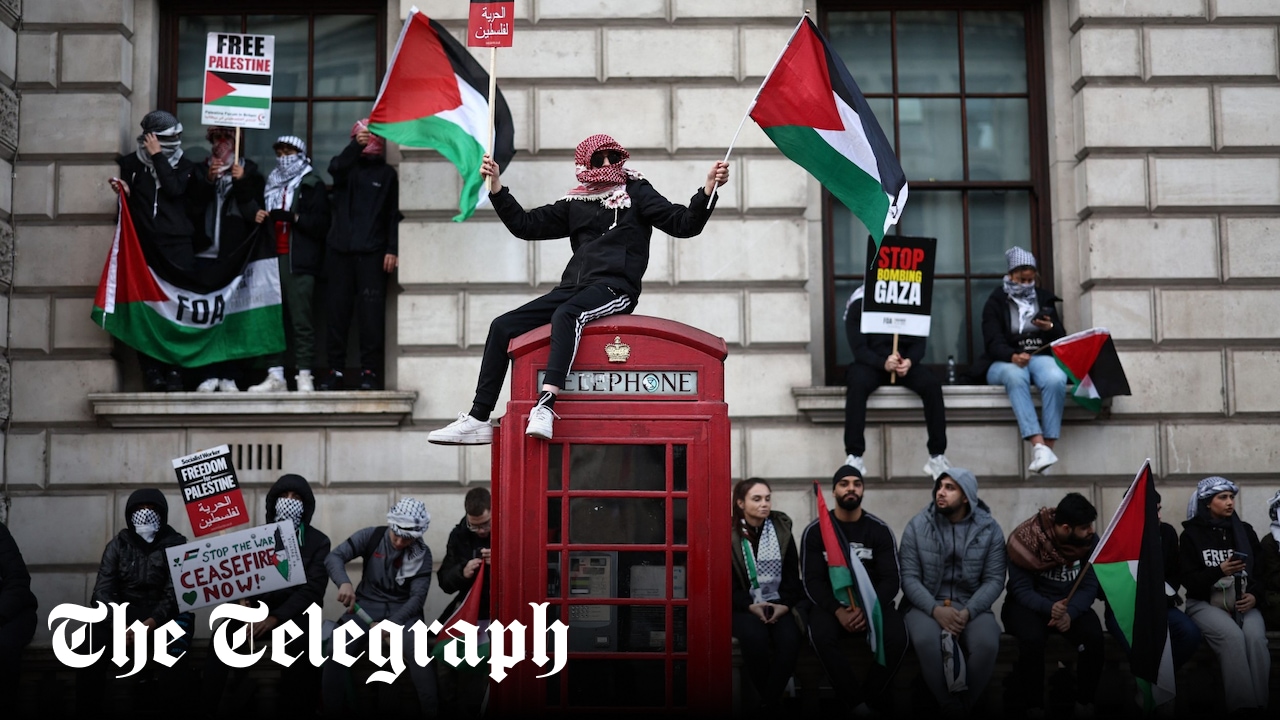
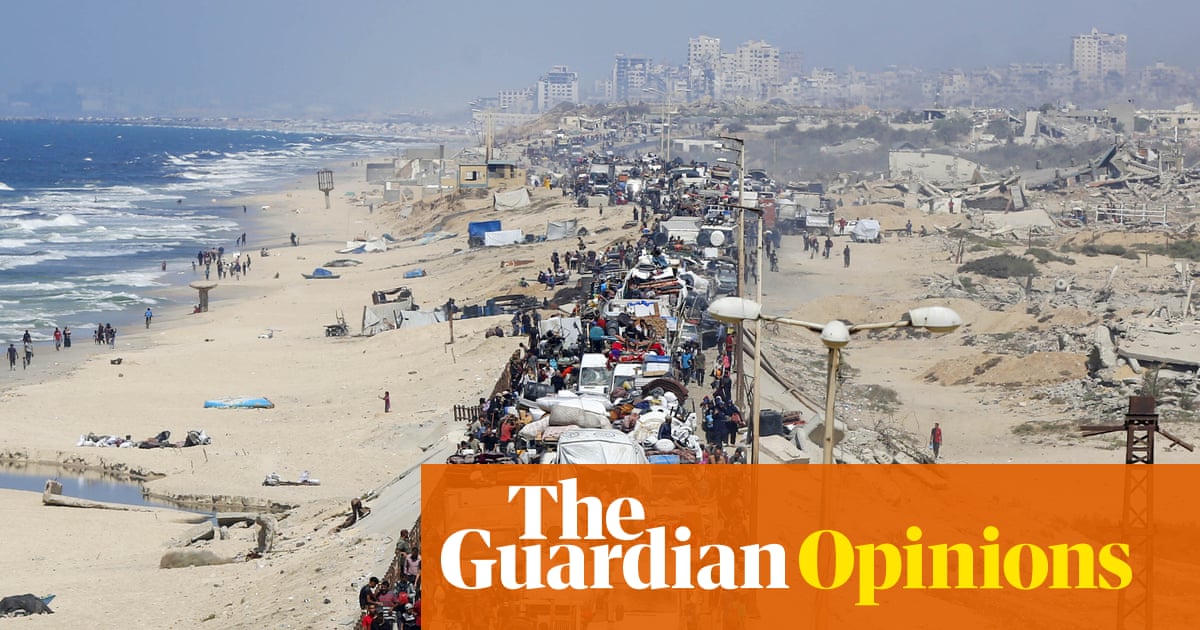
Death rains down on Gaza City. Starvation stalks the north of Gaza. Israel has now killed more than 65,000 Palestinians, most of them civilians.
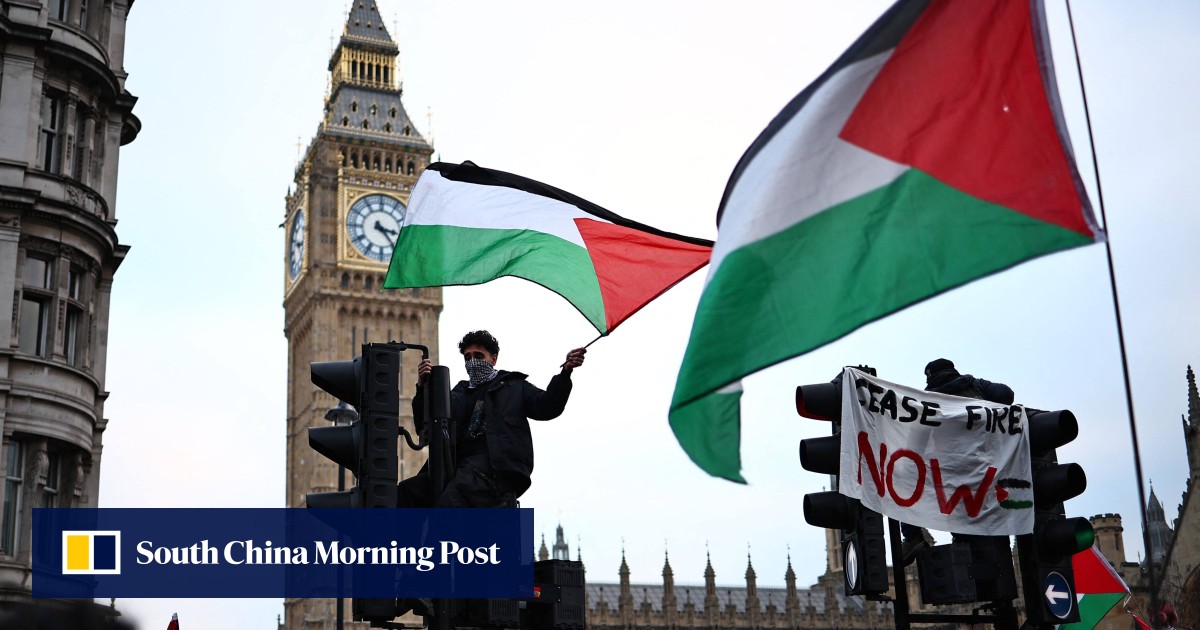
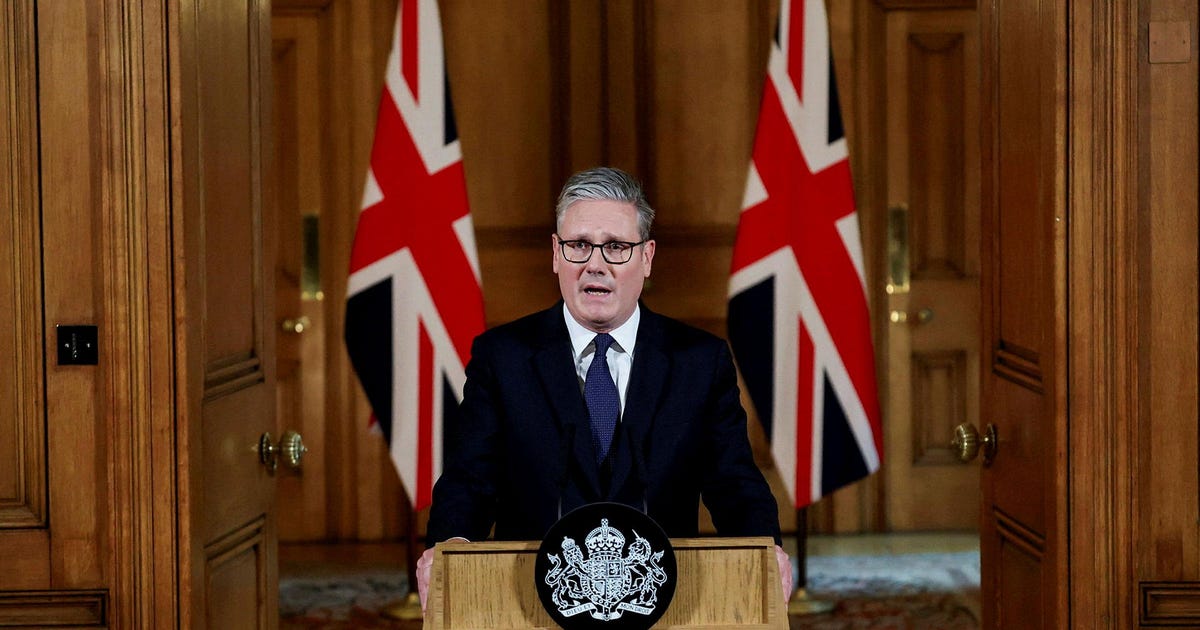
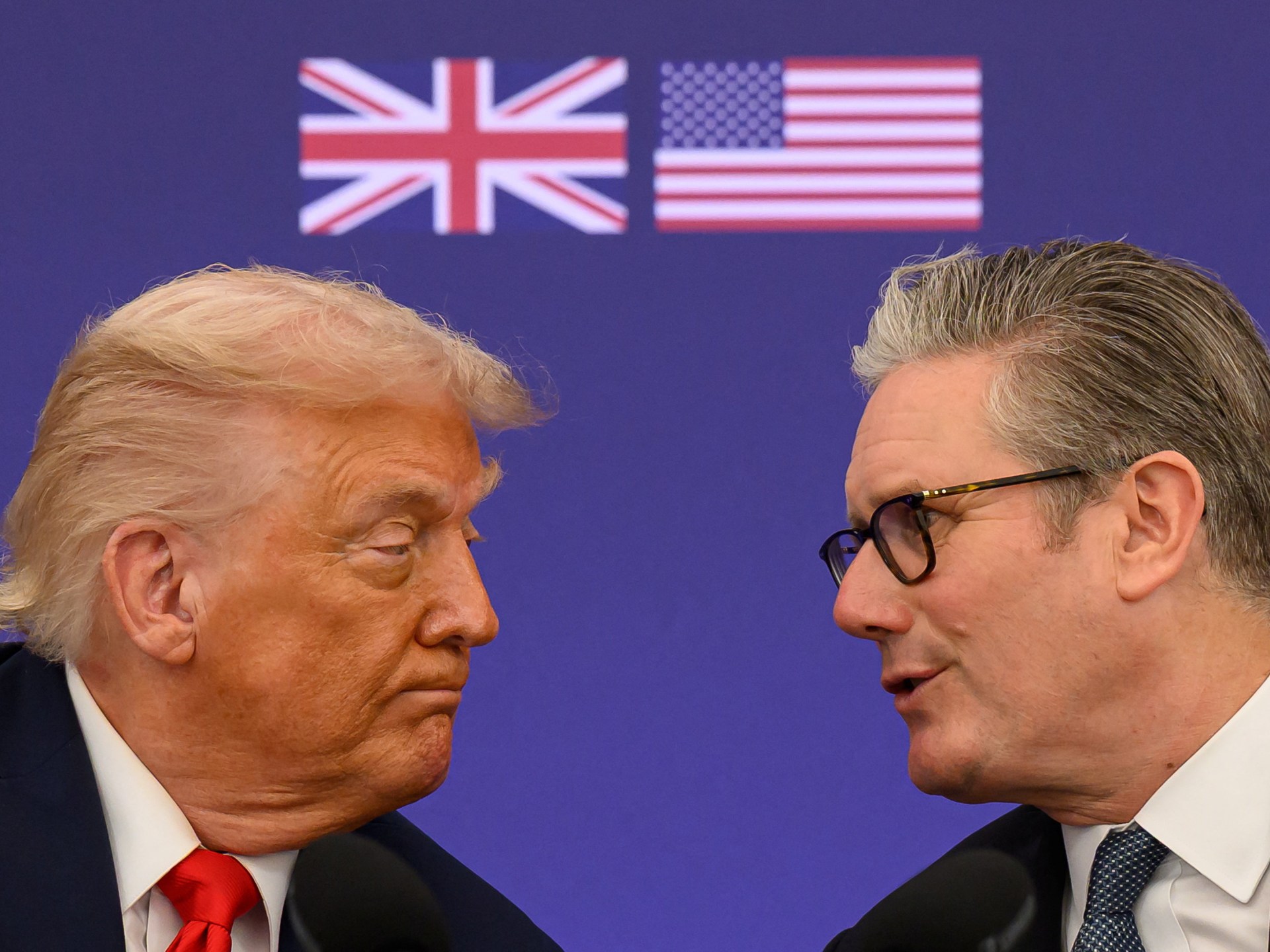
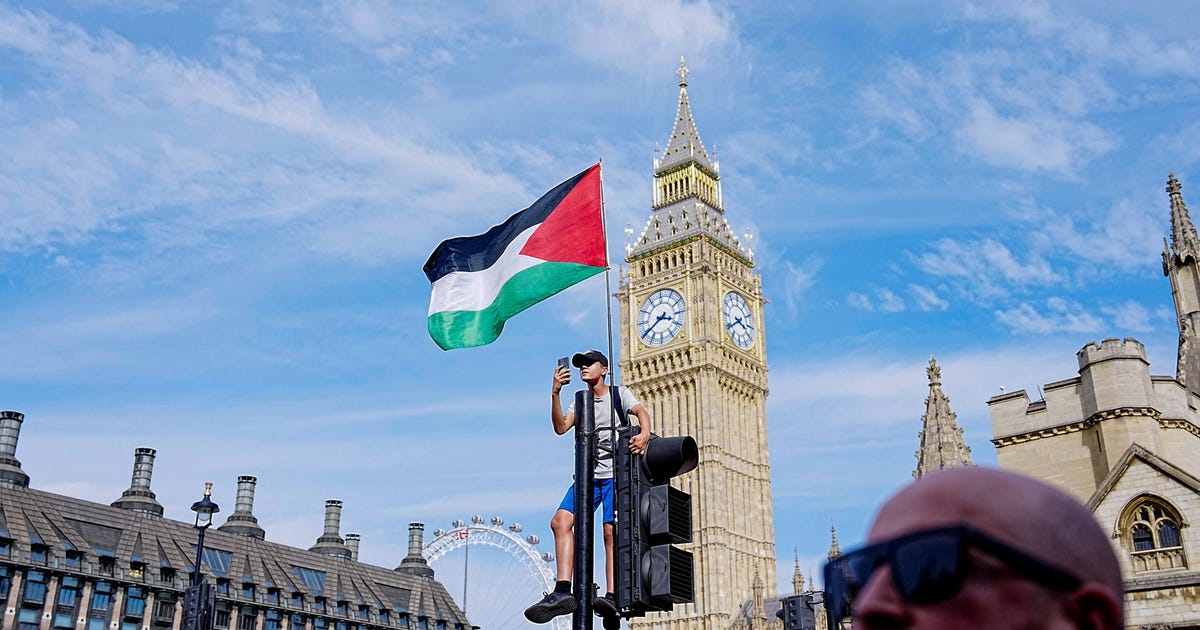
The prospects of even a ceasefire look dim, never mind a long-term settlement. But formally announcing the UK’s recognition of a Palestinian state on Sunday, Sir Keir Starmer remarked: “The hope of a two-state solution is fading but we cannot let that light go out.” Canada and Australia announced recognition too ahead of the United Nations summit in New York on Monday, in a wave spearheaded by France.
Britain’s historical responsibilities make recognition particularly necessary. It remains wholly insufficient. Not only was the UK dragged to this point; unlike others, it made the announcement conditional. The prime minister stated that it would happen unless Israel agreed to a ceasefire and other terms, which Benjamin Netanyahu’s government was never going to meet. In doing so, he wrongly presented statehood as a bargaining chip – instead of clearly declaring the inalienable right of Palestinians to self-determination.
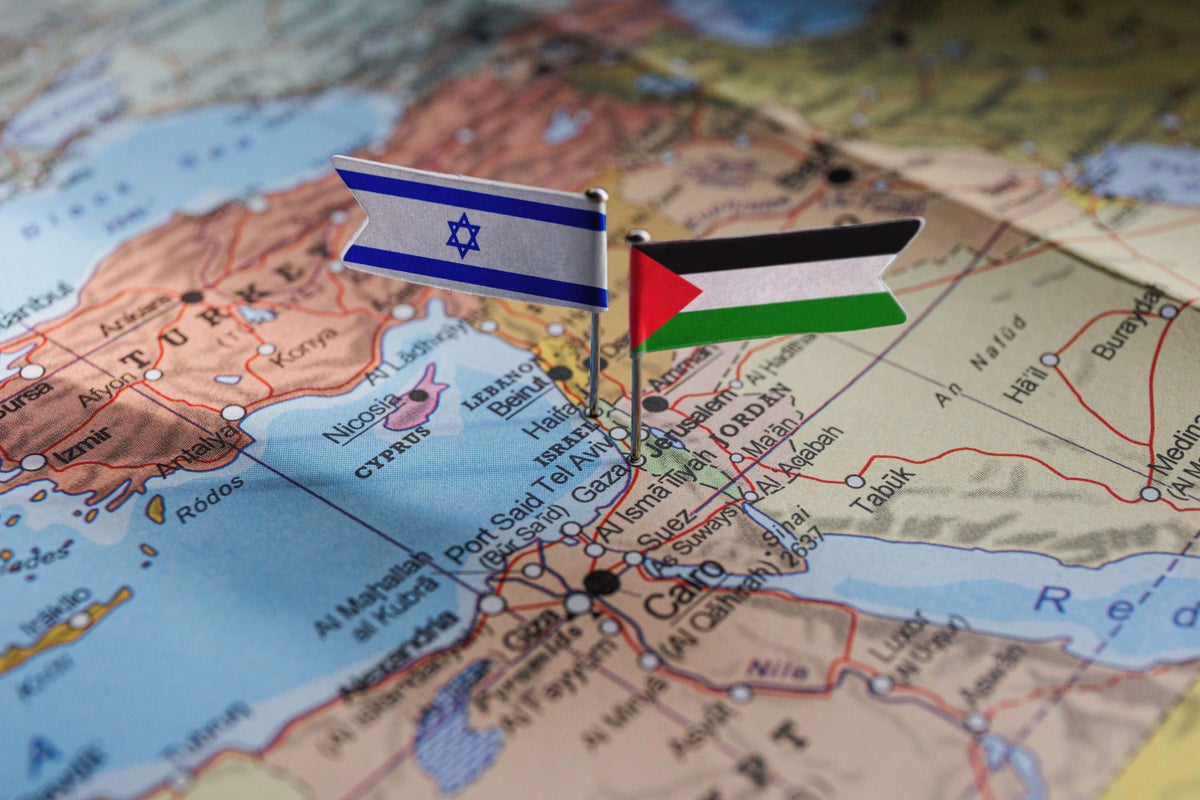
The mass diplomatic shift is symbolic; the US will continue to block full Palestinian membership of the UN. At best, this is part of a concerted effort to end the war, revive the longer-term prospects for statehood and prevent ethnic cleansing. The UN general assembly overwhelmingly backed a motion calling for a two-state solution earlier this month.