Sir Keir Starmer’s declaration on Palestinian statehood sends a welcome signal for the future. But more pressure is needed if a humanitarian catastrophe is to be averted
T
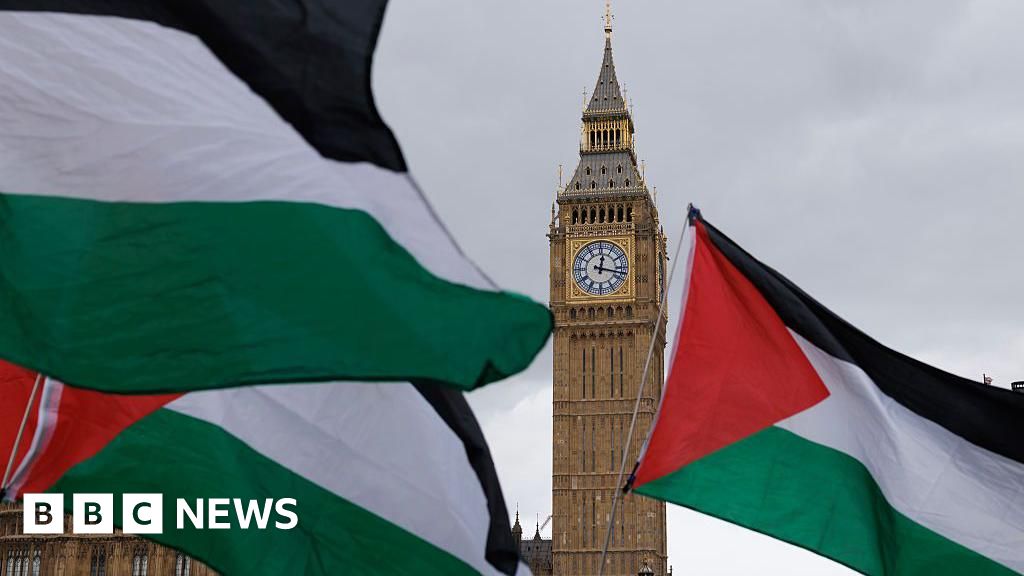
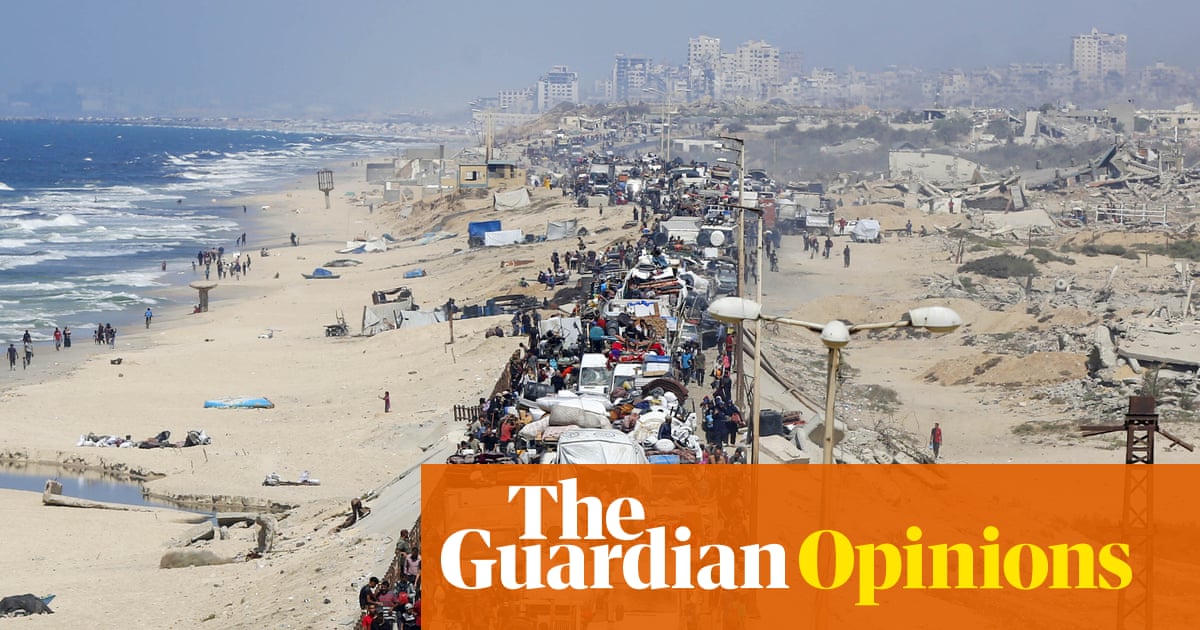
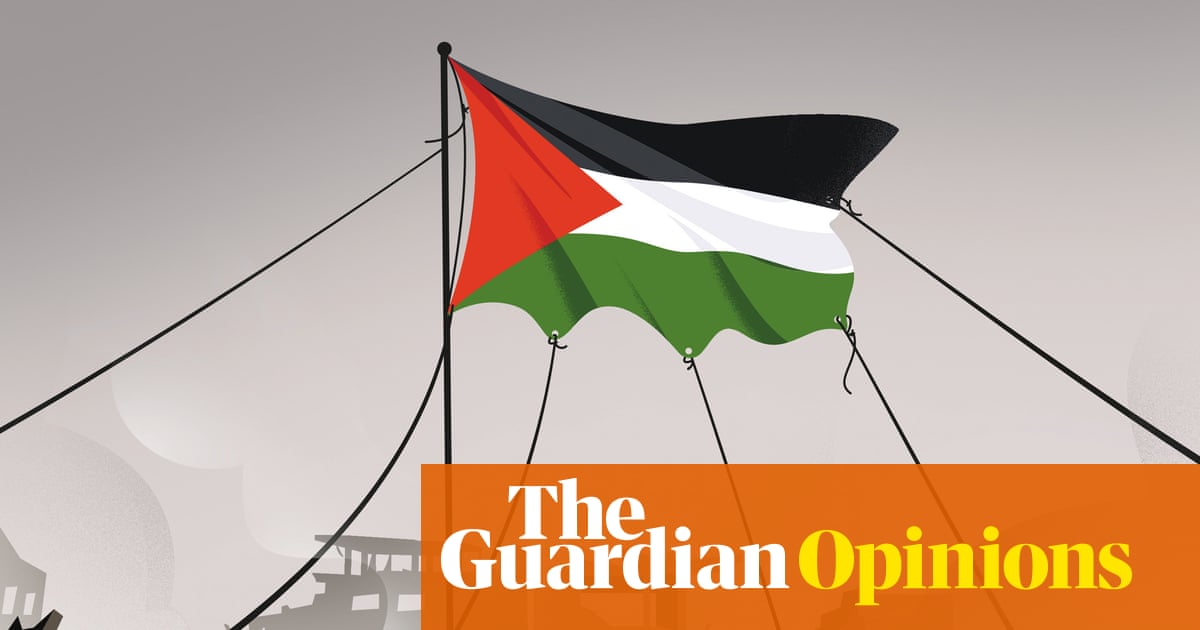
he symbolism of Palestinian statehood matters. For months, the Israeli prime minister, Benjamin Netanyahu, and his far-right coalition allies have cruelly laboured to make Gaza an uninhabitable hellscape. In the West Bank, the relentless expansion of Israeli settlements is likewise intended to foreclose, for ever, the possibility of a viable, independent Palestinian state. Mr Netanyahu’s approach to calls for a two-state solution in the Middle East has been to systematically work to ensure it never happens.
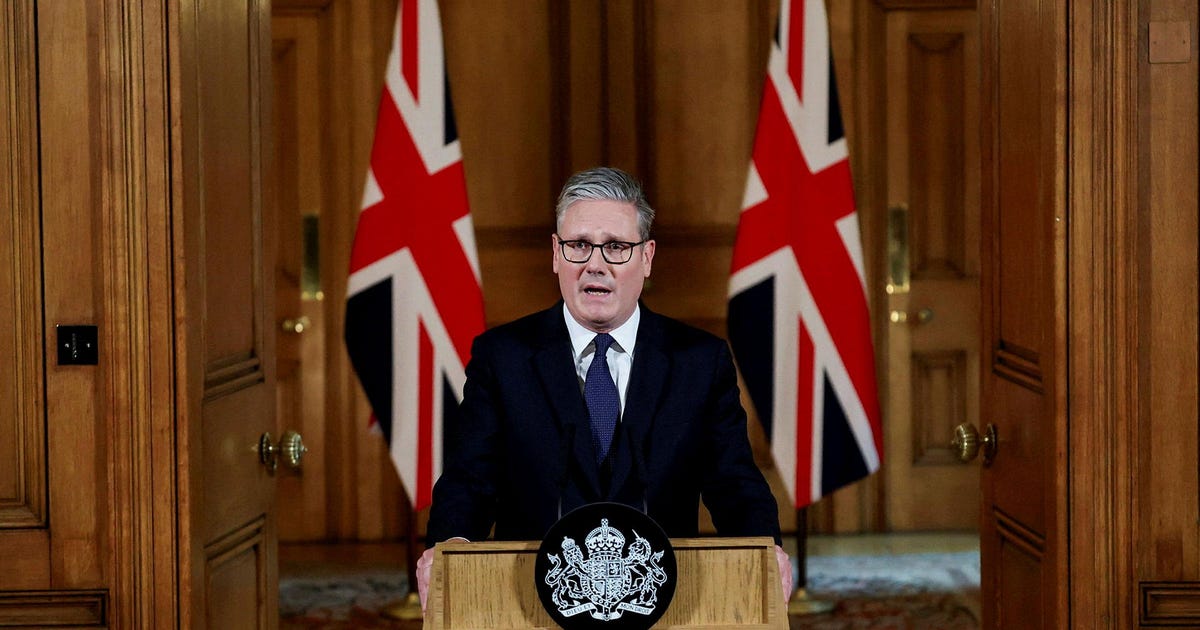
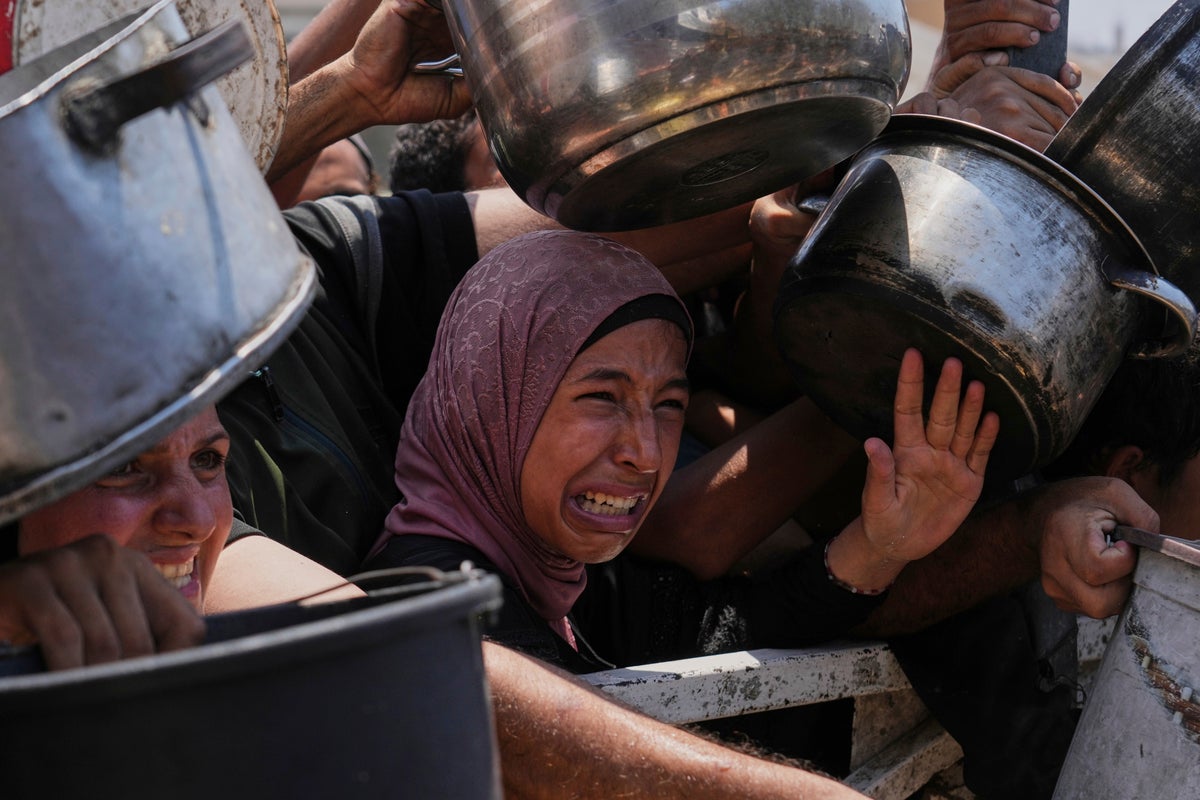
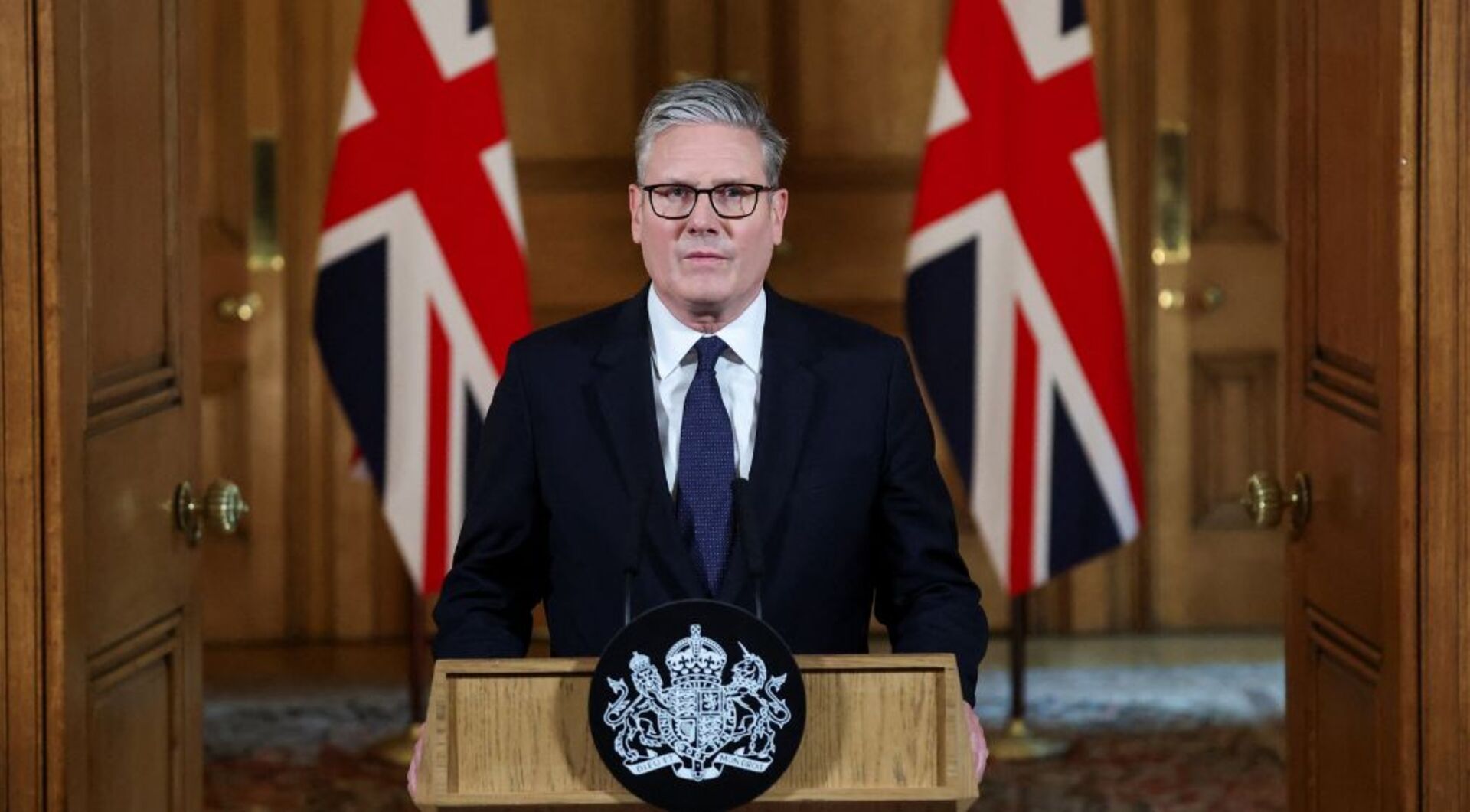
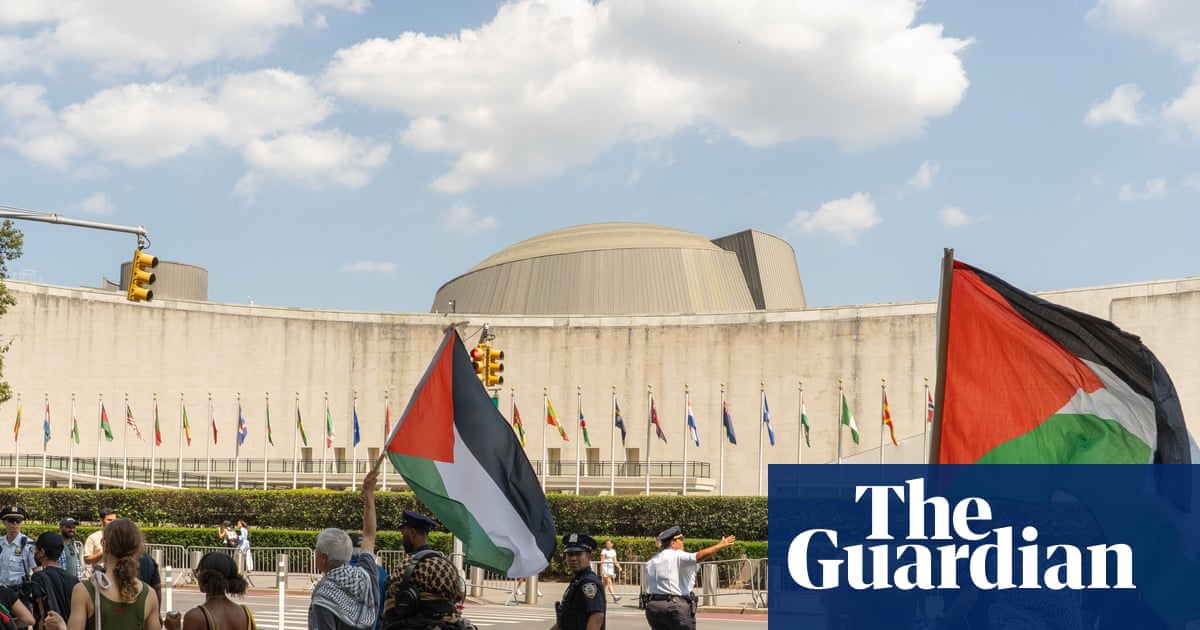
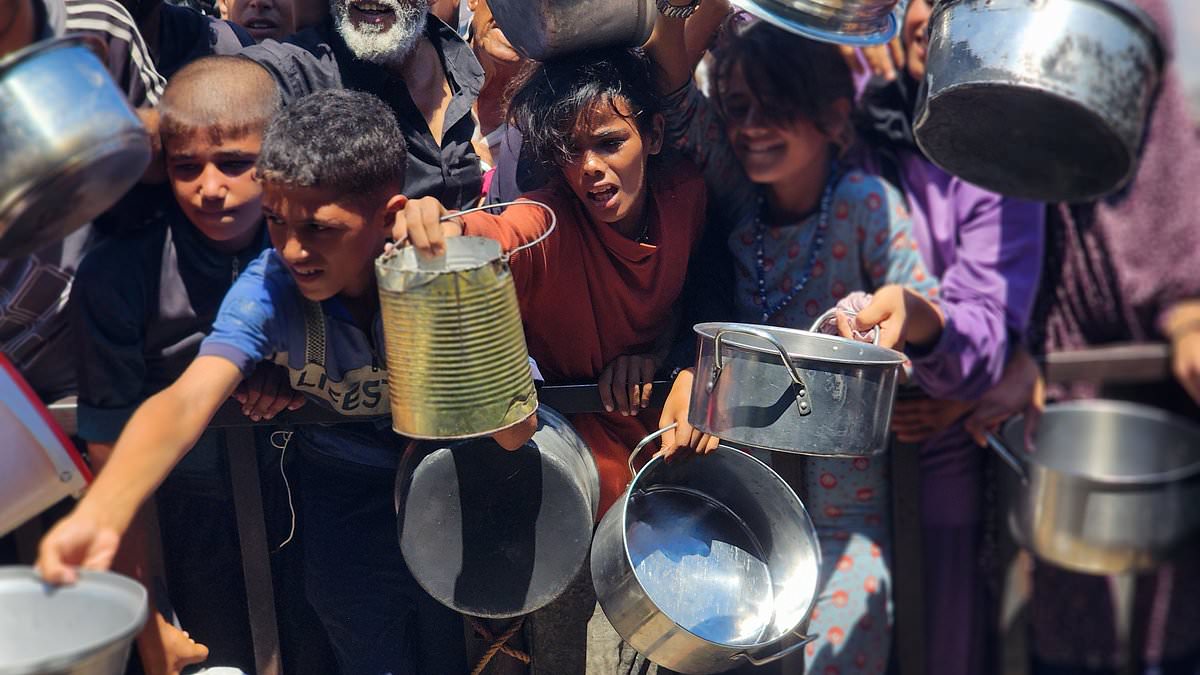
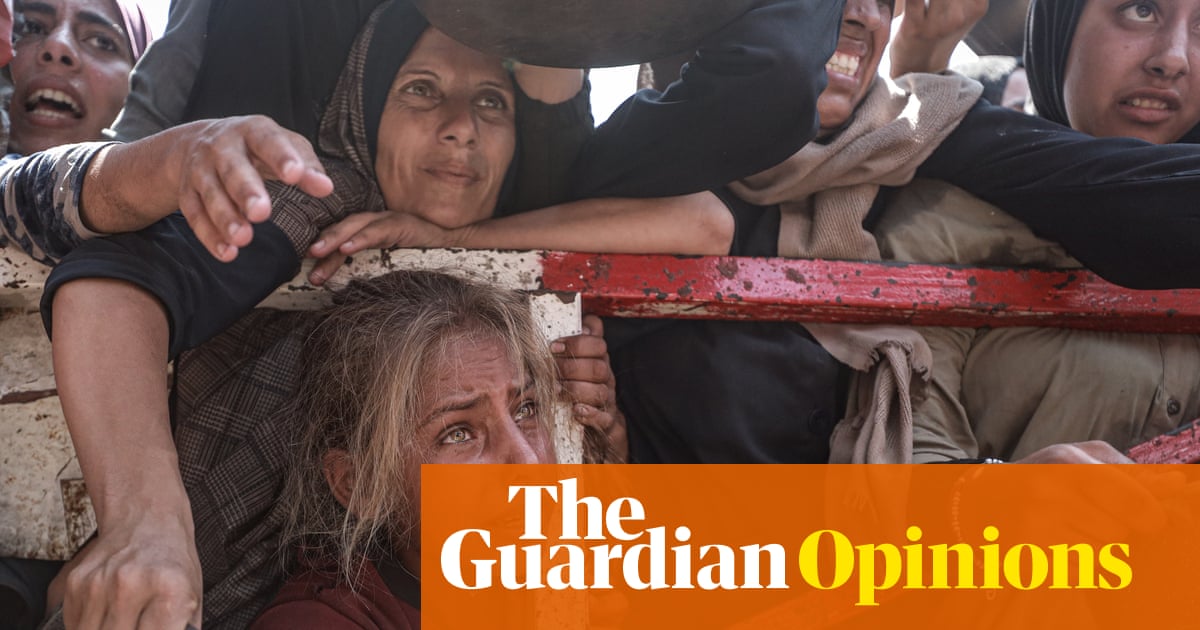
Sir Keir Starmer has thus sent a welcome signal by declaring that, in the absence of a ceasefire and a revived peace process, Britain will move to formally recognise Palestine. Against a backdrop of images of starvation in Gaza that recall the 20th-century horror of Biafra or Ethiopia, Sir Keir’s intervention (and that of the French president, Emmanuel Macron) gestures to the necessity of creating a different future to the one envisioned by Israel’s extremist government.
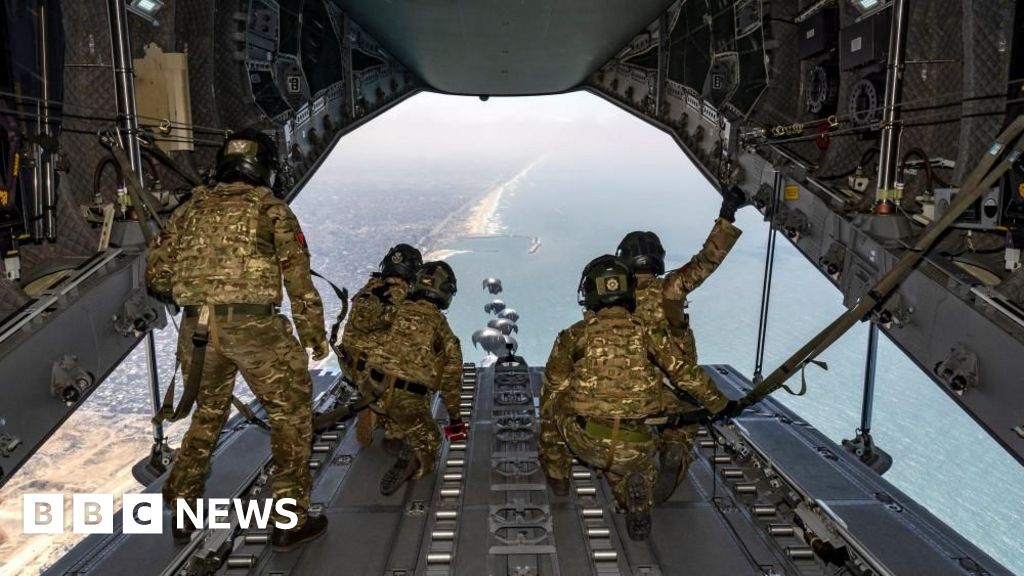
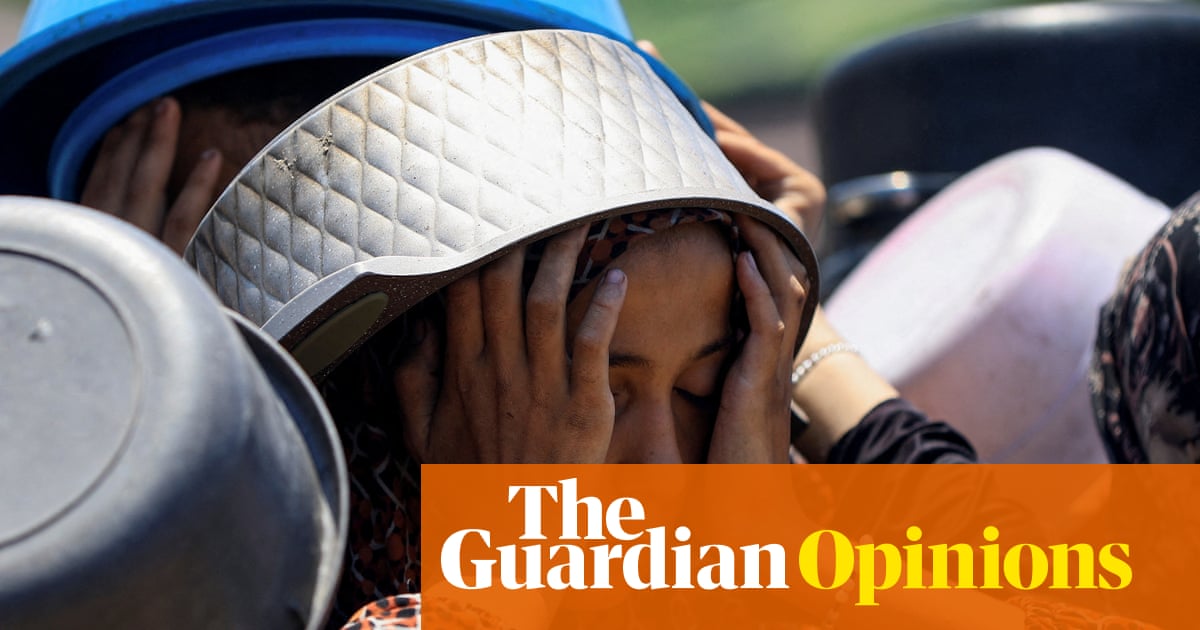
But the urgent imperative is not to build a state; it is to save a population on the brink of social and physical collapse. On Tuesday, the United Nations food security agency confirmed that “the worst-case scenario of famine is unfolding in the Gaza Strip”. The four Gaza Humanitarian Foundation distribution sites, touted by Israel as an alternative to blocked UN aid, are both hideously inadequate and lethally dangerous to access. Close to 100,000 women and children are in urgent need of treatment for malnutrition, while one in three Palestinians in Gaza are going for days without eating.