Battle lines between moderate and extremist visions for future of Gaza and West Bank have become much clearer
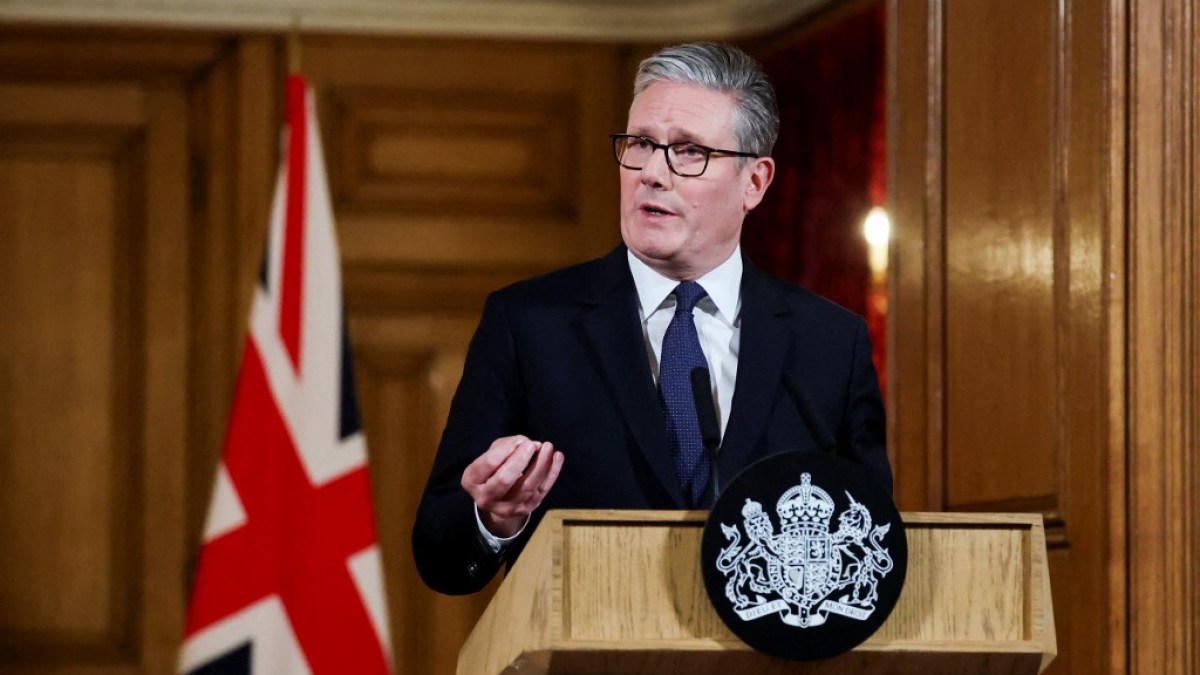
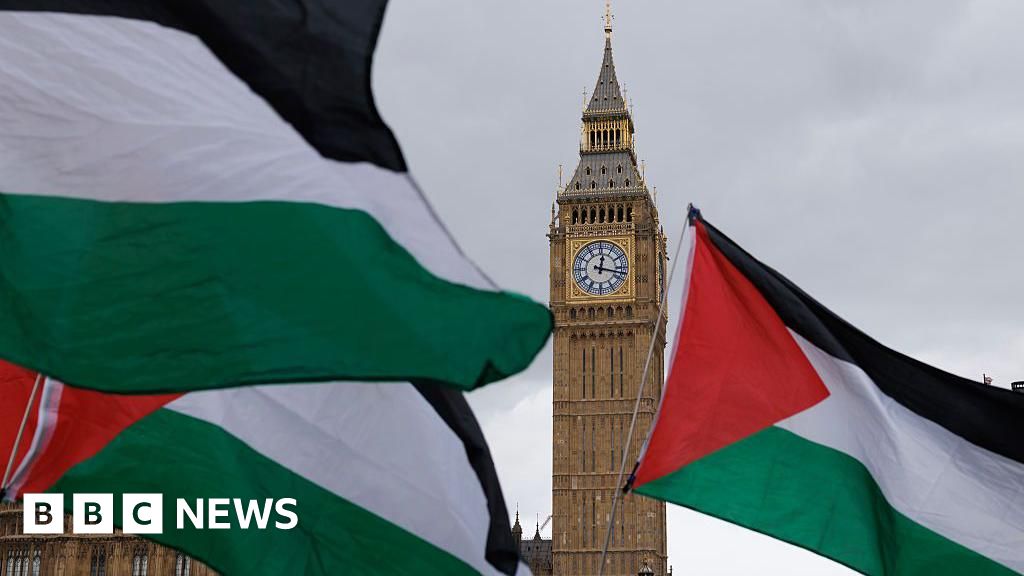
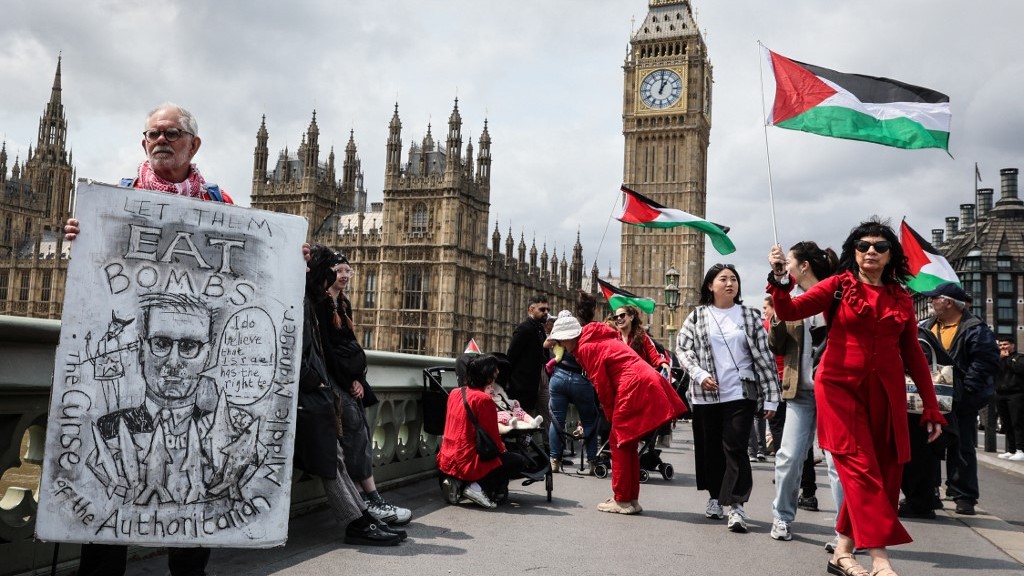
It may prove to be a momentous week in Middle East diplomacy, and not just because Keir Starmer – after much hesitation – made his historic pledge on Tuesday that the UK would recognise a Palestinian state at the UN general assembly in September if Israel did not agree to meet certain conditions.
The day was momentous because in New York, Brussels, Jerusalem and even Berlin the battle lines are becoming clearer between the moderate and extremist visions for the future of Gaza and the West Bank once the war finally ends.
Advocates of a two-state solution, including a radically reformed Palestinian Authority governing without Hamas, have finally realised the time to act is now, or else risk their vision being buried by Benjamin Netanyahu and his far-right minister of finance, Bezalel Smotrich, under the benign watch of Donald Trump. The choice is between coexistence and forced displacement of hundreds of thousands of Palestinians.
Britain’s policy that it could hold back playing the “recognition card” until the point of maximum impact in the peace process was based on a belief that the UK still held sway in the Middle East, but also rested on an outdated interpretation of the future trajectory of Israeli politics.