The superstar never wanted to be a sex symbol. But we don’t have a language to discuss what great beauty can feel like for men
R
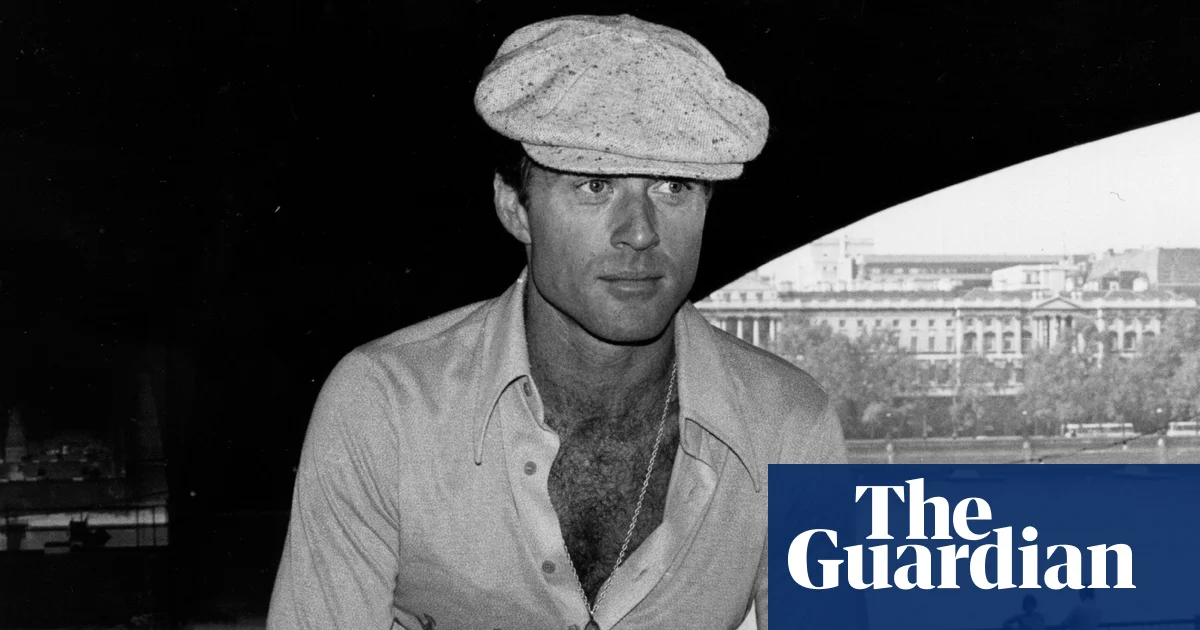
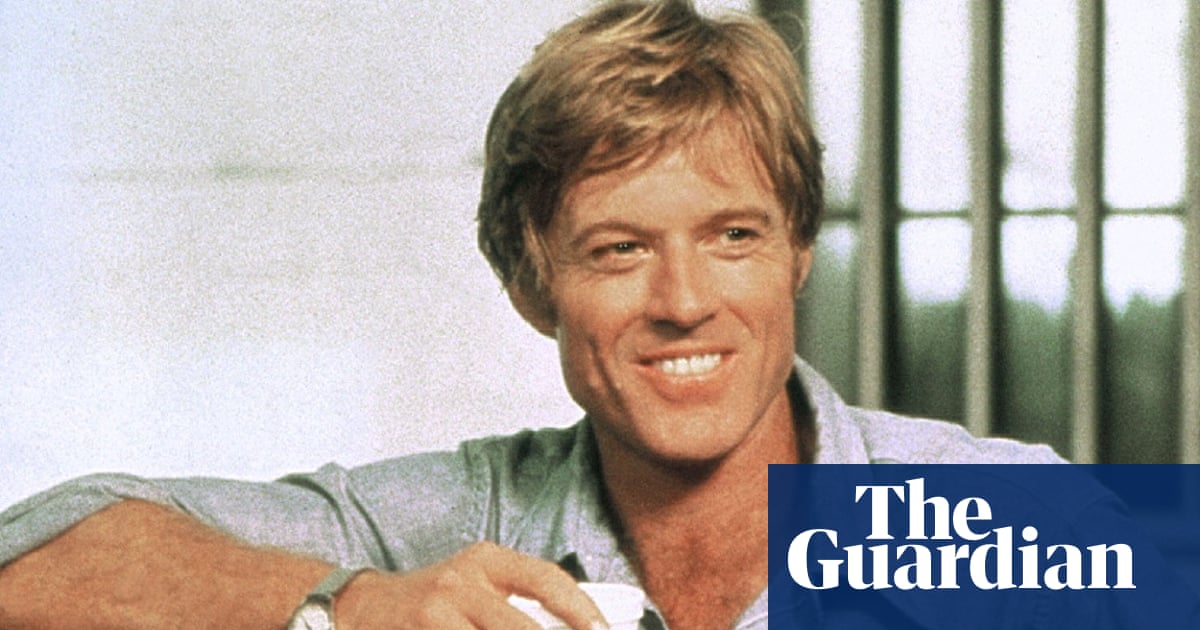
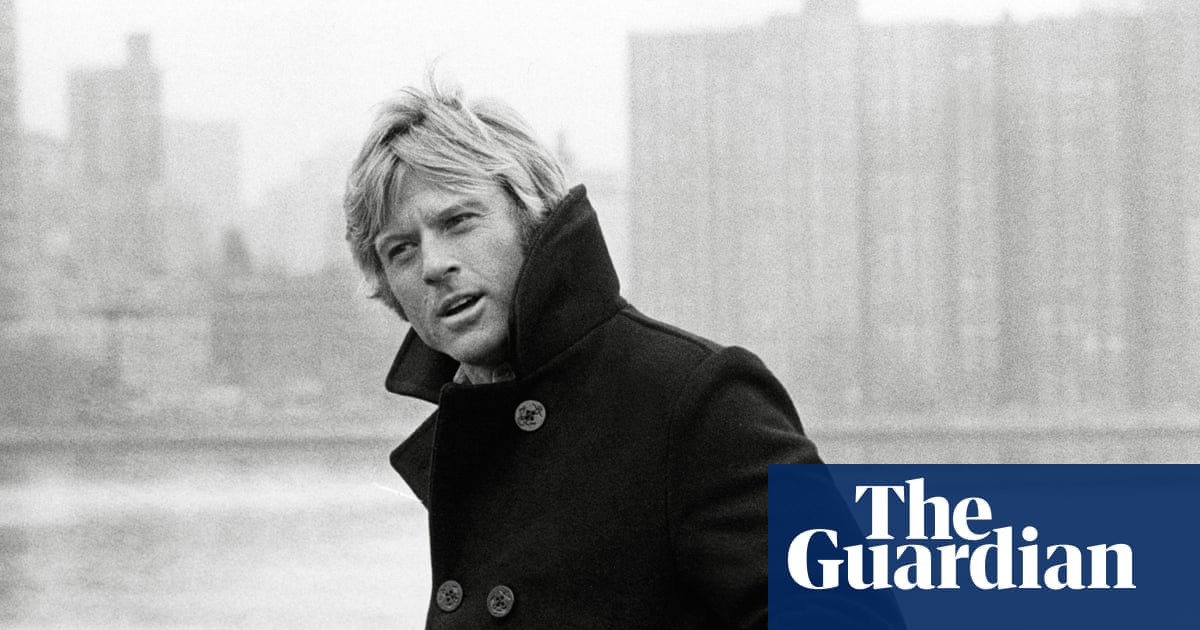
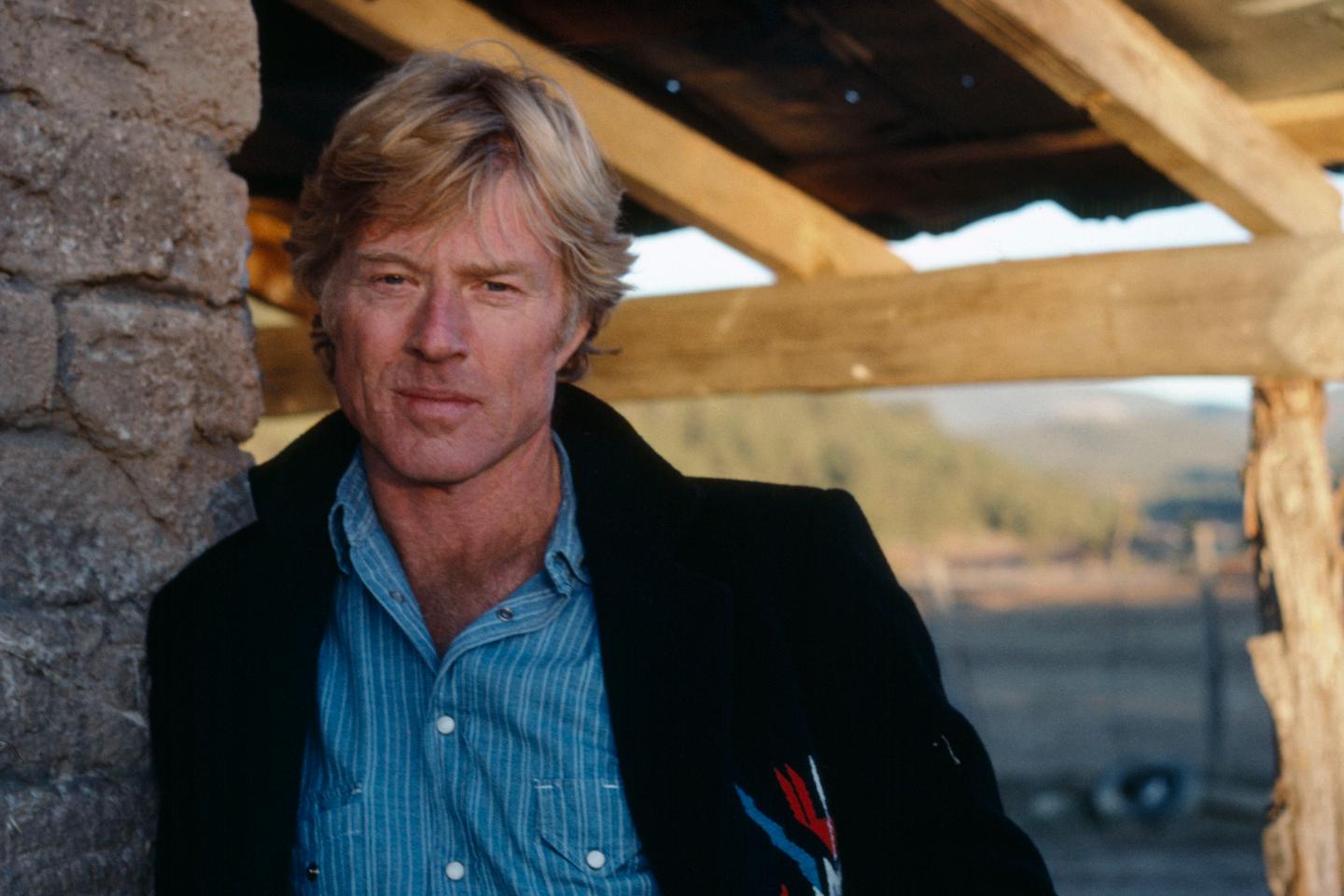
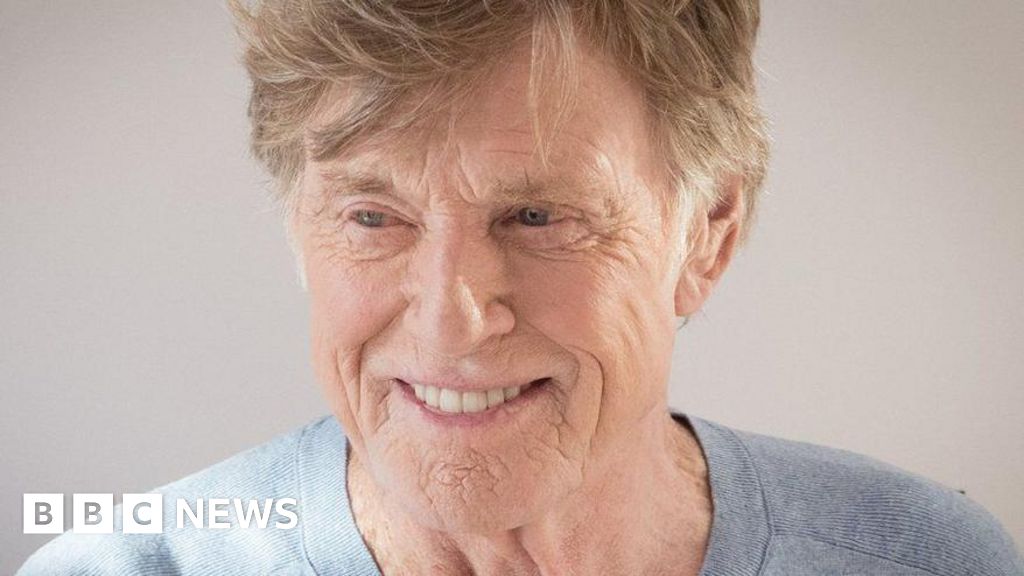
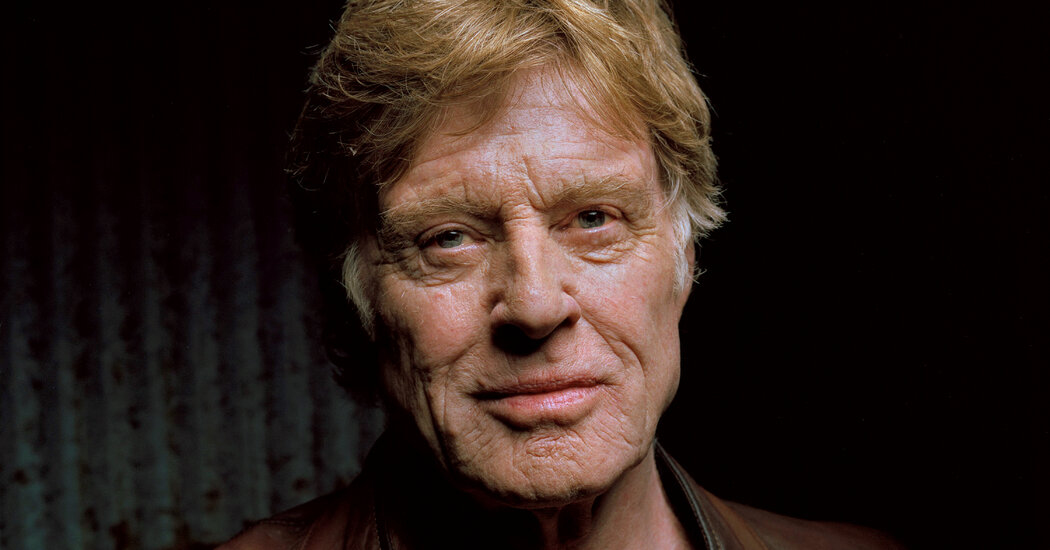
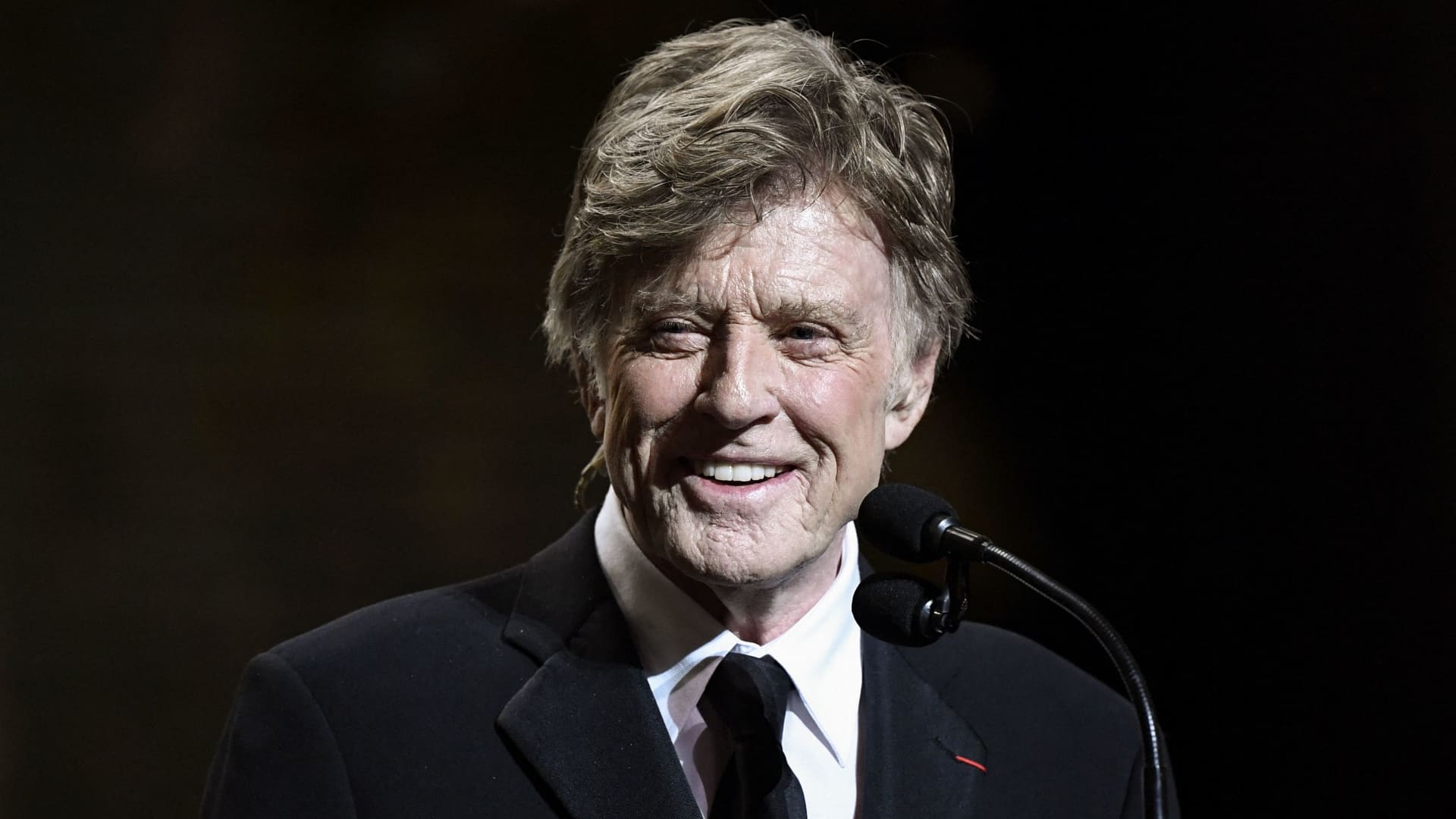
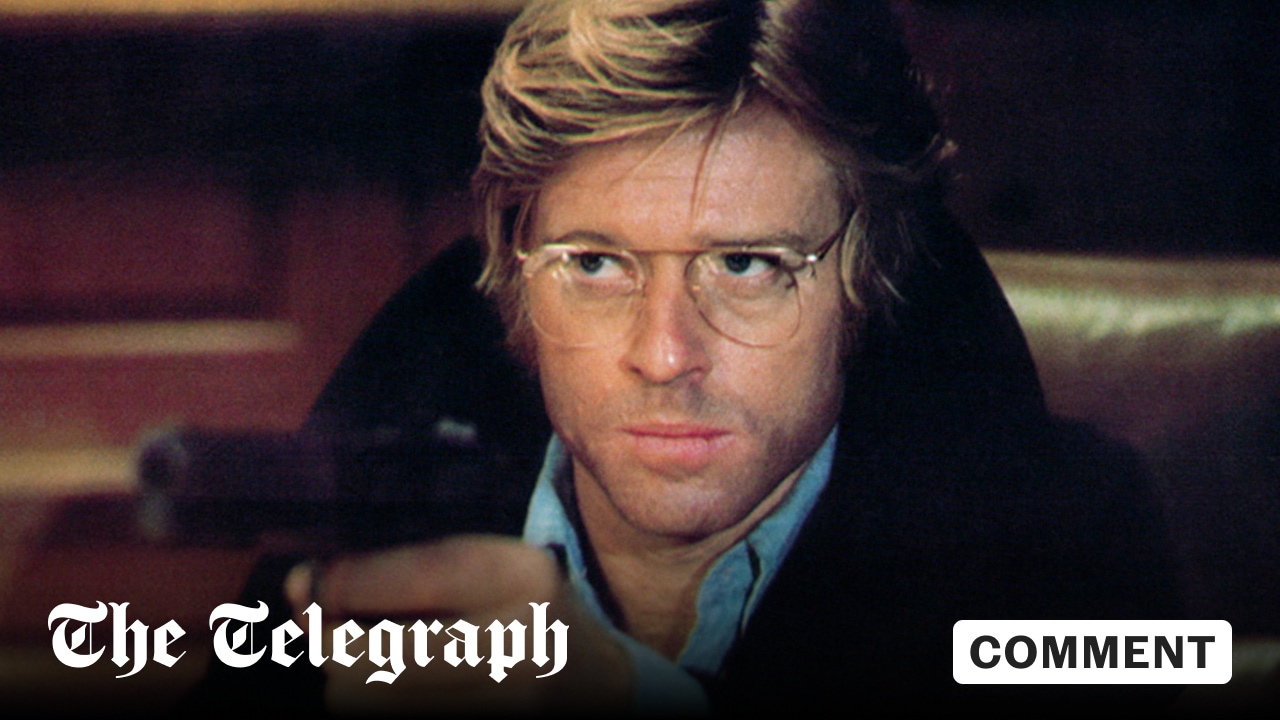
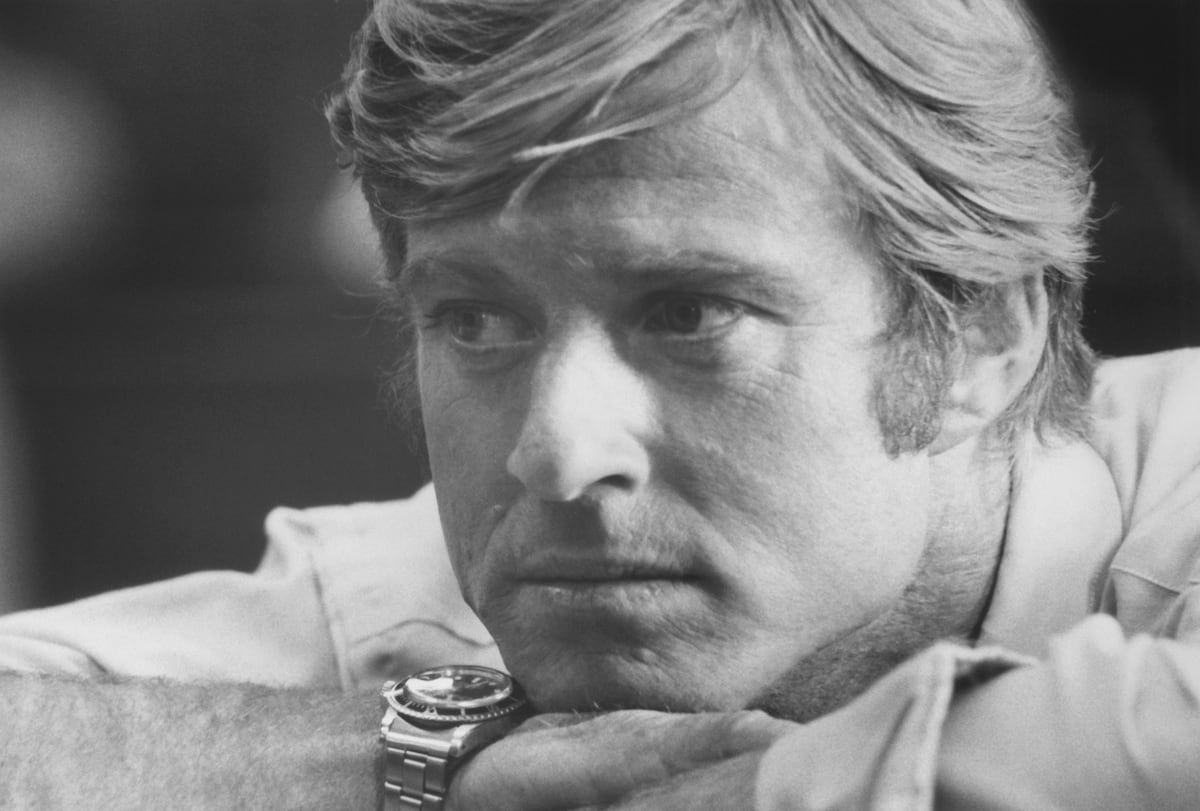
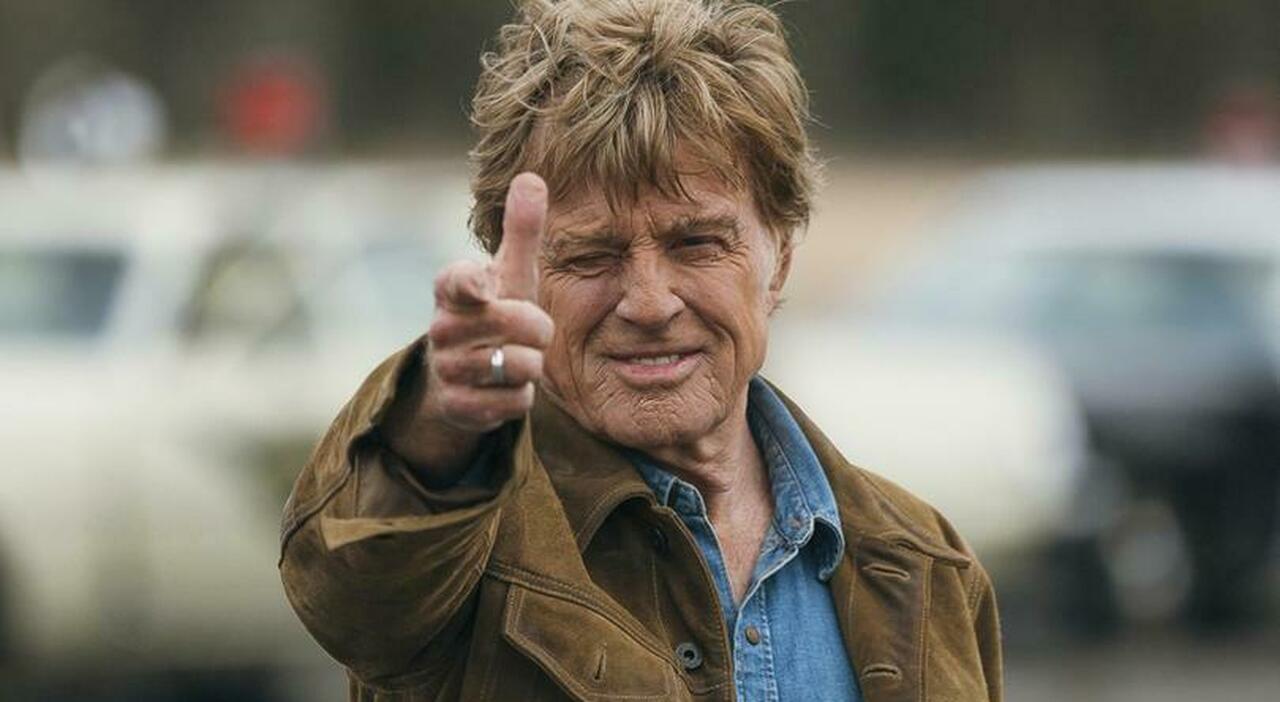
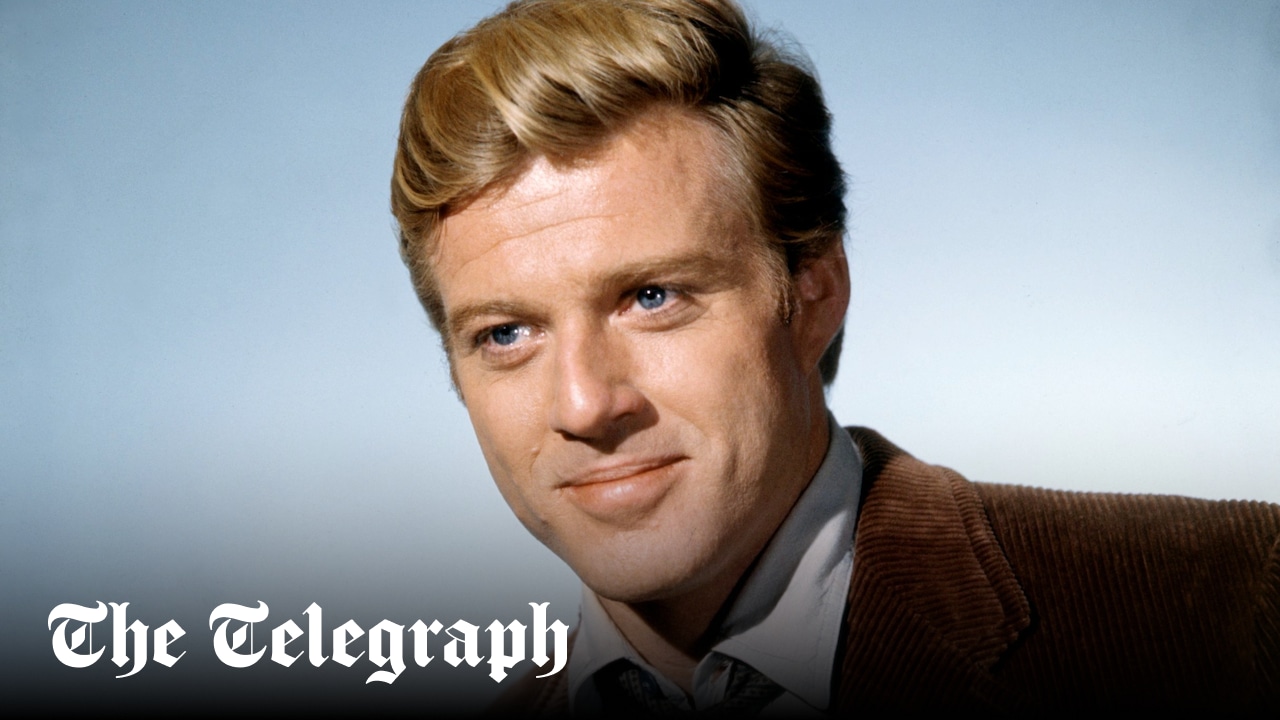
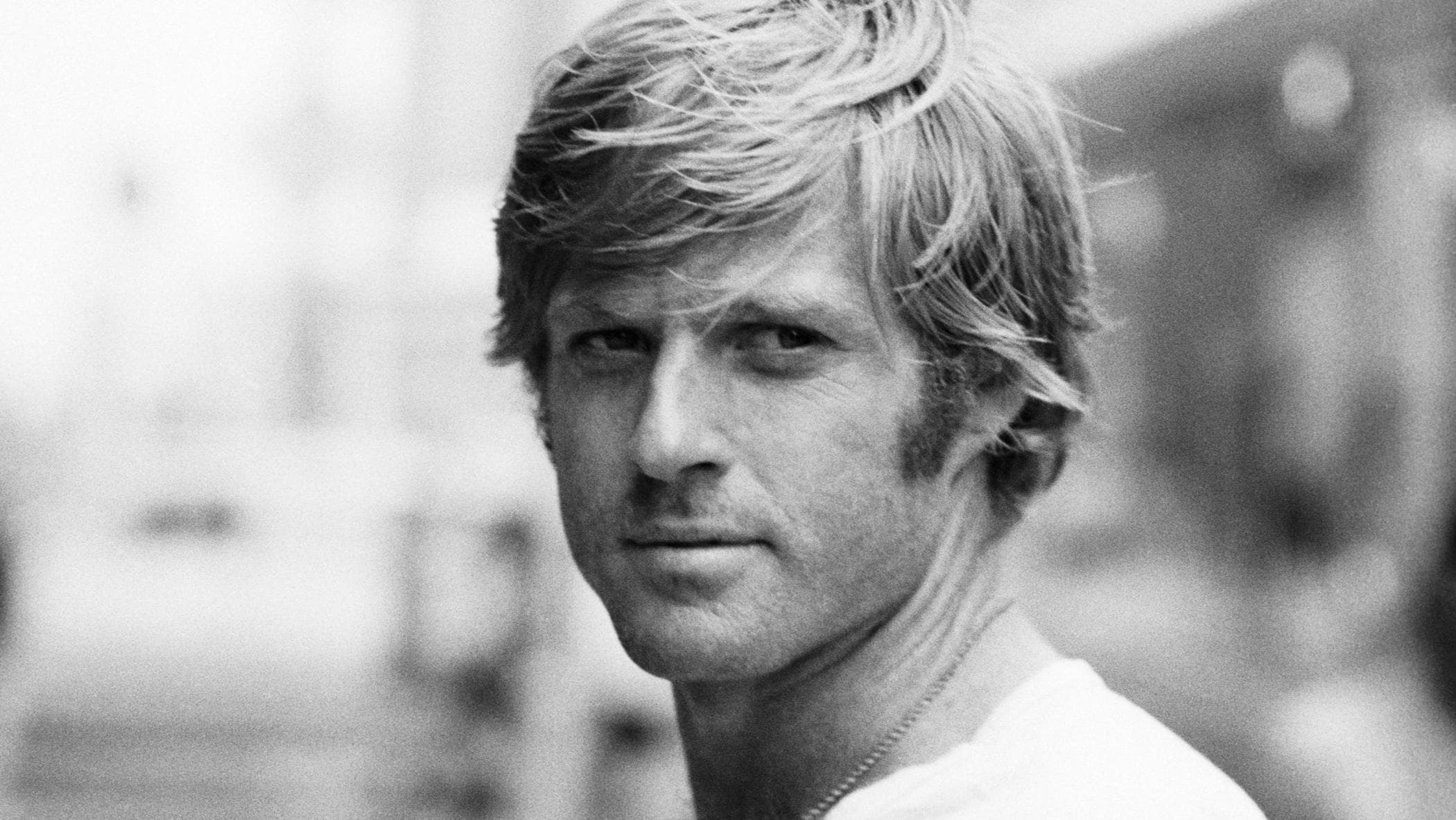
obert Redford, who died this week at the age of 89, was, as well as being one of Hollywood’s brightest stars both in front of and behind the camera, graced with “all-American good looks [that] couldn’t be ignored” as the BBC wrote. Breaking through in the “new Hollywood” era, his luscious blond curls, defined jawline and gentle, charming smile provided him the typical pretty-boy advantages that beauty offers for a career in entertainment, though his talent and zest for acting pushed him further still.
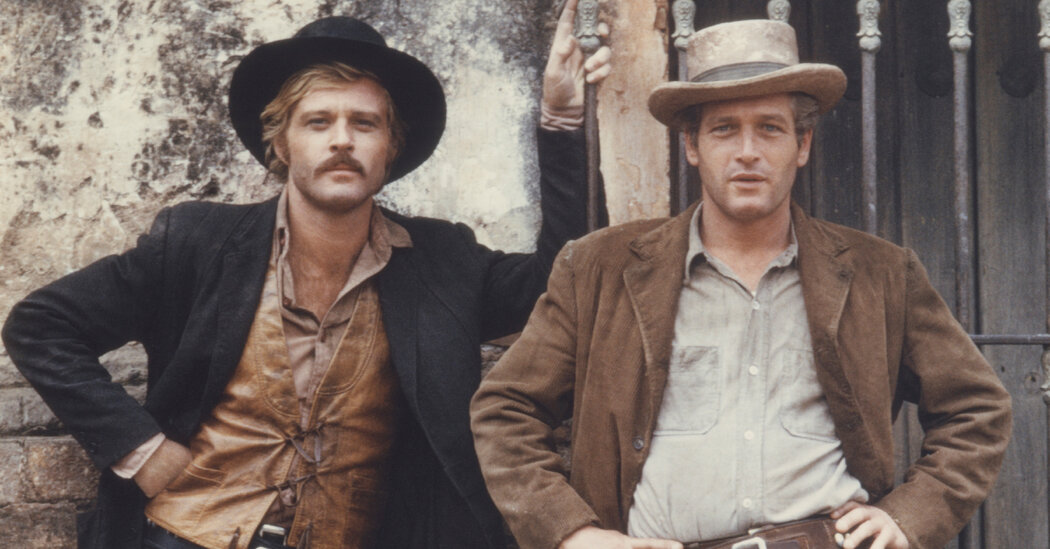
It was his role as the gunslinging, sharpshooting Sundance Kid in 1969, alongside the more established Paul Newman, which propelled him to fame – though the film’s creator, William Goldman, had dismissed Redford as “just another California blond … throw a stick at Malibu, you’ll hit six of him”. Yet what comes through about Redford in the commentary and obituaries following his death is this sense that he transcended his beauty; that he defied the blank California Ken doll archetype to become genuinely prodigious within US cinema.
It is then easy to understand why Redford appeared to undermine his own beauty and reject his status as a sex symbol. In the way he presented himself he did little to undo the perception of him as a symbol of male elegance: indeed, a Financial Times piece about his incredible style – published, incidentally, the day before his death – evidences that he was active in the selection of fine tailoring. But beauty was still something of a prison. In an interview with the New York Times in 1974, Redford stated that “this glamour image can be a real handicap. Image is crap”, and he was repeatedly disdainful of the fact that his appearance often prevented him from being taken more seriously.