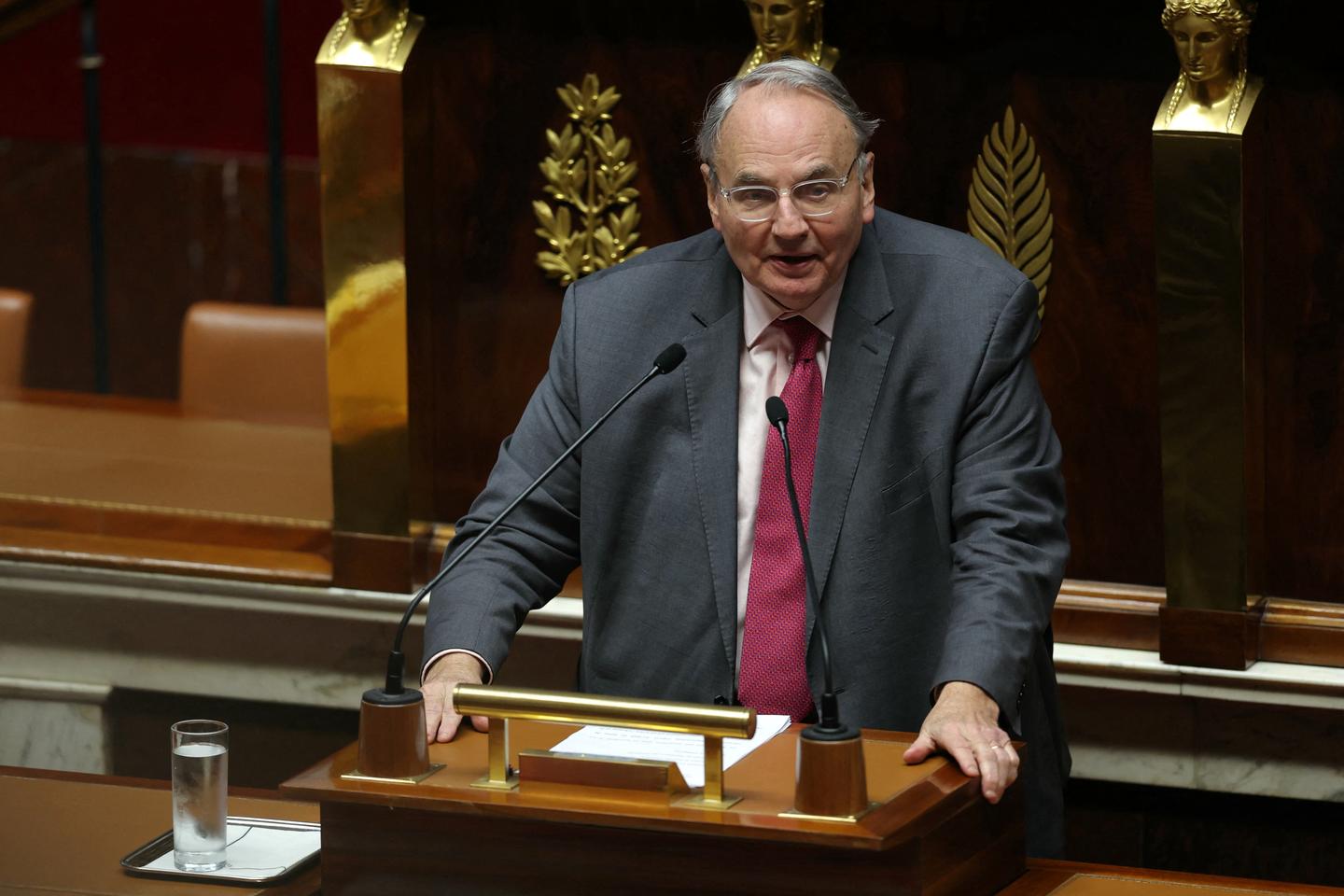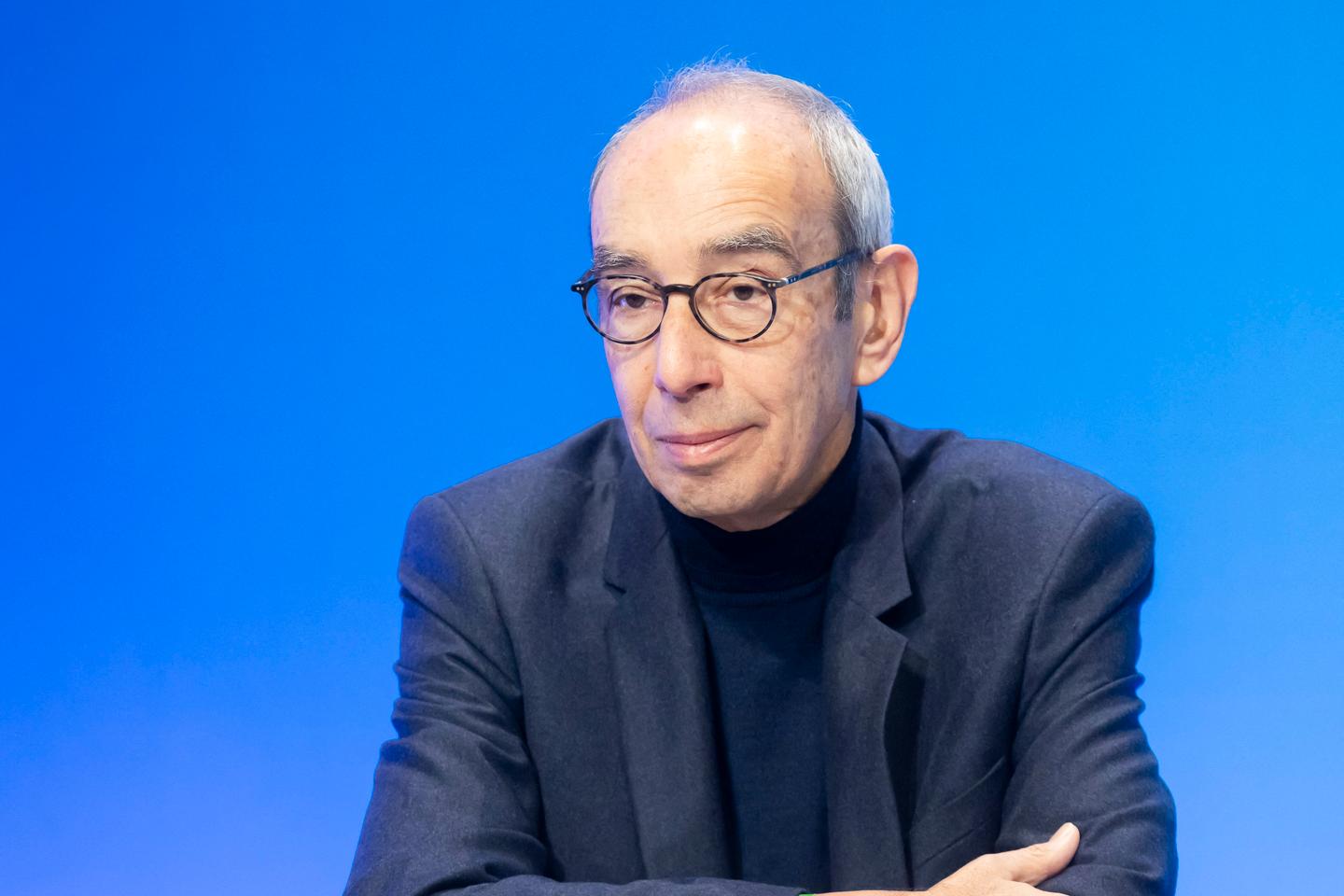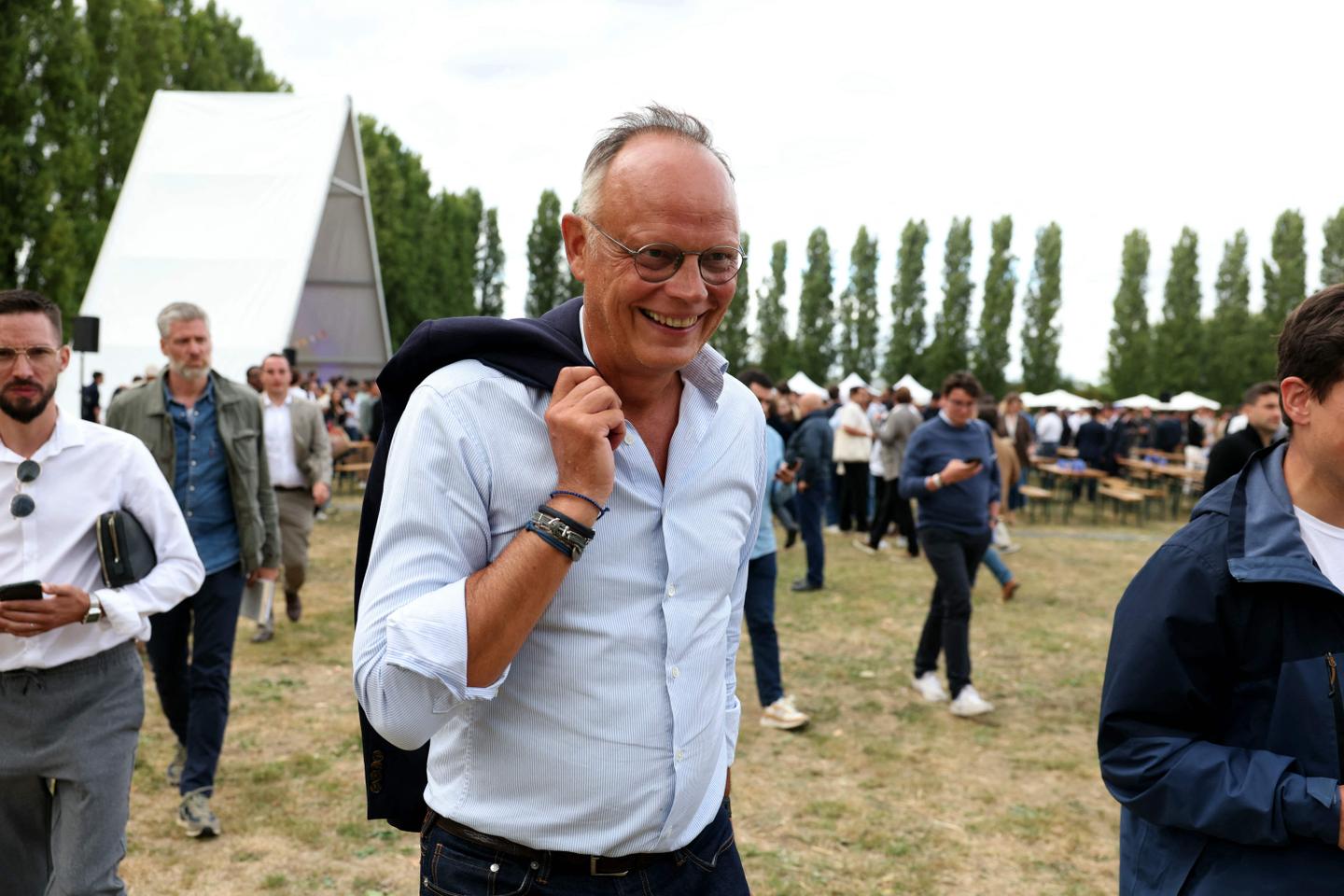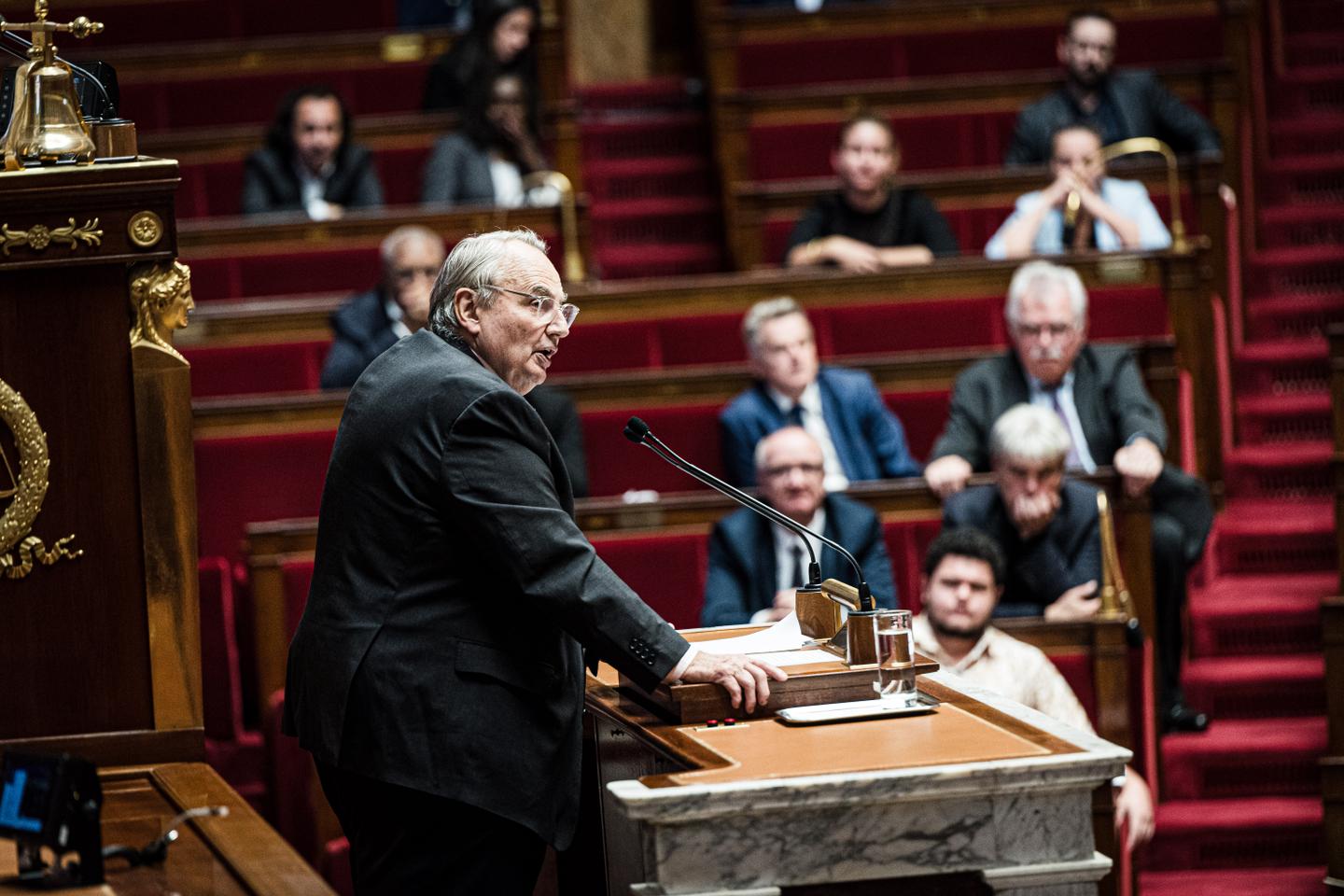
One, the economist Jean Pisani-Ferry, defines himself as a social democrat; the other, Jean-Louis Bourlanges, a former member of both the European Parliament and the Assemblée Nationale, as a Christian democrat. Aged 74 and 79 respectively, both belong to the generation that saw the end of the Cold War as a unique opportunity for Europe and for democracy. Both, as intellectuals, consistently worked to seize that opportunity.
By chance, two ministers from an soon-to-collapse government presented them with the insignia of Officer of the Légion d'Honneur in Paris, 24 hours apart: Eric Lombard, minister of economy and finance, decorated Pisani-Ferry on September 4; and Jean-Noël Barrot, minister for Europe and foreign affairs, presented the honor to Bourlanges on September 5.
Before audiences of experts, diplomats and high-ranking civil servants – and in the presence of several government members, including Prime Minister François Bayrou for Bourlanges, and Education Minister Elisabeth Borne for Pisani-Ferry – the two honorees delivered, without consulting each other but with the same unflinching clarity, a blunt judgment on the legacy of the Trente Glorieuses, the three decades of postwar growth in France, and the hopes raised by the seismic shifts of the early 1990s, whether in globalization, European integration, environmental action, multilateralism, or the role of centrism in democracy. Le Monde is publishing excerpts from their speeches.