Talk of revolution in the coffee shops of Nepal increased after protest movements across south Asia
A
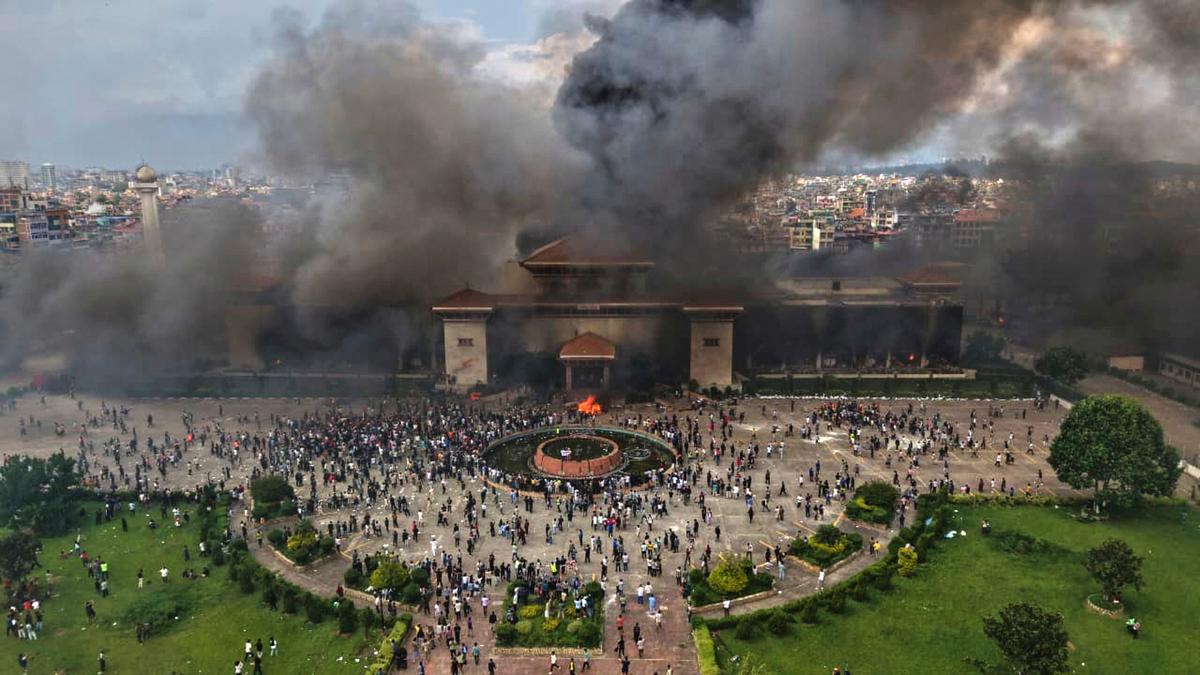
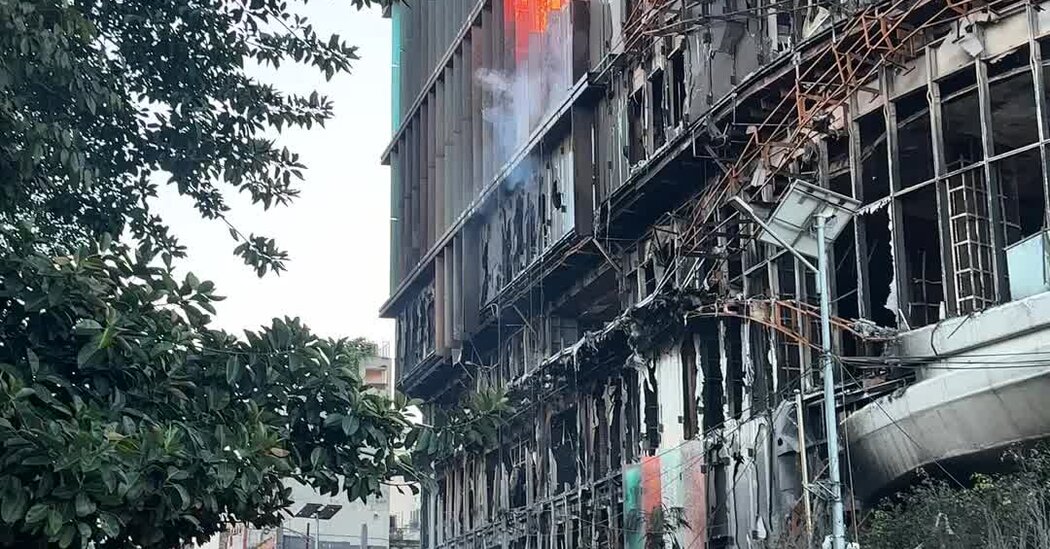
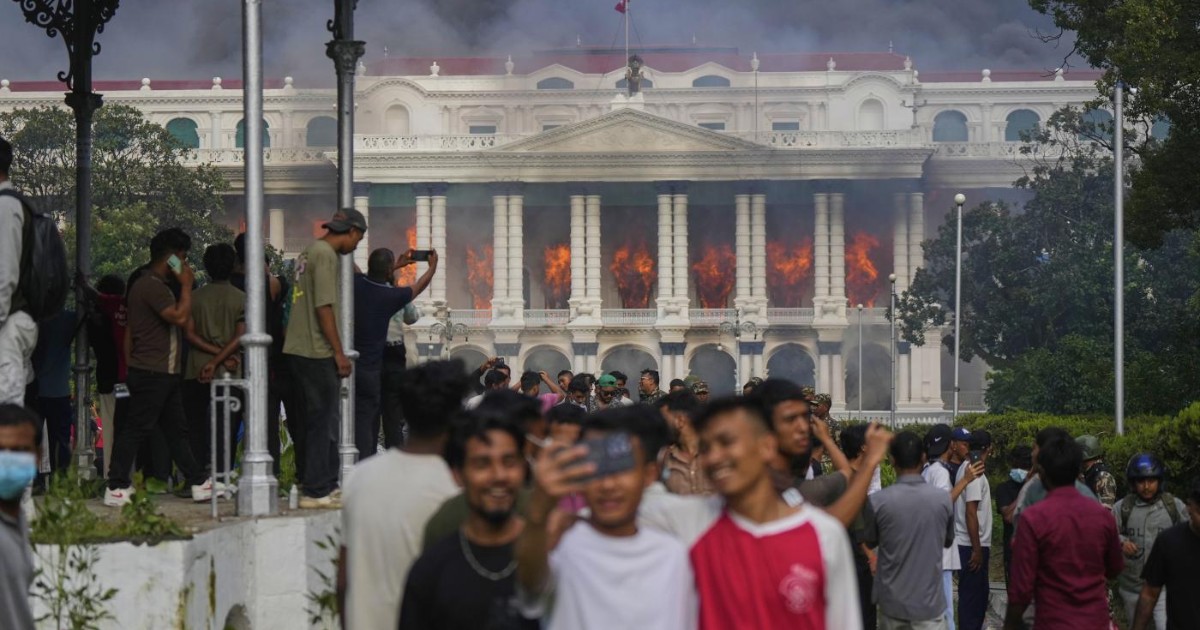
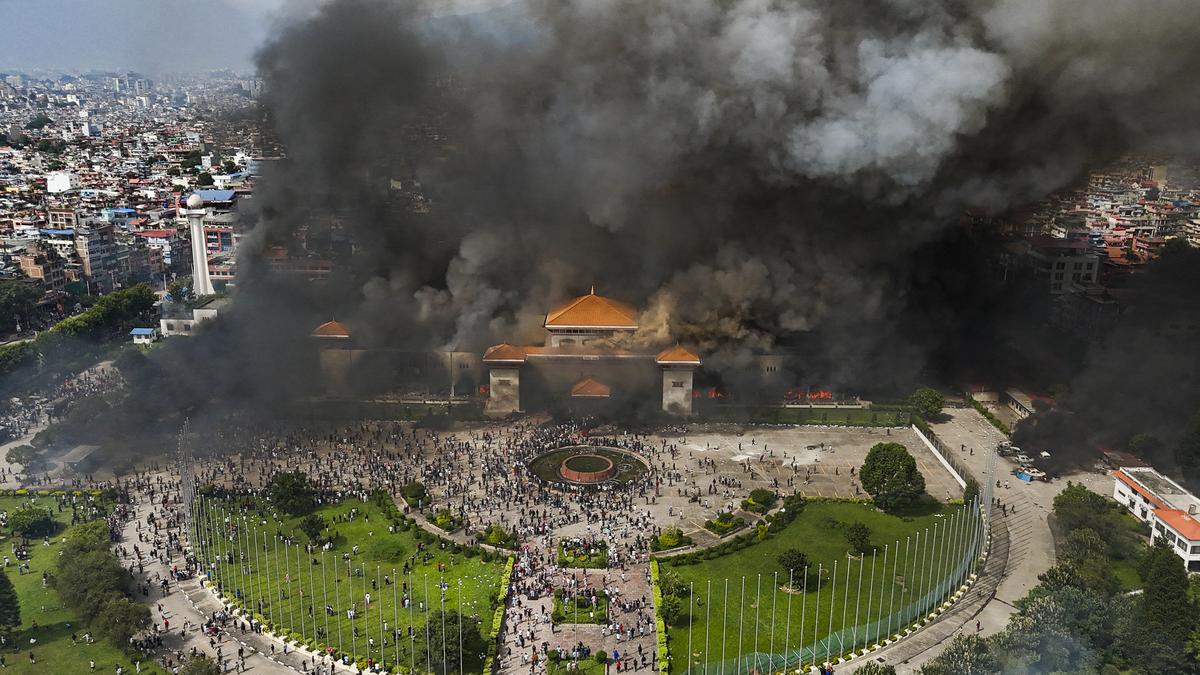
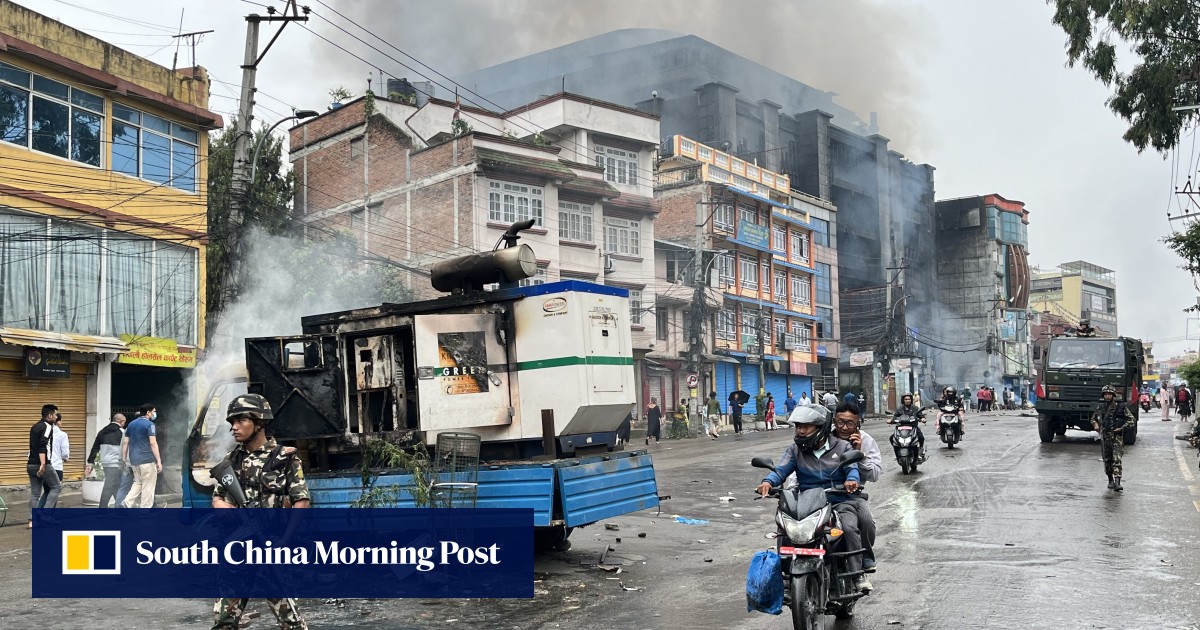
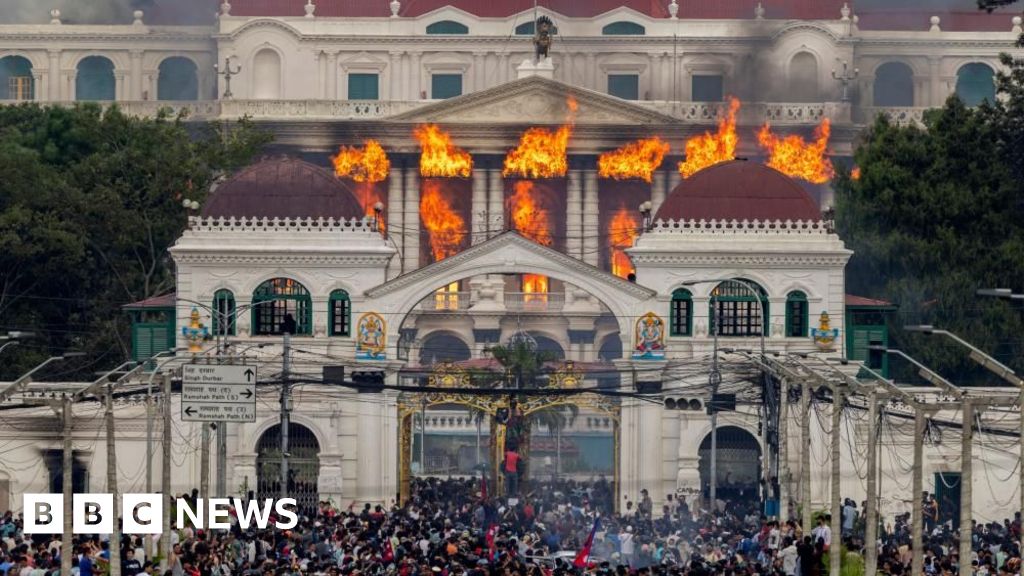
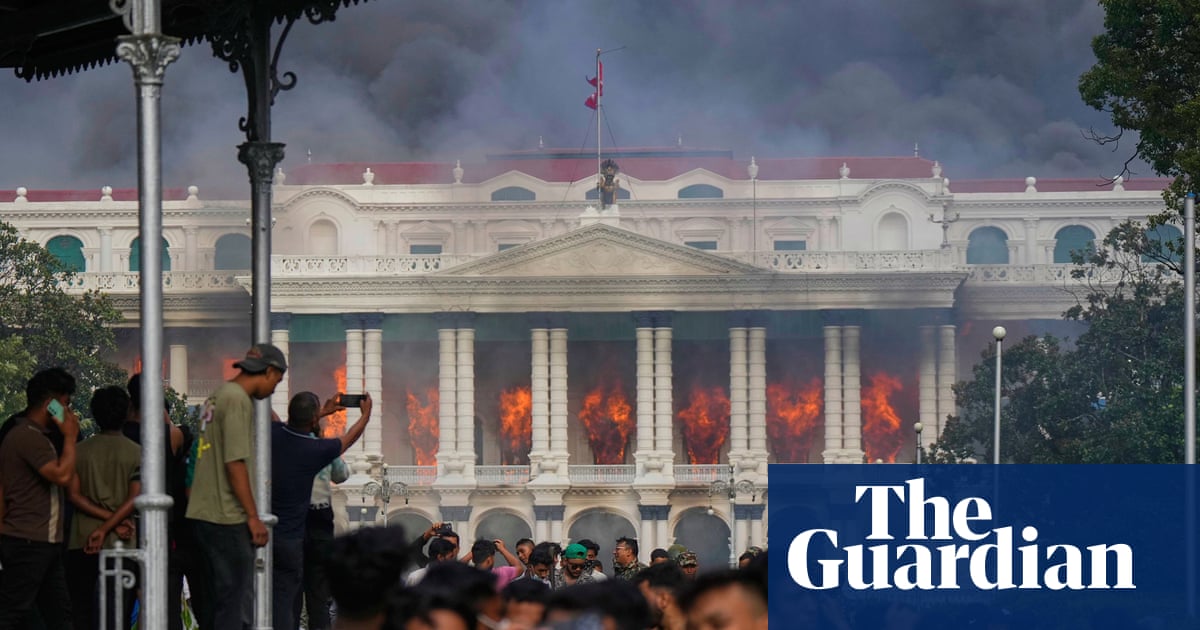
cross Kathmandu, the acrid stench of smoke still lingers. Singha Durbar, the opulent palace that housed Nepal’s parliament, stands charred and empty, its grand white columns turned a sooty black. The home of former prime minister KP Sharma Oli – who just last week seemed to have an unshakable grip on power – is among those reduced to ruins, while Oli remains in hiding, his location still unknown.
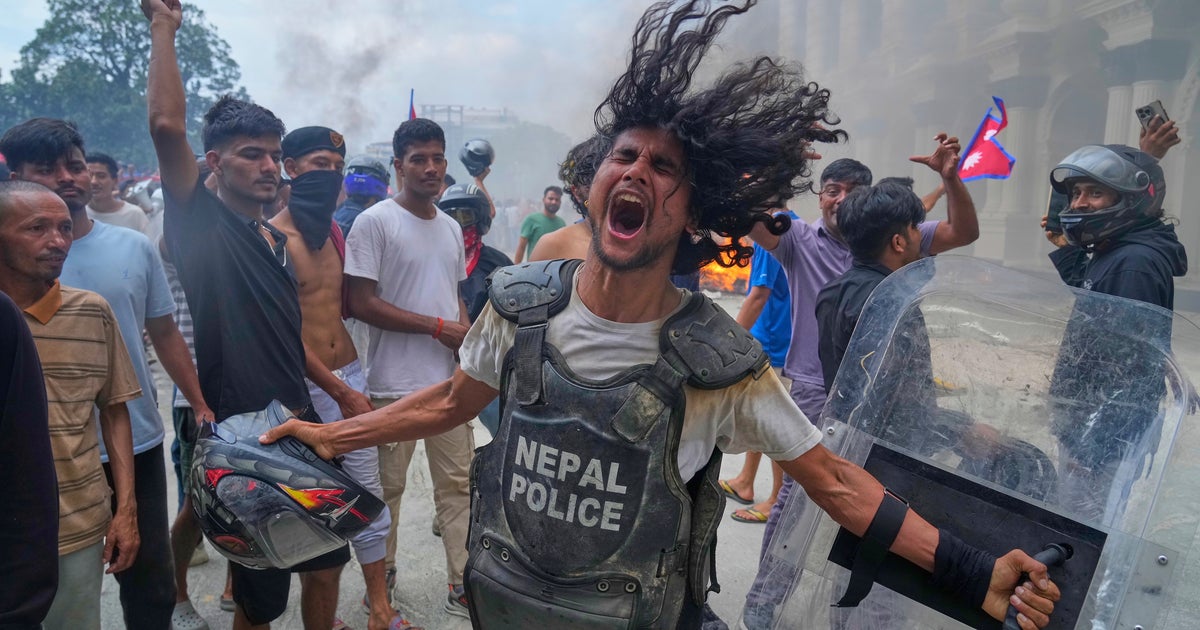
They stand as symbolic monuments to the week that Nepal’s political system was brought crashing down at the hands of a leaderless, organic movement led by young people who called themselves the Gen Zs, referring to those aged between 13 and 28.
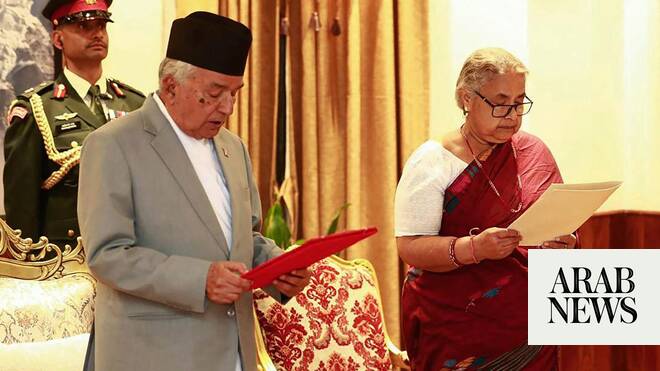
By Friday evening, in an extraordinary turn of events for the small Himalayan nation, the country’s old parliament was dissolved, the former PM remained hidden under army protection, and Nepal’s first female prime minister, the former chief justice and anti-corruption crusader Sushila Karki, was sworn into office.