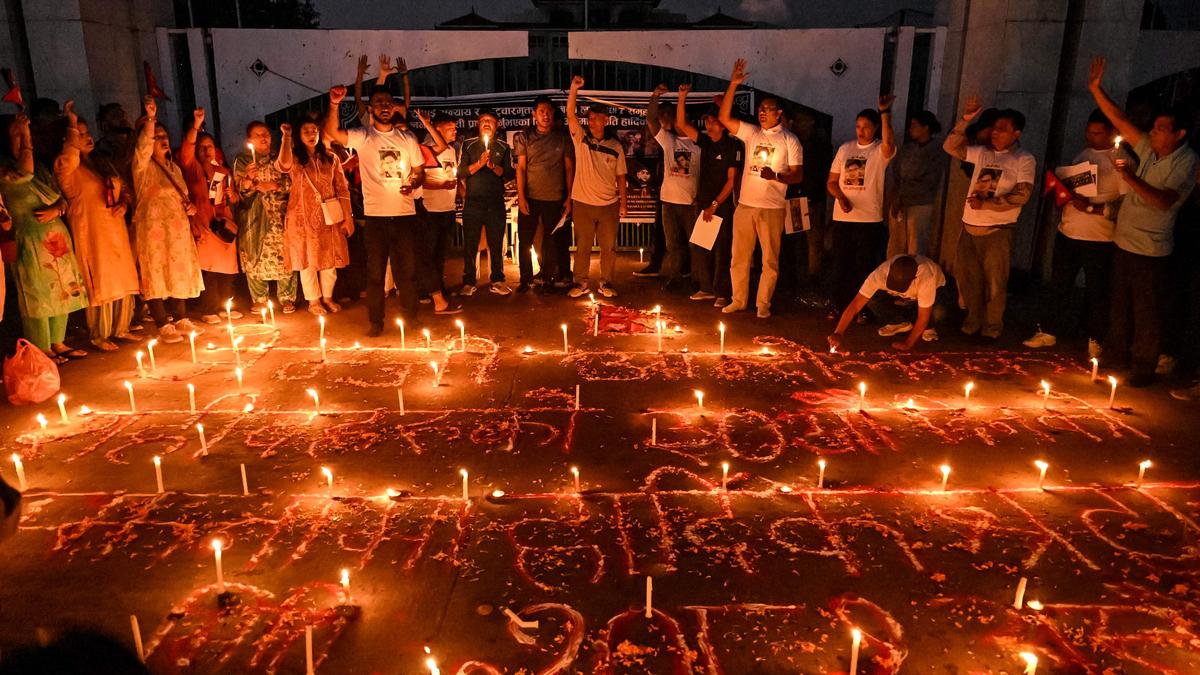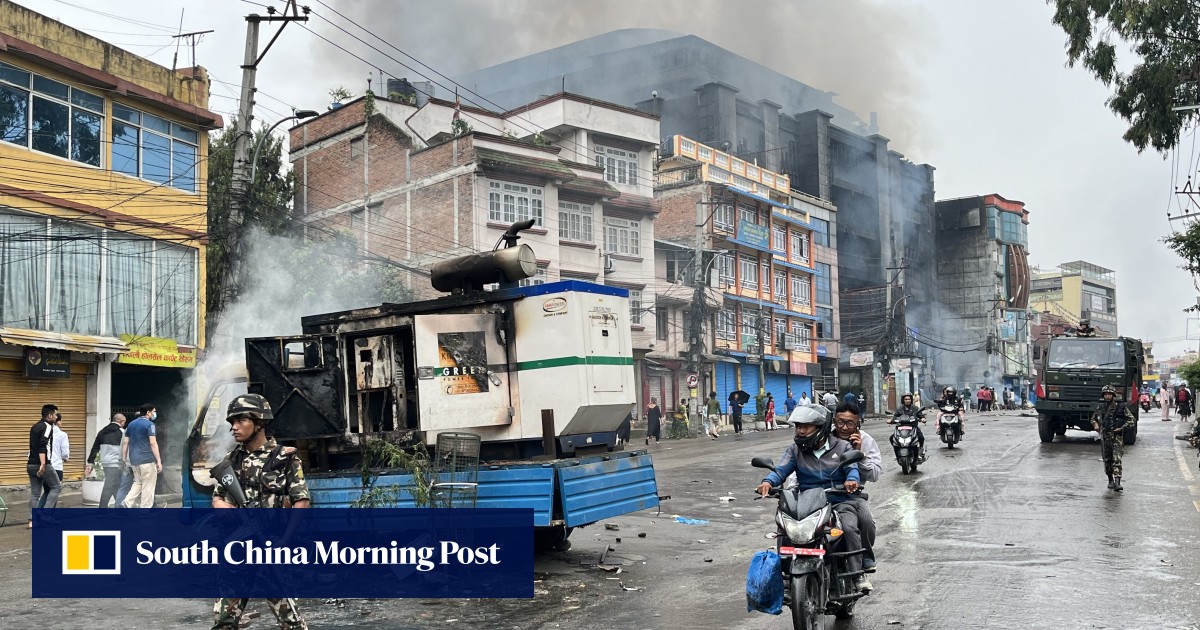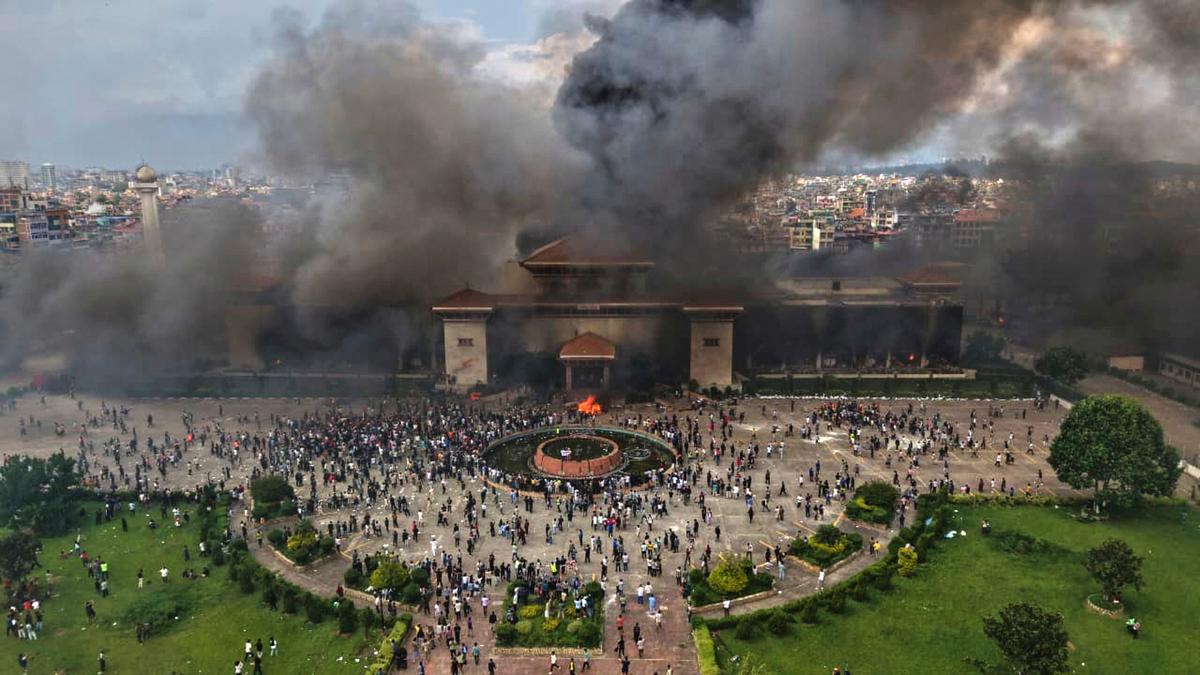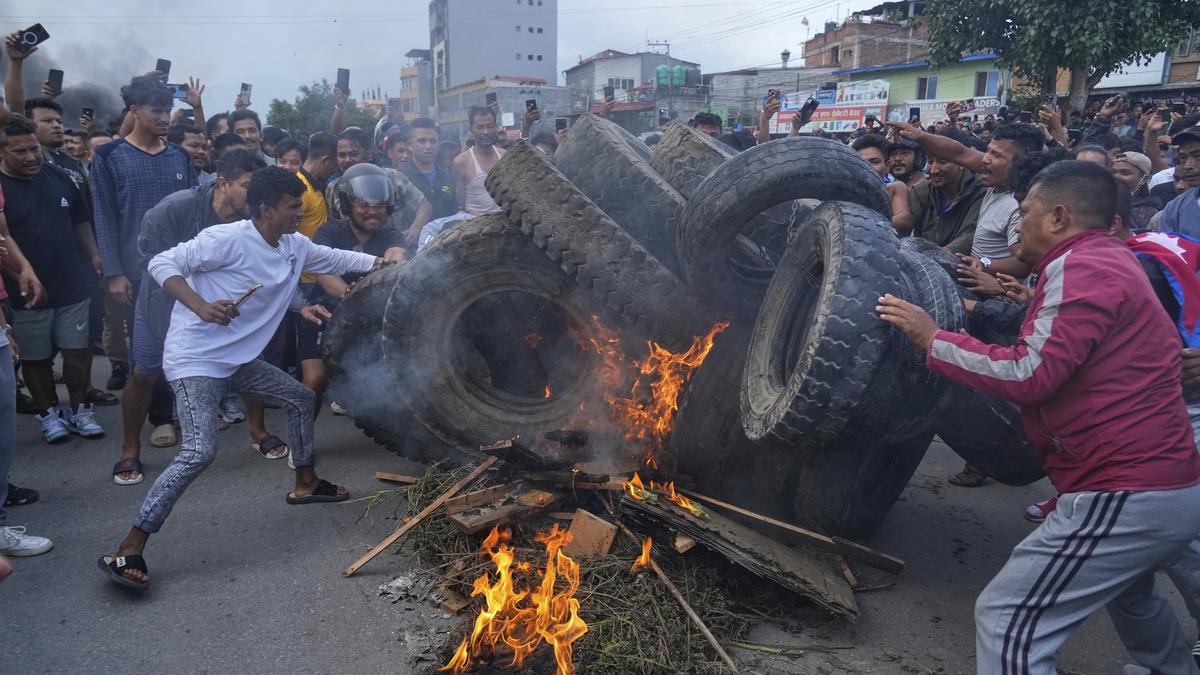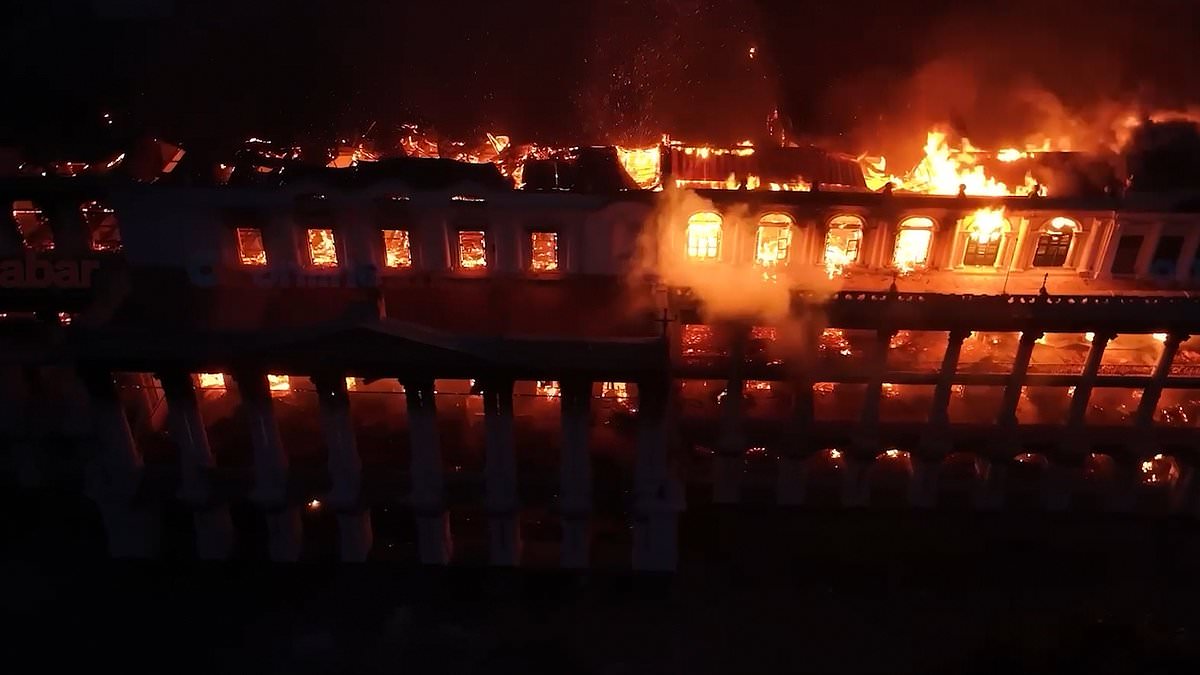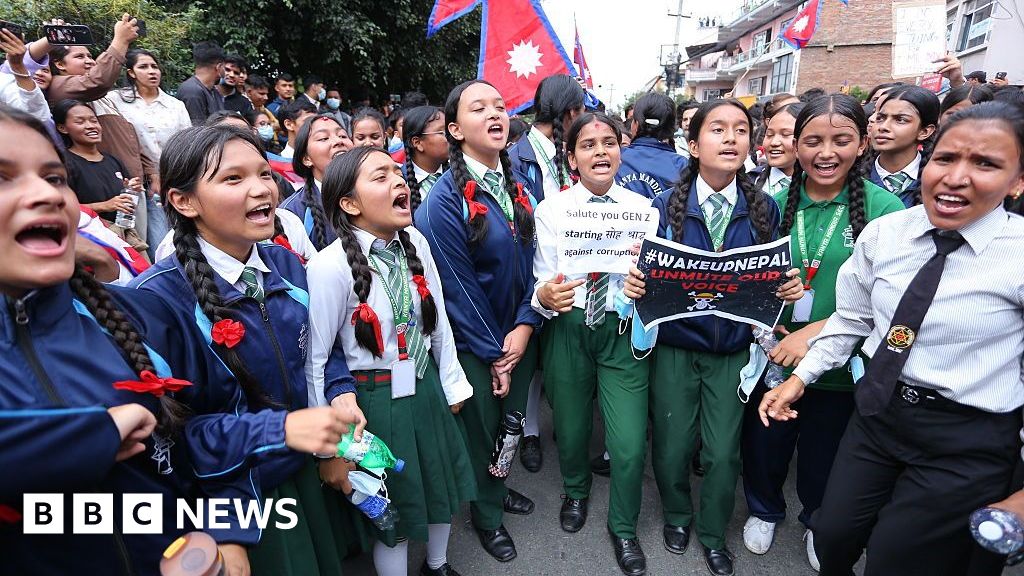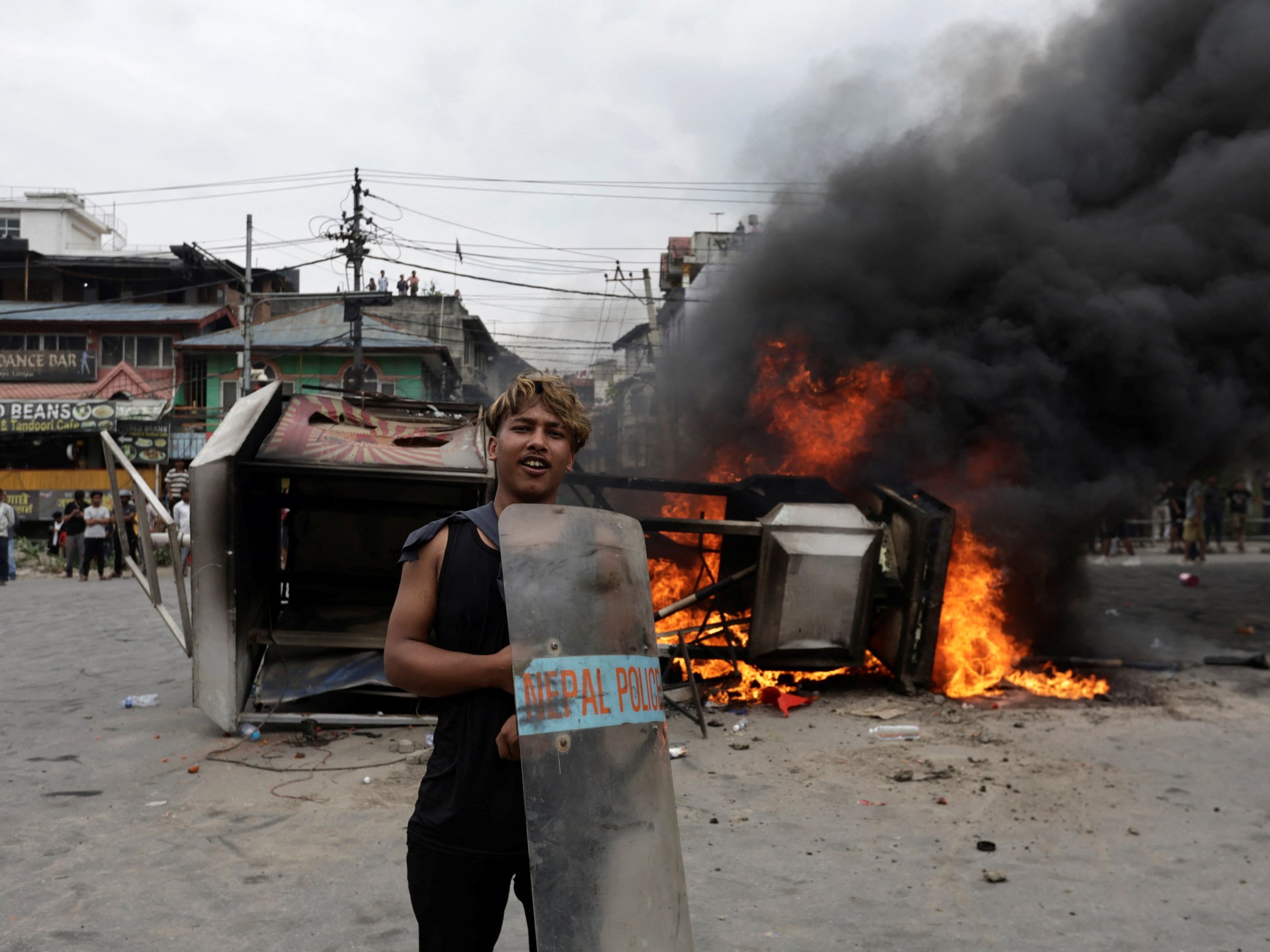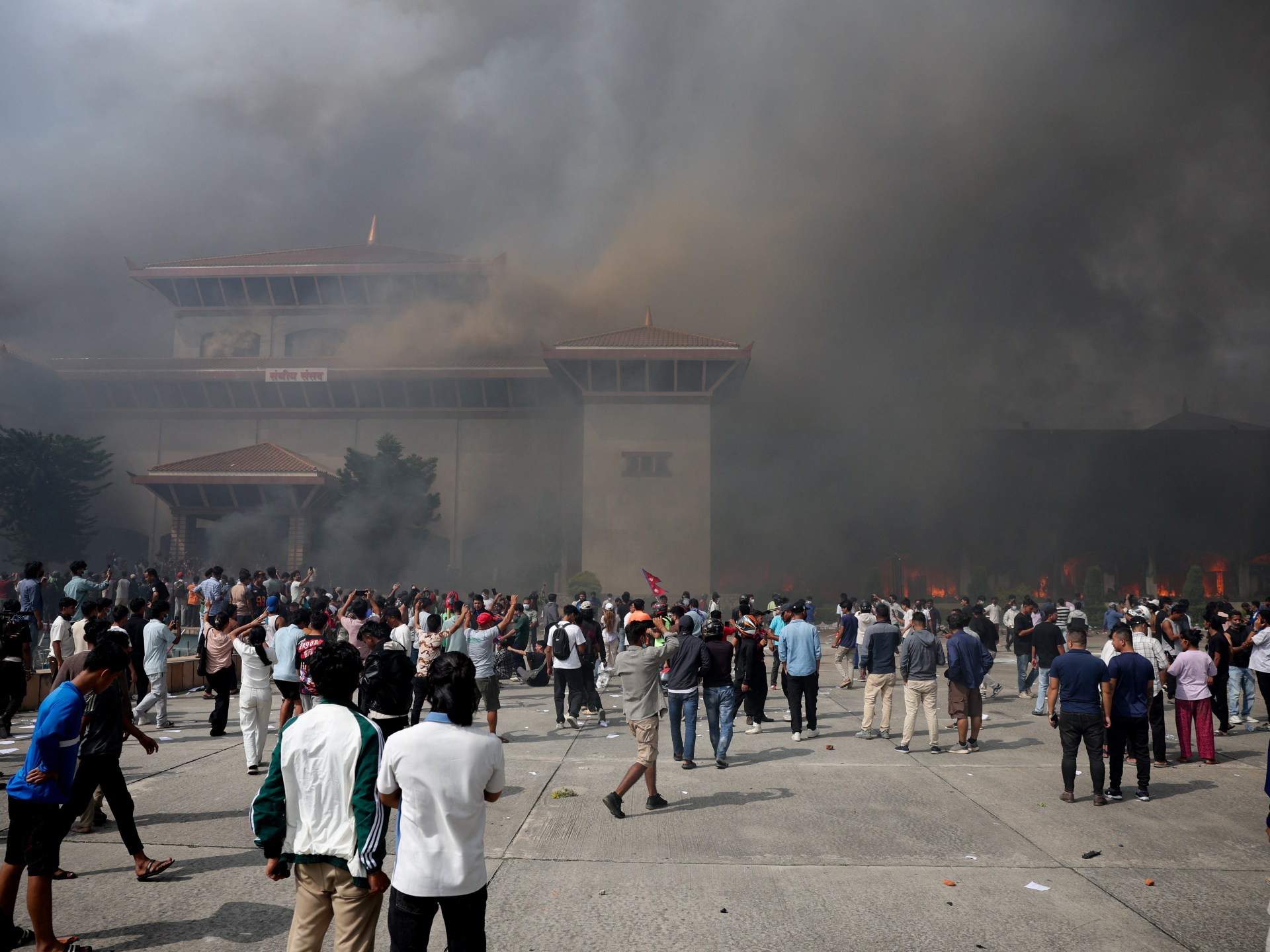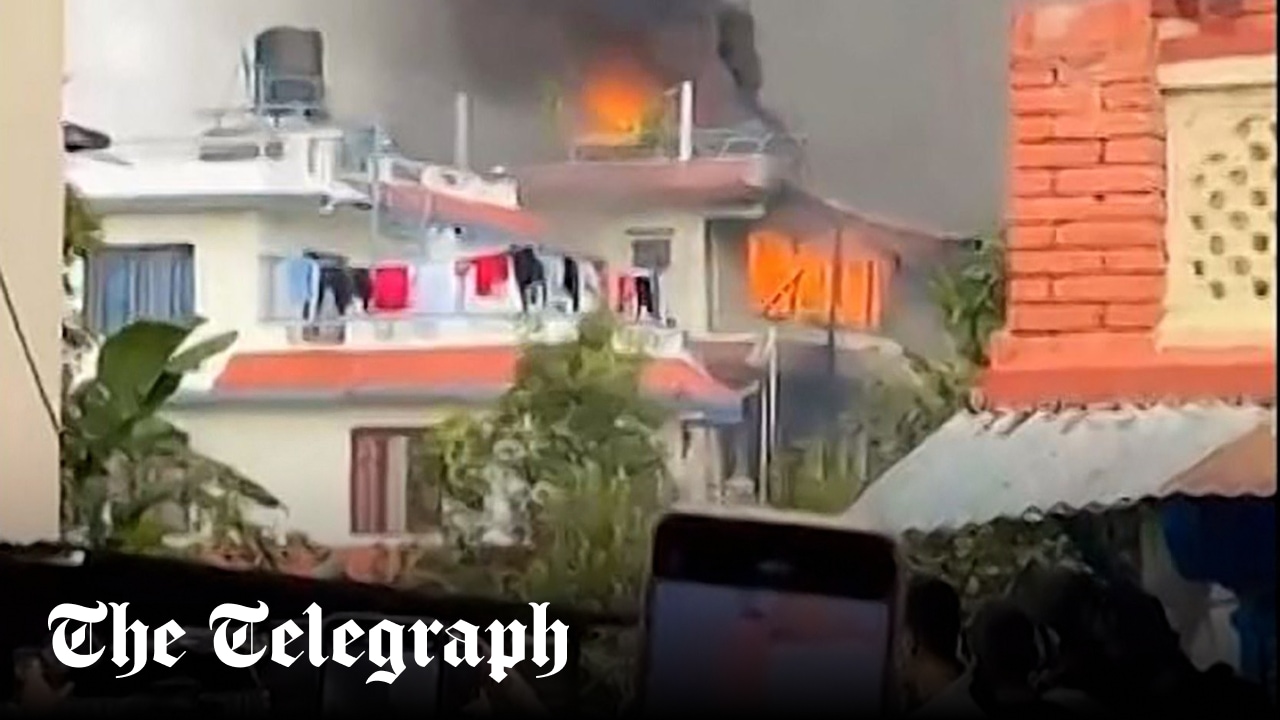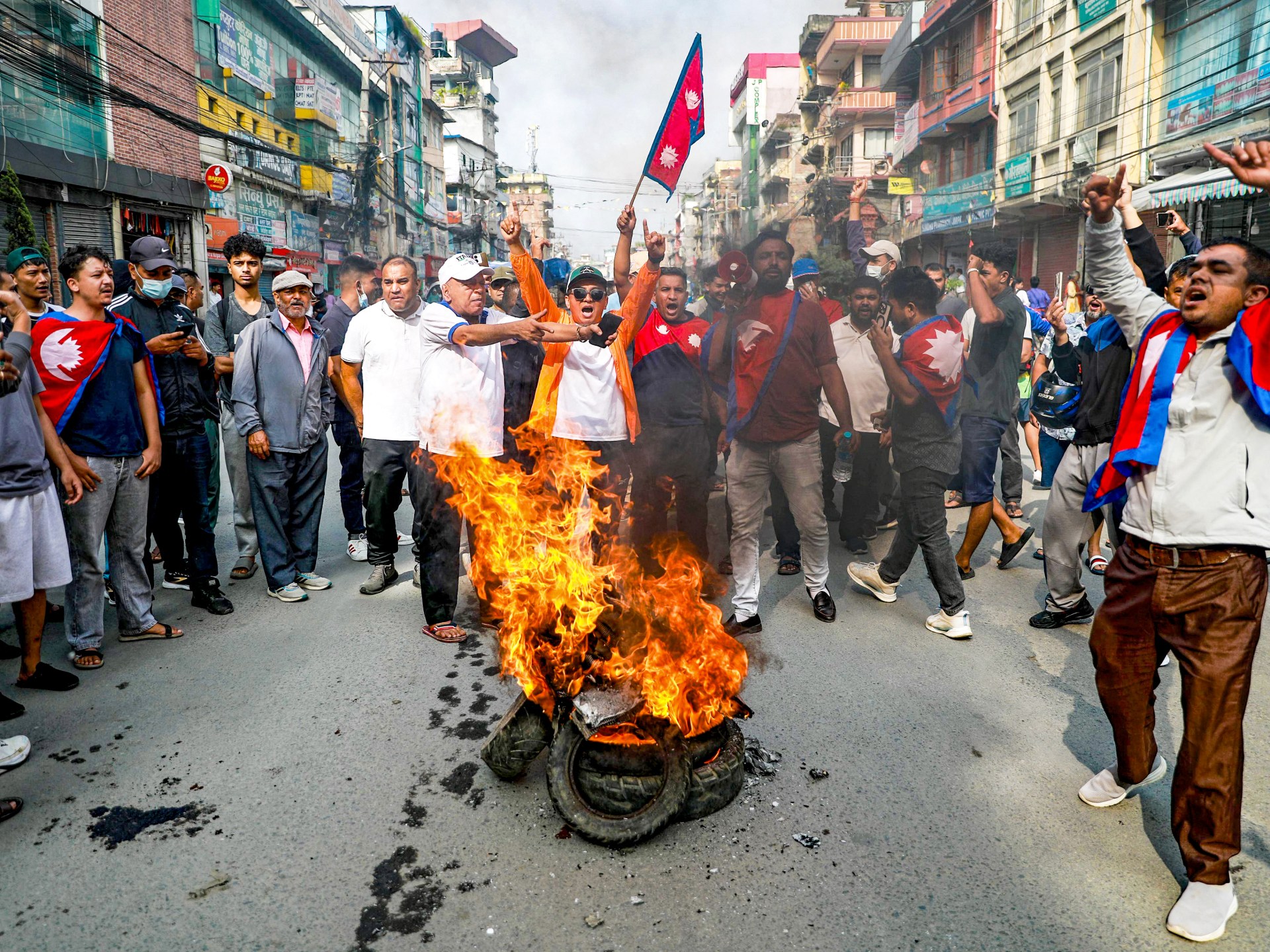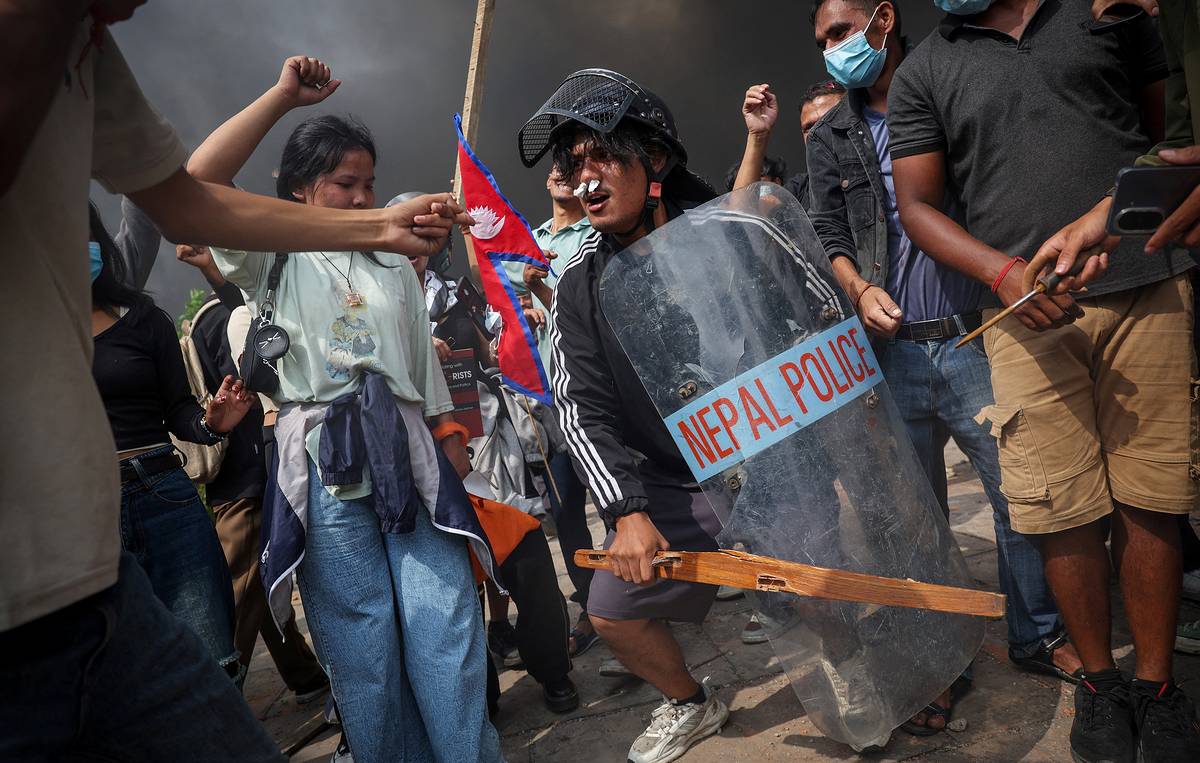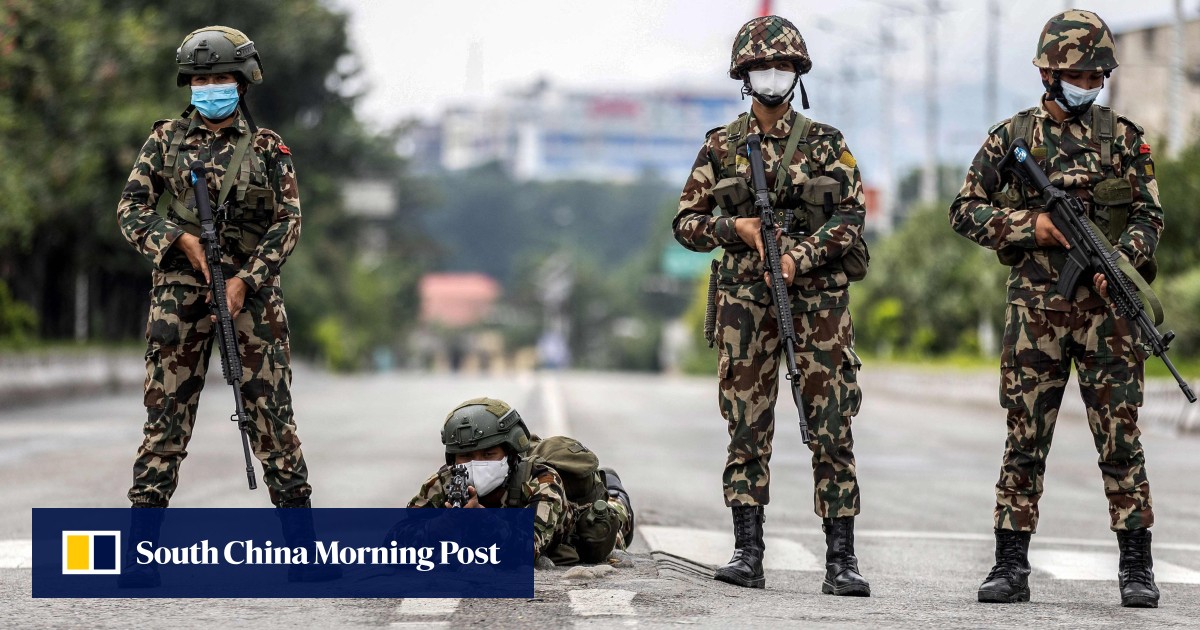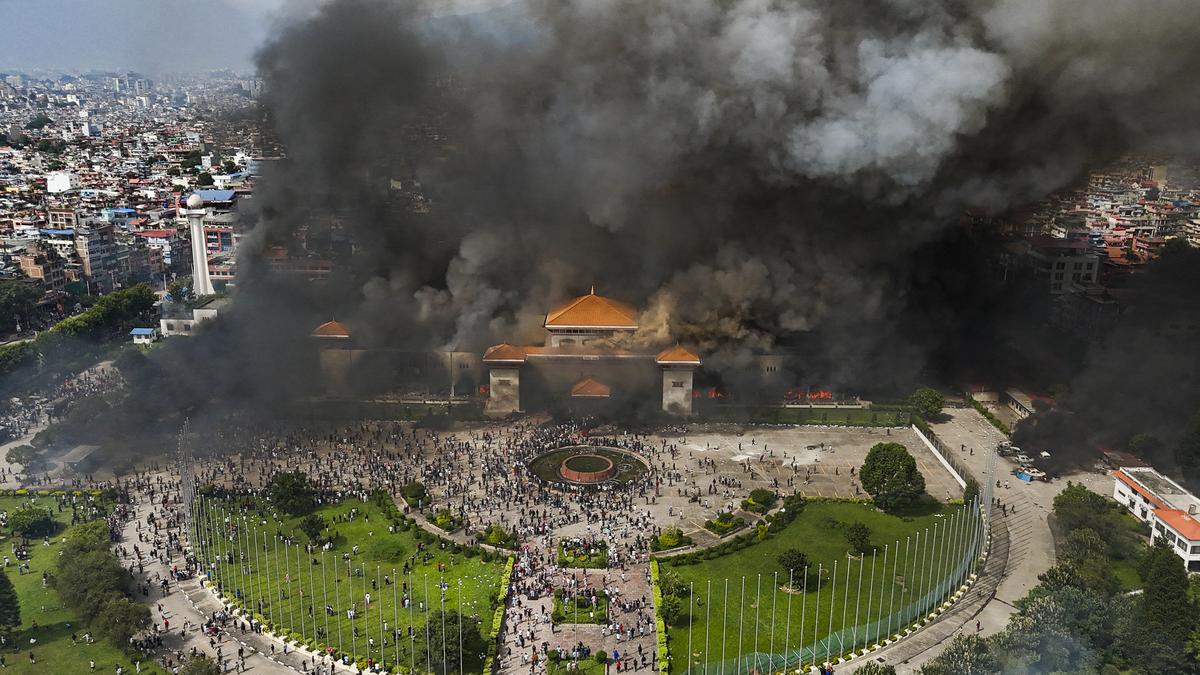
The flames that consumed Kathmandu’s government buildings on September 9 illuminated more than just the immediate crisis in Nepal. As protesters set fire to Parliament, ministerial residences, and media offices despite Prime Minister K.P. Sharma Oli’s resignation, the violence revealed the deep structural failures of Nepal’s democratic experiment and has raised troubling questions about the country’s political future.
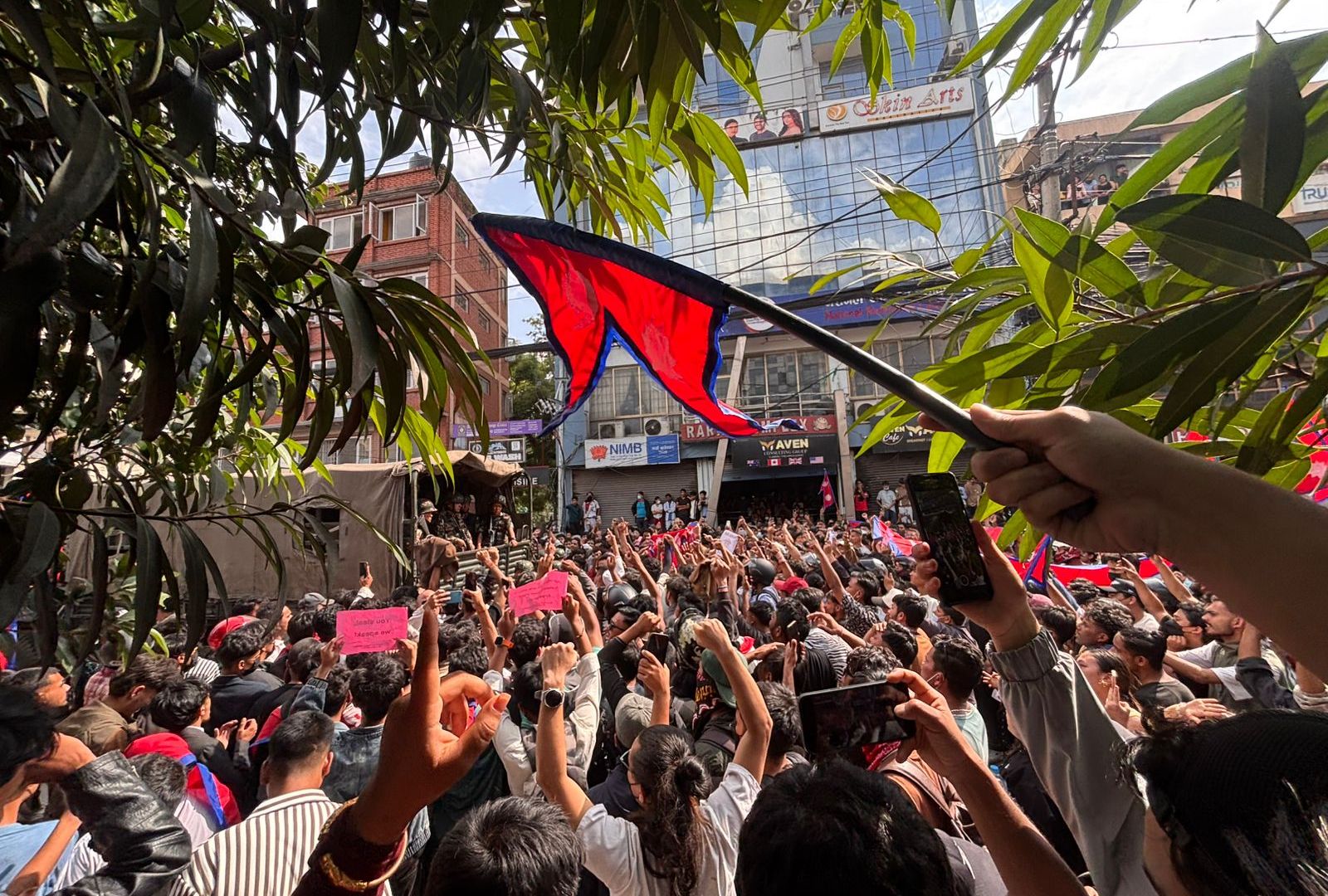
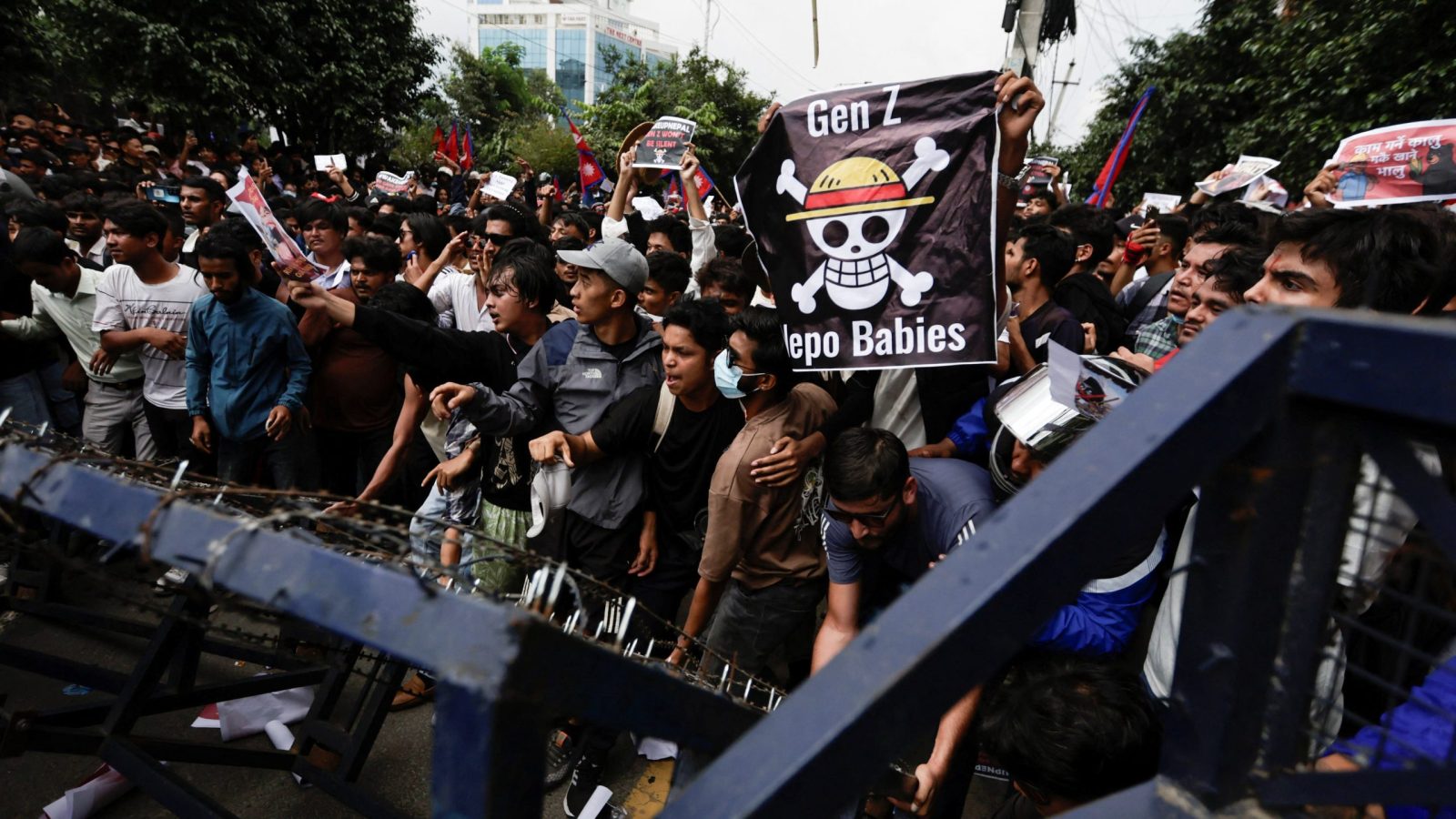
What began as protests against the Oli government’s social media ban snowballed into a broader indictment of Nepal’s political establishment. The initial trigger — restrictions on digital platforms — resonated particularly with young Nepalis who had grown increasingly frustrated with rampant corruption, nepotism and the lavish lifestyles of political elites’ children while the country remained mired in underdevelopment and political dysfunction.