World Cup
This is the tenth in a series by The Athletic looking back at the winners of each men’s World Cup.
Previously, we’ve looked at Uruguay in 1930, Italy in 1934 and again in 1938, Uruguay in 1950, West Germany in 1954, before a Brazilian double in 1958 and 1962, an England success in 1966, and another Brazil win in 1970. This time, we’re off to West Germany.
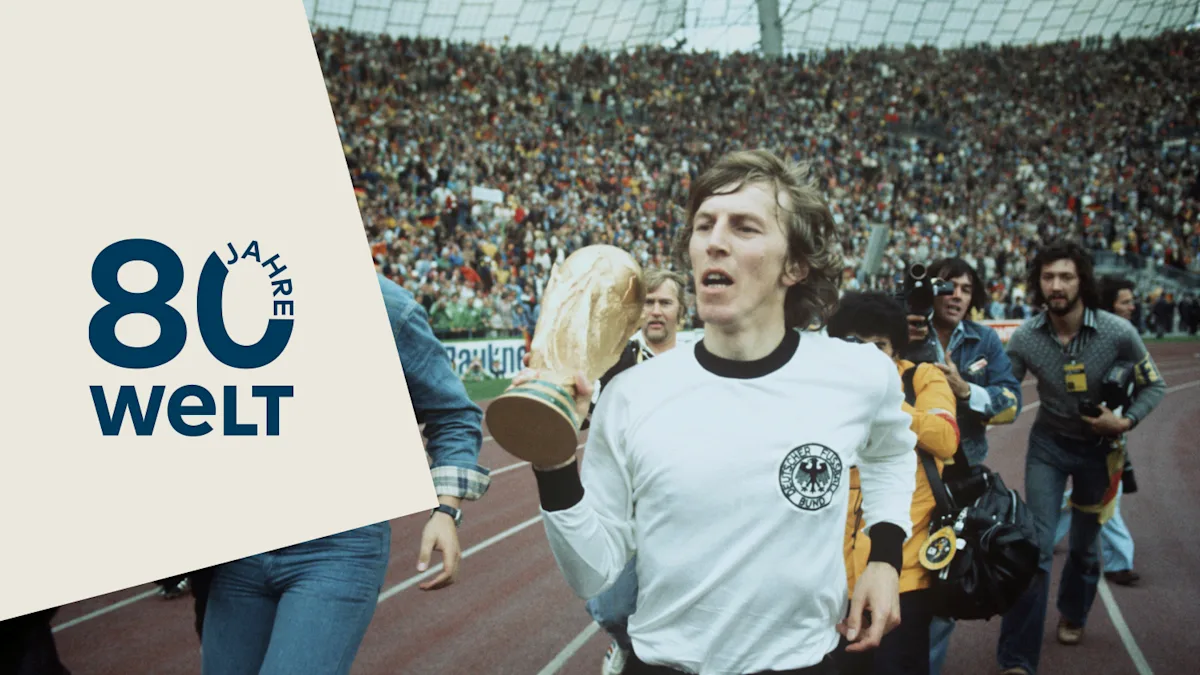
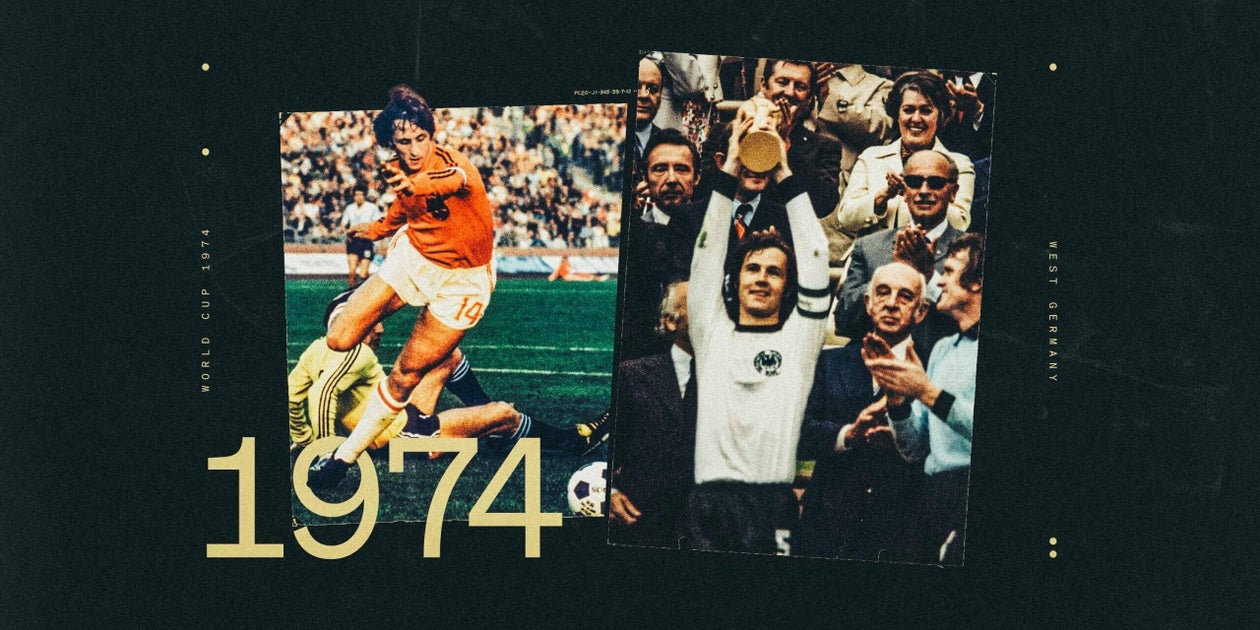
In a tournament compromised by wet weather and therefore boggy pitches, hosts West Germany were not overwhelmingly popular winners. Their 1972 European Championship-winning side had played open, expansive football, but that approach gave way to a more cautious, less spectacular approach here.
A key difference was the decline of star midfielder Gunter Netzer, who had controversially left Borussia Monchengladbach for Real Madrid a year earlier, but endured a disastrous first season in La Liga, failing to score a single goal. “They have the players and they will have the crowd support, but they also have the enigma of Netzer, their brilliant midfielder,” reed The New York Times’ Alex Yannis in his tournament preview. “If Netzer plays as well as in 1972, the West German team, with players like Wolfgang Overath, Gerd Muller and Franz Beckenbauer will undoubtedly go far.”