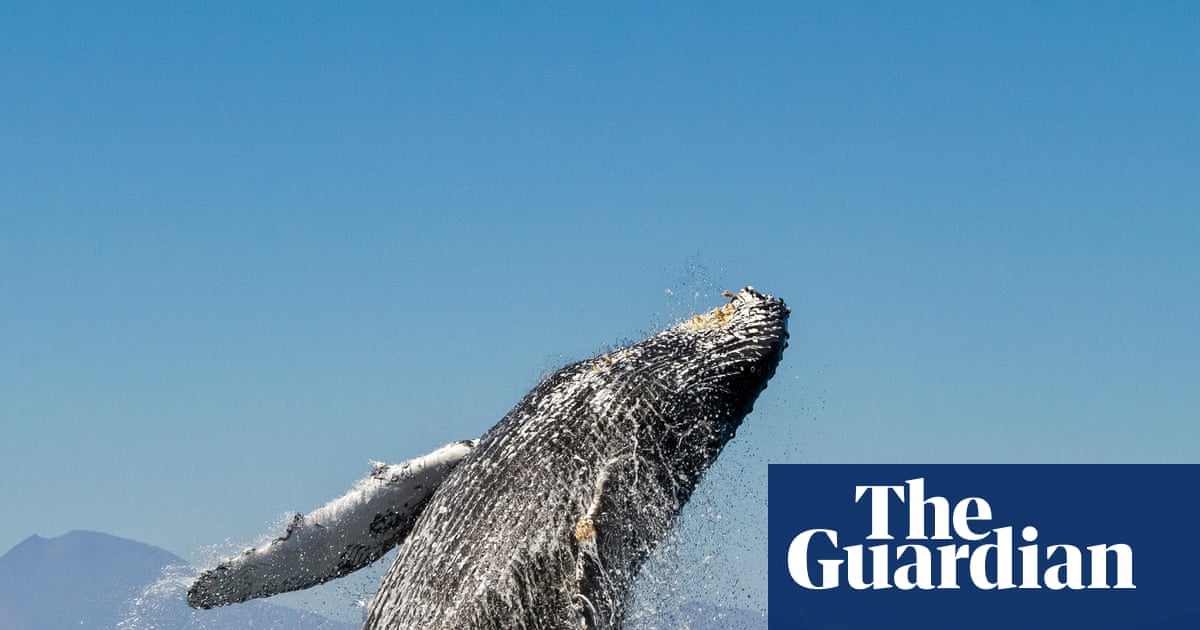
Some days it can feel as if climate catastrophe is inevitable. But history is full of cases – such as the banning of whaling and CFCs – that show humanity can come together to avert disaster
O
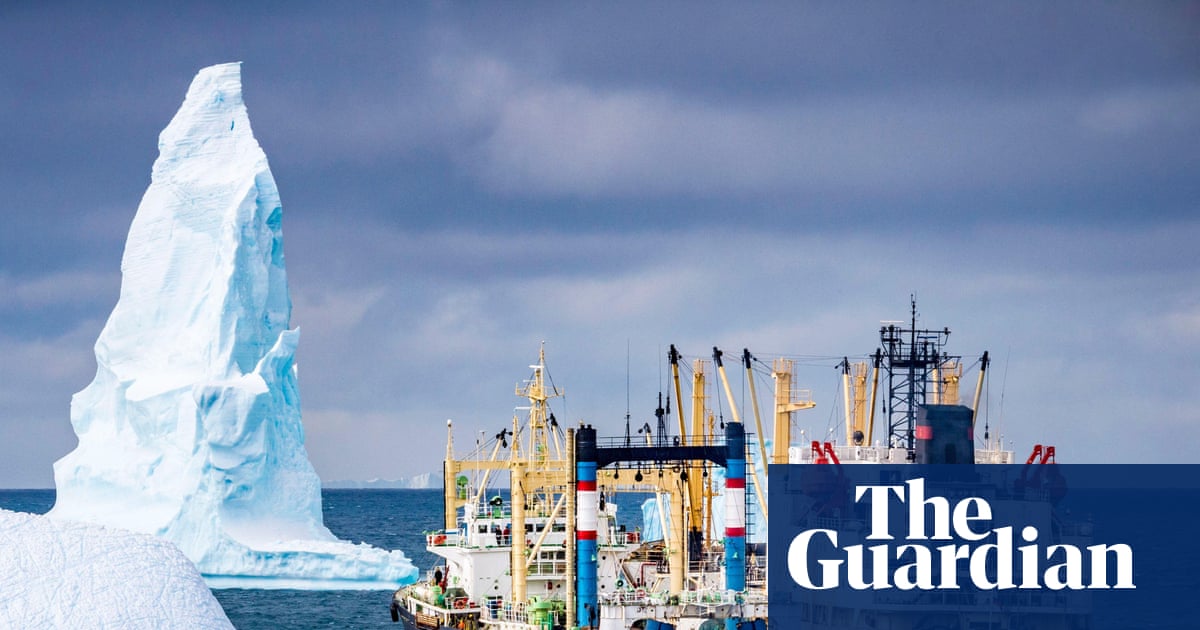
nce upon a time, the world was powered by whale. Oil made from whale blubber burns cleanly and well, though it smells strongly of fish. It was, for a while, the perfect fuel. To meet the growing demand, whales were hunted almost to extinction.
And then we discovered that oil could come from the ground. Lamps once lit by rendered blubber were swiftly changed over to run on what Americans call kerosene and the British call paraffin. Later, those lamps were changed to run on electricity, and instead of burning oil in the lamps themselves, we began to burn it in power plants miles away.
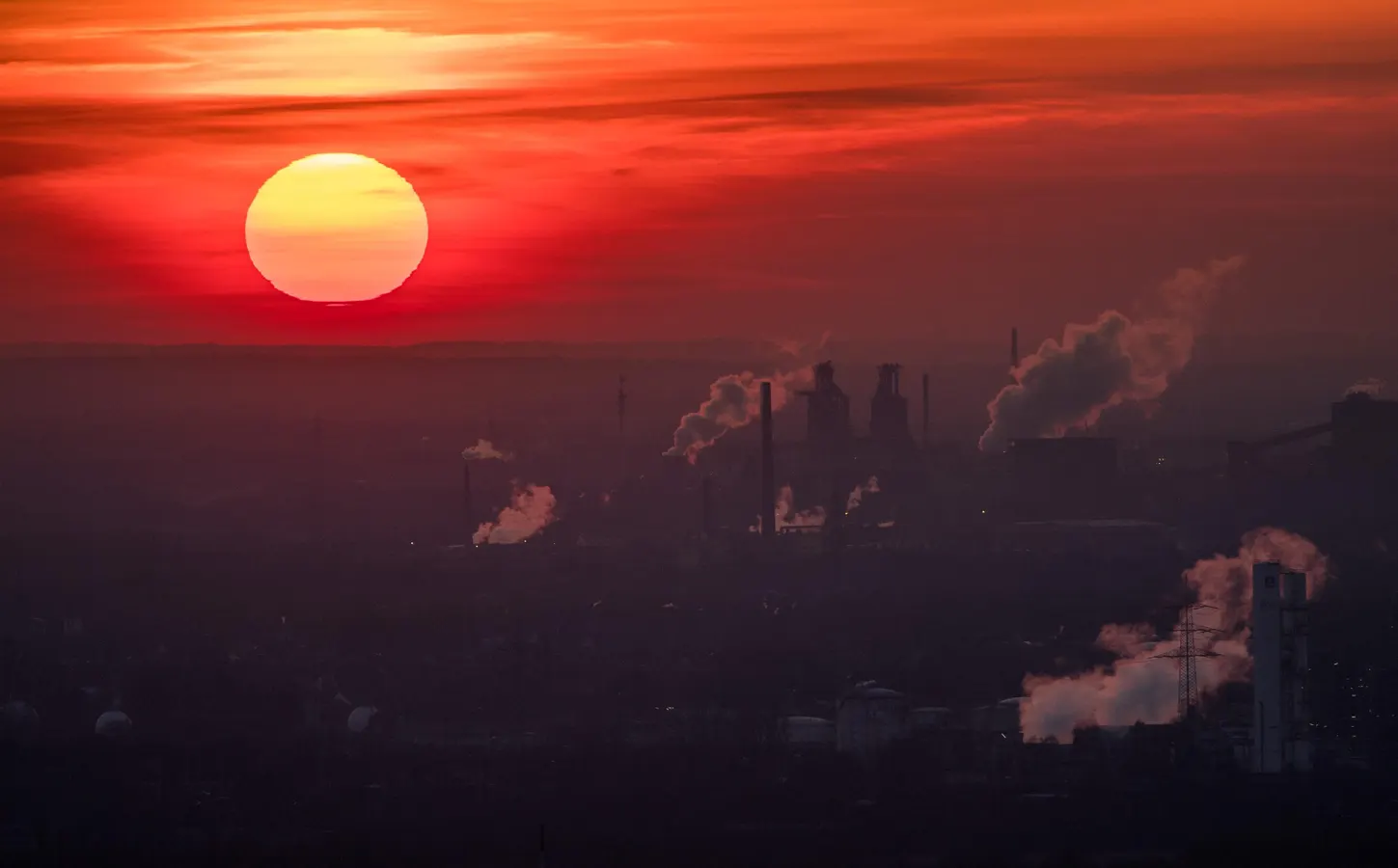
This is where we find ourselves today. When a fossil fuel is combusted, it releases energy, which boils water, which turns to steam, which drives a turbine, which generates electricity. This is an almost comically inefficient process, requiring immense amounts of material: more than 8bn tons of coal and 4tn cubic metres of fossil gas every year. And given the basic chemistry of combustion, it’s unavoidable that burning all this stuff leads to an immense buildup of carbon dioxide in the atmosphere. Worse, fossil gas itself is made of methane – shorter lived in the atmosphere than carbon dioxide, but more than 80 times more potent while it lasts. Around a quarter of annual greenhouse gas emissions come from using fossil fuels to generate electricity.