Voluntary climate commitments were supposed to be a step towards progress. A change in political climate has revealed their weaknesses
E
arlier this month, as Nordic countries were hit with an unprecedented heatwave and wildfires in the US began spurting “fire clouds”, Barclays pulled out of the net zero banking alliance. The story may have seemed less alarming than extreme weather, but it has existential implications, as the finance sector quietly surrenders its former climate commitments.
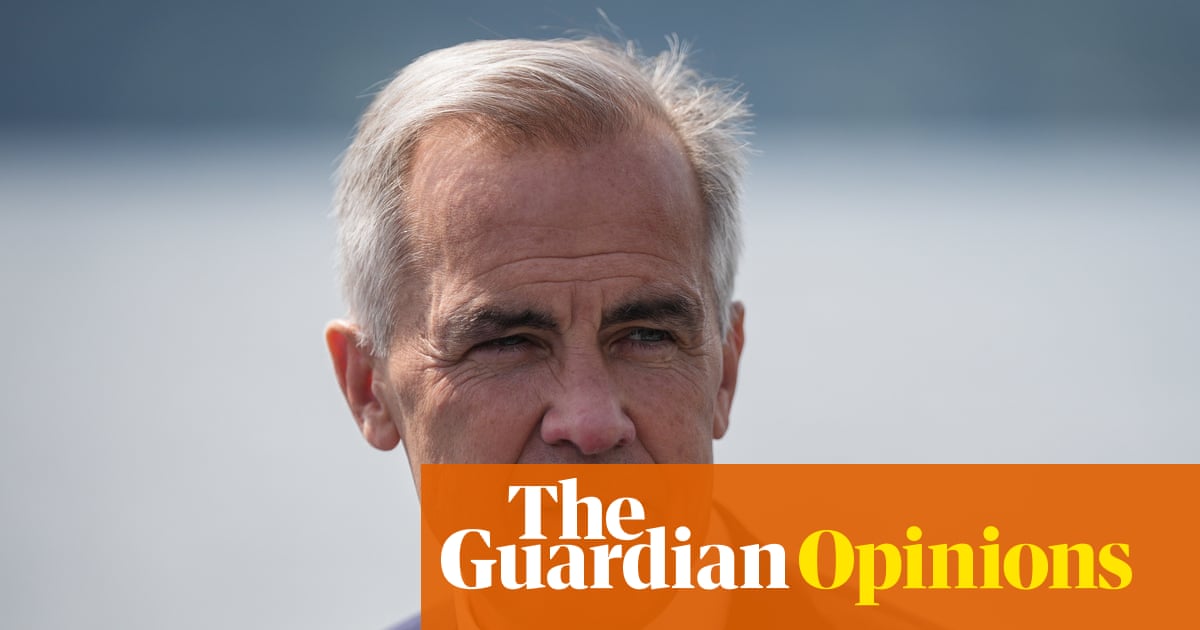
The initiative forms part of the Glasgow Finance Alliance for Net Zero (GFANZ), a voluntary network of banks that Mark Carney, formerly the UN’s special envoy on climate action and now Canada’s prime minister, launched in 2021. At the time, the alliance, which encourages banks and asset managers to work towards the goals of the Paris agreement, seemed like an optimistic step in the right direction. Mr Carney described it as a “breakthrough”.
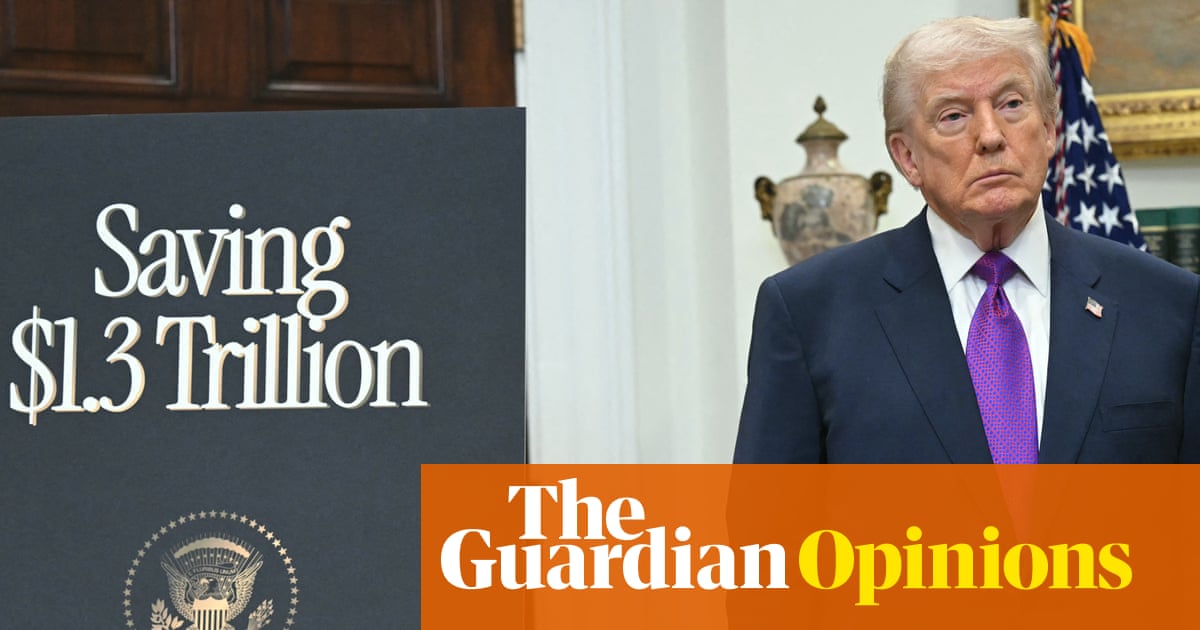
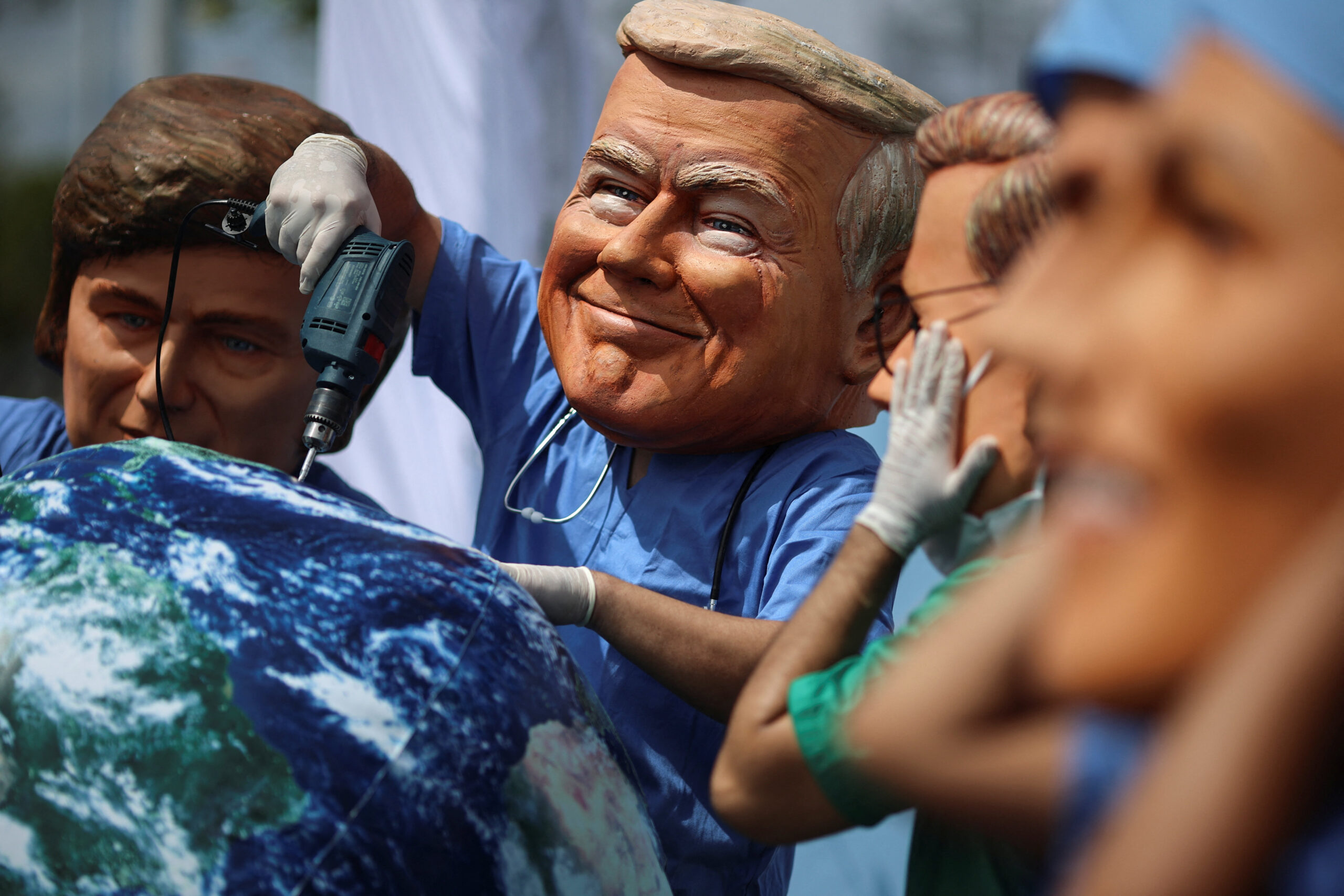
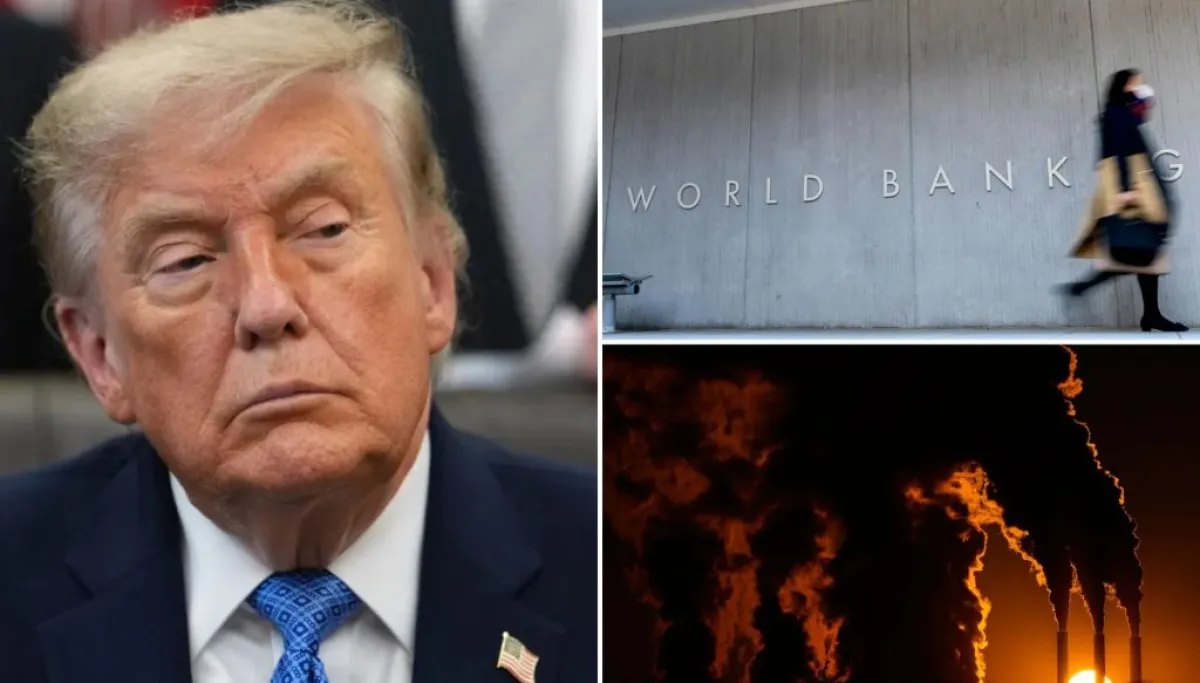
But times change. The election of Donald Trump, whose advisers have waged war on “climate fanaticism” and “woke” capitalism, has created an environment of impunity where businesses no longer need to even pay lip service to progress. Fossil fuel companies donated $19m to Mr Trump’s inauguration fund. So far, their investment has paid off. Mr Trump has withdrawn from the Paris agreement, used an “invented” energy emergency to justify the expansion of fossil fuels, opened public lands to drilling, and plans to cut funding for renewable energy.