I
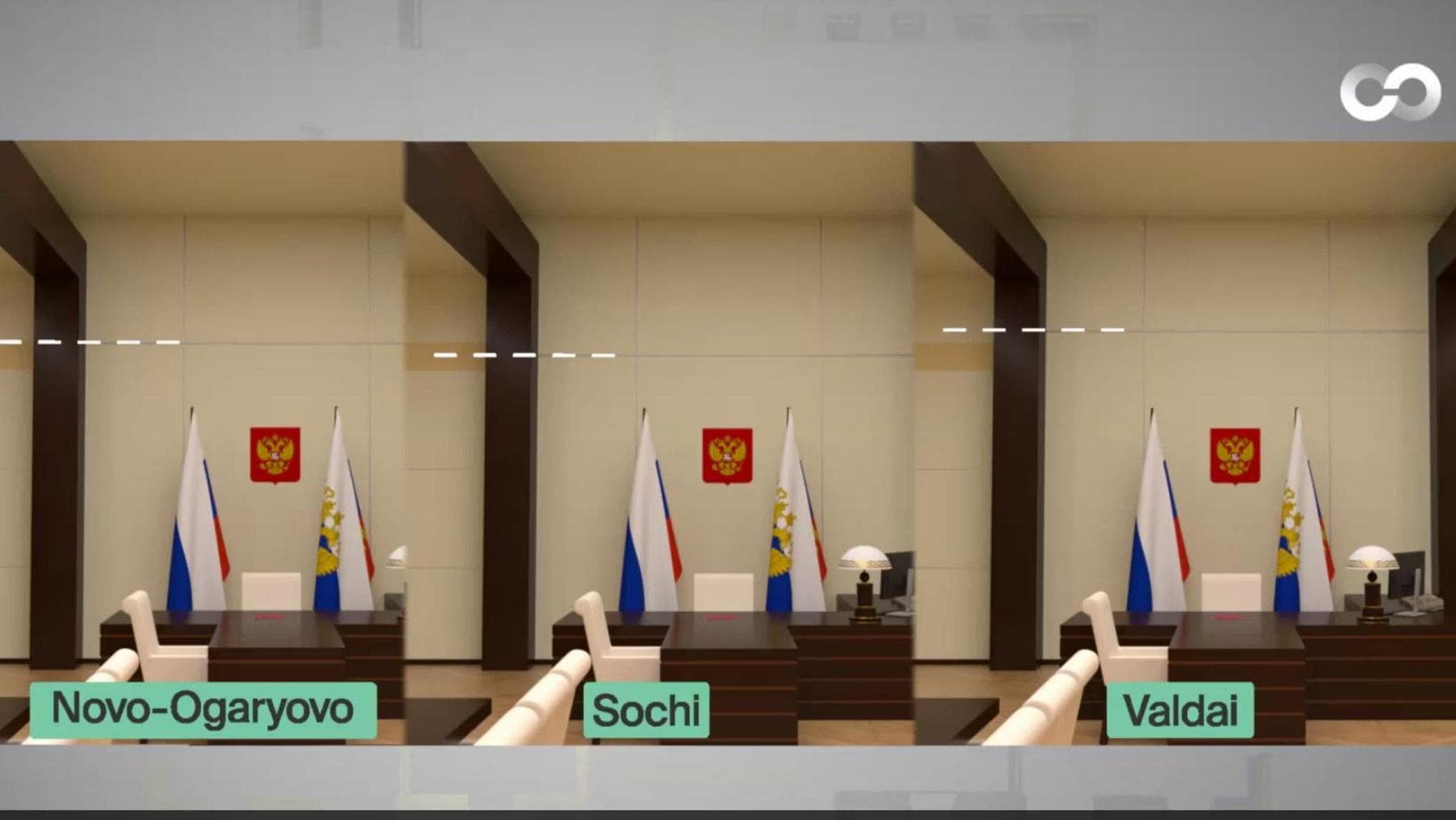
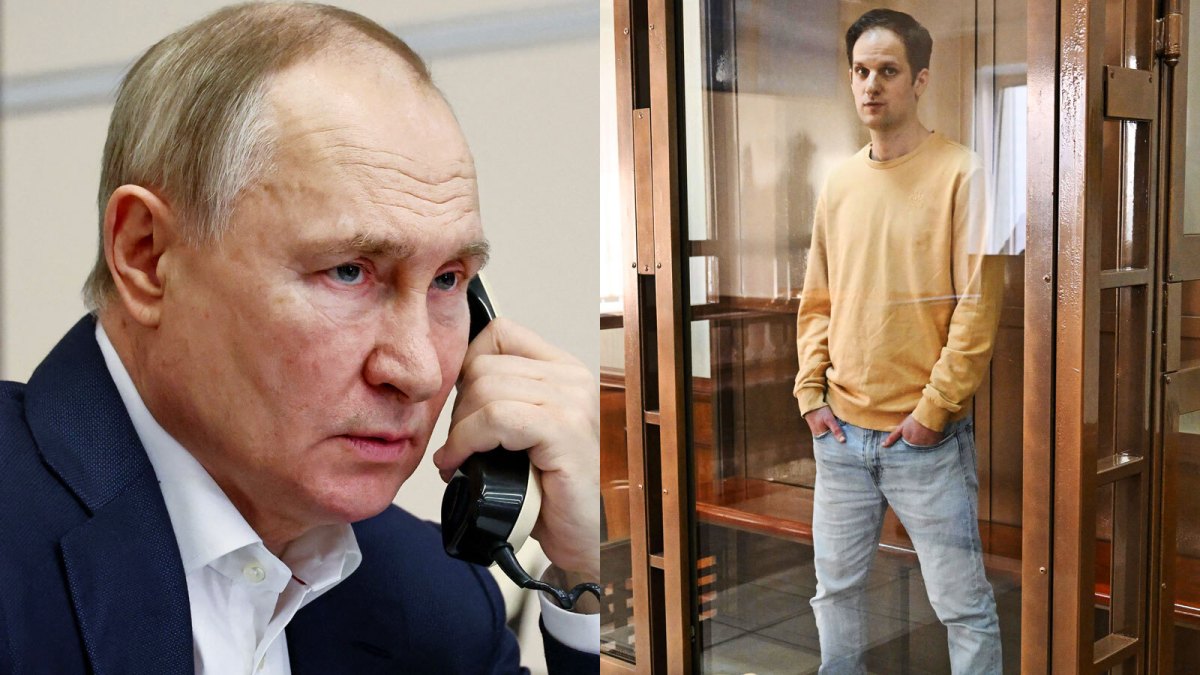
n the third week of March 2023, Vladimir Putin dialled on to a video call and approved the arrest of another American. Russia’s president was running the world’s largest country from a series of elaborately constructed, identical conference rooms. As far as the CIA could tell, there were three of them across Russia, each custom-built and furnished to the exact same specifications, down to the precise positioning of a presidential pencil holder, engraved with a double-headed eagle, on the lacquered wooden desk.
Neither the ten perfectly sharpened pencils inside nor any other detail in the windowless rooms offered a clue to Putin’s true location.
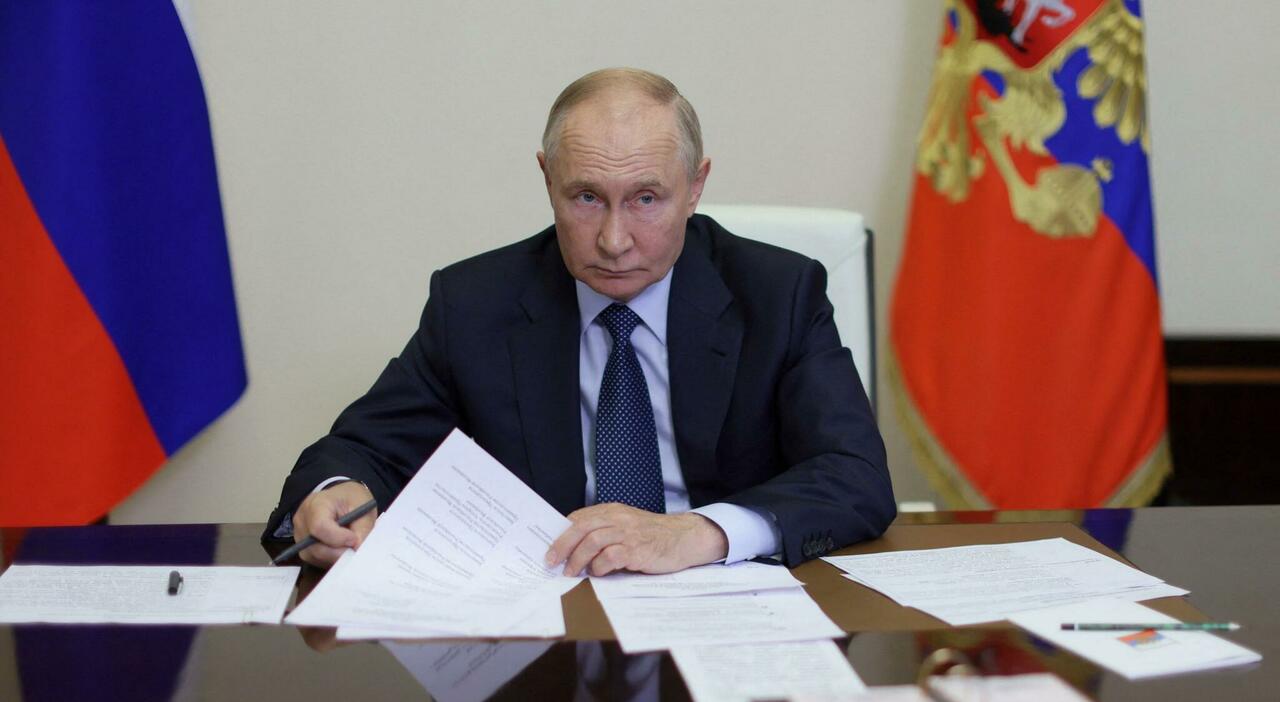
The man who had ruled Russia for nearly a quarter of a century refused to use a mobile phone and rarely used the internet. Instead, he conducted meetings through the glow of a flatscreen monitor, perched on a stand rolled in on wheels. The grim-faced officials flickering onto the screen, many of whom had spent decades in his close company, often were not aware which of the country’s 11 time zones their commander-in-chief was calling from. Putin’s staff sometimes announced he was leaving one city for another, then dispatched an empty motorcade to the airport and a decoy plane before he appeared on a video conference, pretending to be somewhere he was not.