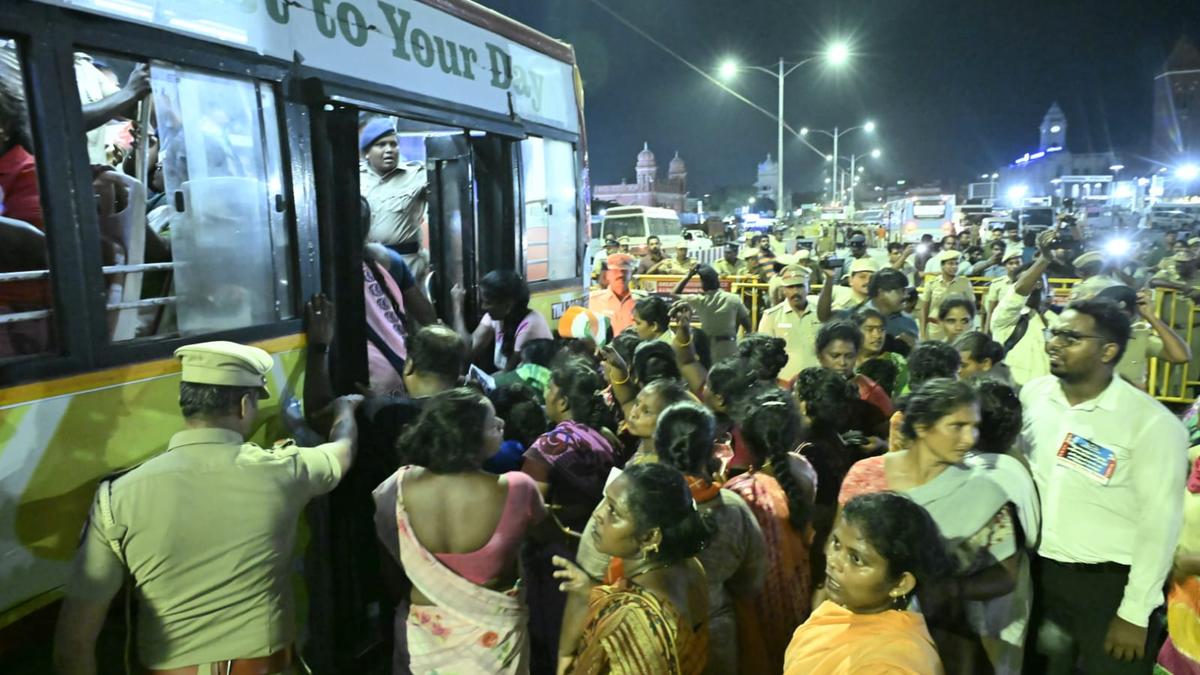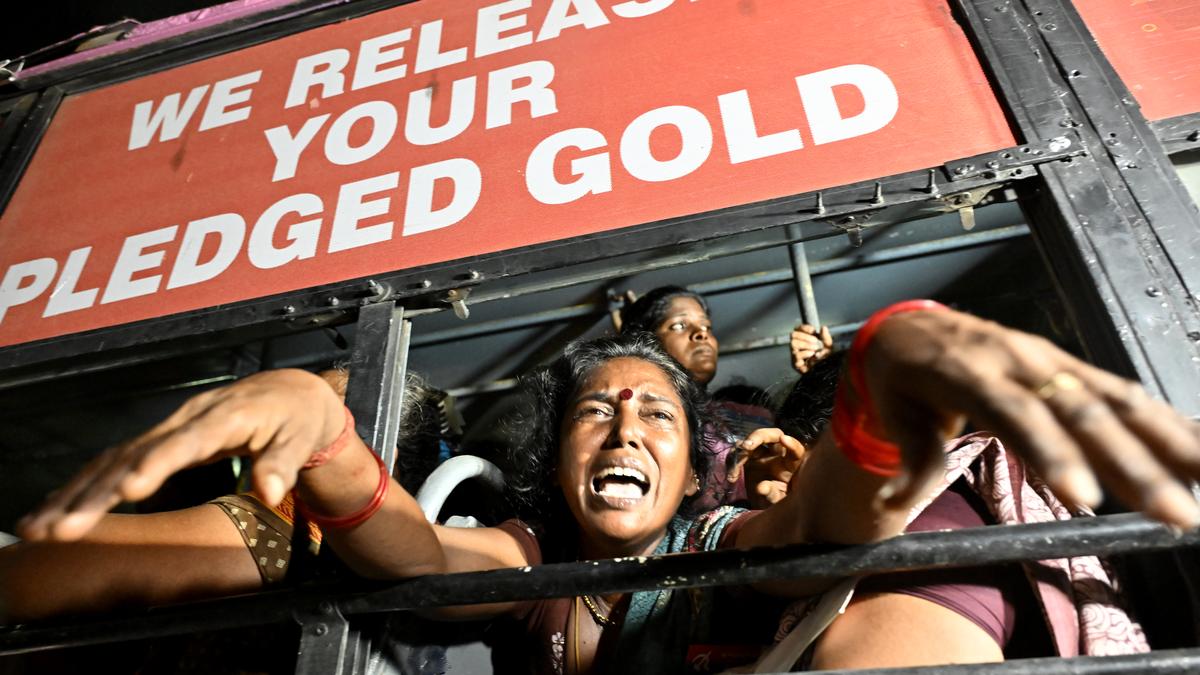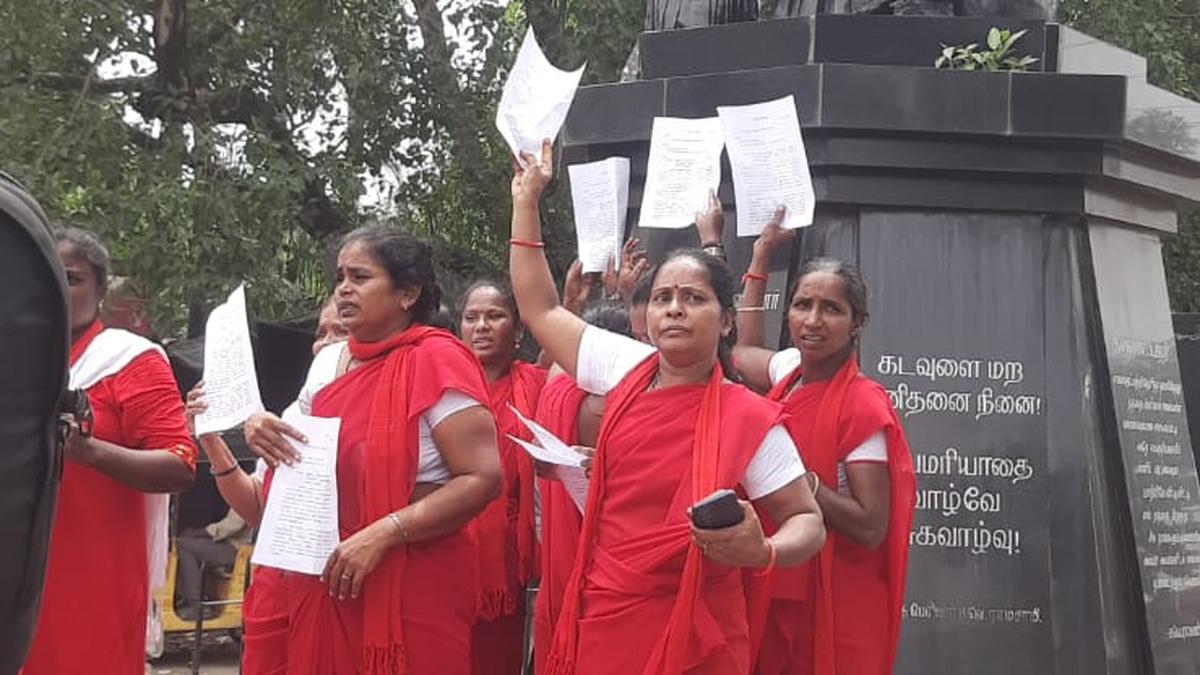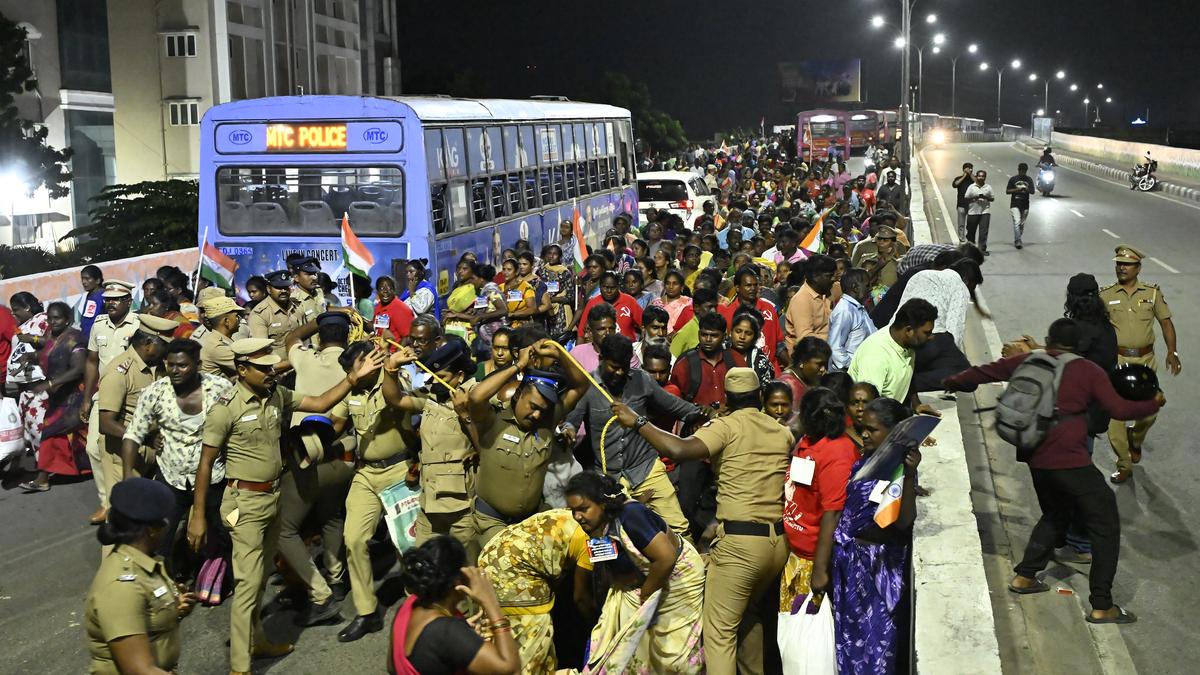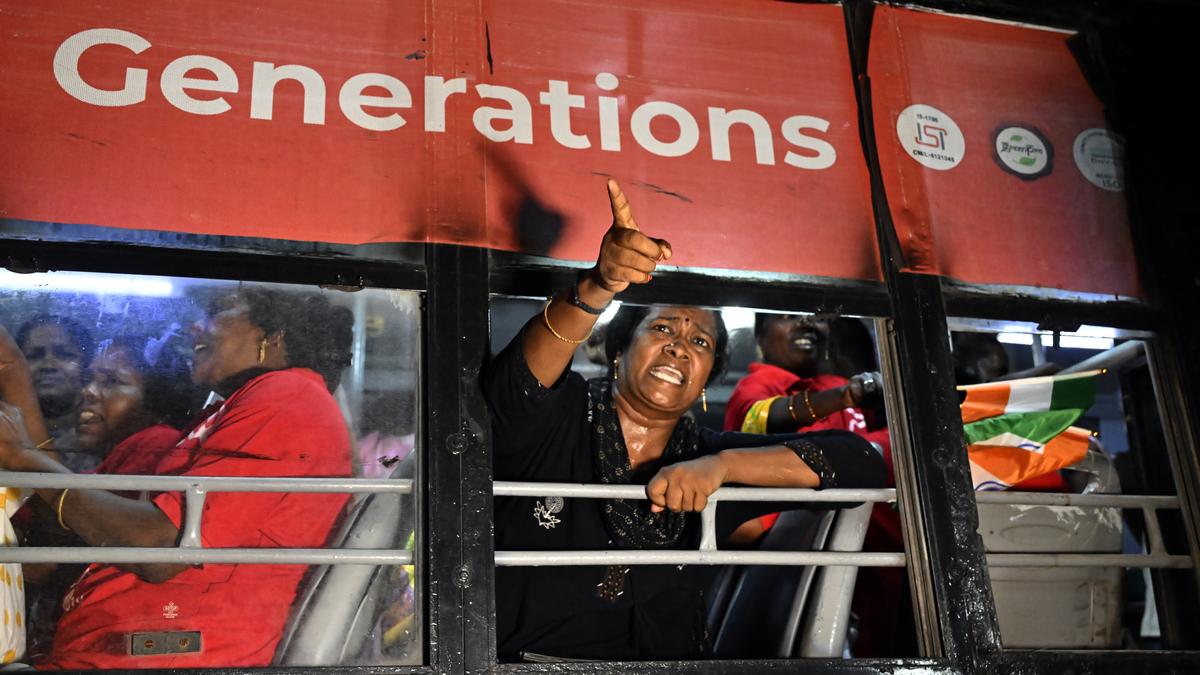
The story so far: In contemporary times, every sector is moving towards privatisation and contractualisation of the workforce. The recent struggle by conservancy workers in Chennai against privatisation, demanding regularisation, and the way in which they were arrested created a political storm in Chennai.
What happened in Chennai?
Contractual work under the government was providing conservancy workers with minimum wage, which will be further reduced when working under a private contract system. Since a majority of conservancy workers belong to the Dalit community, there were voices against regularisation, as it might perpetuate the caste-based profession within the community for generations. But working under a private contractor is not going to break this nexus.
Has Bengaluru also faced the same?
A recent study by the authors on civic workers (pourakarmikas) in Bengaluru has shown progressive changes in their life after the Karnataka government announced the regularisation of around 12,000 civic workers this year. The 1976 report of the Committee on Improvement of Living and Working Conditions of Sweepers and Scavengers under the chairmanship of IPD Salappa was one of the important interventions which suggested changes in conditions of pourakarmikas in Karnataka. The extensive report discussed various aspects related to their housing, health, work safety, job security, etc., and suggested sweeping measures for rehabilitation and providing healthy living and working conditions for them. Even though, regularisation was not a major issue back then, the privatisation and contractualisation of labour after the 1990’s has worsened the status and situation of civic workers so much that it has become impossible to break the caste-profession nexus. Untouchability in the form of no access to water, toilet, and other basic necessities for menstruating and pregnant women still prevail.