Giving birth is gruelling enough for mothers with hearing – but as the sisters behind gripping new drama Deaf explain, for disabled women labour can be brutal and traumatic
E
va Libertad spent months researching the script of Deaf, speaking to deaf women about pregnancy and parenthood for her drama about motherhood and identity. Almost immediately, the Spanish director knew the film needed a labour scene. “For all the women, giving birth had been a very traumatic event,” she says. She heard stories about women in labour not being informed of procedures, or having their hearing partners removed from the room, depriving them of an interpreter as well as support. “I left out some of the most difficult experiences.”
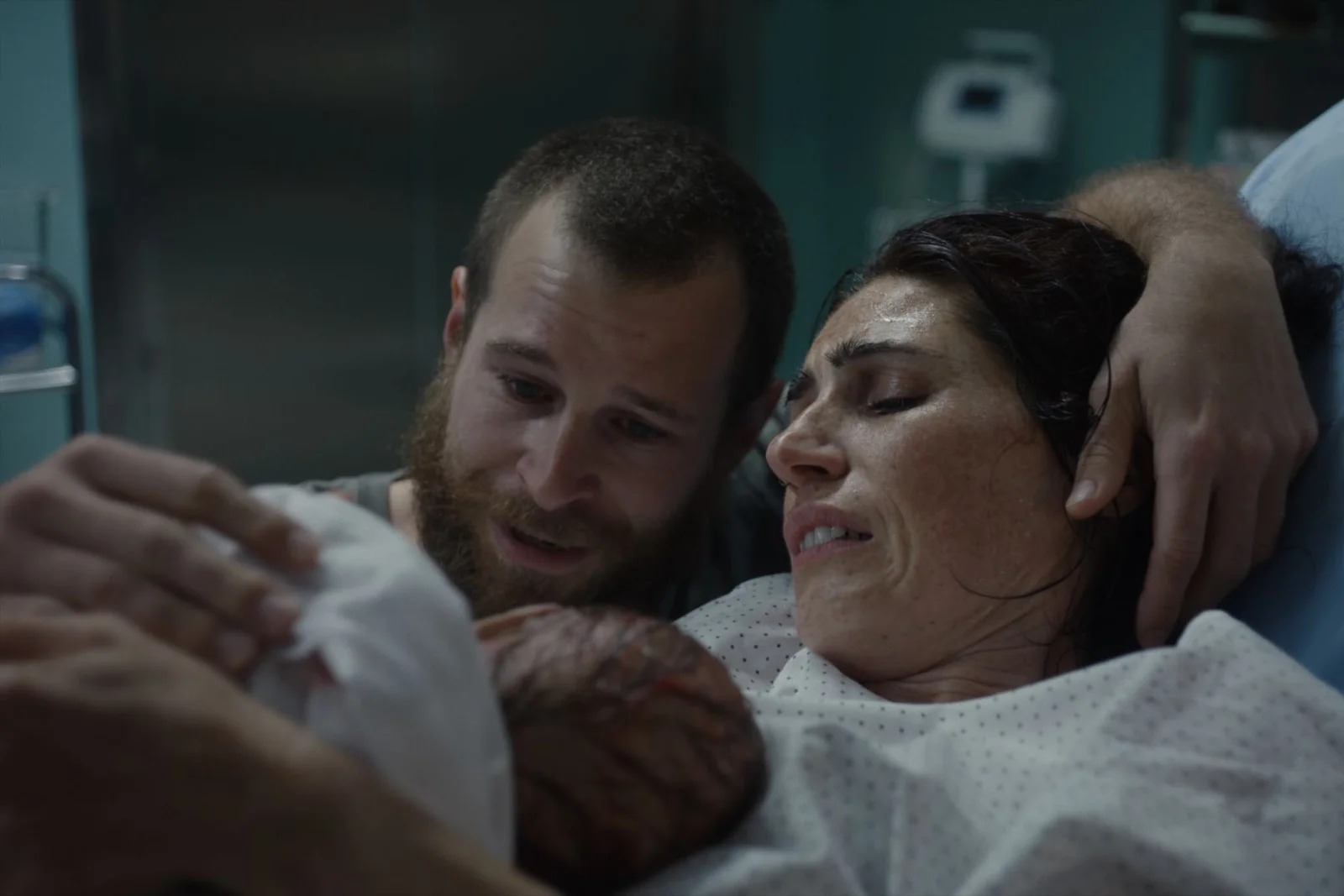
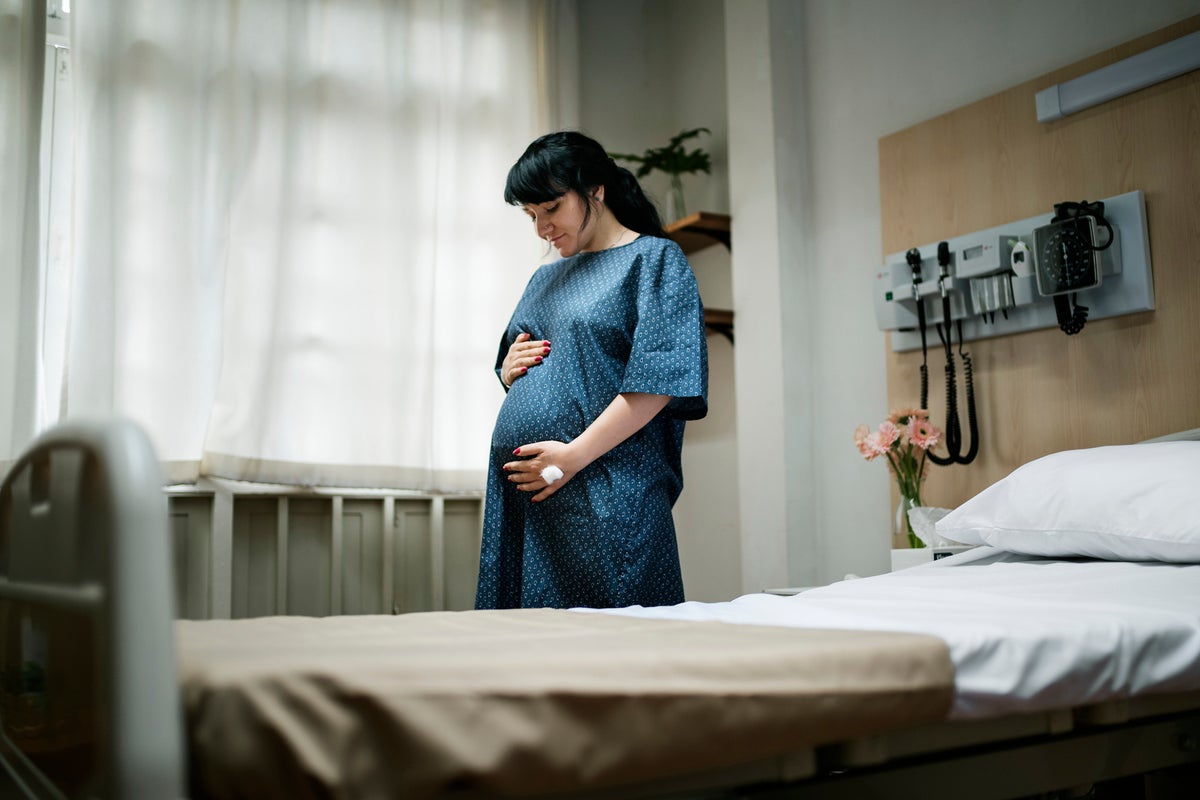
Her film gives us a frighteningly realistic birth scene. “Push, push hard,” shouts a doctor behind a face mask at the end of a long, drawn-out labour. The woman giving birth is Ángela, who is deaf and can’t read the doctor’s lips because of their face mask. Frightened and alone, Ángela lunges forward and rips off the mask. Her hearing partner is in the room. He’s meant to be interpreting, but was ordered from her bedside as things began to look like they might go wrong.
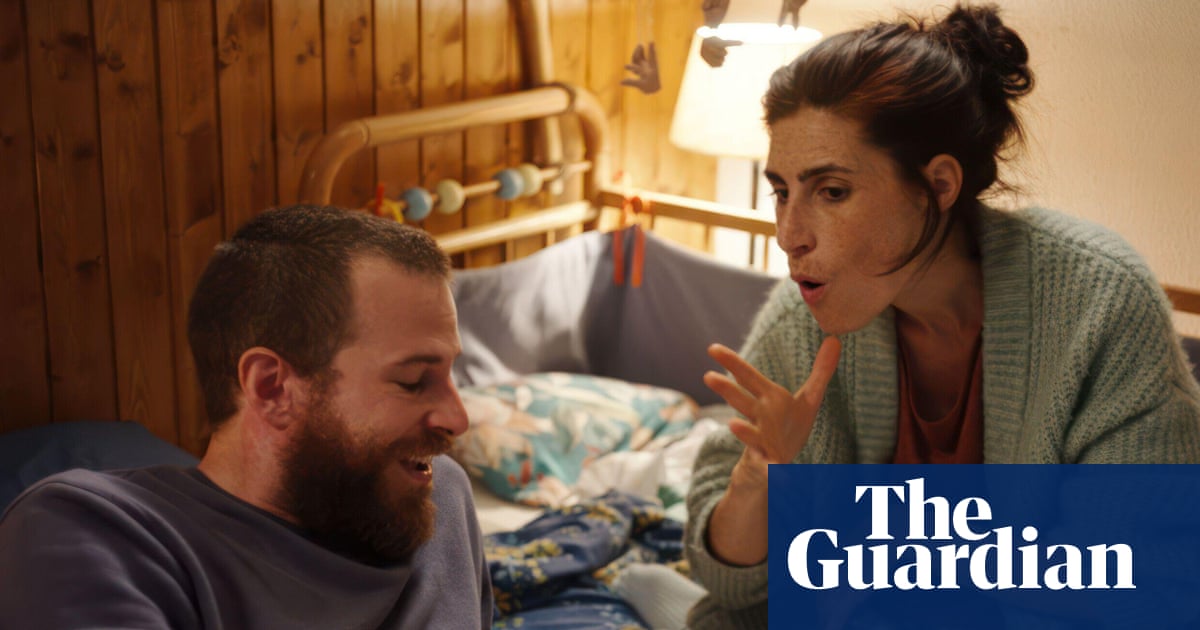
The common thread in all the stories Libertad heard was a feeling of desperation. “If birth is already difficult for hearing mothers, for deaf mothers it’s worse. There is the feeling: how will I know if something goes wrong? A fear that anything could happen.” Libertad is speaking over Zoom from her home in Molina de Segura, a town near Murcia. She used actual doctors and nurses in the scene to add realism. But no casting process was necessary to find an actor to play her lead character Ángela: Libertad hired her sister, Miriam Garlo, a well-known stage actor who is deaf.