Across the country, parents are discovering that what their children bring home from school looks very little like what they once learned. It isn’t just math — reading lessons, writing expectations, even how science and history are taught have shifted. What once relied heavily on memorization has given way to conceptual thinking, inquiry and skills tied to the future workplace.
Educators say these changes are not random or trendy. They’re the product of research, shifts in workforce demands and national policy decisions that have reshaped the classroom over the last few decades. But for parents, the changes often arrive without much explanation, leaving them feeling lost.
To understand why classrooms look so different today, it helps to trace how teaching methods have evolved. From the rise of “new math” to the renewed focus on phonics, the story of modern education is one of pendulum swings, policy mandates and, above all, an ongoing debate about how kids learn best.
From Memorization To Meaning
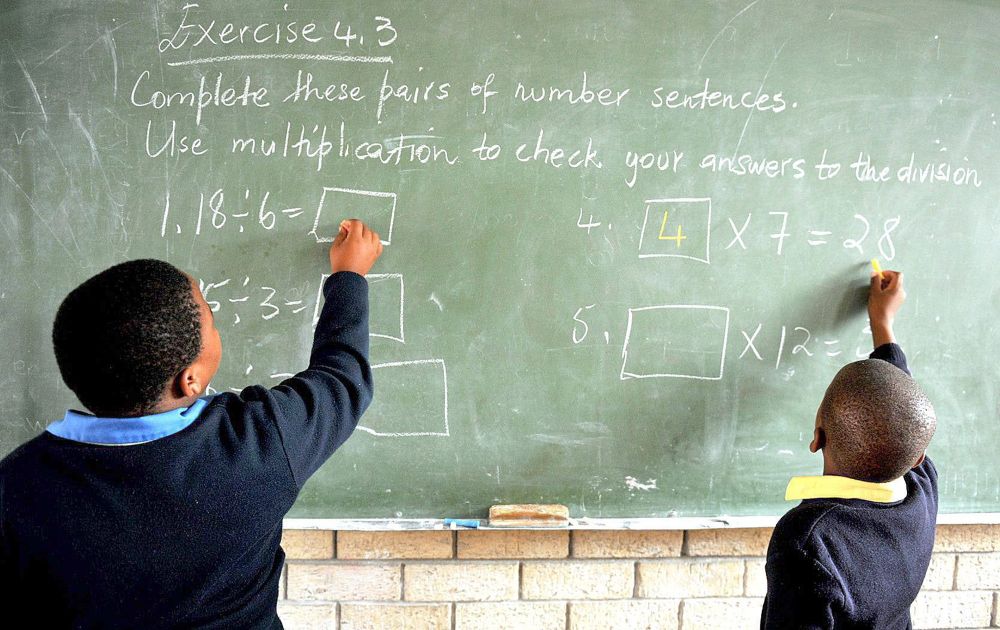
“Some of the major changes in teaching practices are a direct result of the standards and now Common Core, with a shift from rote memorization to conceptual thinking and problem-solving,” Yolanda Carlos, an early childhood education professor at Pacific Oaks College, said.