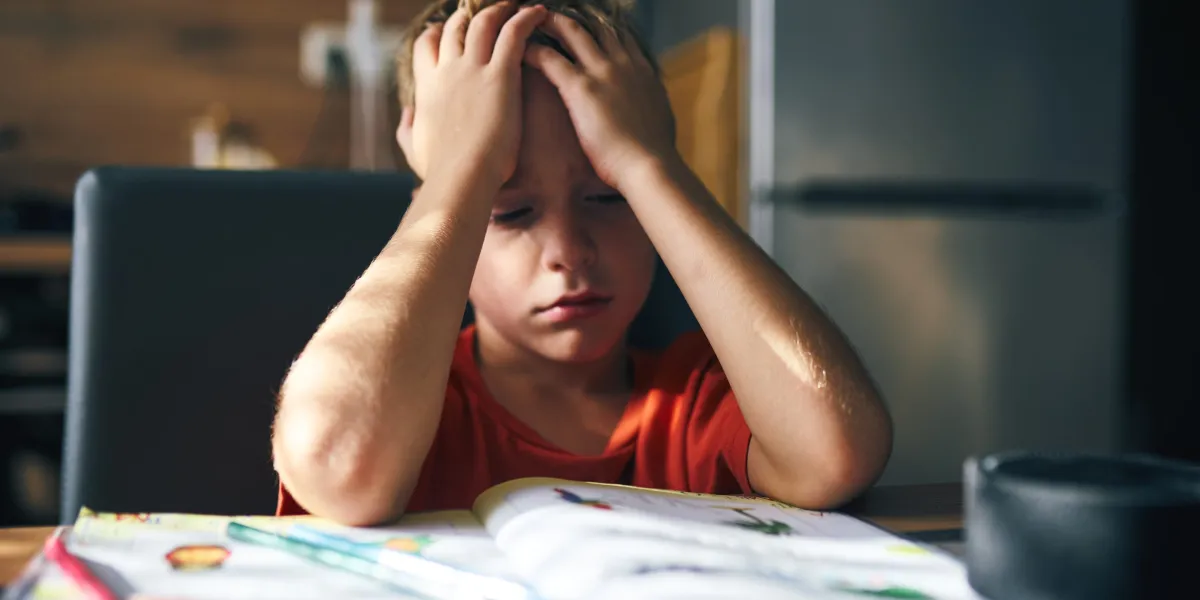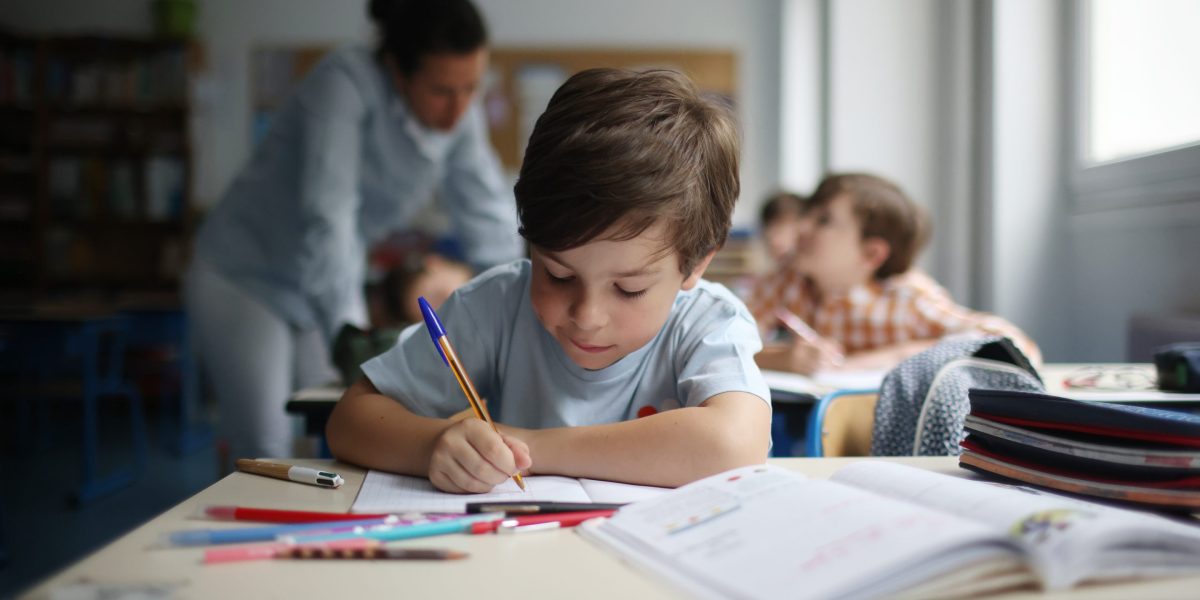
When COVID-19 wrought havoc on society in early 2020, today’s youngest schoolchildren were infants or yet to be born. Now in their early school years, researchers are beginning to see how the pandemic years have shaped their education, even though many had yet to set foot in a classroom when it began.
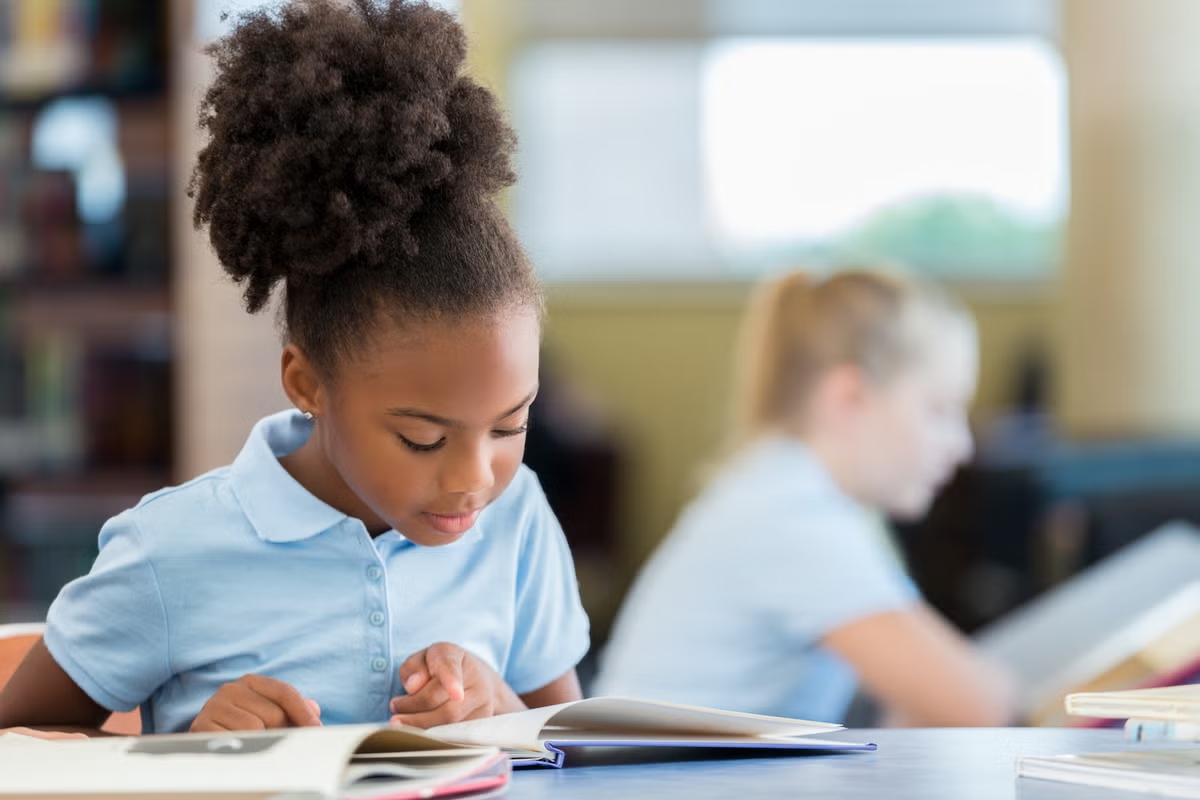
First and second graders continue to perform worse than their pre-pandemic counterparts on math and reading tests, according to a report published Tuesday by the education assessment and research group NWEA. But while math scores have inched up every year, reading scores remain stagnant, the report shows. The data suggests the slump in academic performance is not rooted only in instructional disruption. Broader societal shifts might be at play.
In the youngest students’ failure to recover, “there’s something kind of systemic here happening … within schools and outside of schools,” said Megan Kuhfeld, a researcher at NWEA. “We can’t pinpoint one specific cause.”
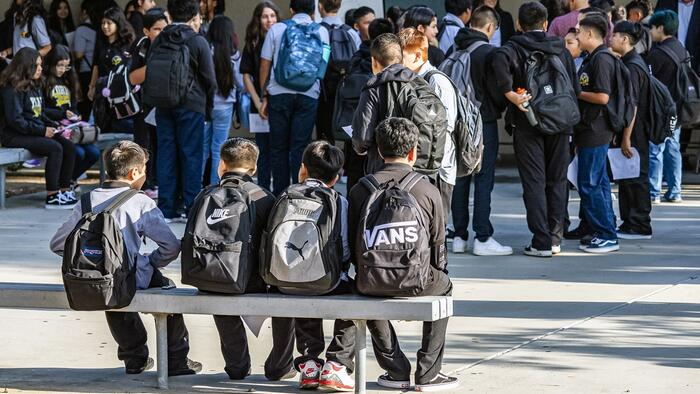
The pandemic’s effects on older children’s academic achievement are well-documented. COVID-19 forced kids out of classrooms and into online learning. Students lost out on face time with instructors, their mental health suffered in the isolation, and their well-being deteriorated as some families endured hardship. Some schoolchildren stopped showing up to school altogether.