I’ve examined how commercial technologies reshape education – often in ways parents instinctively resist, but are told to ignore
Dr Velislava Hillman is an academic, teacher, writer and consultant on educational technology and policy.
A quiet transformation is unfolding in schools: commercial technology is rapidly reshaping how children learn, often without much public debate or inquiry.
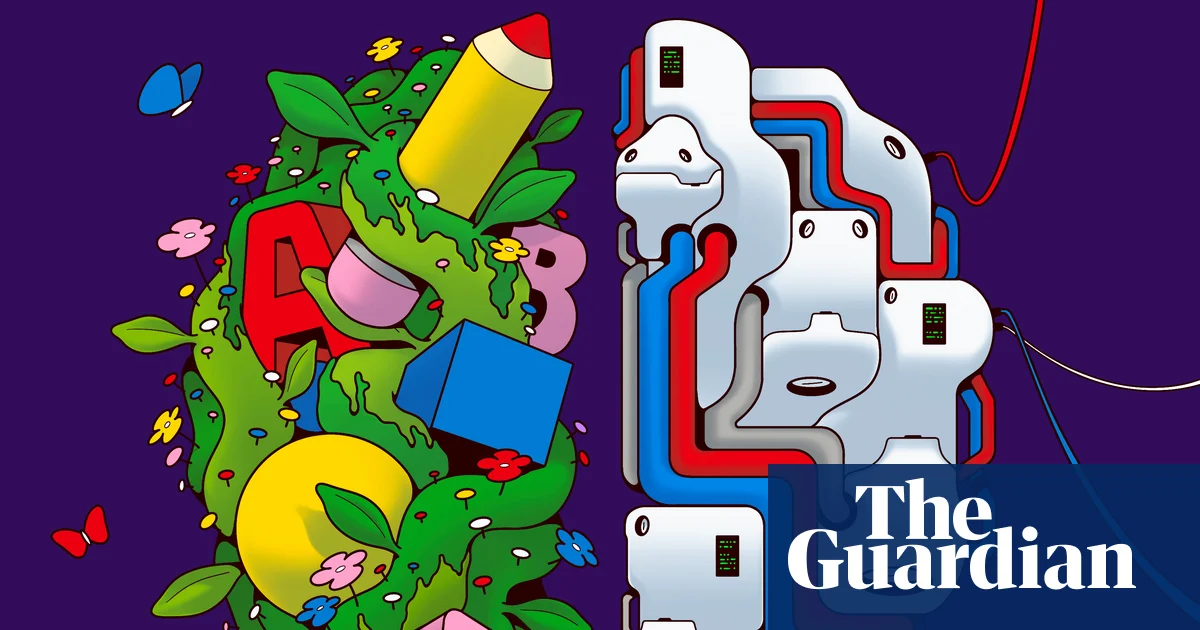
From the near-ubiquity of Google and Microsoft to speculative AI products such as Century Tech, big and ed tech alike promise “personalised learning” while harvesting vast amounts of data and turning education to monetisable widgets and digital badges.
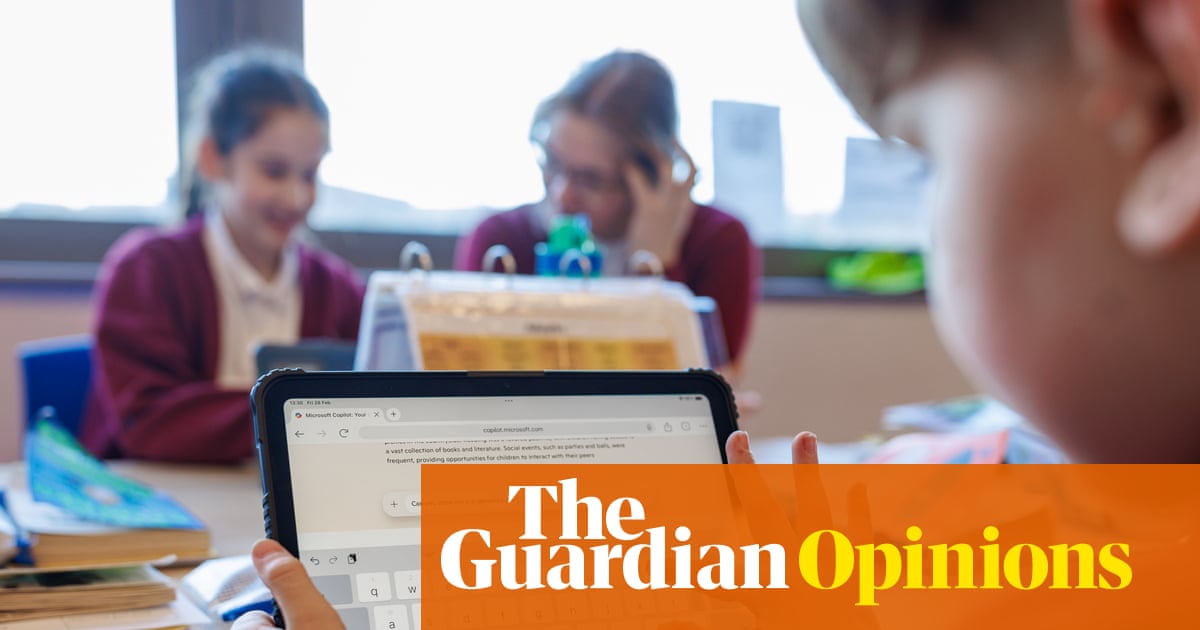
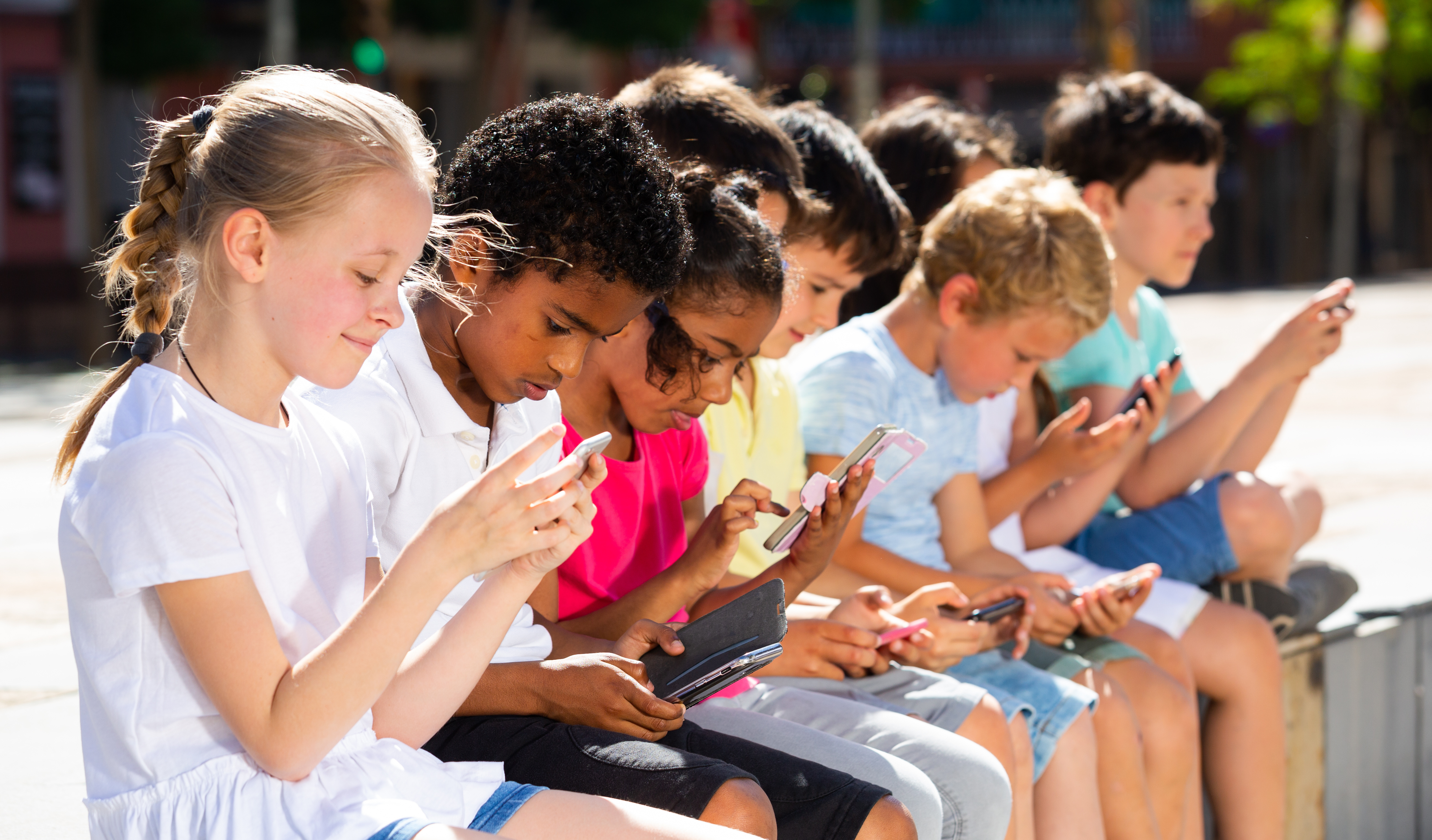
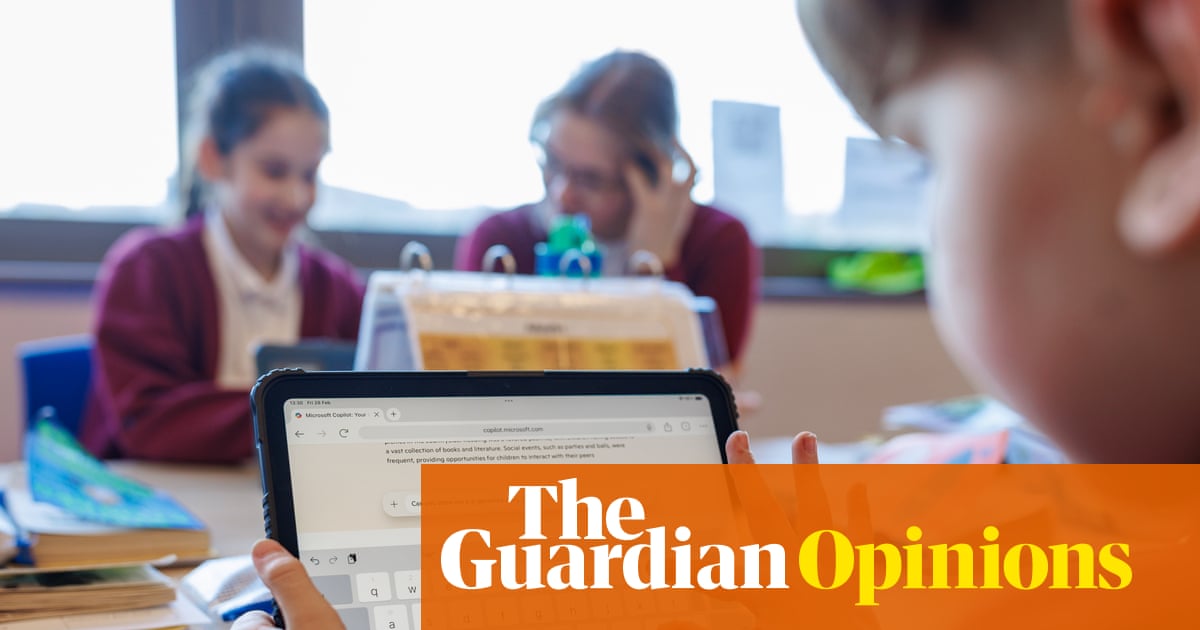
The so-called digitalisation of education is far less revolutionary in reality. Children sit at screens making PowerPoint slides or clicking through apps such as Dr Frost or Quizlet. Lessons are often punctuated by pop-up adverts and cookie-consent banners – the gateway to surveillance and profiling. Others chase Duolingo streaks, supposedly learning French, scramble coins or fight for leaderboard spots on Blooket. Teachers, meanwhile, are handed dashboards from platforms such as Arbor or NetSupport, where pupils appear as scores and traffic-light charts – a thin proxy for the complexity of classroom life. All the while, these systems are entangled in corporate turf wars and profit-making.