Scrutiny of the impact of technology on children’s lives and education should be welcomed
A
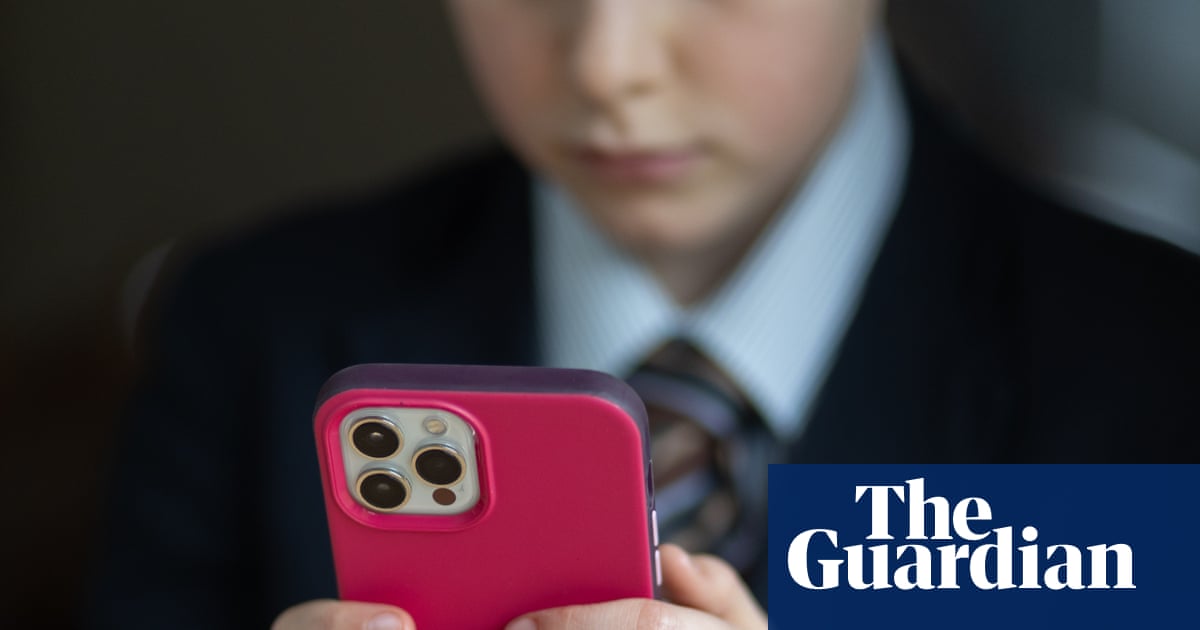
new law banning mobile phone use in schools in England, which ministers reluctantly agreed to last week, is on one level the result of political manoeuvring by Liberal Democrat and Conservative peers – who forced their hand by threatening to derail the schools bill. Until now, the government’s position has been that advice to headteachers was sufficient. But whether or not a ban turns out to be helpful, the campaign reflects deepening public concern about the degree to which powerful tech companies can be trusted.
From messaging platforms where pupils and teachers interact, to appointment-booking systems and research carried out in lessons and at home, digital technology is deeply embedded in education. This should not be expected to change. Classrooms rightly reflect the wider world that they are part of. But the current push towards stronger scrutiny of screens in schools – and in young people’s lives more broadly – is justified by accruing evidence about their impacts.
In Norway and Sweden, policies promoting the use of iPads and laptops have been reversed in favour of books and handwriting after both countries recorded drops in reading scores. In the UK, new guidance recommends that under-fives should spend no more than one hour on screens each day, and should not watch fast-paced, social-media style videos at all. Even in California, home of the US tech industry, the mood is shifting: from September, elementary (primary) and middle-school students in Los Angeles will face restrictions on device use.