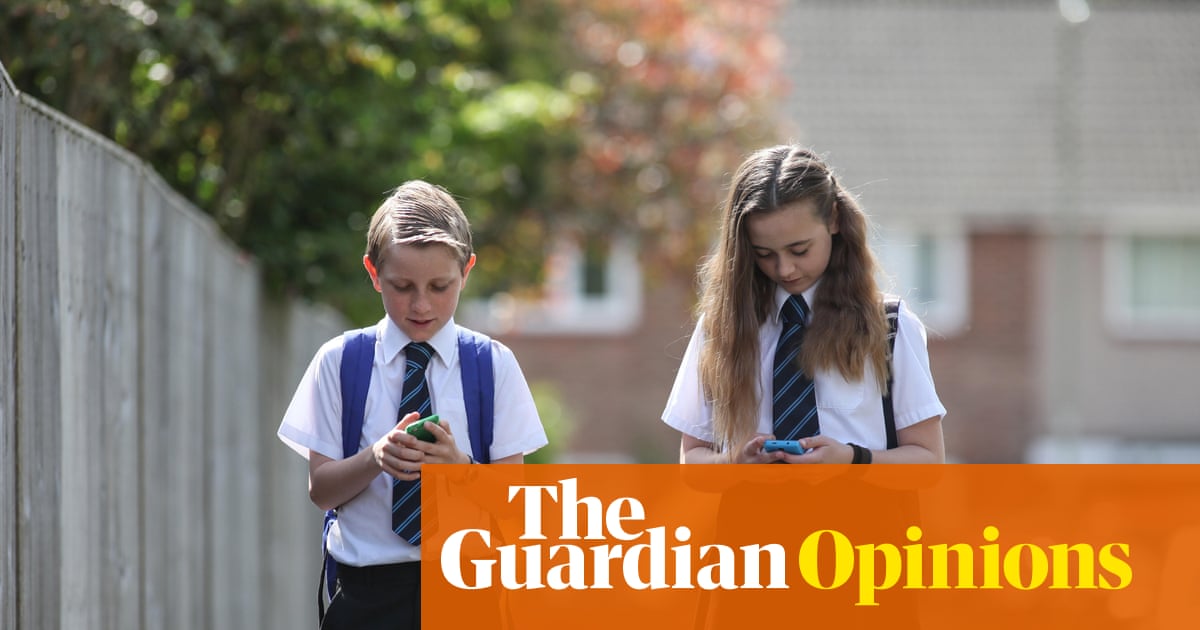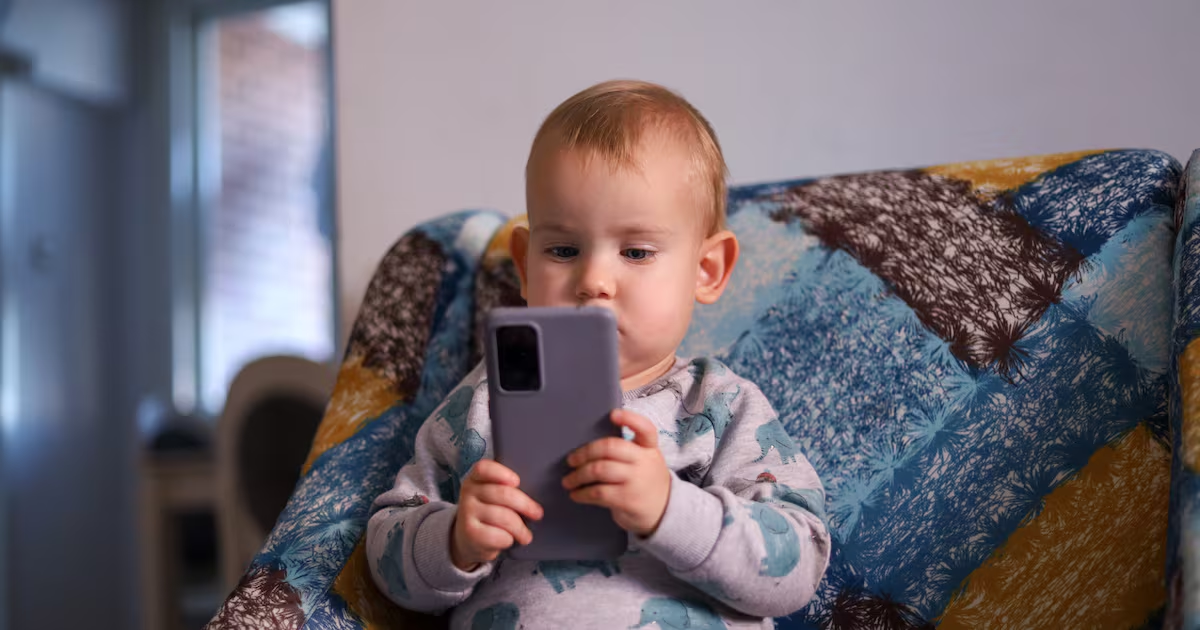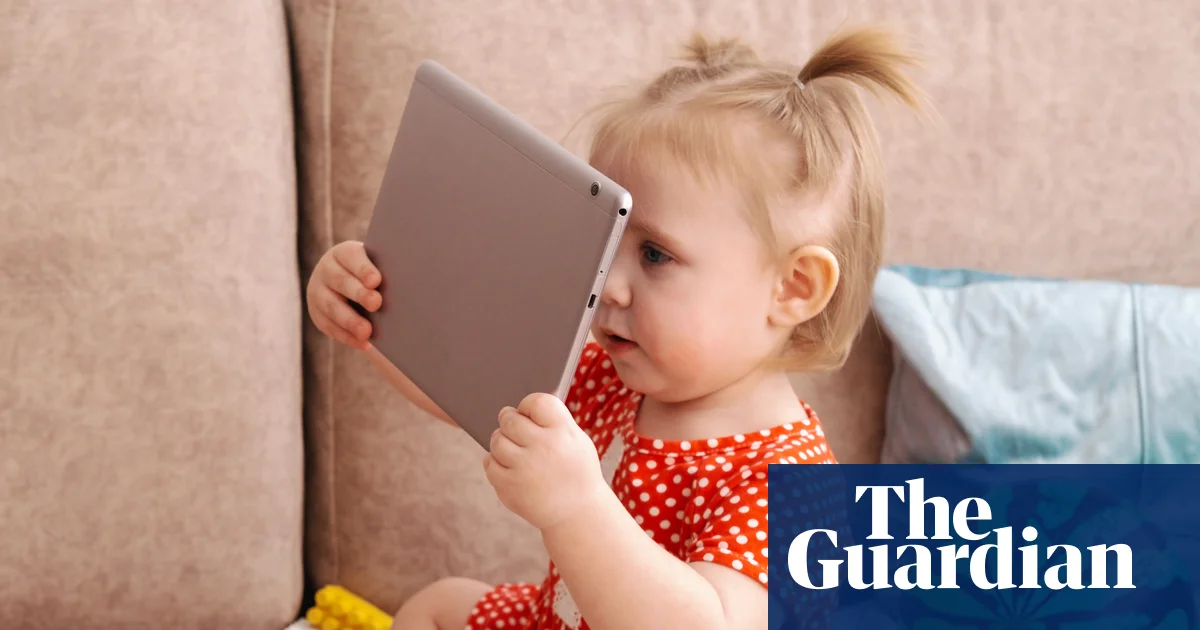
Growing concerns about the impact of smartphones on the youngest children must be addressed
T
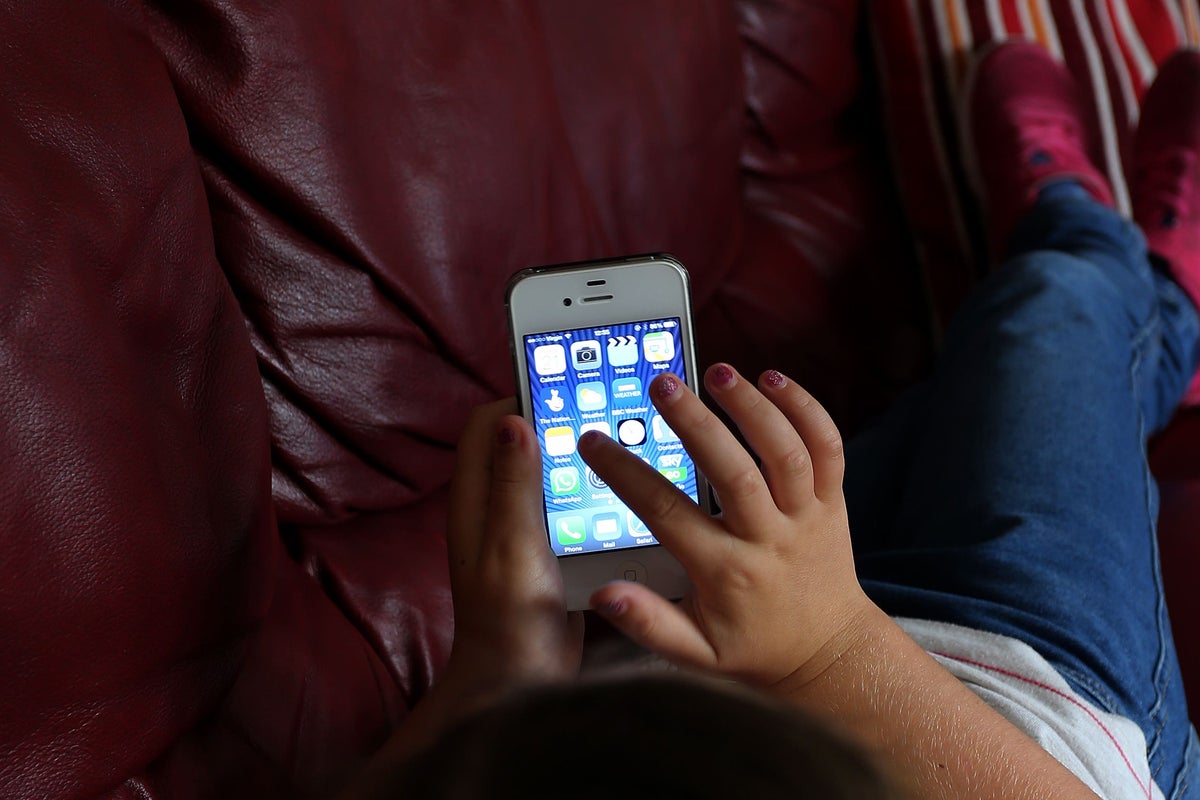
he first UK government guidance on young children’s use of tablets, smartphones and other screens, expected in April, cannot come soon enough. The laissez-faire approach to the boom in social media, handheld devices and other digital technology was arguably nowhere less suitable than when such machines were placed in front of babies. The Department for Education’s ongoing Children of the 2020s study has found that 98% of two-year-olds watch screens on a typical day for more than two hours. Those who spent the most time had smaller vocabularies, and were twice as likely as other children to show signs of emotional and behavioural difficulties.
Correlation must not be mistaken for causation. This is still a relatively new area of research, and much remains uncertain. But the findings of a recent survey by the charity Kindred Squared, combined with observations by teachers, are highly concerning. Answers from 1,000 primary-school staff revealed that 37% of four-year-olds arrived without basic life skills such as dressing and eating in 2025 – up from 33% two years earlier.
Some of these may have additional needs. And there is no suggestion from the charity that screens are the only issue. Stresses caused by the high cost of living, cuts to local early years services and other factors affect the quality of the youngest children’s lives. But many teachers, along with one of their unions, the NASUWT, believe that the impact of screens must be addressed, with parents as well as children encouraged to prioritise books and bricks over swipes and clicks.