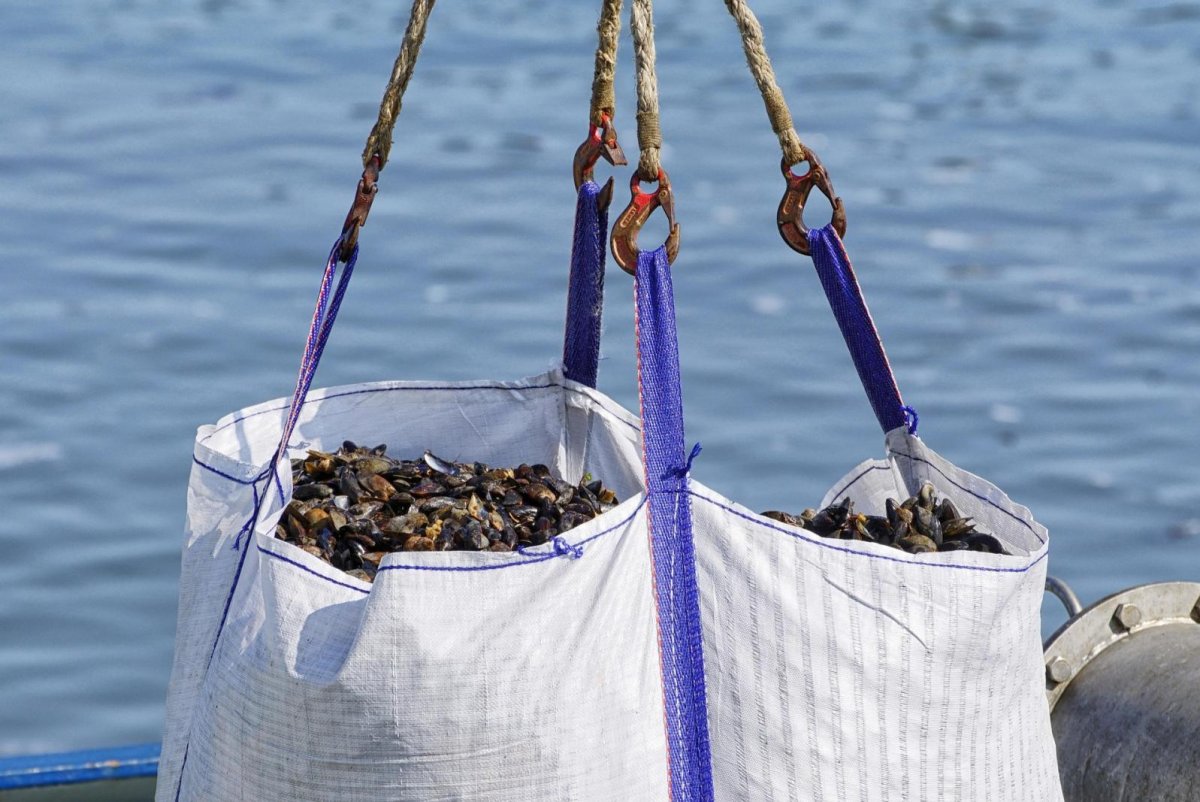
Sept. 3 (UPI) -- A Chilean study found that farmed mussels are undergoing genetic changes that help them adapt to their environments, improving their chances of survival.
The study, published in the journal Aquaculture, provides the first evidence of small-scale adaptive genetic differences in farmed populations of Mytilus chilensis, a mussel species native to Chile.
For the study, led by the Millennium Institute for Coastal Socio-Ecology, which brings together scientists from Chilean universities specializing in aquaculture and coastal development, researchers analyzed the genes of mussels from wild and farmed populations to compare their genetic makeup.
"We found genetic variants in farmed mussels that do not appear in wild populations," institute researcher and lead author Charel González told UPI. She worked on the study with Pilar Haye, Bernardo Broitman and Nicolás Segovia.
Related