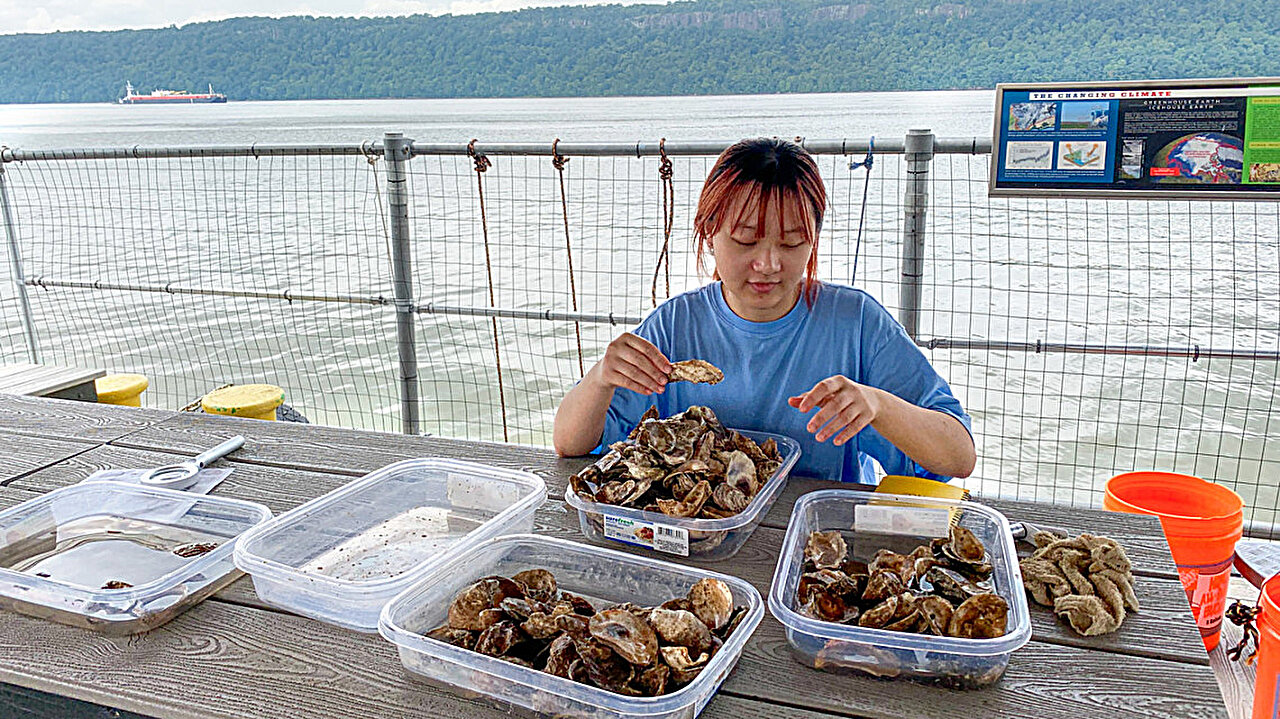
Yuqing Chen, a doctoral student and the study’s first author, searches for and counts baby oysters attached to shells in trays in Yonkers, New York. Credit: Cornell University
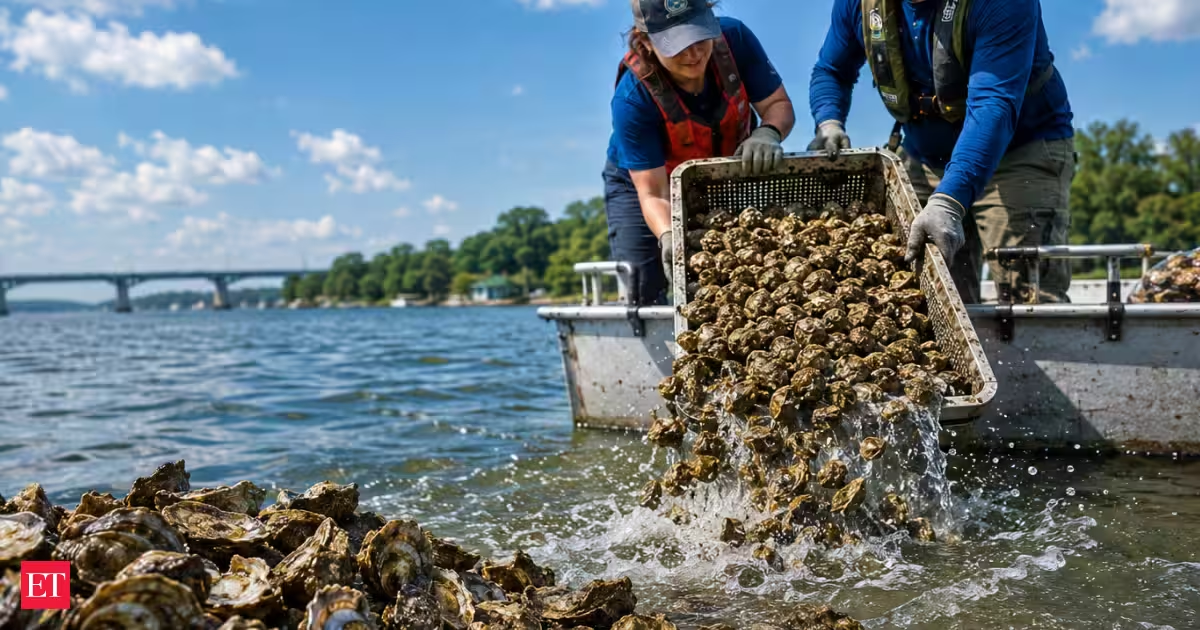
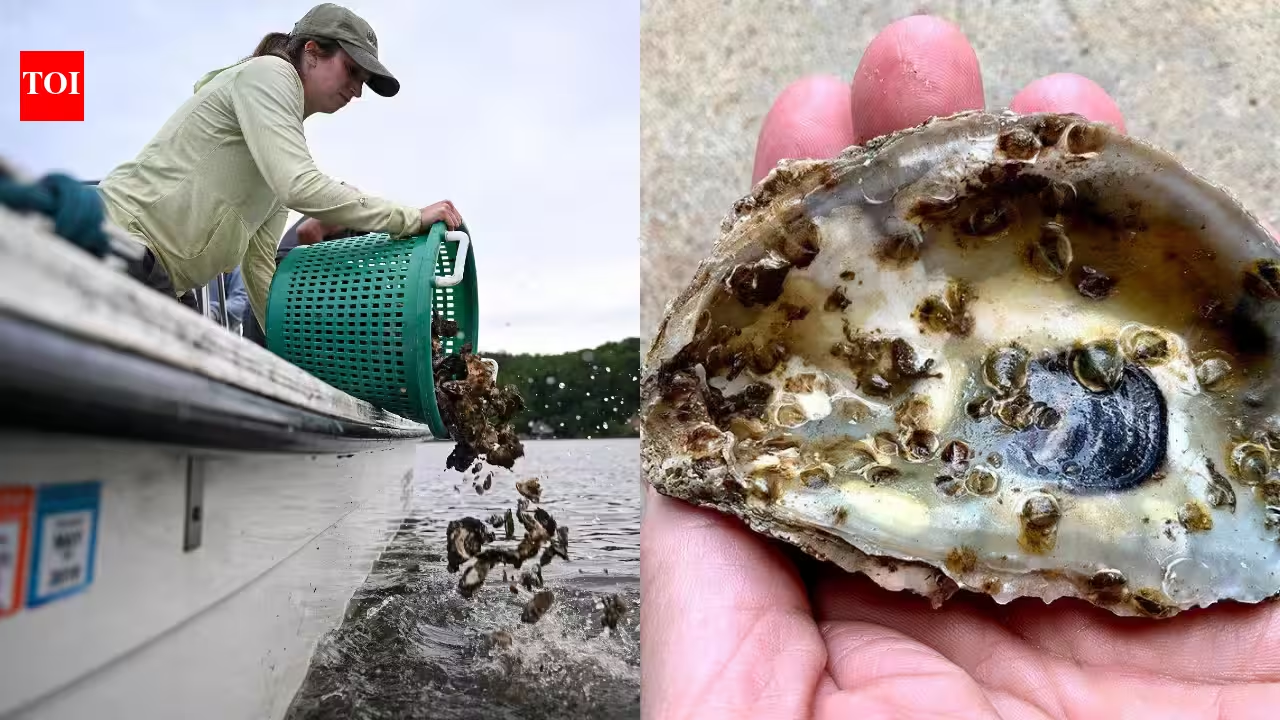
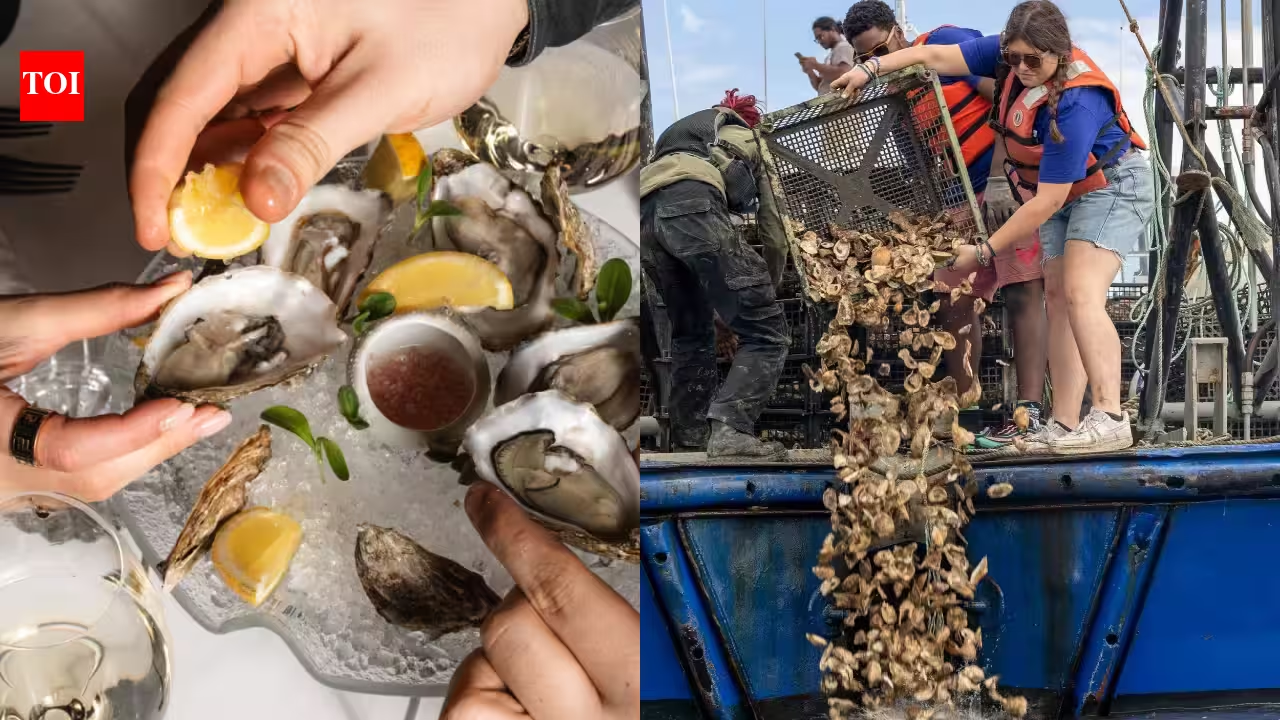
Farmed oysters are mixing with and potentially adding to populations of wild oysters—a once-abundant species in New York's estuaries and rivers that has declined drastically over the last century. A new study, published in the journal Molecular Ecology, offers genetic evidence and the first documented proof that farmed eastern oysters are adding to and breeding with wild eastern oyster populations in the western and central Long Island Sound.
"Oyster farms might provide ecosystem services to the natural system, with one of those being a boost to oyster populations that are dwindling," said Matthew Hare, associate professor in the Cornell CALS Ashley School and senior author of the paper.
"If a farm is near an oyster population and there's any reproduction on the farm, it's possible that it can provide a demographic supplement and basically build up populations nearby, because the offspring from the farm could end up in the wild population," Hare said.
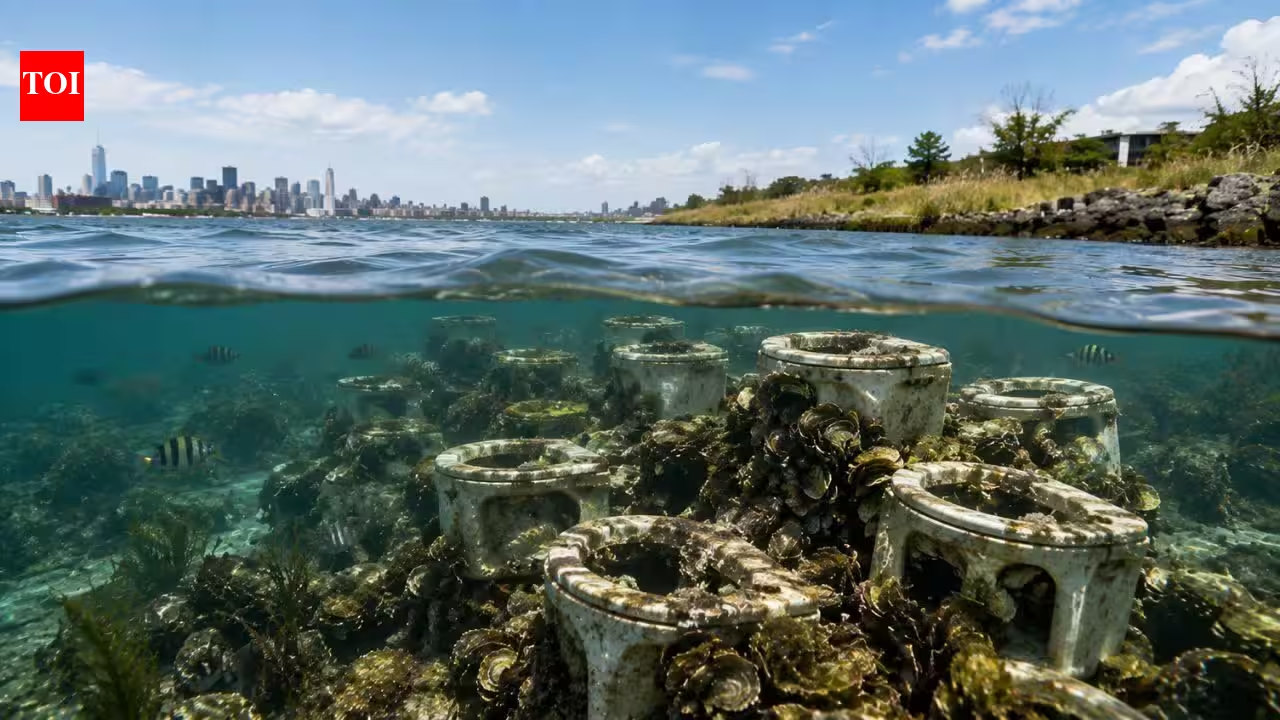
A rise in oyster populations could be good news for these waterways because they eat organic matter such as algae, essentially filtering the water. This allows sunlight to travel farther down the water column, benefiting plant life and other animals. Oysters also sequester polluting nutrients and deposit them on the estuary floor.