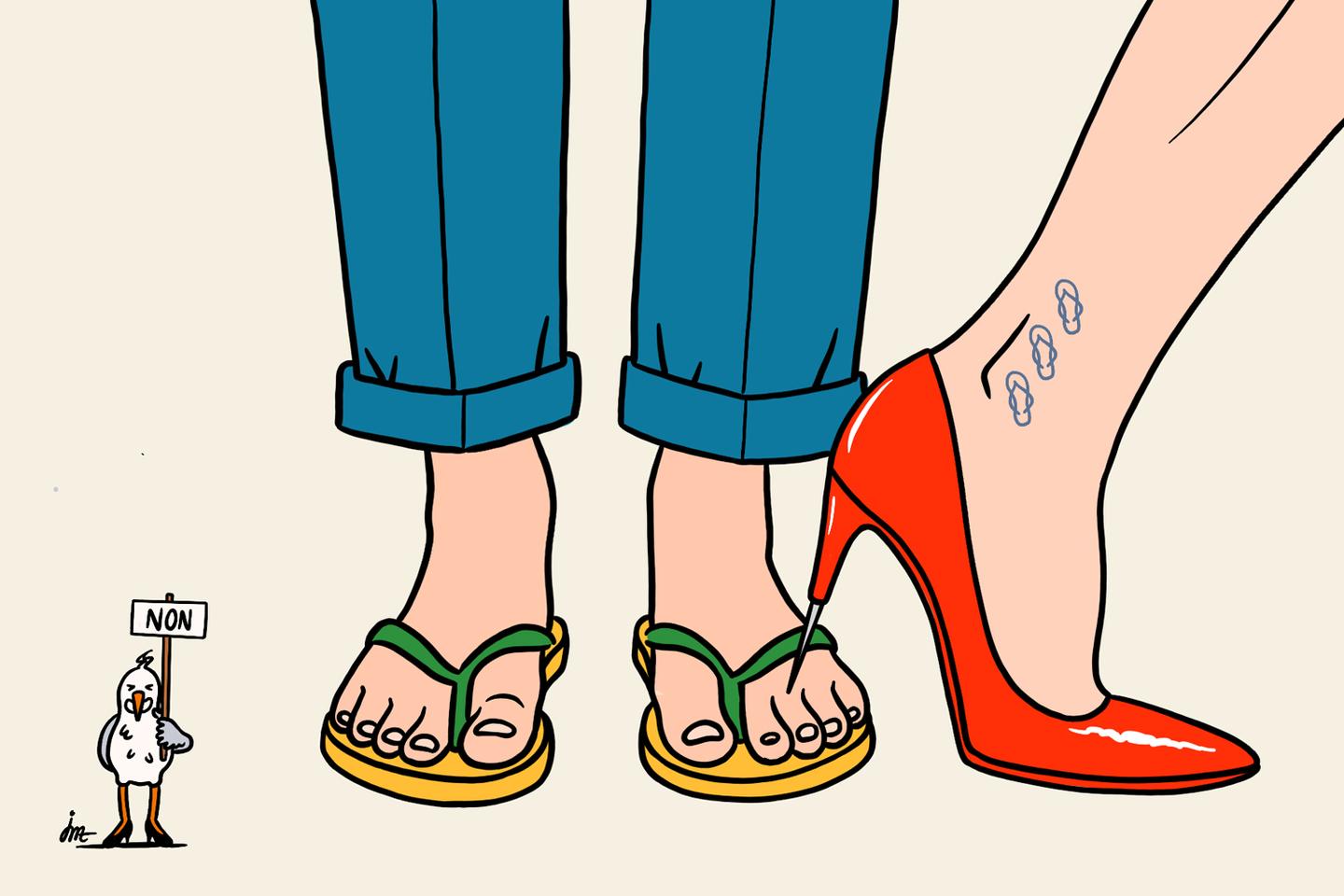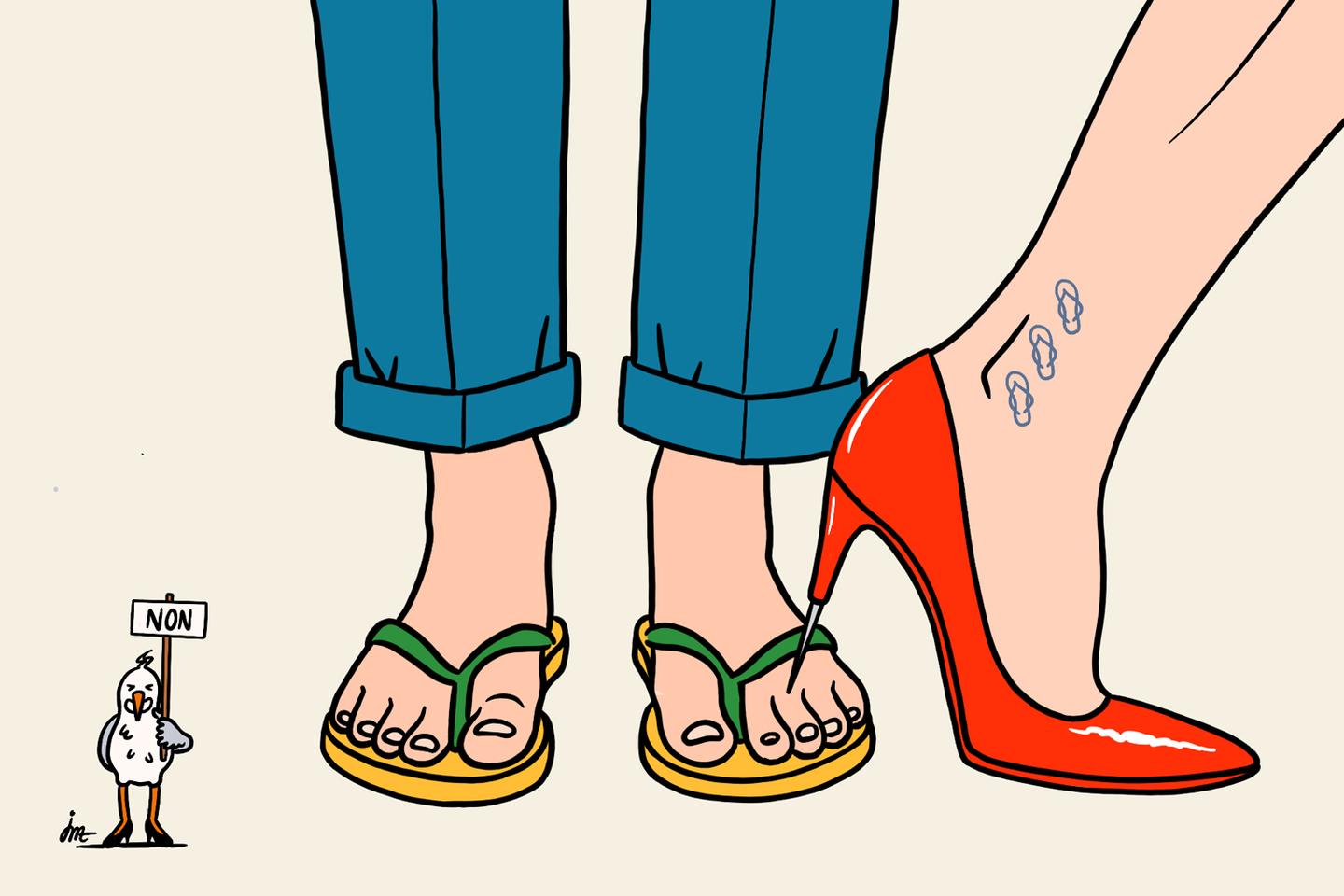
Is it ever a good idea to... wear flip-flops in the city?
W
hile the end of summer and vacation is usually a painful time – leaving us in a state of disarray not unlike that of an ecru linen suit the morning after a grape harvest festival – this year it felt more like a true liberation. After weeks spent unwillingly observing an excess of dirty feet, uneven nails, and toes too short, too long, or too hairy, the hope of a return to normalcy is finally within reach.
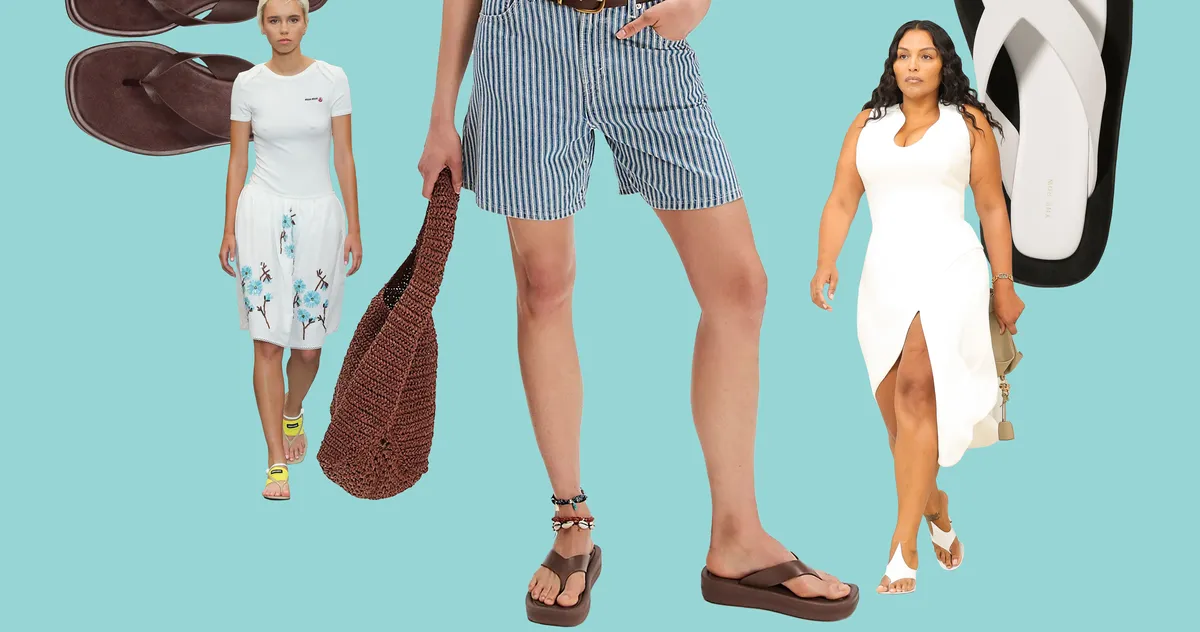
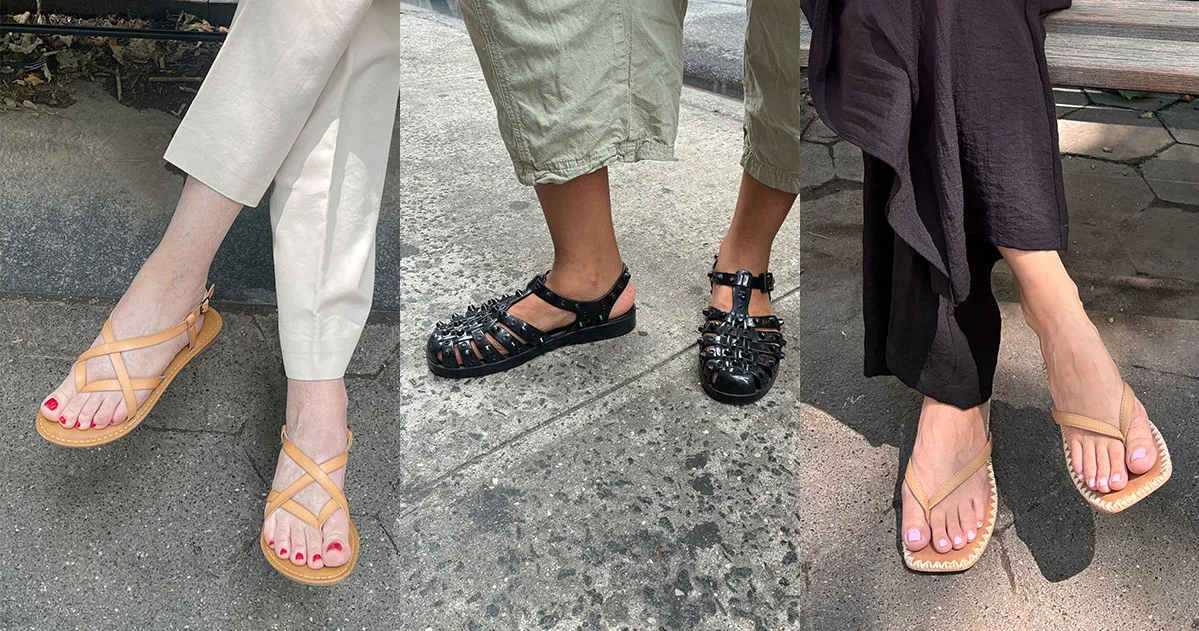
This past season was, indeed, the season of the flip-flop. Driven by global media hype, boosted by a host of celebrities and some particularly irritating micro-trends (most notably the excitement over a basic model sold for €780 by The Row), the success of this summer sandal – first developed by the Egyptians as early as 5,500 BCE – was such that it eclipsed the mule, which had been widely popular in recent years.
Lightweight and easy to wear, unaffected by water or sand, available in a multitude of colors and sometimes even beautifully crafted (the models from Rondini or Island Slipper, designed in Saint-Tropez and the Hawaiian island of Oahu, respectively, are quite respectable examples), the flip-flop has qualities that make it indispensable in the right vacation setting. On the beach, it even offers unmatched freedom of movement. That is precisely the point at issue.