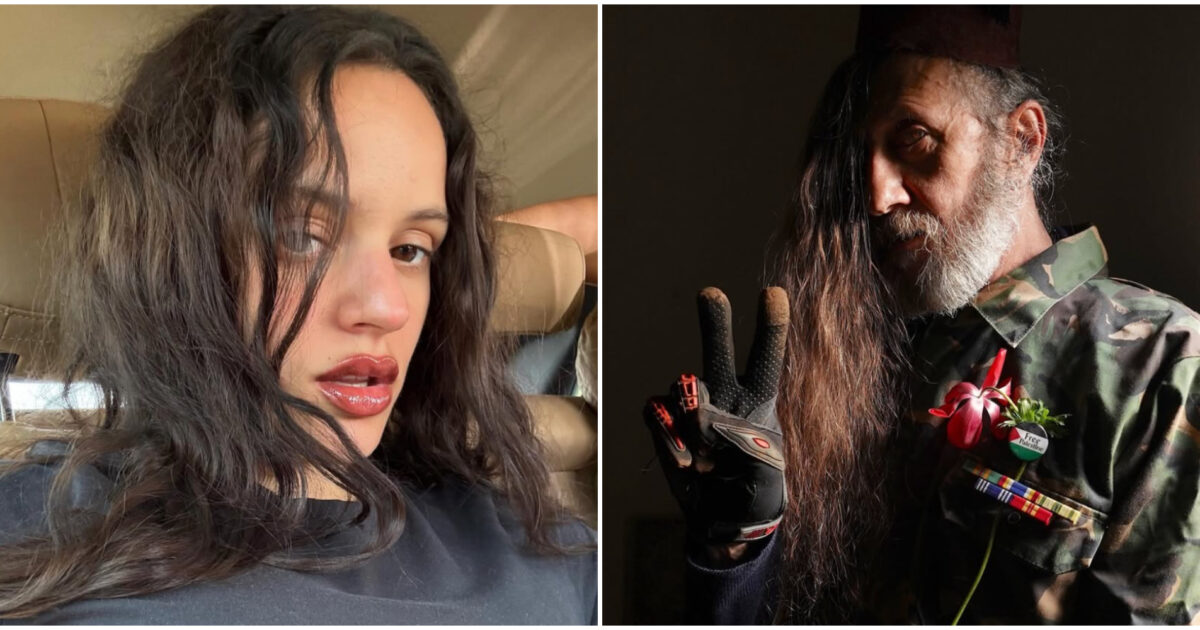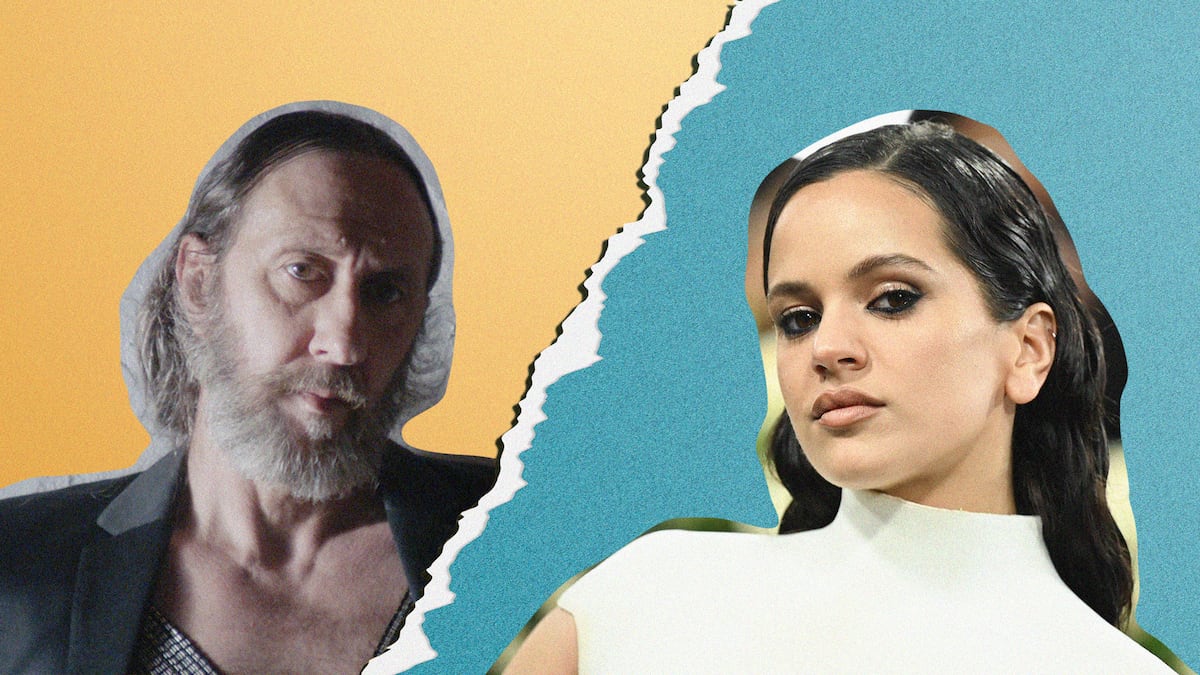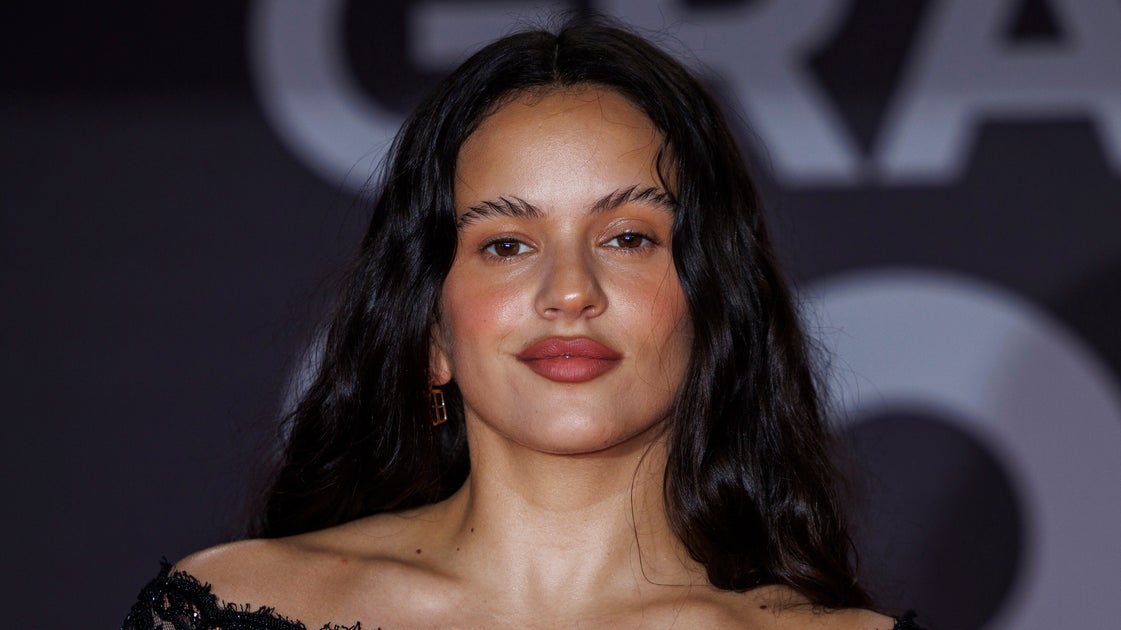
Spanish fashion designer Miguel Adrover made waves last week after he posted a screenshot of a controversial exchange he had with Rosalía’s team. In it, her team asked Adrover for a custom look for the Spanish singer, and Adrover’s team reportedly responded by saying, “Miguel doesn’t work with any artist who doesn’t publicly support Palestina.”
The caption on Adrover’s Instagram reads: “Doing ‘The Right Thing’….Silence is complicity, and even more so when you have a big loudspeaker where millions of people listen to you when you sing. That’s why you have the responsibility to use this power to denounce this genocide. Rosalia, this is nothing personal.”
The next day, Rosalía posted an Instagram story in response expressing that she was, in fact, horrified at what was happening in Palestine and expressed gratitude for people who were in the frontlines of the war. Then she added: “The fact that I haven’t used my platform in a way that aligns with others’ styles or expectations absolutely does not mean that I don’t condemn what is happening in Palestine.” Commenters had mixed responses about Rosalía’s post.
For the past several days, I haven’t been able to stop thinking about this interaction, mostly because I’m a fan of Rosalía’s music, but also because it brought up a pretty valid question about what truly constitutes activism.