The Issue
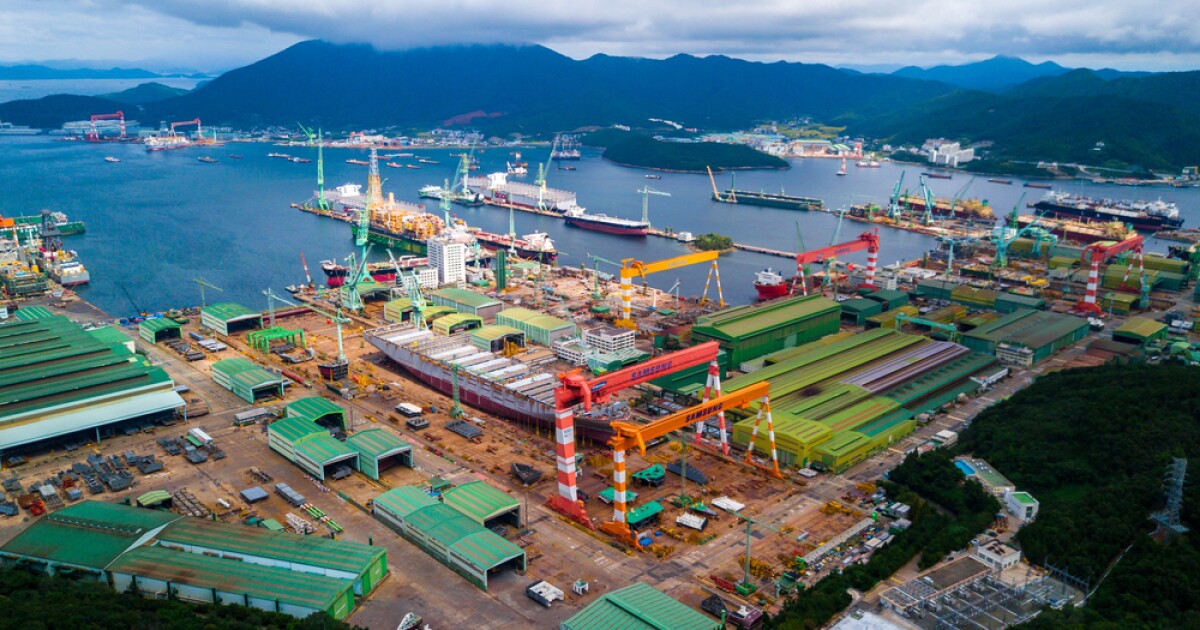
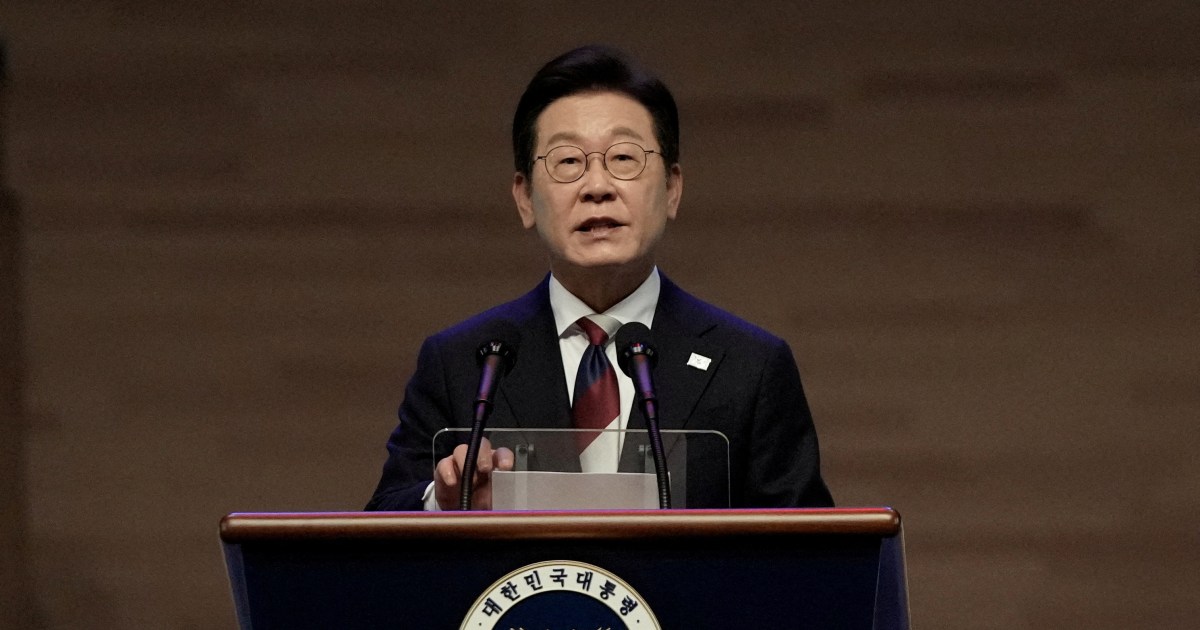
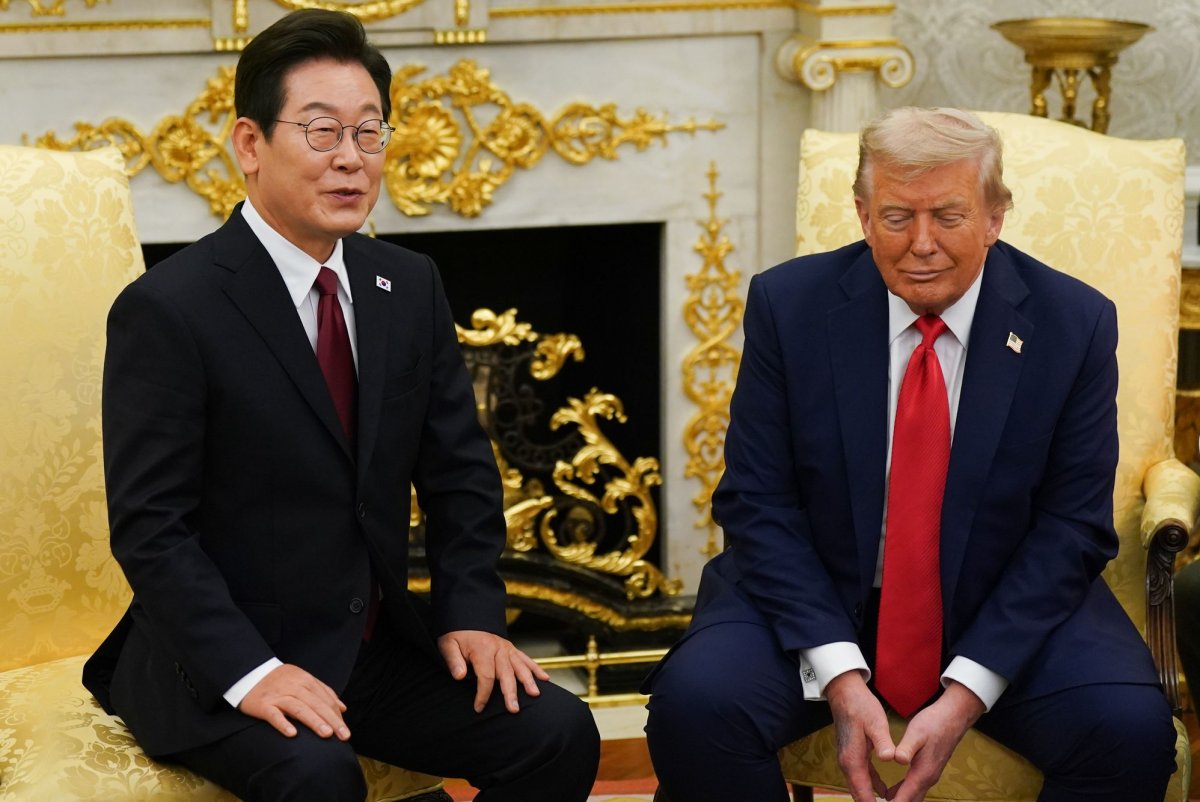
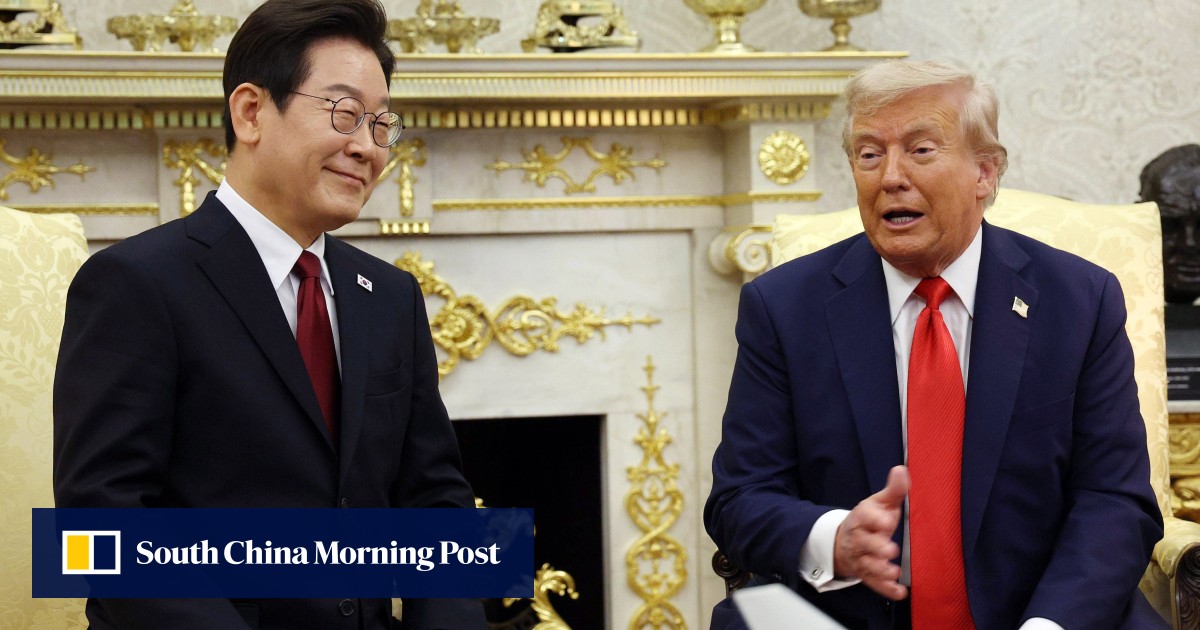
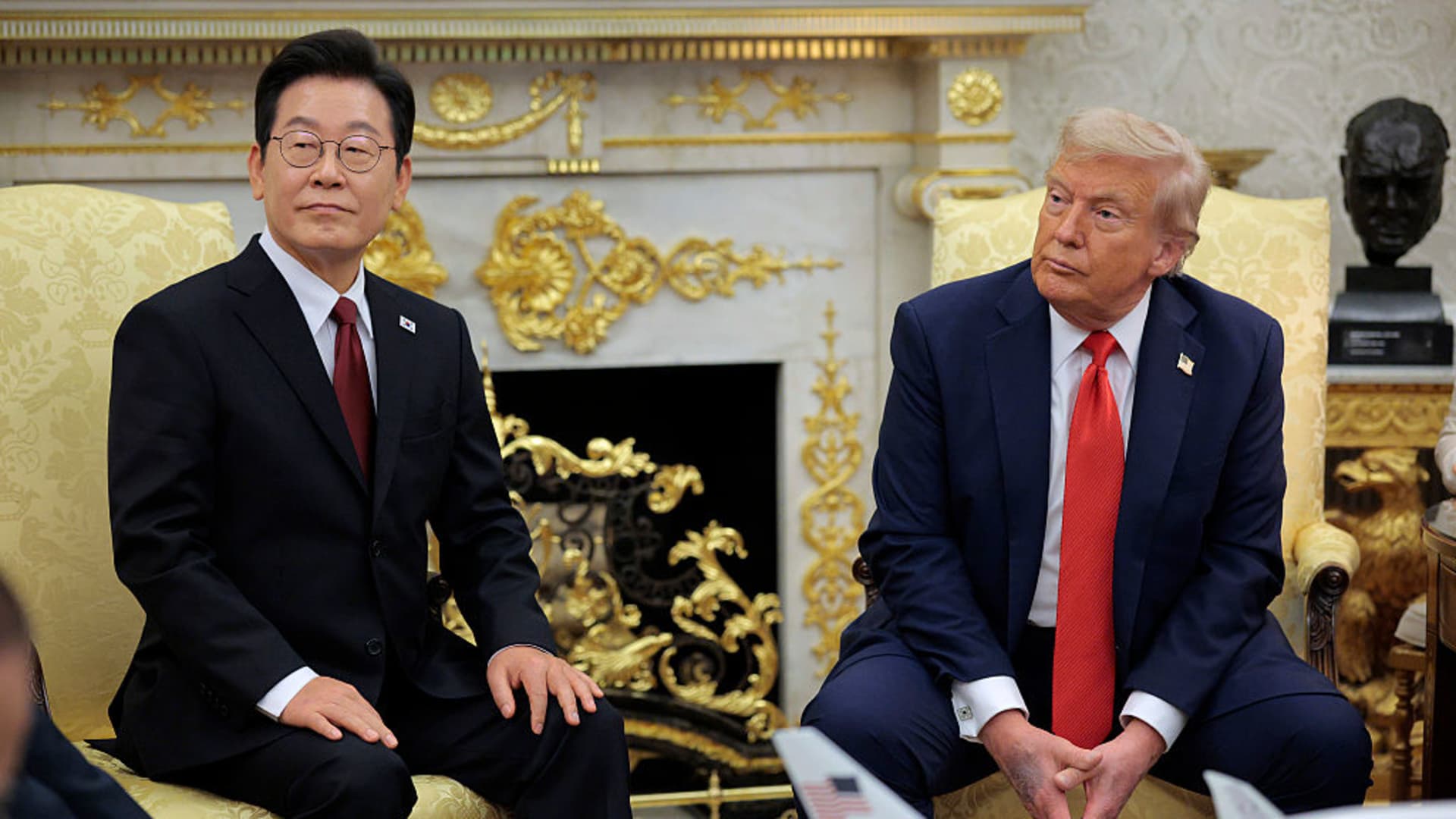
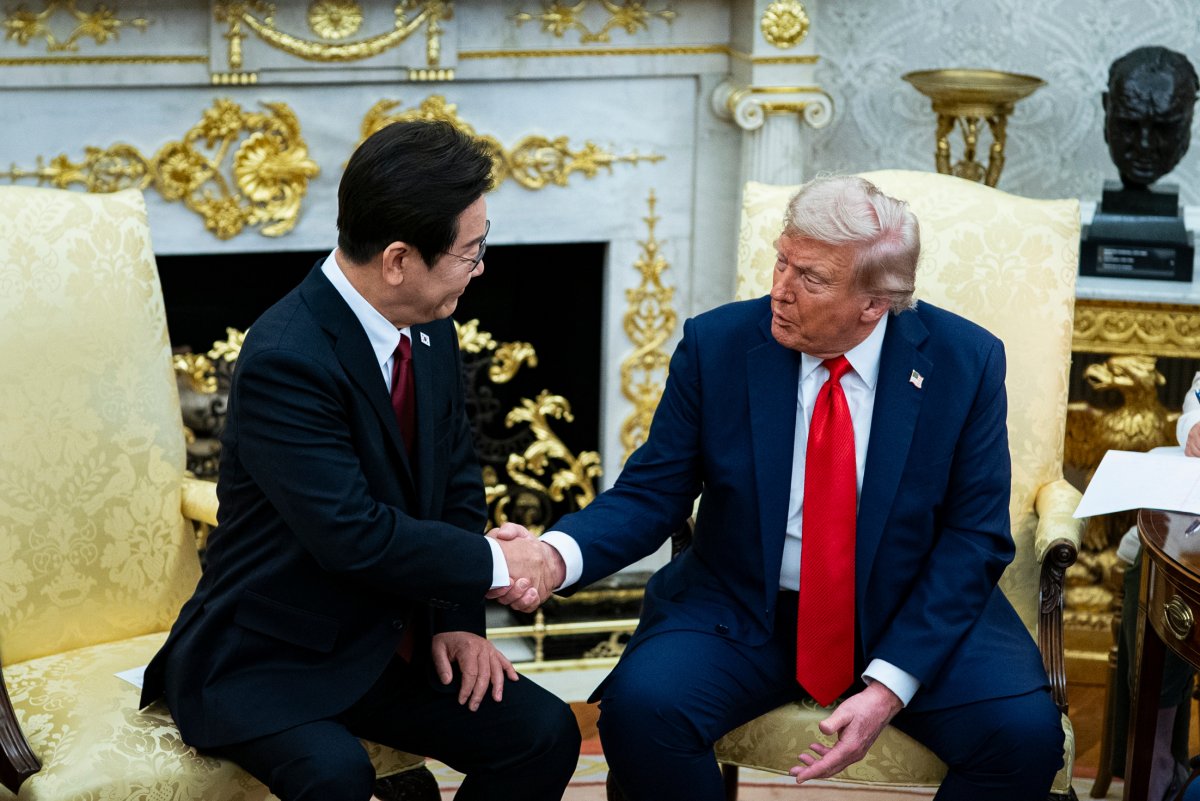
The summit between Trump and his South Korean counterpart, Lee Jae Myung, at the White House on Aug. 25 came less than a month after the allies reached a framework trade agreement that set US tariffs at 15%. The summit sought to hammer out the details of Seoul’s trade and investment pledges and address how to bolster a key Indo-Pacific alliance. Much is at stake for both countries, South Korea being the world’s third-largest LNG importer and a key market for the US, while Seoul has a competitive edge in strategic industries like shipbuilding that the US is eager to rebuild.
Catching Up
The summit carried heightened importance because South Korea’s political crisis, which included a declaration of martial law in December and a snap election in June, had put it six months behind the rest of the world in dealing with the Trump administration’s huge policy shifts, according to Victor Cha, the Korea Chair at the Center for Strategic and International Studies (CSIS).
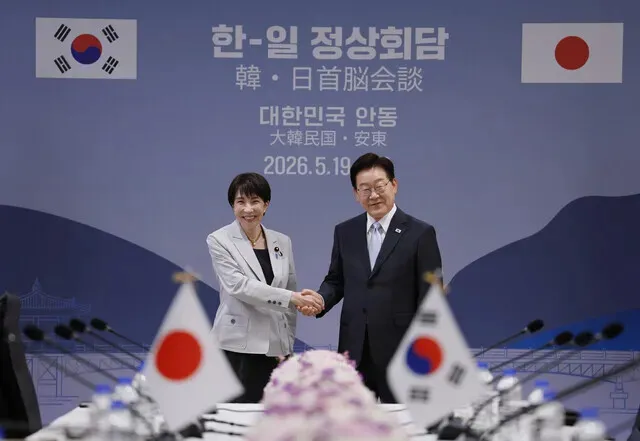
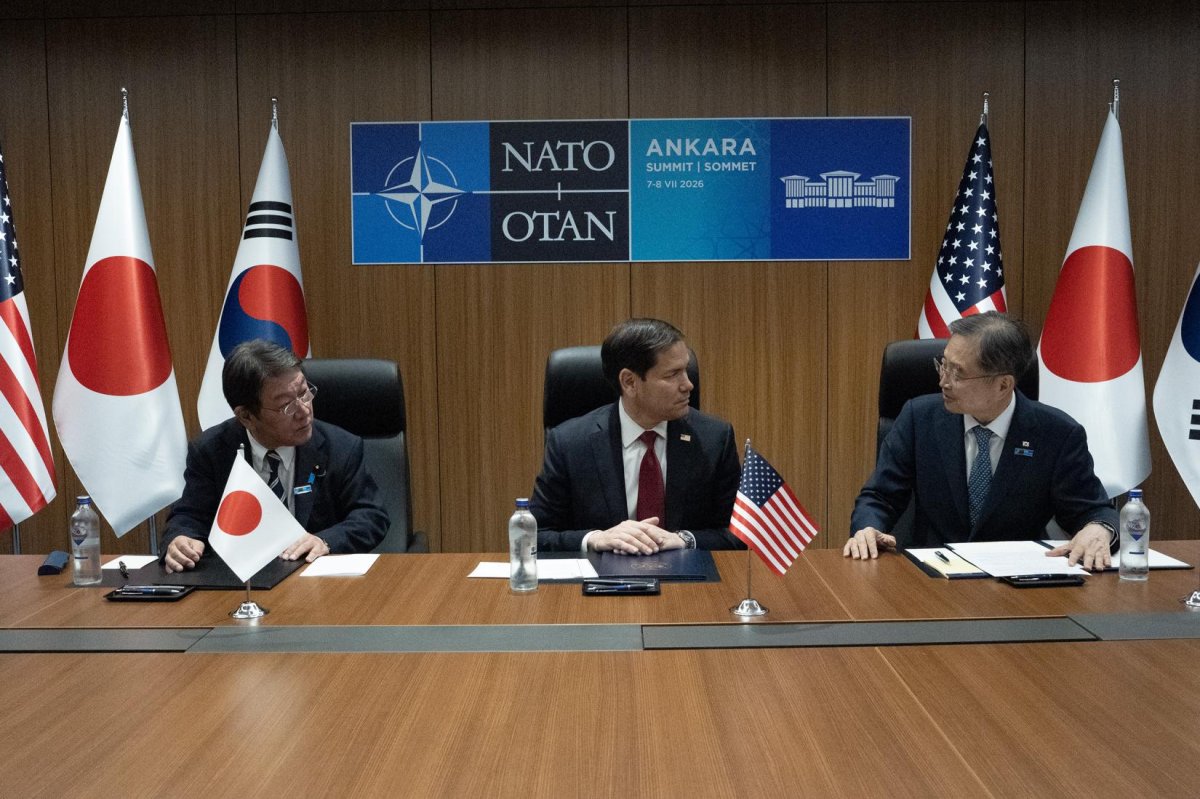
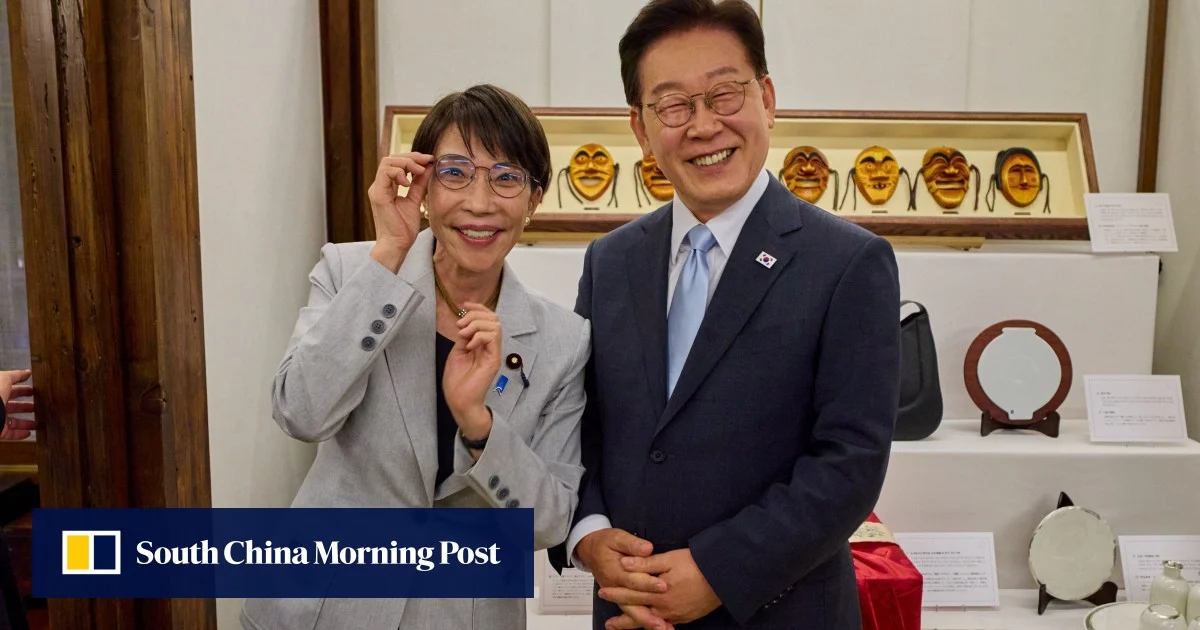
Before heading to Washington, Lee stopped in Tokyo to meet Japanese Prime Minister Shigeru Ishiba, signaling a strengthening of the US-South Korea-Japan trilateral framework begun during Trump’s first term to boost security in the Indo-Pacific. The pragmatic foreign policy of Tokyo and Seoul aims to jettison historical disputes and keep momentum going for improved South Korea-Japan relations, said David Boling, director for Japan and Asian trade at the Eurasia Group.