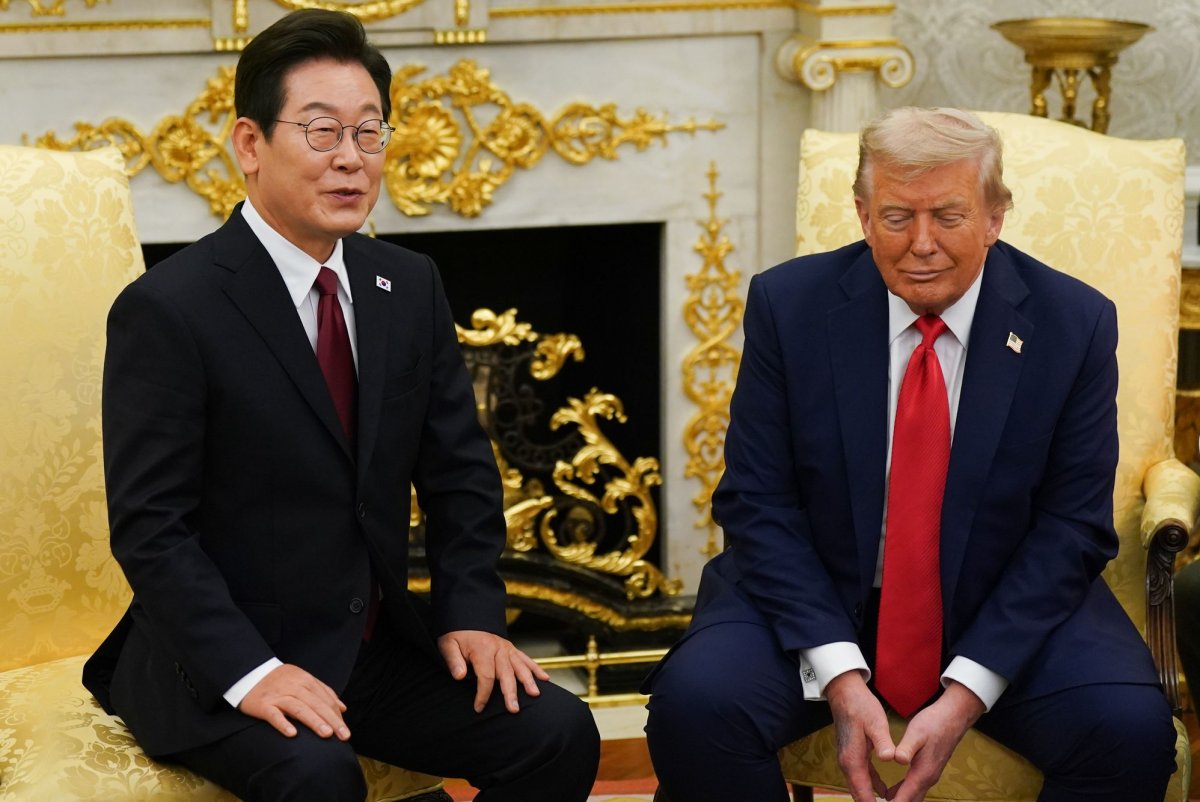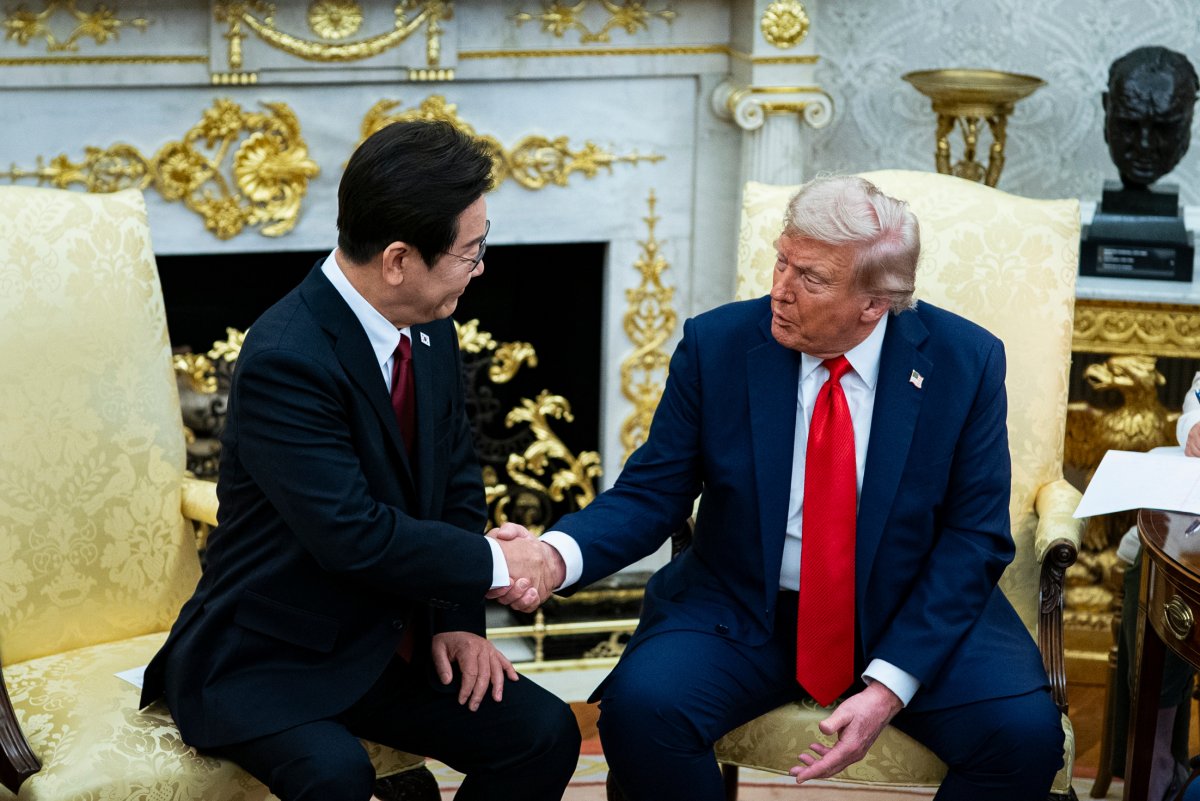
SEOUL, Sept. 1 (UPI) -- When President Donald Trump and South Korean President Lee Jae Myung met for a 50-minute bilateral session at the White House, the tariff number -- 15 percent instead of 25 -- was already fixed. Korean officials and some outlets described it as a reprieve from a looming trade war.
Yet the domestic headlines told a different story. They highlighted investment pledges, industrial cooperation and reassuring words about the alliance. Tariff relief was part of the package, but not the centerpiece. The balance of benefit, however, leaned unmistakably toward Washington.
Days earlier on CNBC, Commerce Secretary Howard Lutnick described the framework: A National and Economic Security Fund seeded with $350 billion from South Korea and $550 billion from Japan, directed by the White House "for the benefit of the United States." He later wrote on X that 90% of the profits would flow to Americans. Korean outlets, including Channel A and the Hankyoreh, relayed those remarks, citing CNBC and X. The message was clear: Allied capital would be put to work for America's industrial revival.
Seoul has stressed that its cash outlay would be under 5%, with the rest in guarantees, and that only a nonbinding memorandum is on the table. But absent a binding text, Washington's framing has set expectations. That reality was underscored when the two sides failed to issue a joint communiqué, a delay attributed by Korean media to U.S. insistence on details over governance, agriculture and troop flexibility.