The season saw Marvel and DC attempting a superhero comeback, a rush of millennial nostalgia plays and surprise theatrical hits from streamers
A
nother post-pandemic summer is over and we have ourselves another reminder that Barbenheimer was a fluke with overall takings down again. With some early hits, such as Lilo & Stitch, some had expected this season’s blockbusters to take the industry to the magic $4bn mark (something only achieved once since 2019, thanks to Margot Robbie and Cillian Murphy), but that was not to be.
Box office was around $3.53bn, a gentle rise from last year, which suffered from a rocky start and ended up at $3.52bn. But what was behind that number and which films should have helped push it even higher?
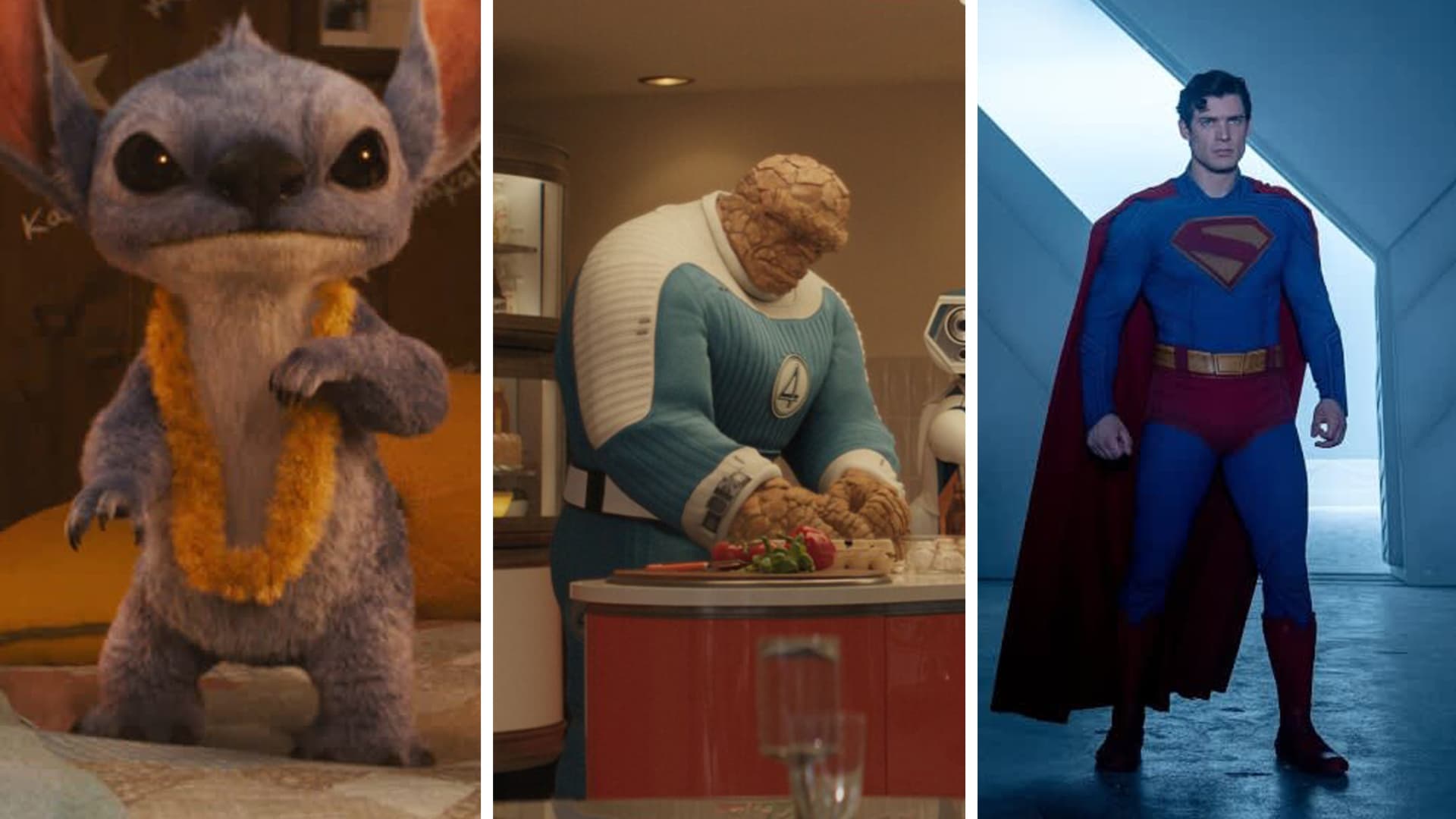
Summer has been overtaken by nostalgia for some time now, but this year was overtaken by a certain kind of nostalgia from a certain period of time. It was a season geared towards those who view the 2000s as a formative cultural period and the bets mostly paid off. In mid-May, the sixth instalment of the Final Destination franchise (which started in 2000 and saw sequels throughout the decade) overperformed, becoming the highest-grossing in the series. In June, Danny Boyle returned to the world of 2002’s 28 Days Later with the start of a new trilogy, racking up $150m worldwide, almost double that of the original. The summer’s biggest hit soon followed, a live-action remake of 2002’s Lilo & Stitch, the only film this season to crack $1bn. The original had been a hit on release but its popularity grew over time as teenagers turned into parents, creating a new generation of fans. Then in August, a follow-up to 2003’s Freaky Friday brought back Lindsay Lohan and Jamie Lee Curtis and flew past $115m worldwide (with more to come). One could even credit the $844m success of another rote Jurassic Park sequel to a generation’s undying love for the original …