This always interesting film-maker displays impressive technical control in this painful, sombre story about a boy who meets the father he never knew
A
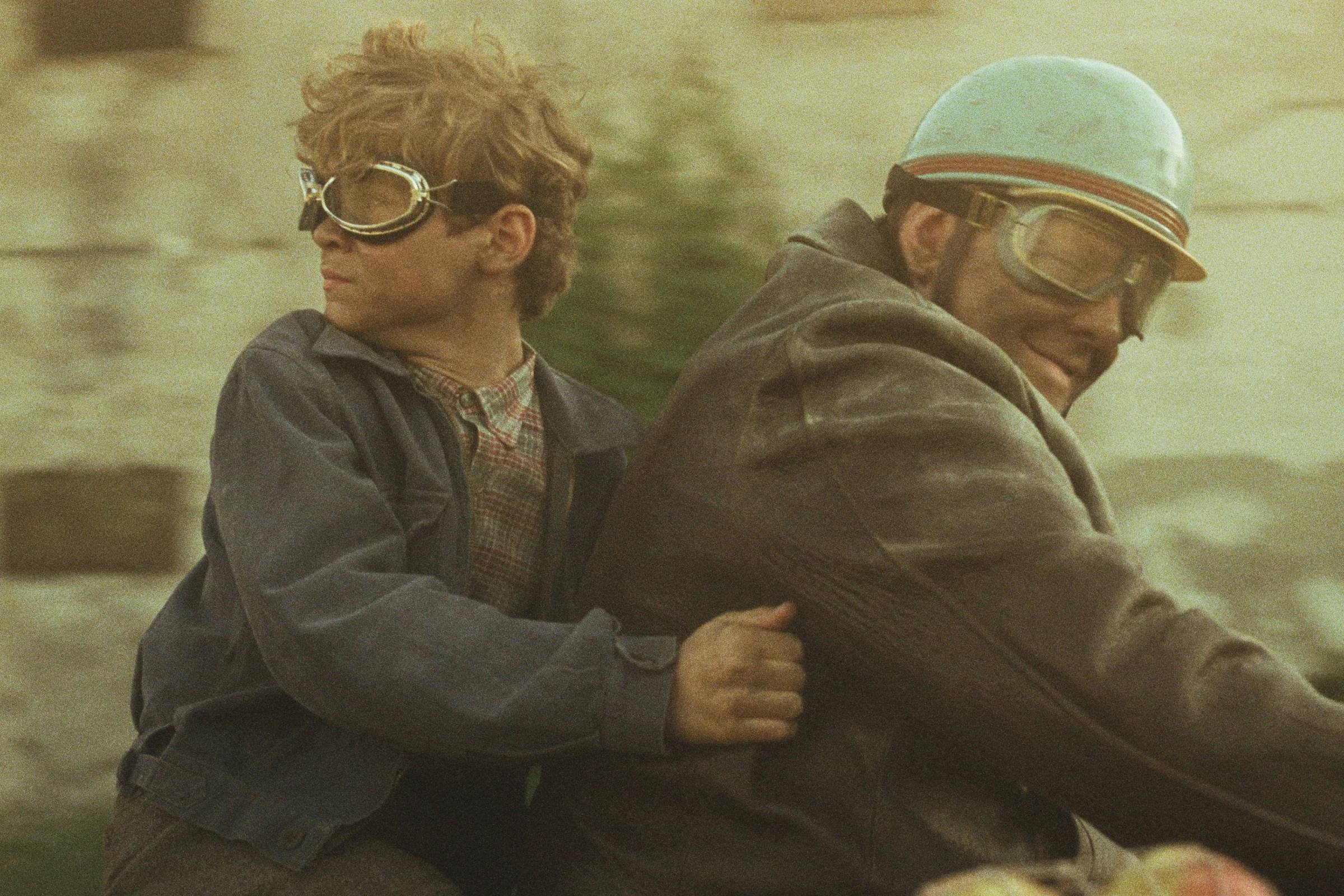
fter the spiritual ordeal of his Holocaust movie Son of Saul, and his complex, nuanced drama about prewar Budapest, Sunset, Hungarian director László Nemes comes to Venice with a valuable, interesting picture: another painful, sombre story from 20th-century central Europe composed in his familiar sepia visual palette, and executed with impressive technical control.
Set in the aftermath of Hungary’s failed uprising against its Soviet masters, it is a story about sons rebelling against fathers, but also about coming to terms with (or having to swallow resentment at) the reality of a new order of power – just as the Hungarian people had to come to terms with Moscow’s rule and with finding their proud spirit of independence stigmatised as quasi-fascist. With no support for their self-determination, Hungarians in 1956 were orphaned by the times.
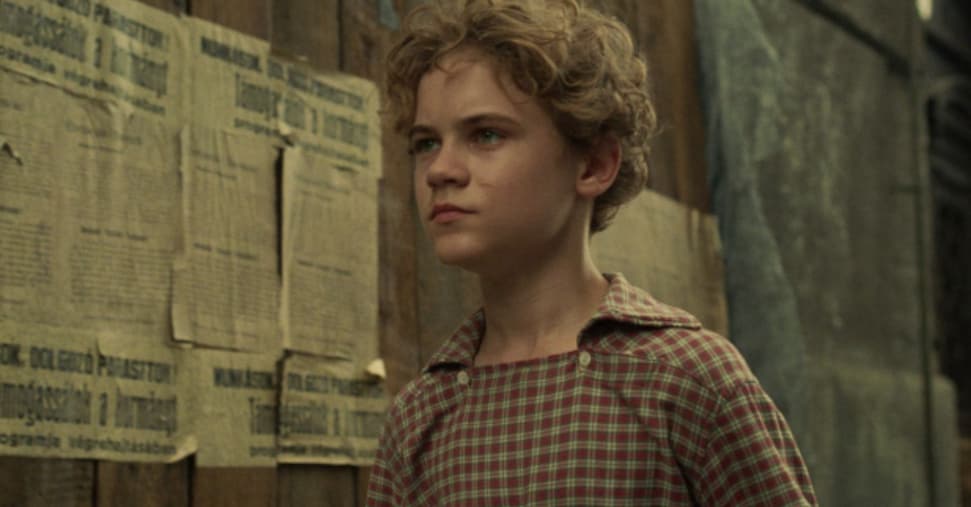
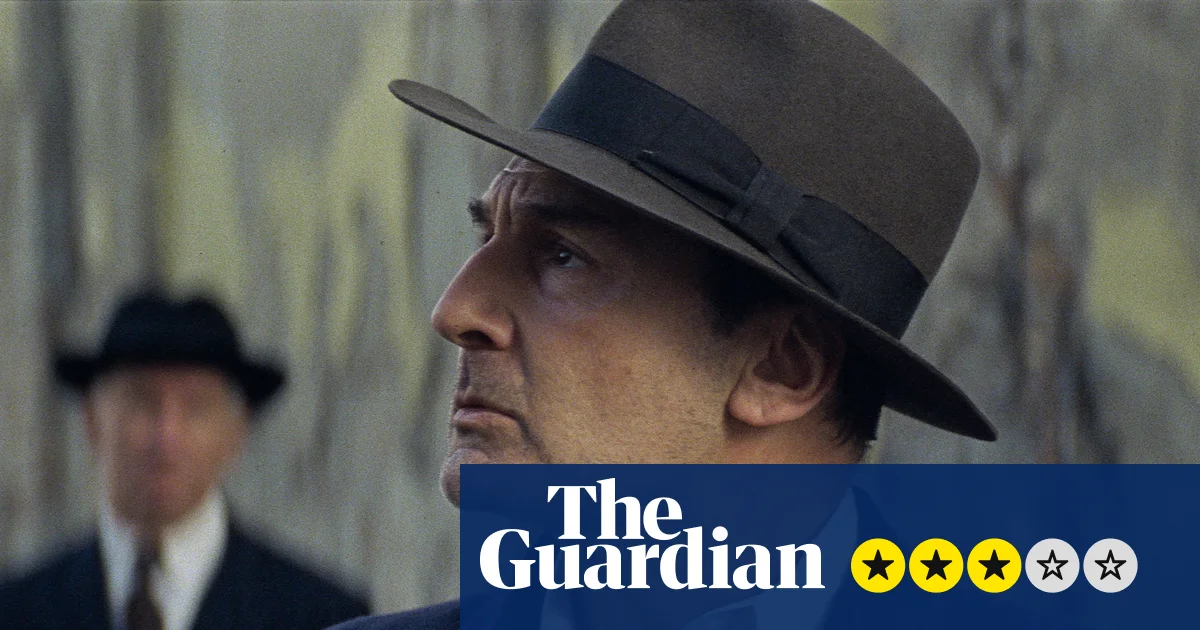
However the orphan of the title is not in fact an orphan; his mother is still alive. Andor (Bojtorján Barábas) is an angry, lonely teenage boy who idolises the memory of his father, Hirsch, who went missing during the second world war but who might still be alive somewhere. Andor still conducts imaginary conversations with him, and his mum (Andrea Waskovics) works in a grocery store. But Andor’s life is turned upside down by the appearance of a brutal, boorish butcher (played by French actor Grégory Gadebois) who smugly – and odiously – seems to be claiming some sort of right over Andor’s mother.