M
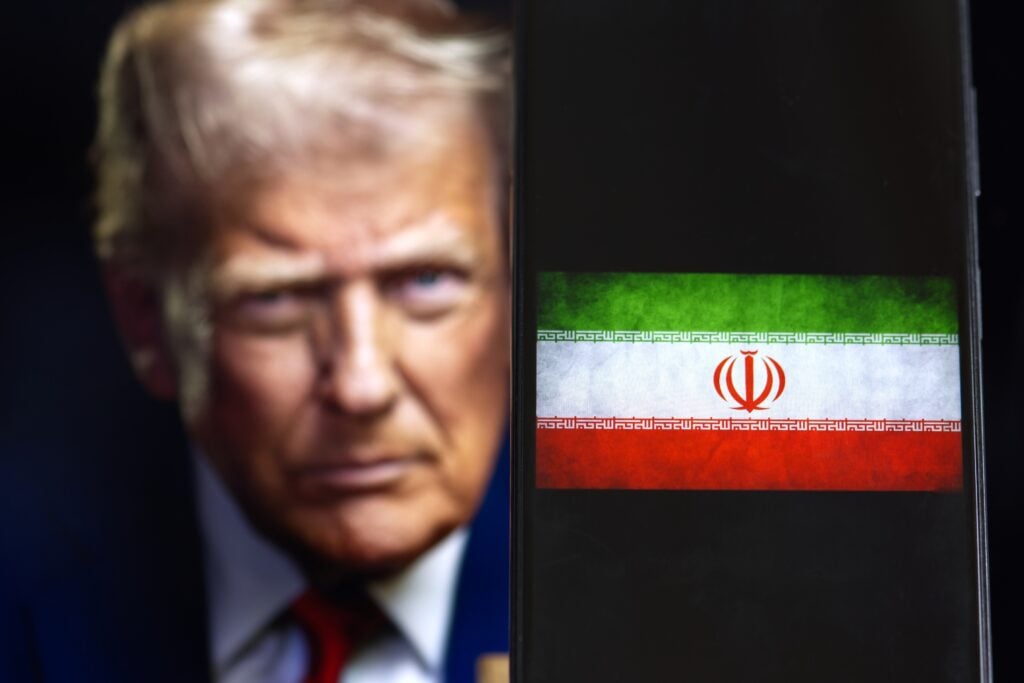
ore than two months after the Israeli-American strikes against Iran, the Iranian nuclear issue has not disappeared from diplomatic agendas. In fact, it has become even more pressing. This persistence reflects, first and foremost, the difficulty of assessing the true impact of the unprecedented bombings that targeted the Islamic Republic in June. The August 23 dismissal of the US military intelligence chief, Jeffrey Kruse, illustrated this point. He was removed following the publication of a report from his department that estimated Iran's nuclear program had been delayed by several years due to the strikes. This contradicted the categorical claims of US President Donald Trump, who had declared that the targeted sites had been completely destroyed.
Subscribers only
Iran nuclear program: Europeans grant Tehran a reprieve before possibly reactivating sanctions
This uncertainty, which underscores the limits of military options, makes it more necessary than ever to resume dialogue with the Iranian regime. This remains the only way to achieve a sustainable and strict framework for Iran's nuclear ambitions, based on verification and transparency. Clearly, the bombings ordered by Israel, later joined by the United States, have made this already difficult objective even more complicated.