Diplomacy can do more to slow Tehran’s alarming progress than threats from Israel
A
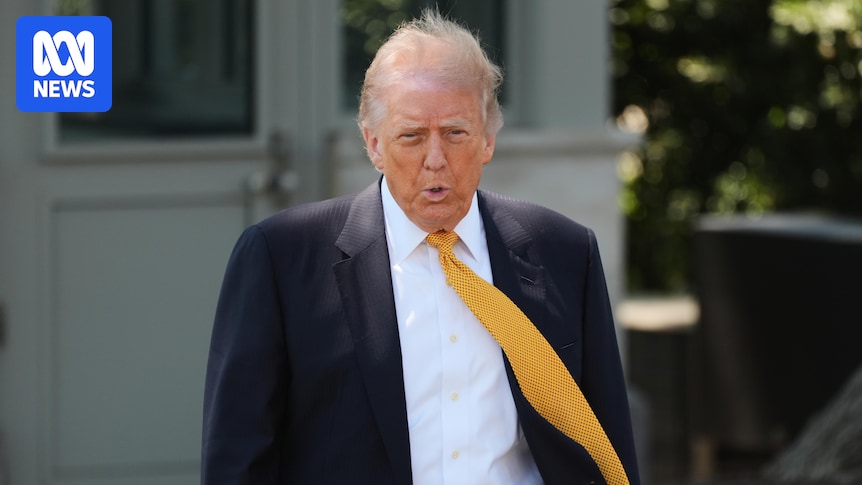
year into his first term, Donald Trump pulled the US out of the hard-won international deal that had slowed Iran’s advance towards nuclear weapons, and imposed punishing sanctions. Europe tried to keep the joint comprehensive plan of action (JCPOA) on life support. But the strangling of Iran’s economy, and the US assassination of Qassem Suleimani, the powerful head of its Quds force, undermined the country’s moderates and the progress on non-proliferation.
The fallout of Mr Trump’s Iran policy is still becoming evident. On Thursday, the UN nuclear watchdog found, for the first time in two decades, that Tehran was not in compliance with the nuclear non-proliferation treaty. Iran vowed to “significantly” increase production of enriched uranium in retaliation, following a pattern of escalation in response to International Atomic Energy Agency criticism. US and European officials say that Israel appears ready to strike its adversary’s nuclear facilities. Fear of the consequences reportedly drove the US decision to withdraw non-essential diplomatic personnel from Iraq, Bahrain and Kuwait.
There is very good reason to be sceptical about an attack. Israel has prepared for strikes on Iranian nuclear facilities before and drawn back. Without US help, suggest many analysts, it could not destroy them and might instead spur Iran into rushing for the bomb, as well as retaliating by other means. Talking up an attack might be intended to draw Mr Trump in, though the US president does not look cooperative. He wrongfooted Benjamin Netanyahu in April when, sitting beside the Israeli prime minister, he announced US talks with Iran. The president’s remark on Thursday that an Israeli strike “could very well happen soon” sounded mostly like it was intended to push Iran towards concessions in the next round of discussions, due to be held in Oman this weekend.