W
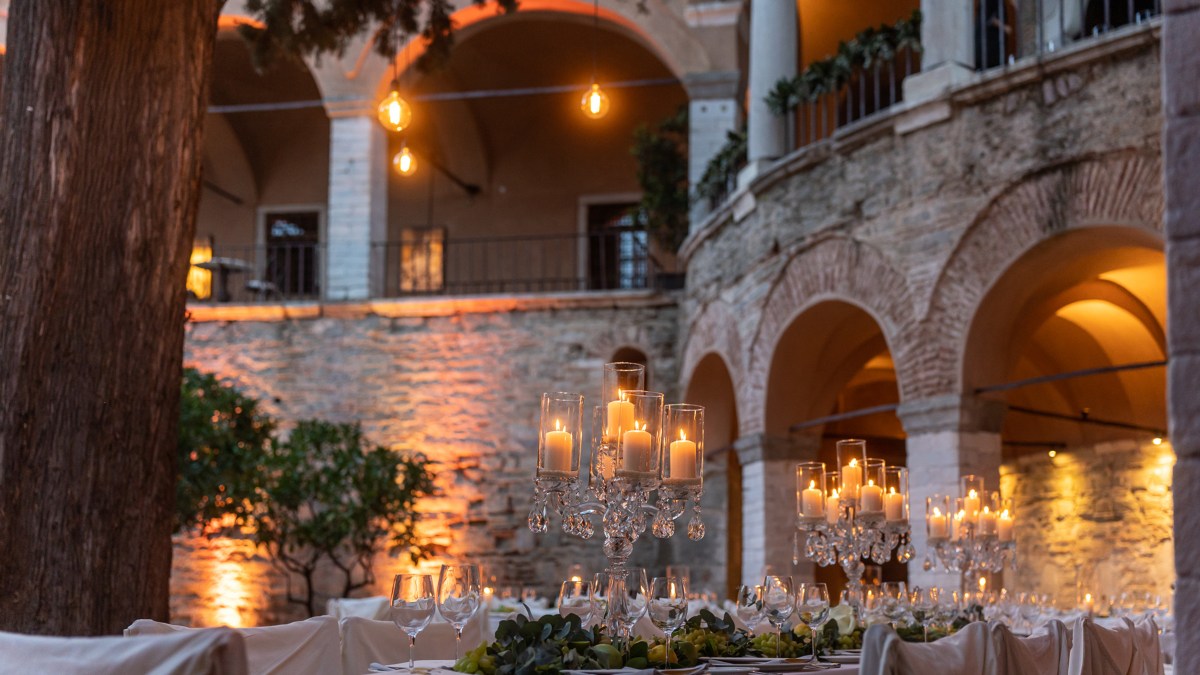
hen I was growing up I always wanted to spend a night in the British Museum, to be alone with the old stones — infused, as I was sure they were, with ancient temple magic. In this way, I thought, time could be collapsed and it might be possible to tumble back into the past, just for a while. After a lifetime of seeking this feeling, visiting Imaret — part monument, part luxury retreat — is the closest I have ever got.
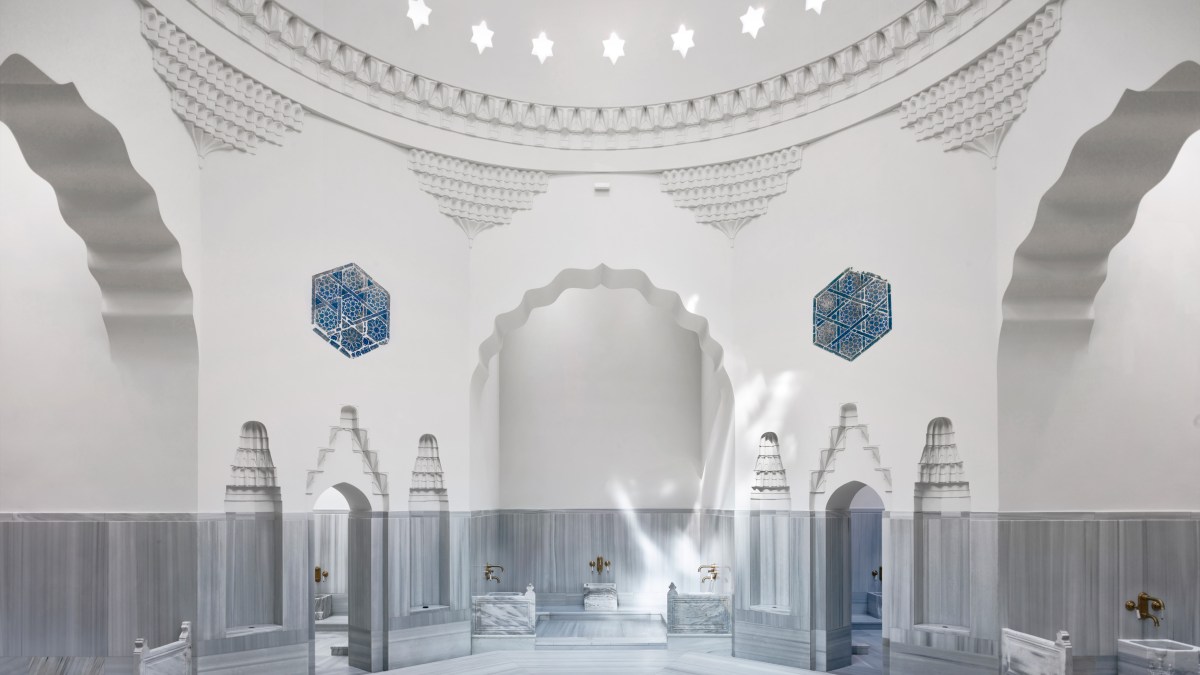
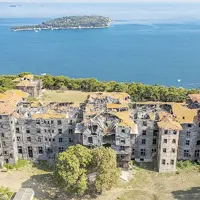
Imaret was built in the city of Kavala, in northern Greece, in 1817, when this part of the country was under Ottoman control. It was conceived, commissioned and paid for by Muhammad Ali (also known as Mehmet Ali Pasha), who had risen in the ranks of the Ottoman military to be made hereditary viceroy of Egypt. He created Imaret as a waqf, a charitable complex to educate boys and to serve food to the local poor. Imaret operated in this fashion for nearly a century, after which it fell into disuse and disrepair. Its beautiful weathered grey domes (there are over 100) and peach-coloured exterior walls remained the most evocative sight in the city — it was built on the site of the ancient Greek Temple of the Virgin (Parthenos) and holds a prominent position on the edge of a cliff in the old town. But its marble interiors became cracked, the roof collapsed, the cells where boys once slept empty, the fountains for washing before prayer dry, the mosque quiet. Until, that is, the arrival, in the late 1990s, of Anna Missirian. A Kavala native and local tobacco merchant (tobacco has long been the financial staple of the region), she decided to rescue the building she had been fascinated by for her whole life.