https://arab.news/n6ren
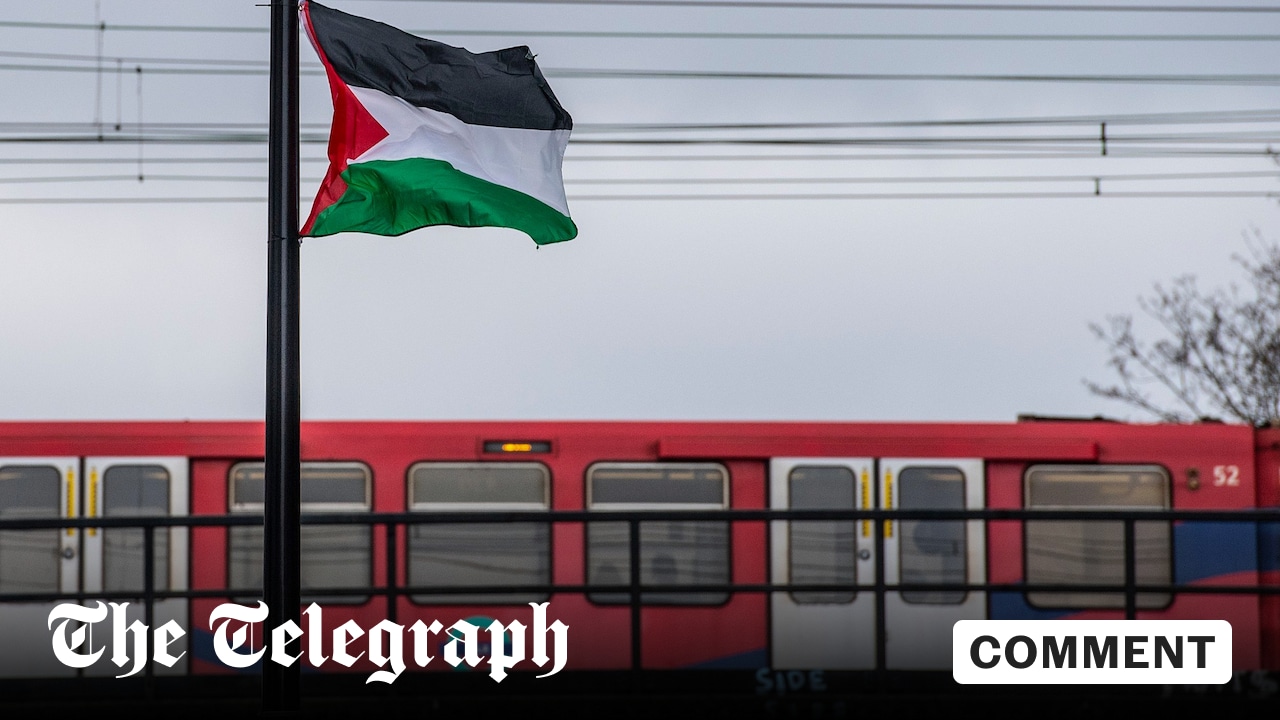
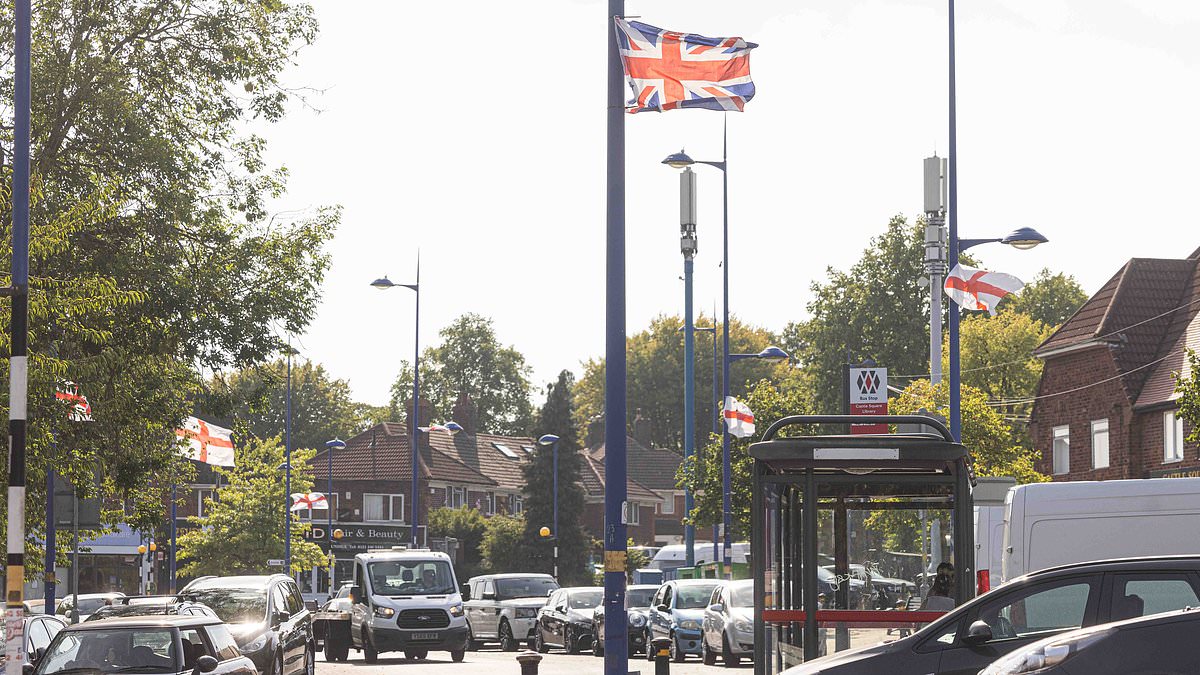
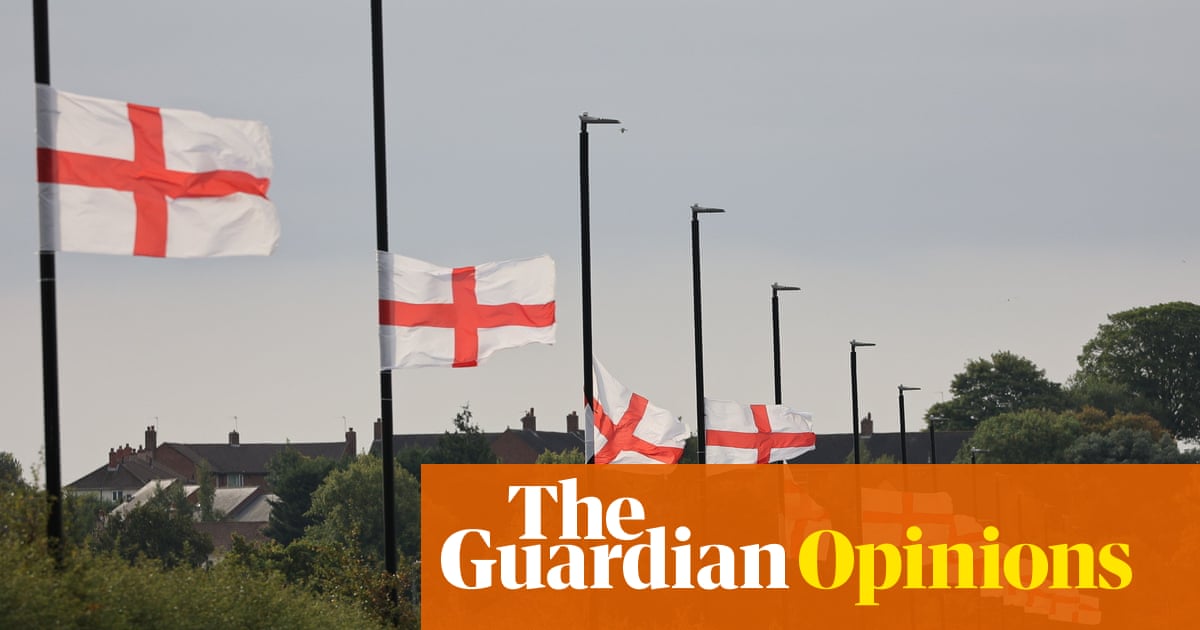
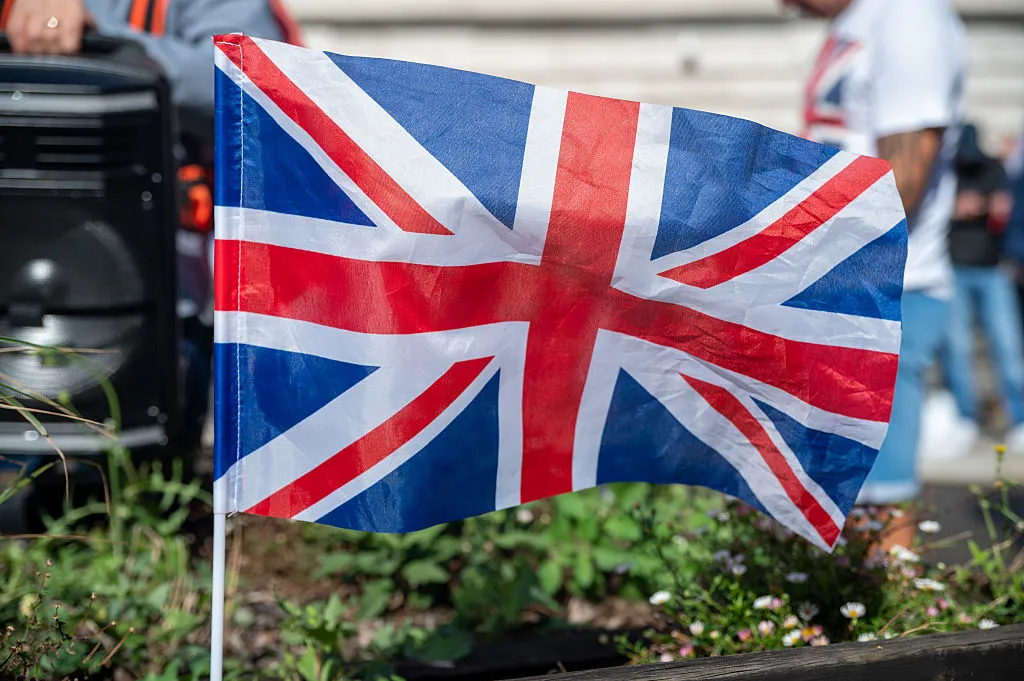
When I first came to the UK nearly four decades ago, I left behind a broken country called Lebanon, where all the various flags had become symbols marking the communal, religious and ideological divides and the dominance of different militias. It would not be an exaggeration to say that all the flags of the political and religious parties, and even foreign flags, were more prevalent in the dark days of Lebanon’s civil war than the Lebanese national flag.
In those days, running street battles were fought because one political party or militia’s flag encroached on an area controlled by another, with dozens often killed or injured and the city terrorized by yet another wave of violence.
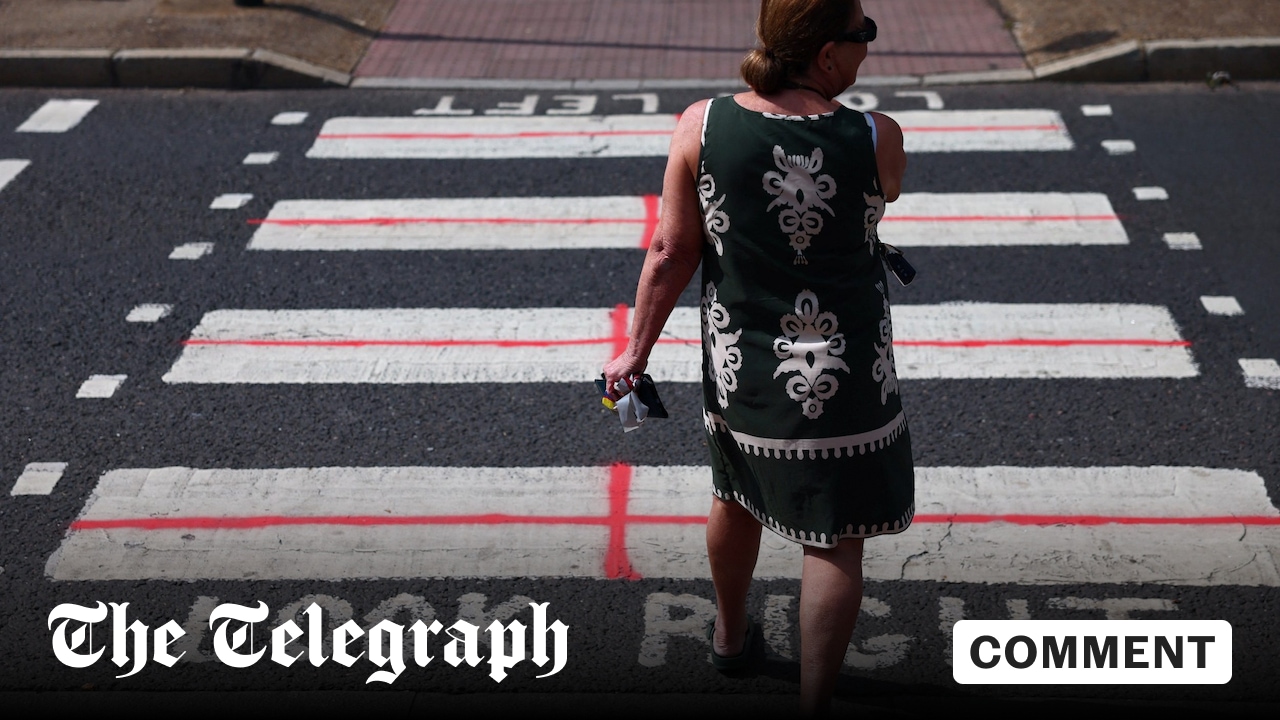
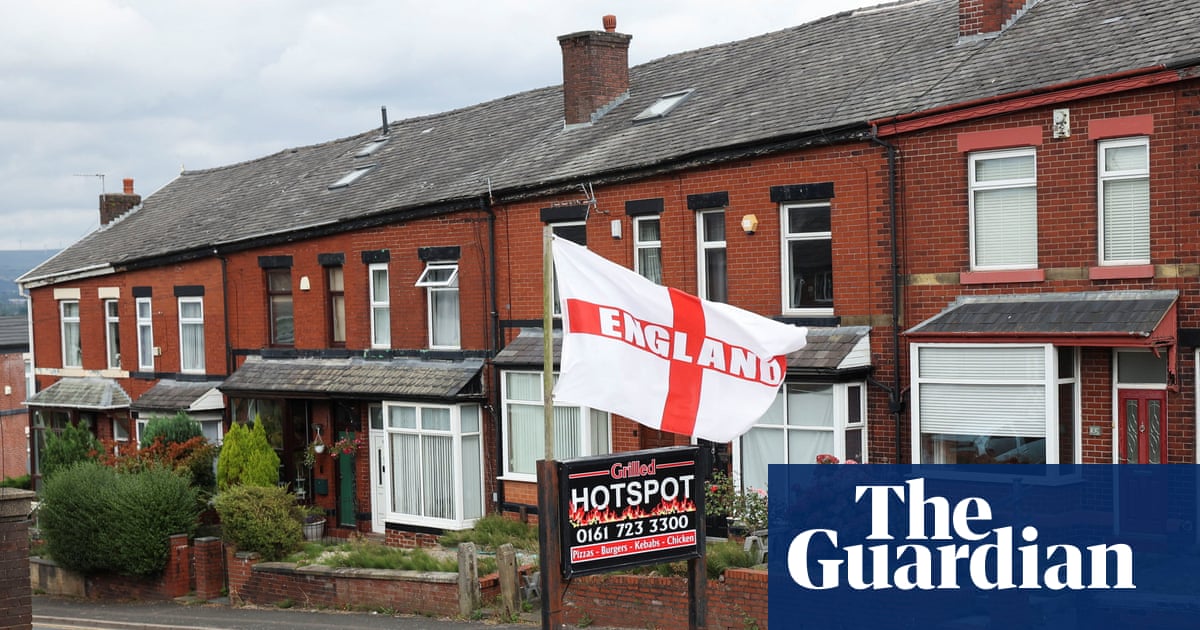
For me, like many others, the demarcation and raising of flags were not innocent individual acts of belonging and pride or communal expressions of joy or grievances. Rather, they were surely driven by some type of activism or motivated by clear political or military aims.
Ever since those events, I have been wary of people flying flags and other symbols for a cause or in solidarity with something. My first visit to Belfast, to attend a wedding in the late 1980s, when the Troubles were still ongoing in Northern Ireland, brought me face to face with old scars.