Politicians love a single, unifying narrative, but it’s more complicated for those of us who see UK life and history through a different lens
A
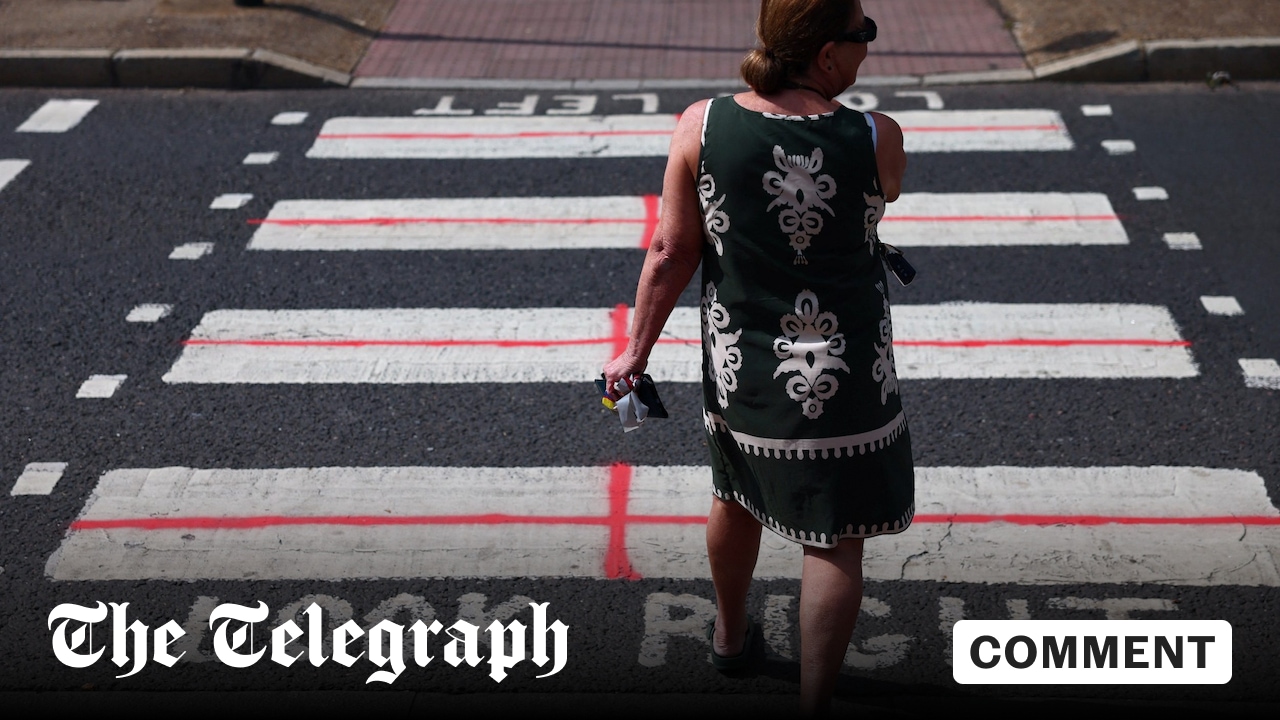
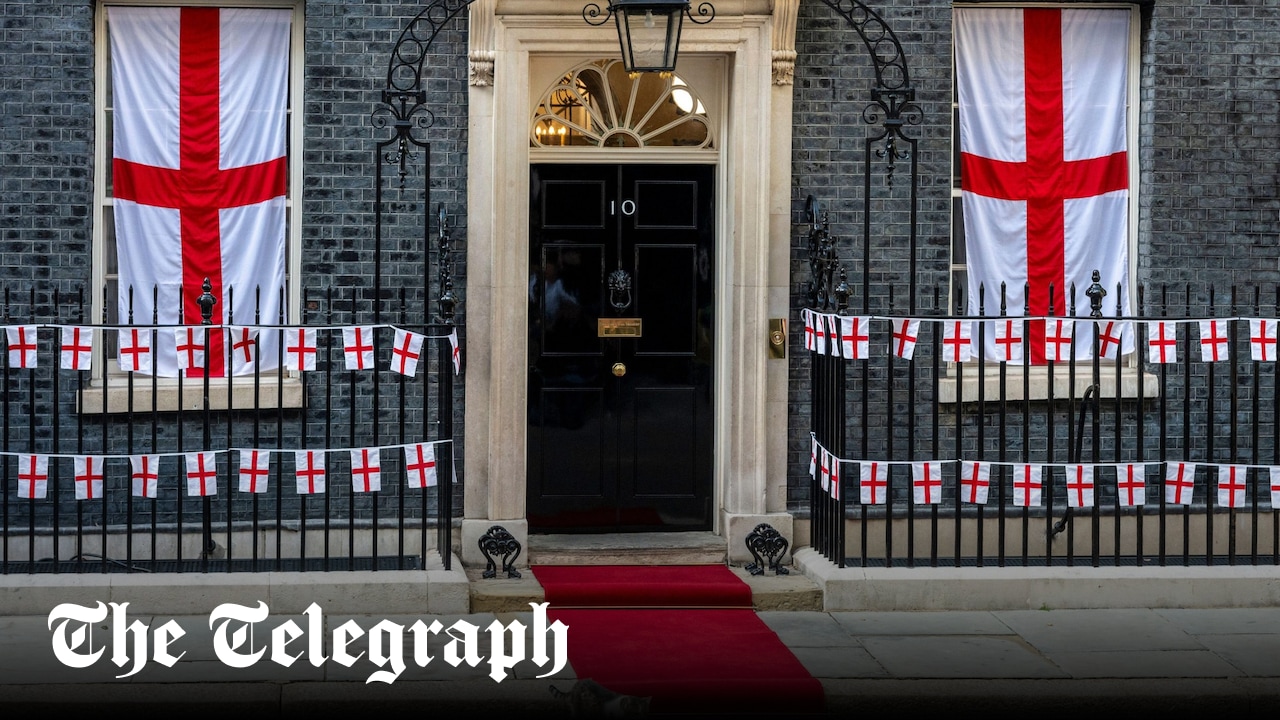
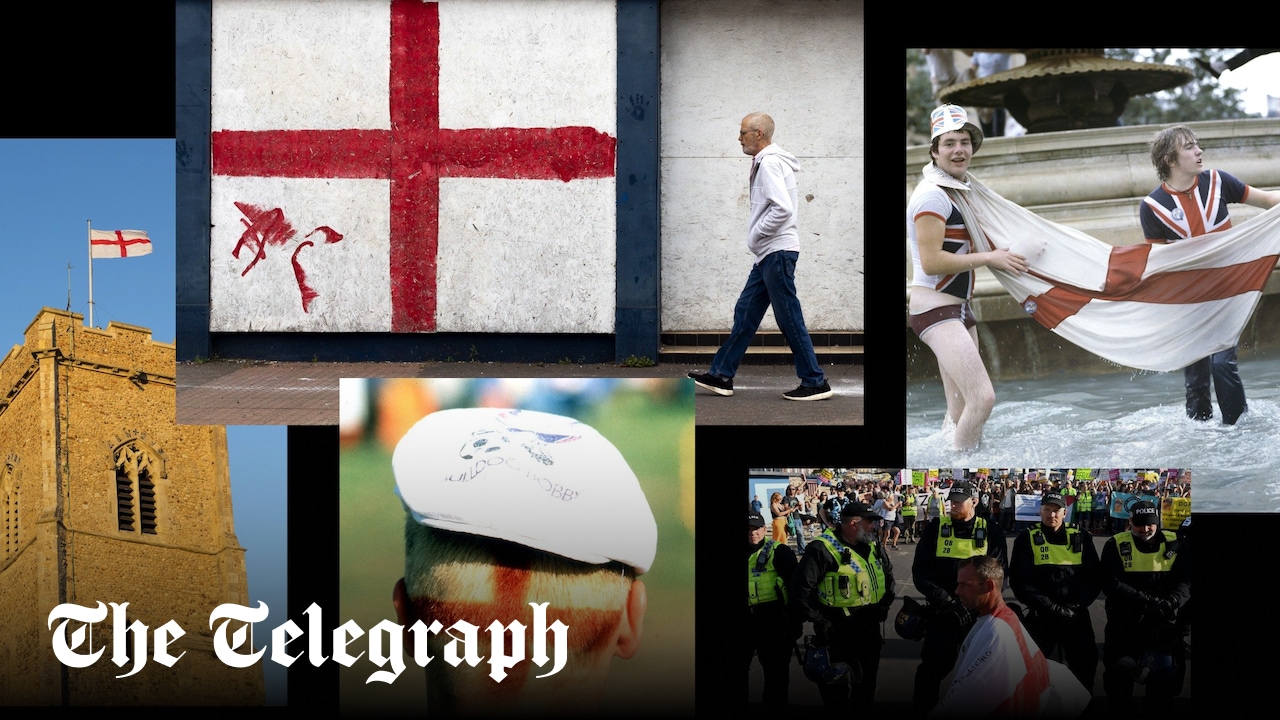
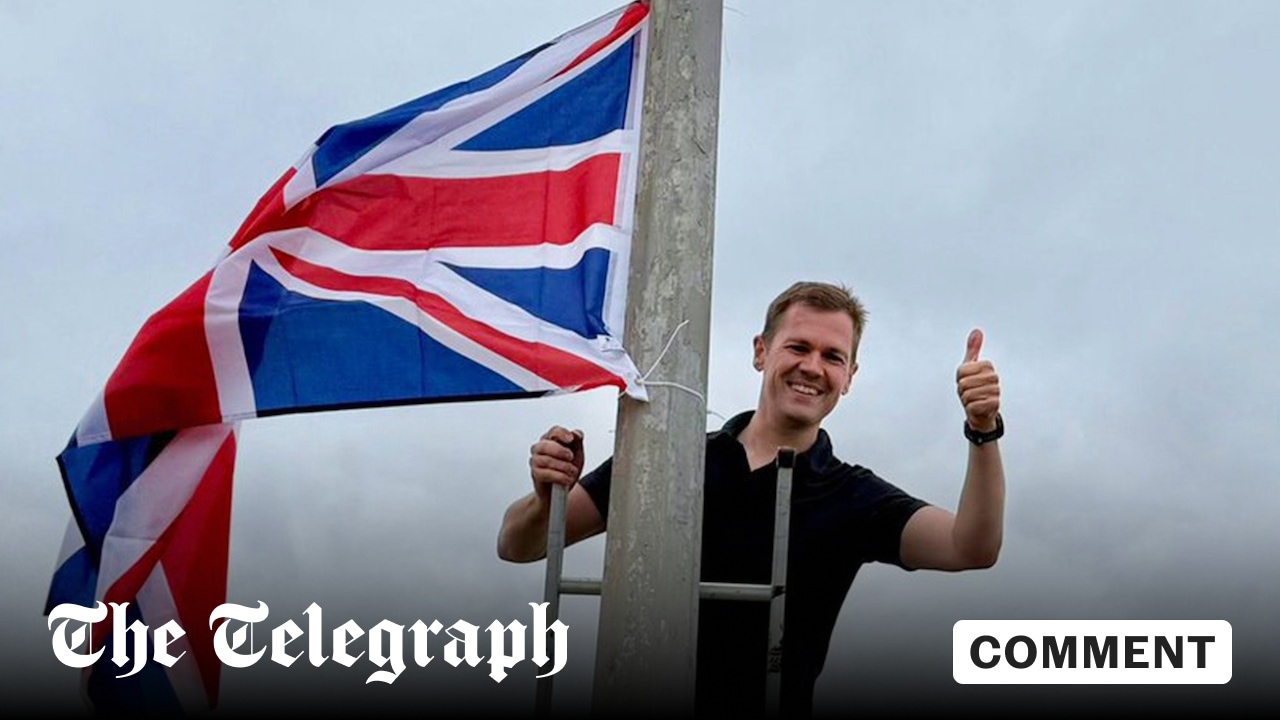
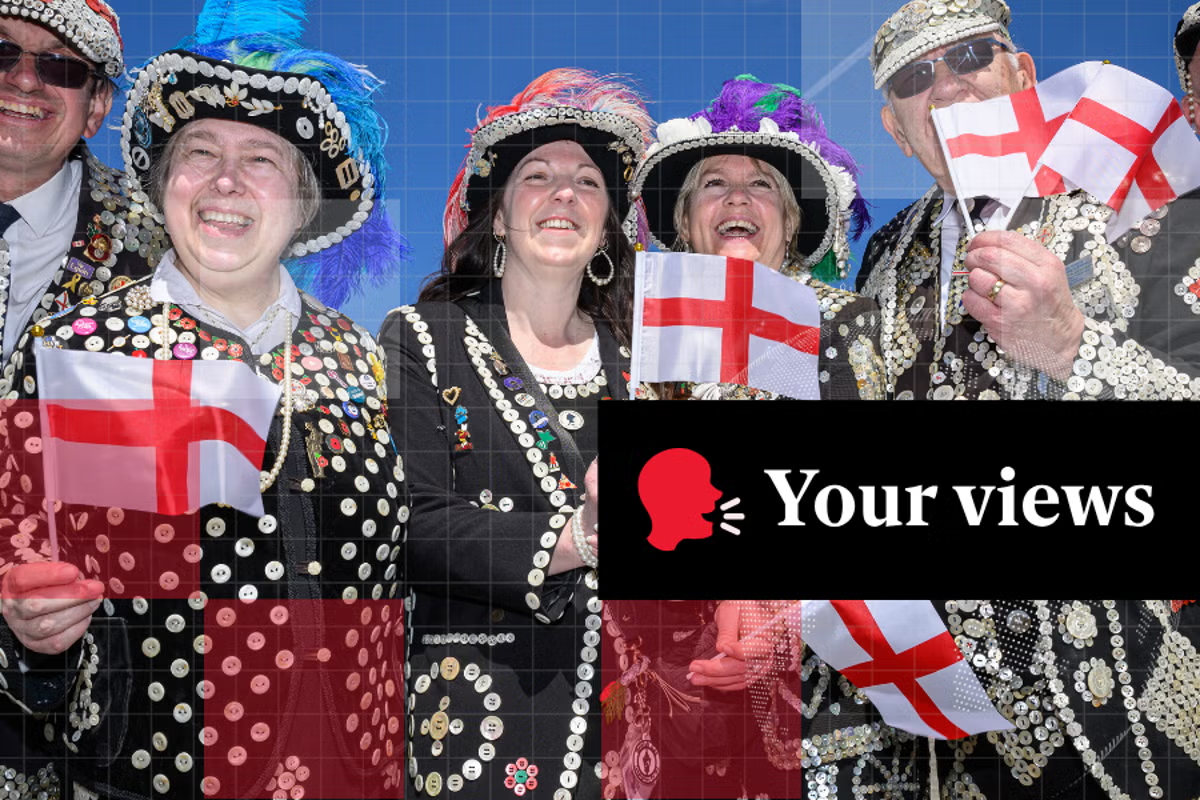
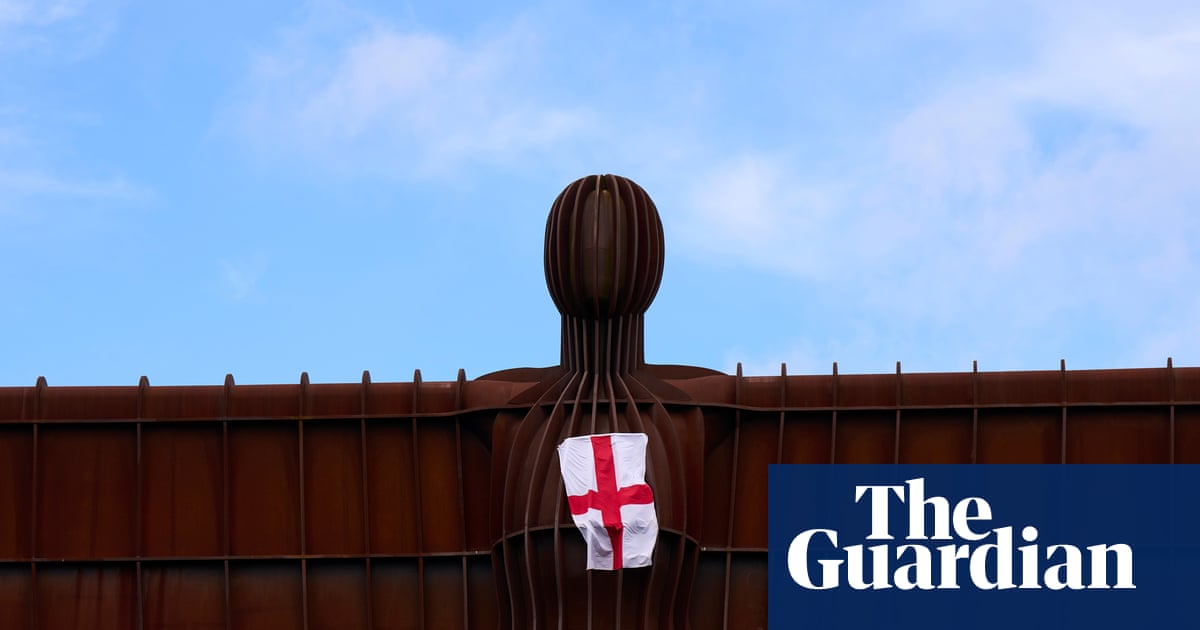
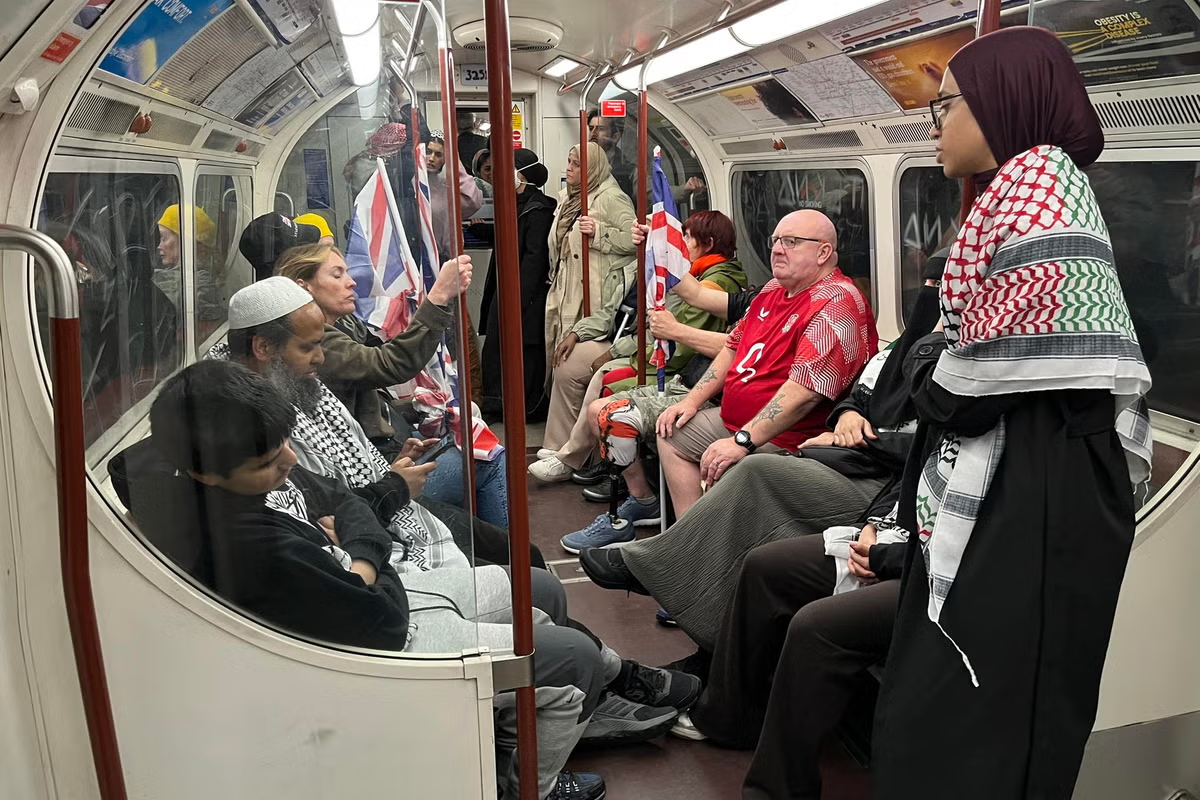
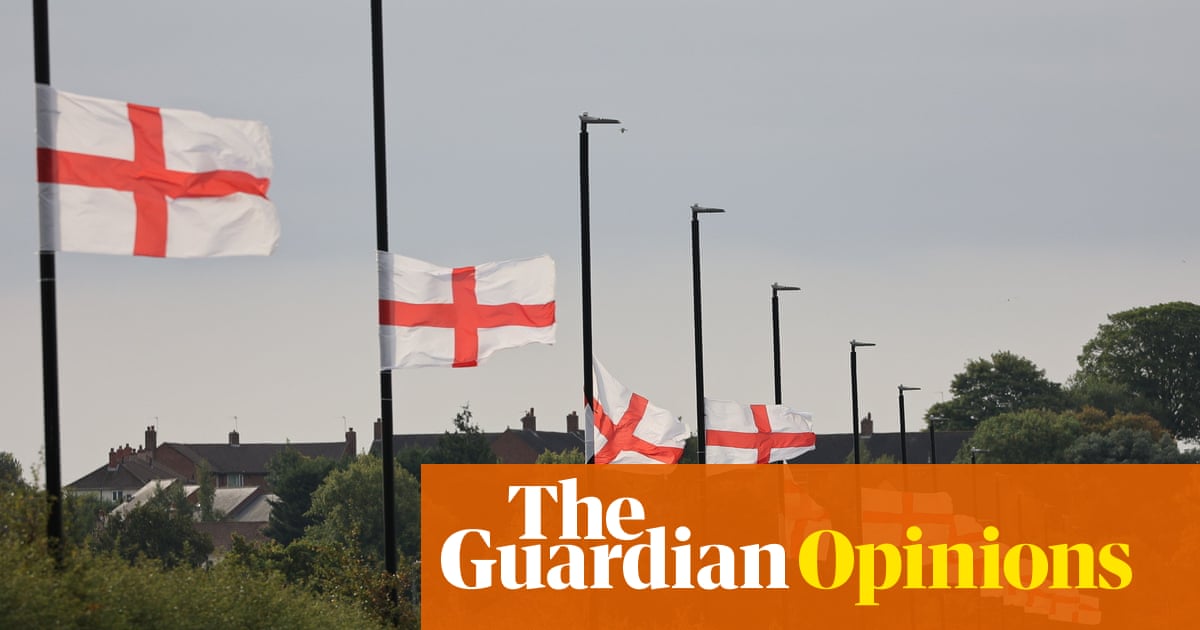
re we, to echo Keir Starmer’s now infamous phrase, “an island of strangers”? No. But there is a deep cultural divide in this country, a cultural dissonance we don’t discuss but should. Witness the row about the Wythall Flaggers, the group that has erected numerous St George’s flags in the Worcestershire village to parade its patriotism. What does it mean? Is it laudable patriotism or a nod to the hard-right, anti-migrant politics that is fast becoming mainstream? Is it inclusive or exclusive? “We have members of the community of all ethnicities and religions stopping by and praising what we are doing so please don’t call this racist,” say the organisers.
Maybe that is so, but certainly different people will look at those flags and take different meanings from them, feel different emotions. That’s pretty much our island story now. We are the same, but we’re different.
The VJ commemoration last week, led by King Charles, spoke to that. There was all the pomp and circumstance you might expect, but a few hours before Britain and others marked the victory over Japan at the National Memorial Arboretum in Staffordshire, there was, in Delhi’s historic Red Fort complex – and much noted in British/Indian households – a very different celebration to mark India’s 78th birthday as a free nation.