https://arab.news/5gu4x
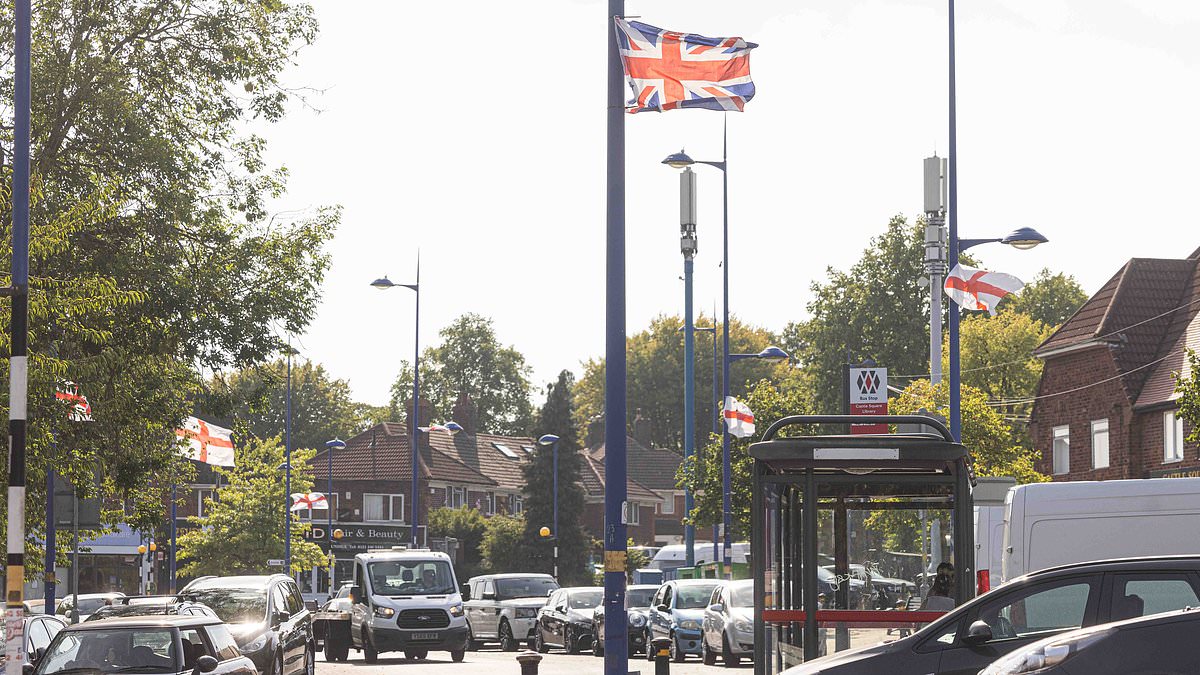
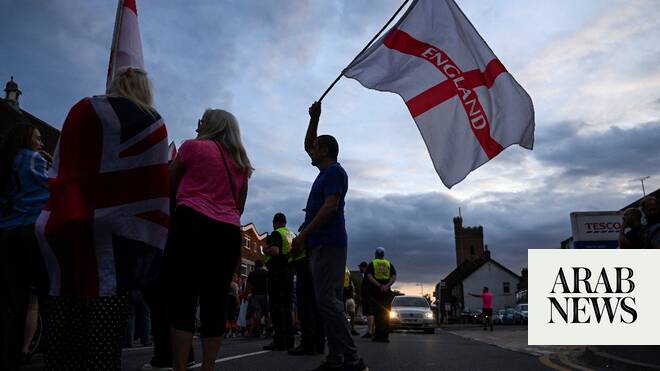
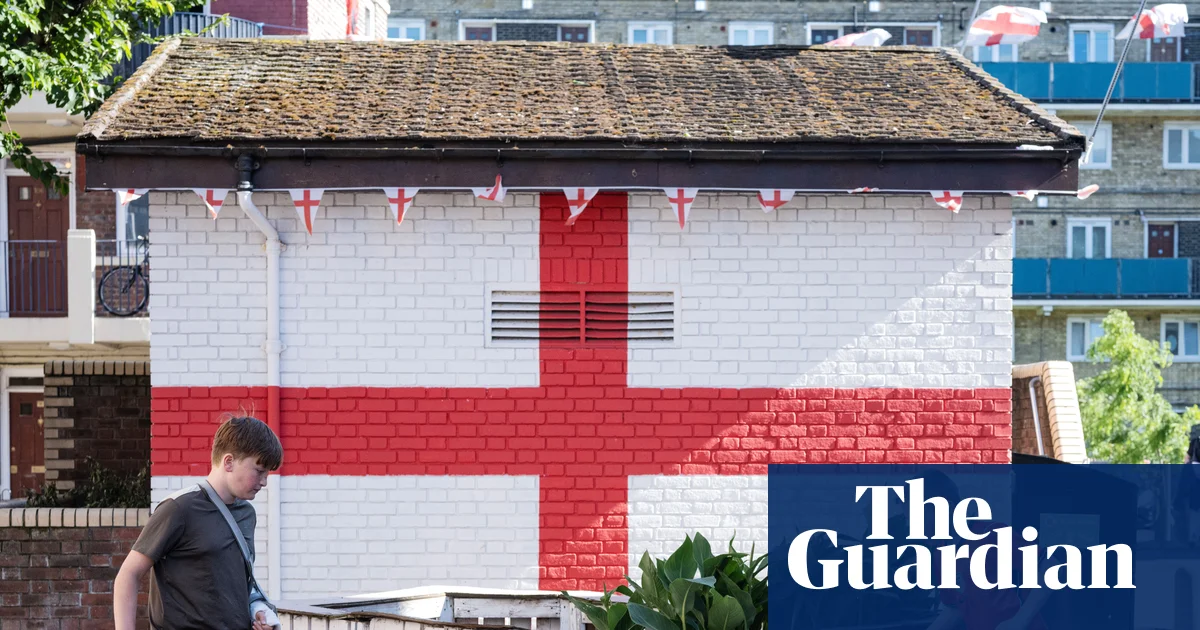
I have been living in Britain since the late 1970s, but have never witnessed what I am seeing today. Some roundabouts in London have been painted with the red cross of St. George — England’s historic and religious emblem, which also features, alongside the cross of St. Andrew for Scotland and the cross of St. Patrick for Ireland, on the Union Flag — against a white background.
This symbolism emphasizes an English identity over identification with Britain. We should note that, hard-line English isolationists see “Britishness” as a contrived identity born out of the Anglo-Saxon nationalist expansion that subdued, then subsumed, the Celtic minorities — the Scots, Irish, and Welsh — under the imperial crown.
It is true that the evolution of the UK — the official name for Great Britain and Northern Ireland — weakened ethnolinguistic loyalties and nationalisms to a degree, but it has not eliminated them entirely. In many conservative rural regions of England, many continue to see the Labour Party as a representative of minorities and foreigners. This sentiment has long empowered the Conservative Party politically.
At the dawn of the 20th century, the Conservatives — the natural heirs of the old Tory Party — and the Liberals, who inherited the position of the Whigs, were the primary protagonists of British politics.