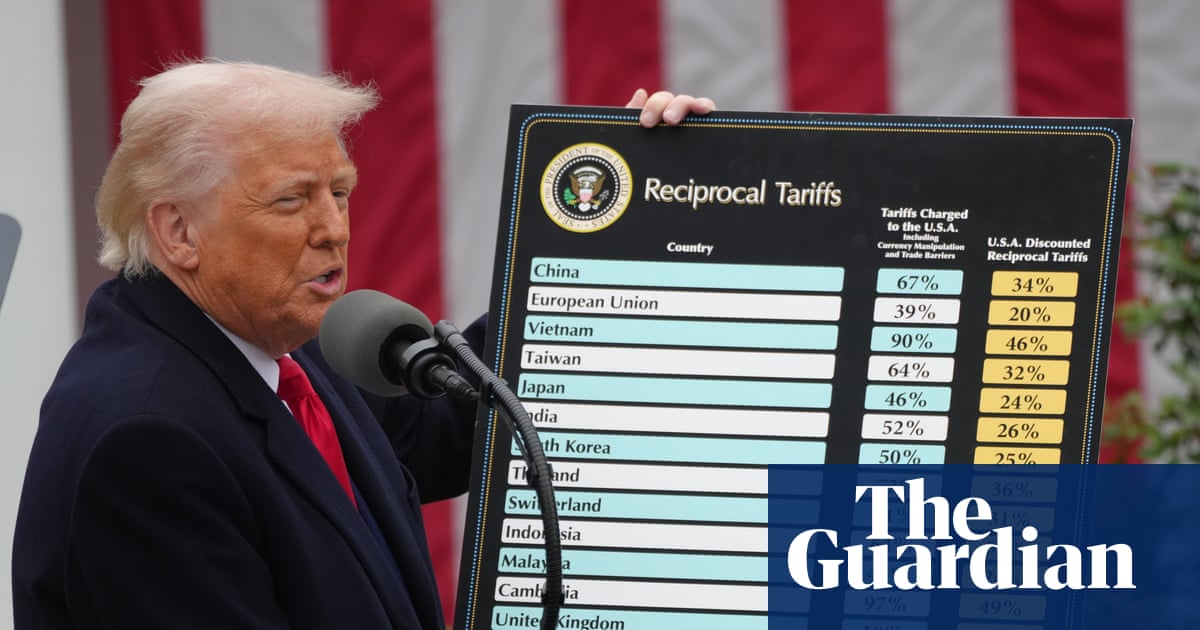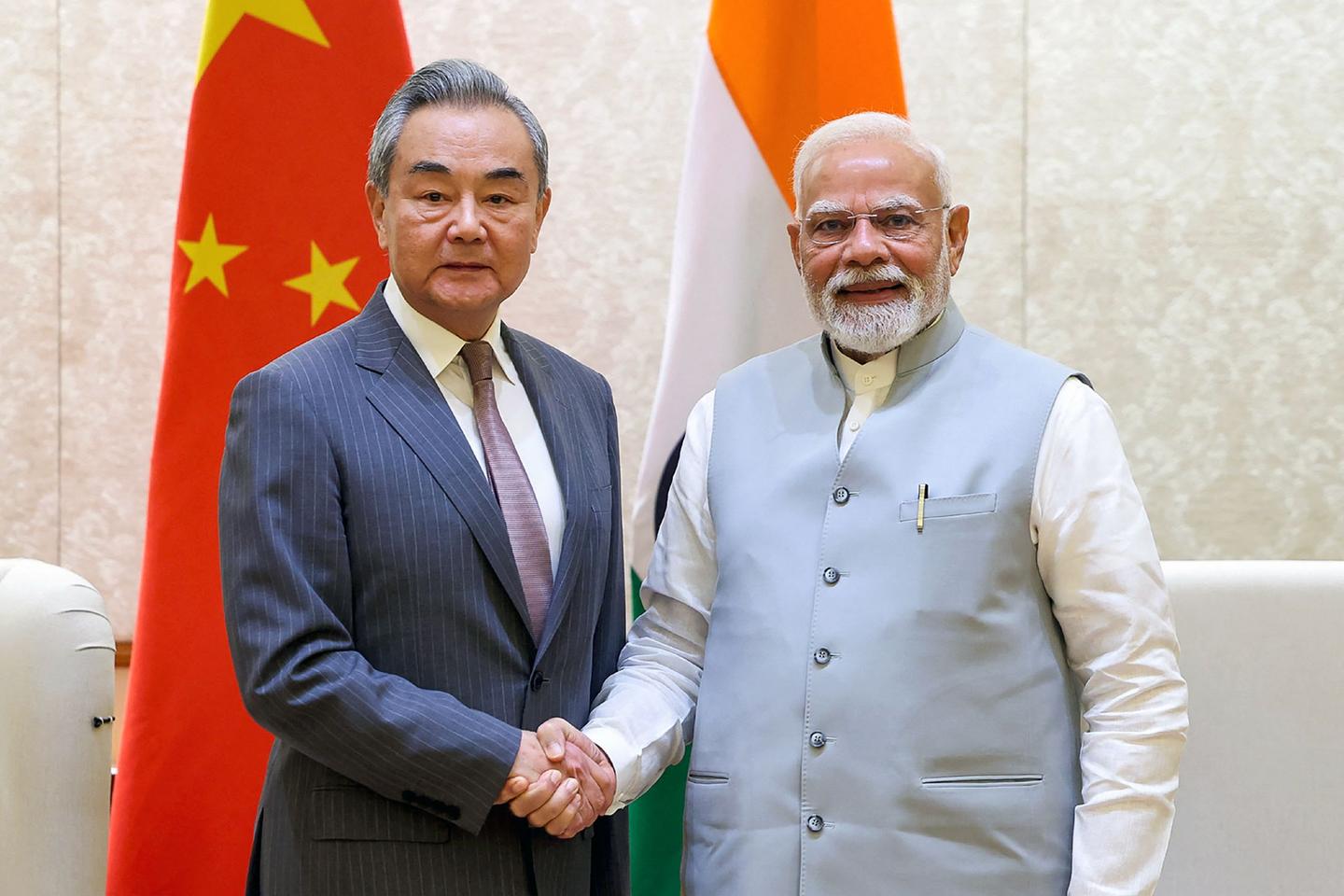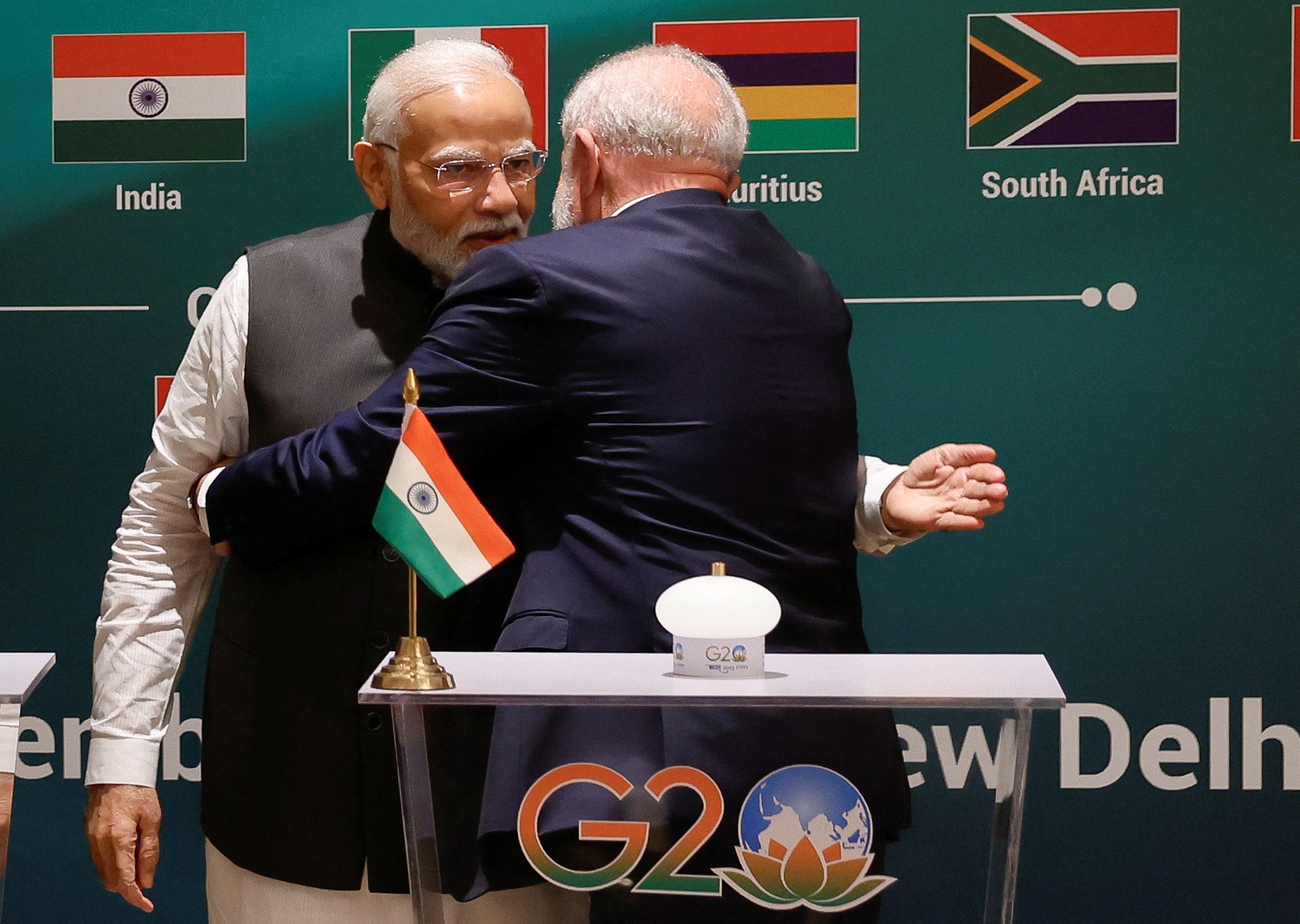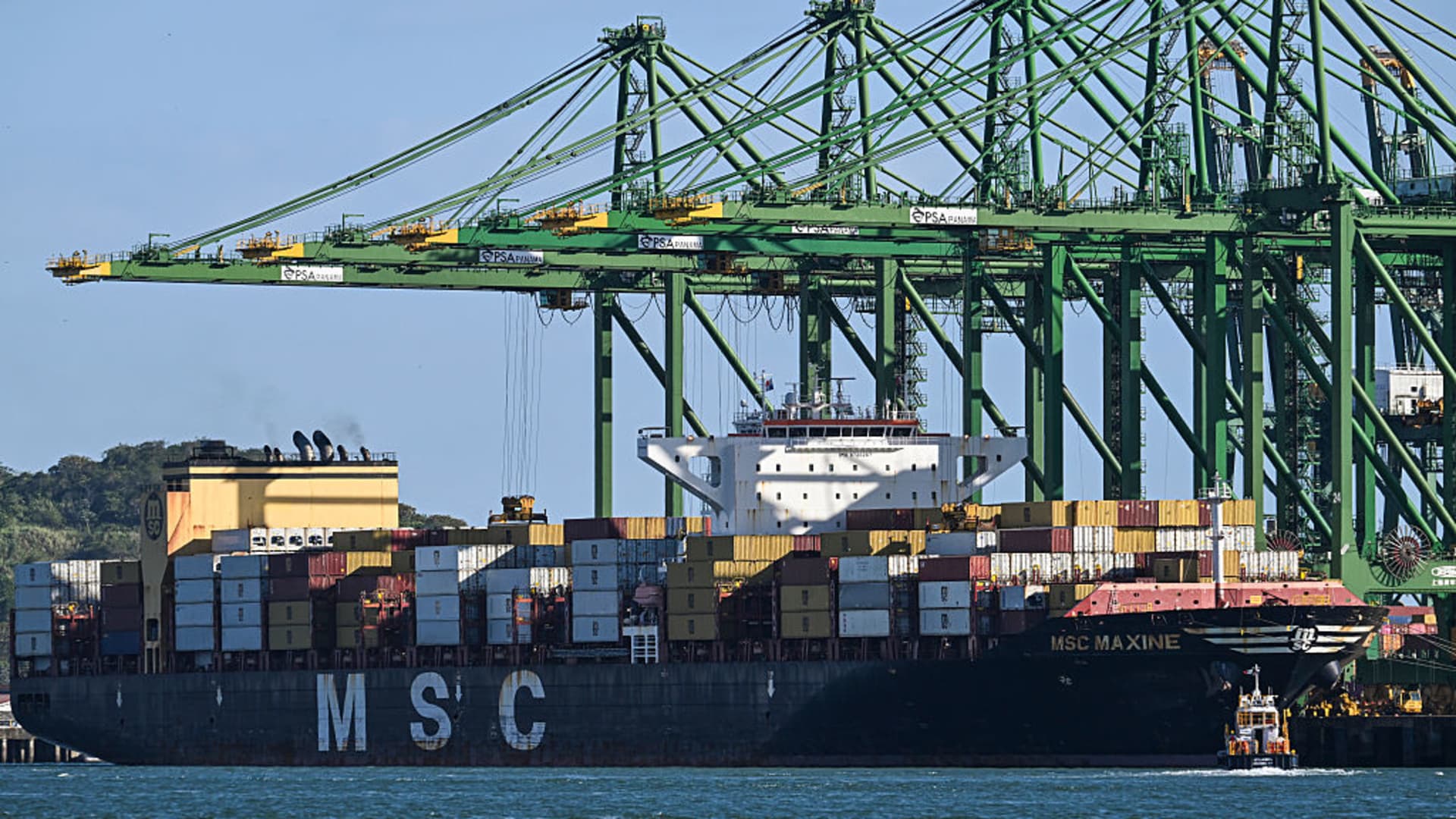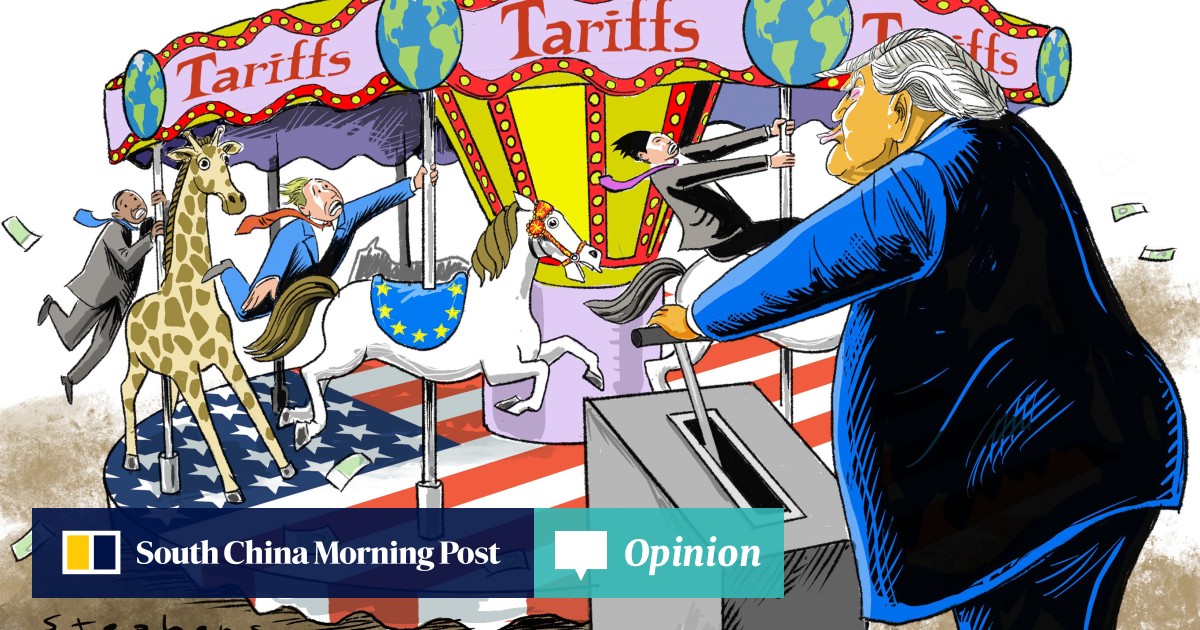
Countries from Brazil to India are exploring collective resistance as Trump uses tariffs to assert political and economic power
As nations in the global south intensify their discussions on how to respond to Donald Trump’s trade war, the early 20th-century British advocate of tariffs Joseph Chamberlain may hold some lessons.
Like Trump, Chamberlain viewed tariffs as a cure-all and believed Imperial Preference – the system of preferential rates with the British Empire – could not only advance national self-interest but act as glue binding the British colonial alliance together.
Chamberlain’s brother Austen argued that through “this mutual trade we can strengthen our common interest, we can spin a web ever increasing in strength between every portion of the empire and we can make our interests so inseparable that when days of stress and trial come, no man can think of separation and no man can dream of breaking bonds so intimate and so advantageous to all whom it concerns”.
Trump, by contrast, did not initially seem to regard tariffs as a means to nurture any web or alliance. Quite the opposite – they became a raw reassertion of US economic dominance, designed to redress the US historic trade imbalances.