Supported by
By Matias Spektor
Mr. Spektor is a Brazilian political scientist. He wrote from São Paulo, Brazil.
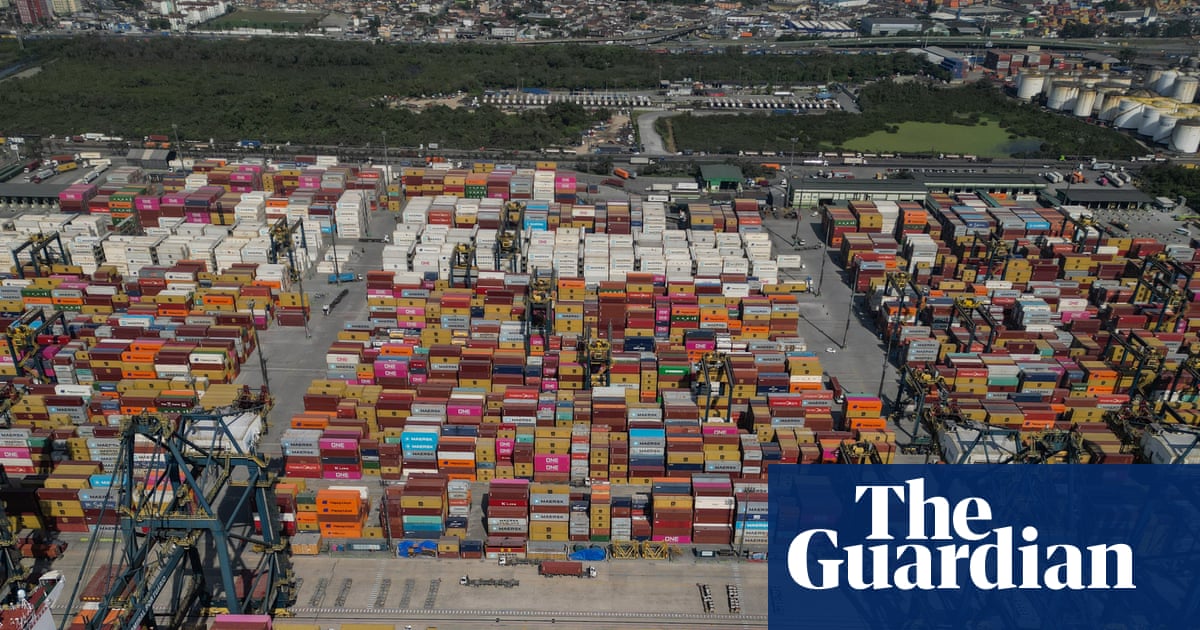
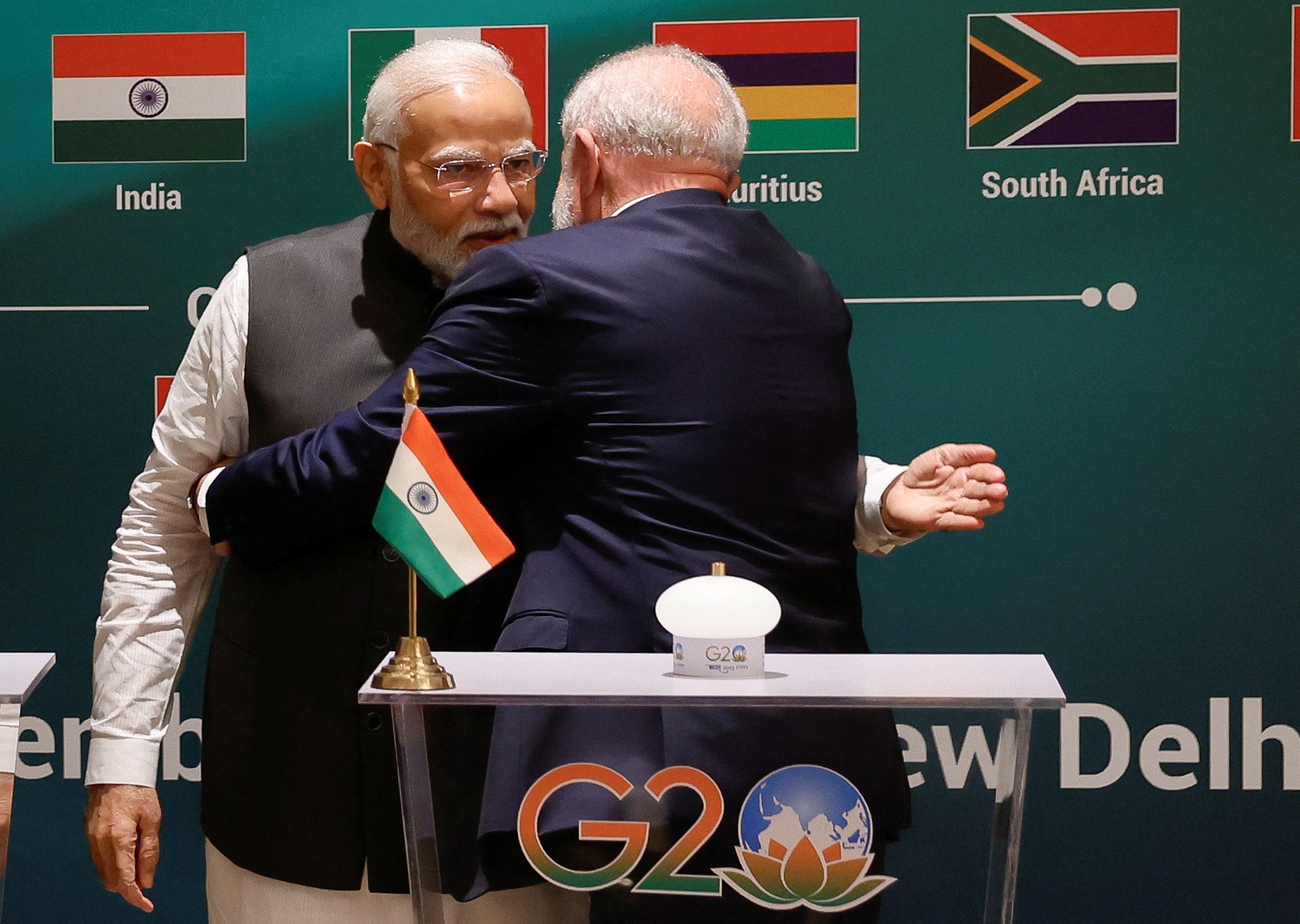
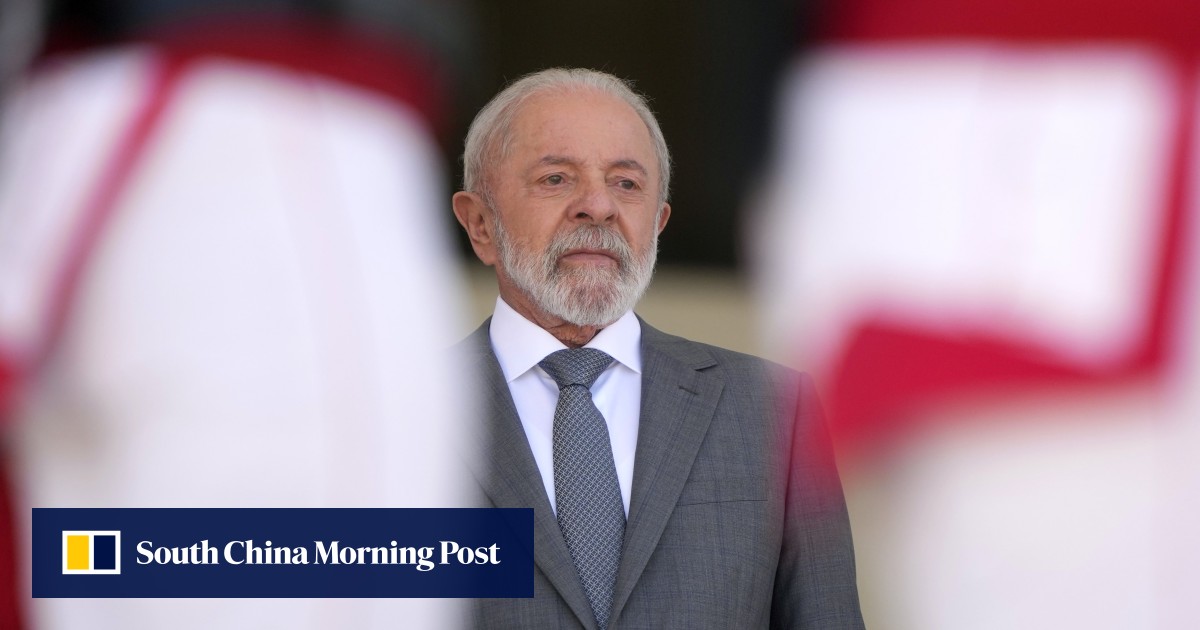
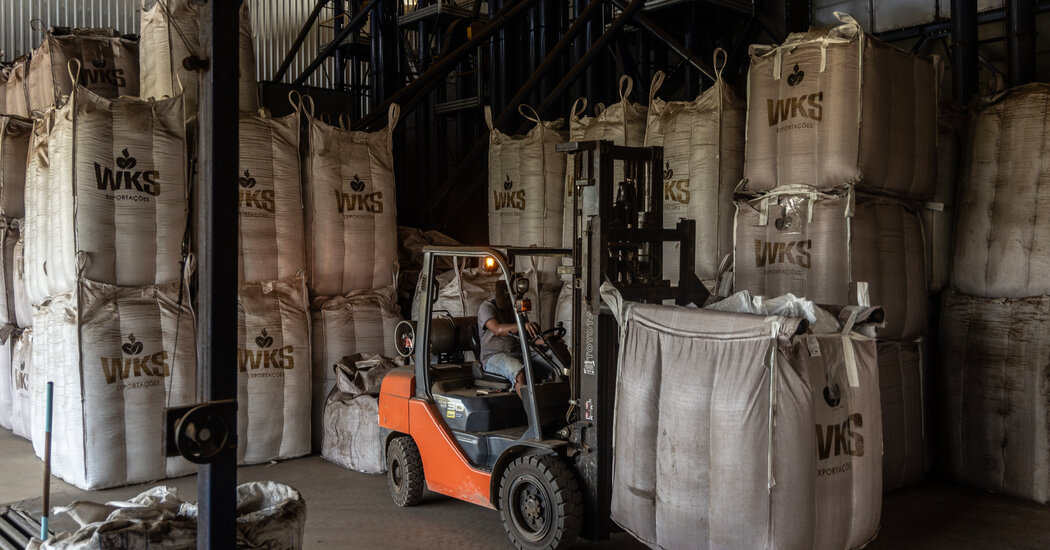
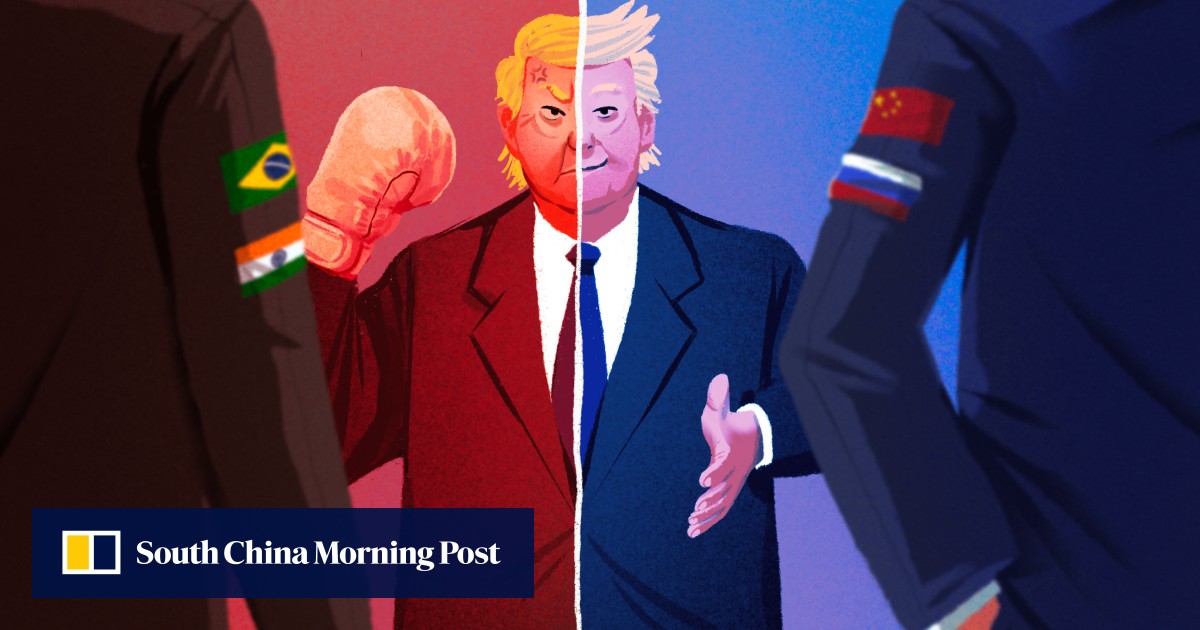
President Trump has announced 50 percent tariffs on India and Brazil, two of the global south’s largest economies. He wants India to cut ties with Russia, even though dozens of countries maintain similar ties without such steep consequences. And he wants Brazil’s government to drop charges against former President Jair Bolsonaro, who is accused of trying to stage a coup after losing the 2022 election. These tariffs are more than trade measures; they’re tools of political coercion, designed to use economic pain to rewrite other nations’ domestic and foreign policies.
But while Europe, South Korea and Japan have acquiesced to many of Washington’s demands on trade, India and Brazil are charting a different path that could reshape how developing countries resist American pressure. Rather than giving way in submission or panic, they’re pushing back — and buying time to activate alternative partnerships that have been years in the making, a policy political scientists call strategic hedging. It’s a survival strategy that is helping nations fight back against Mr. Trump, but paving the way for a more fragmented and dangerous world.