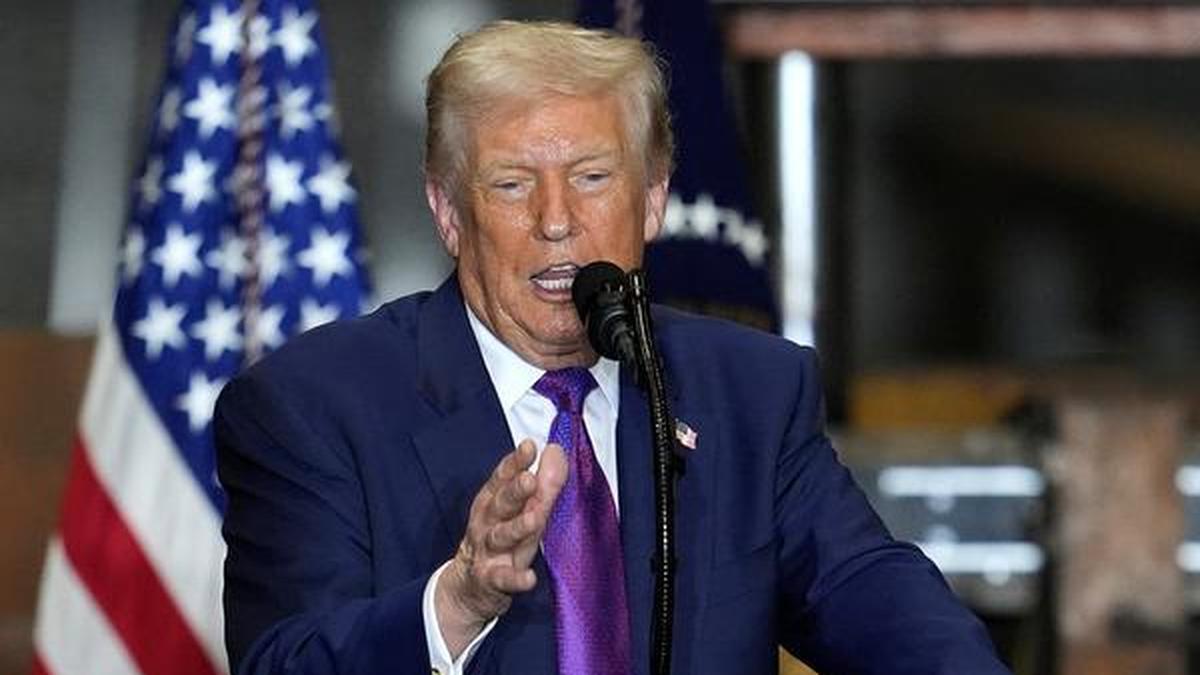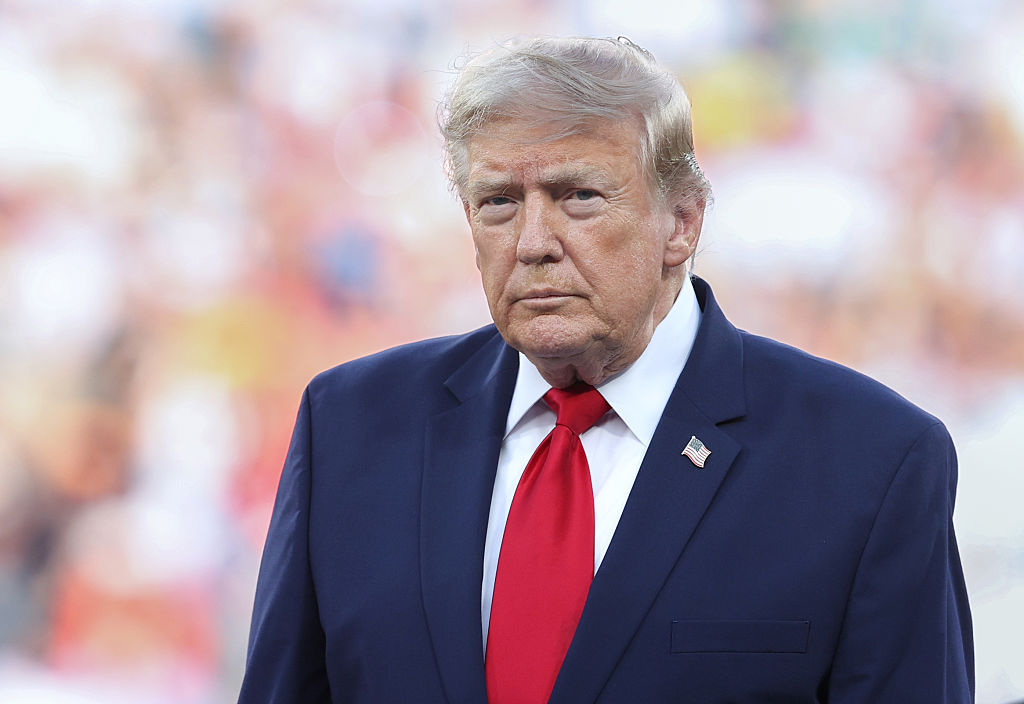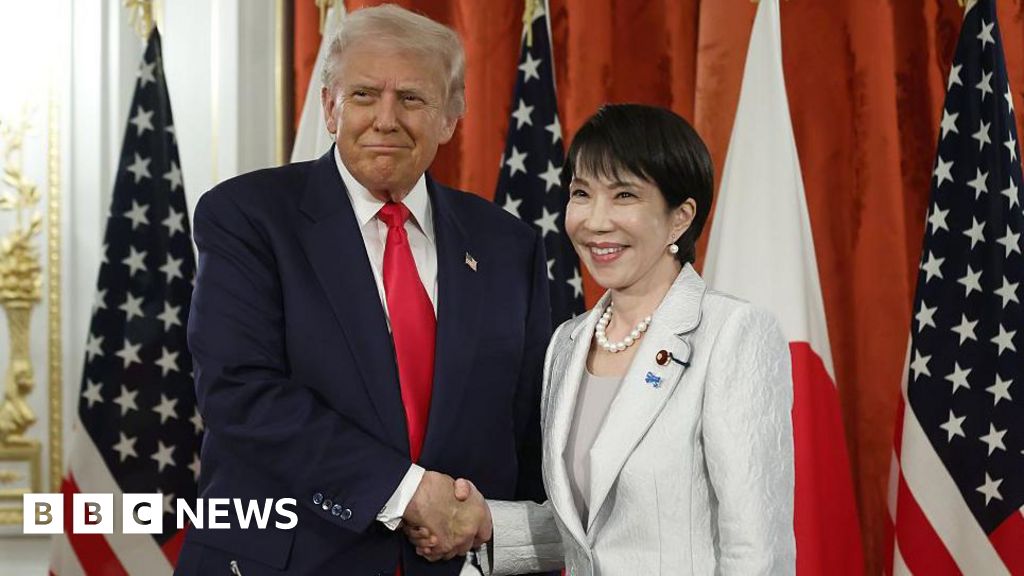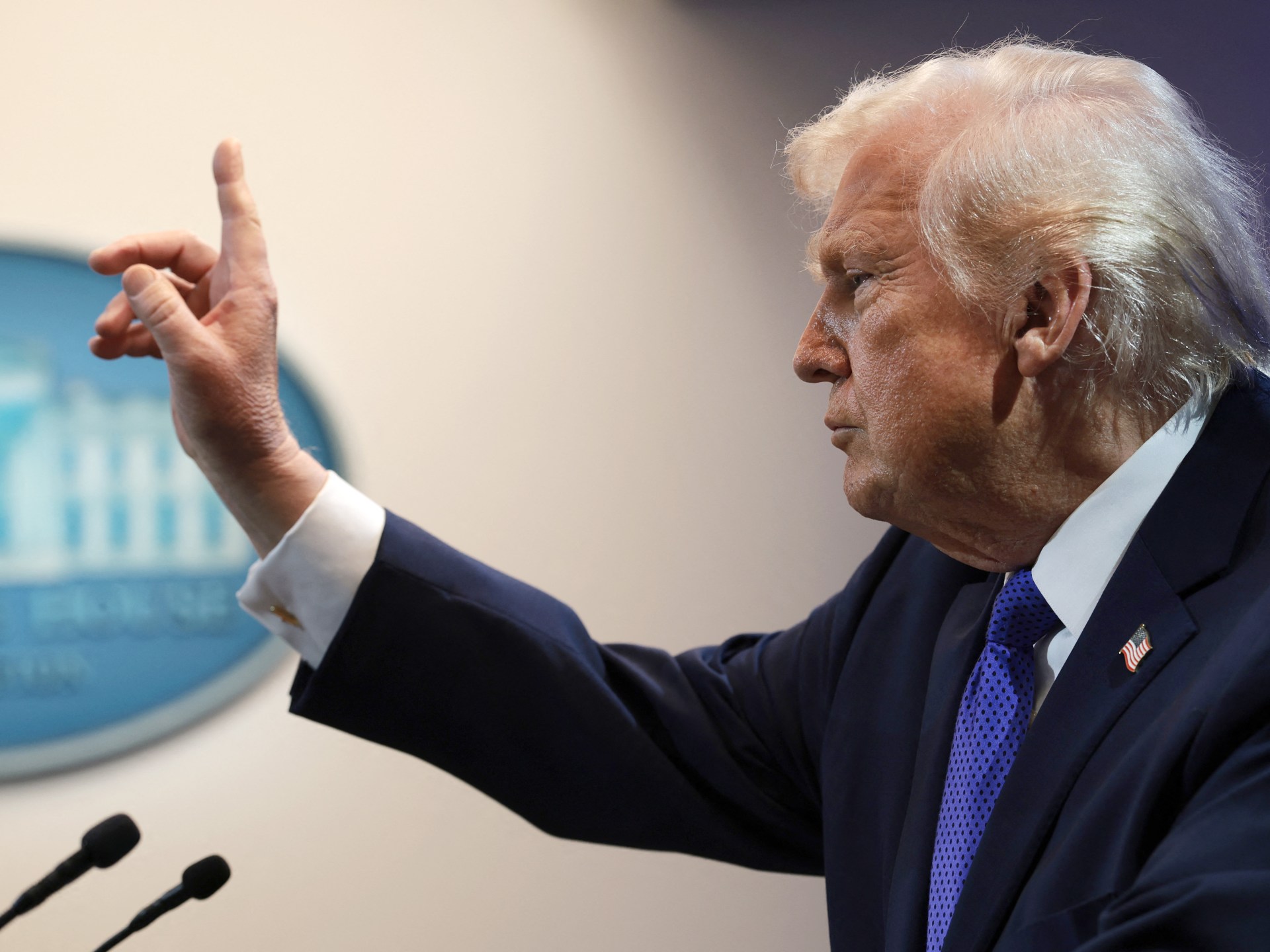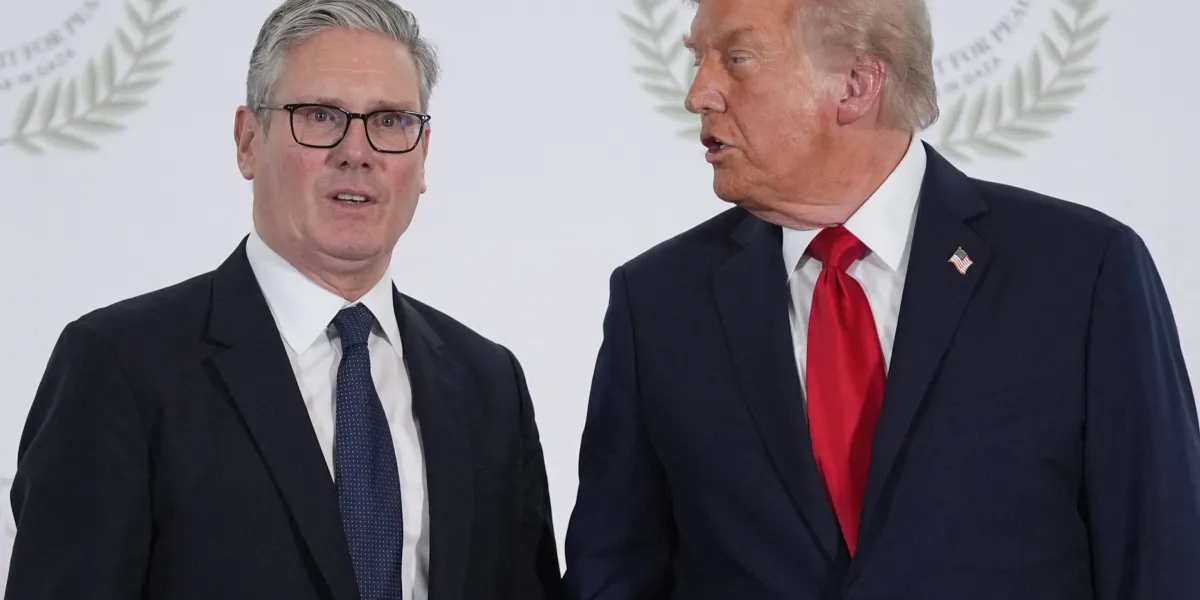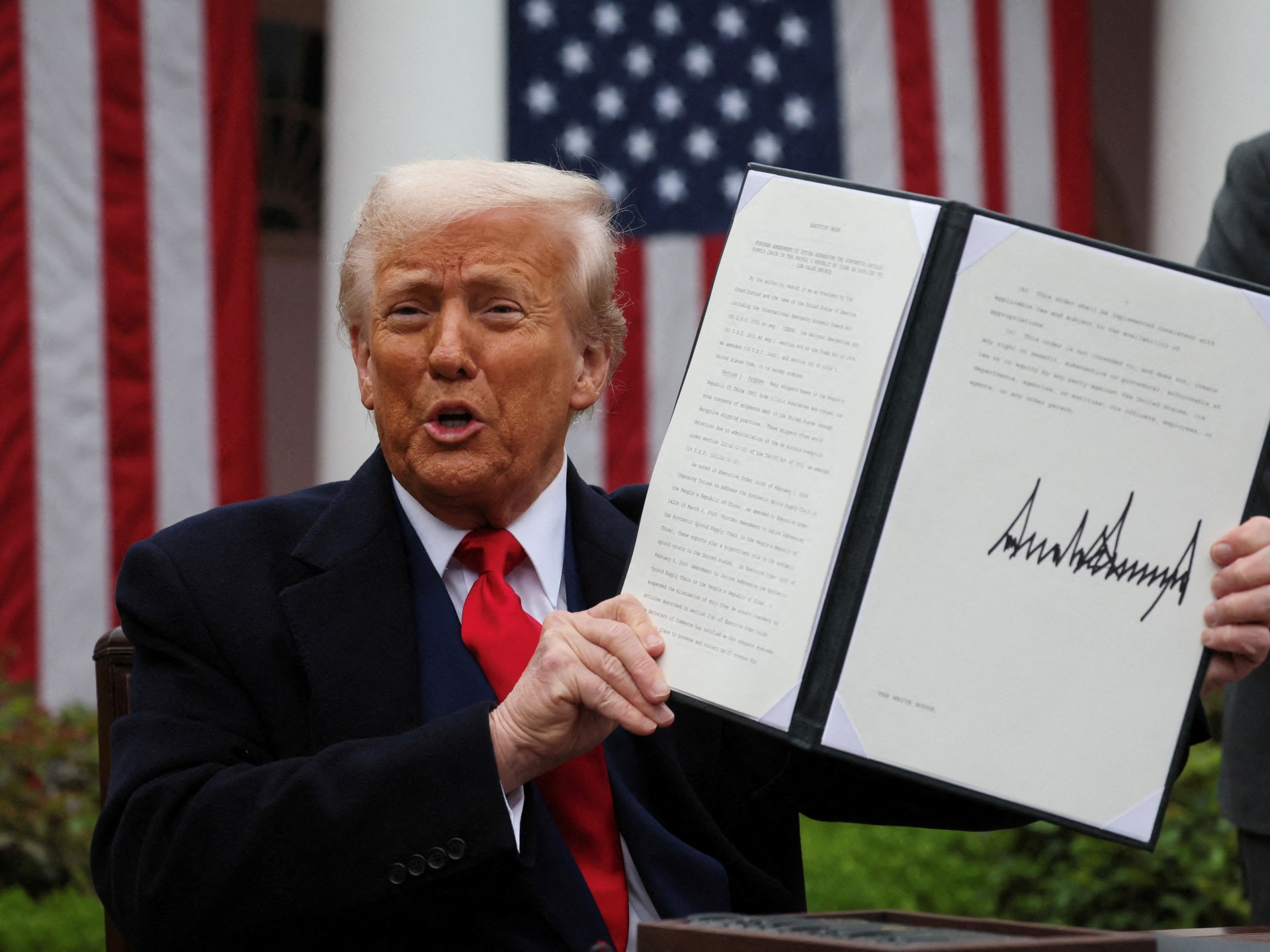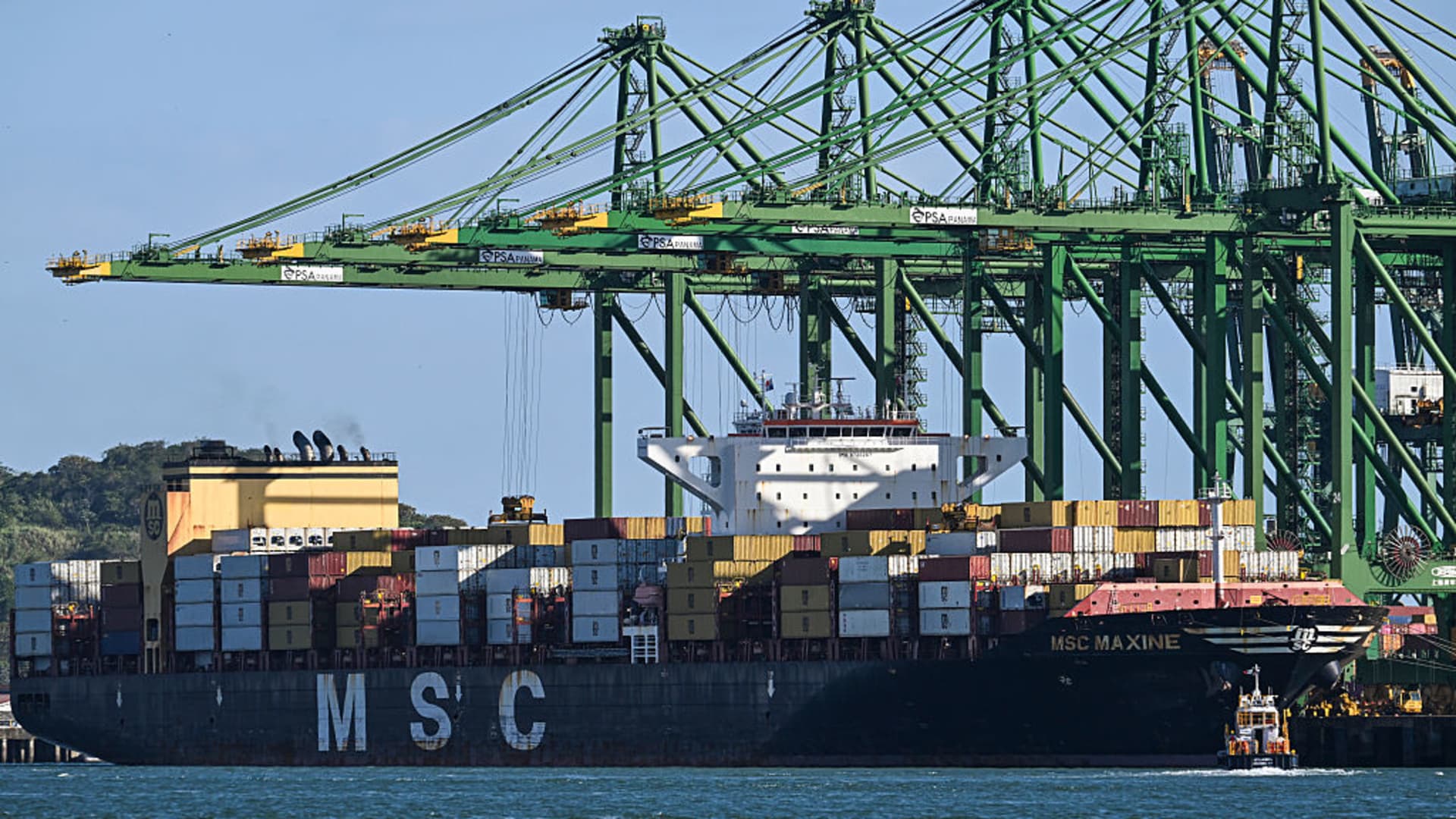
The U.K., the European Union and Singapore face higher trade-weighted tariffs, while countries such as Brazil, China and India will see such levies go down after U.S. President Donald Trump said he would raise global duties to 15%.
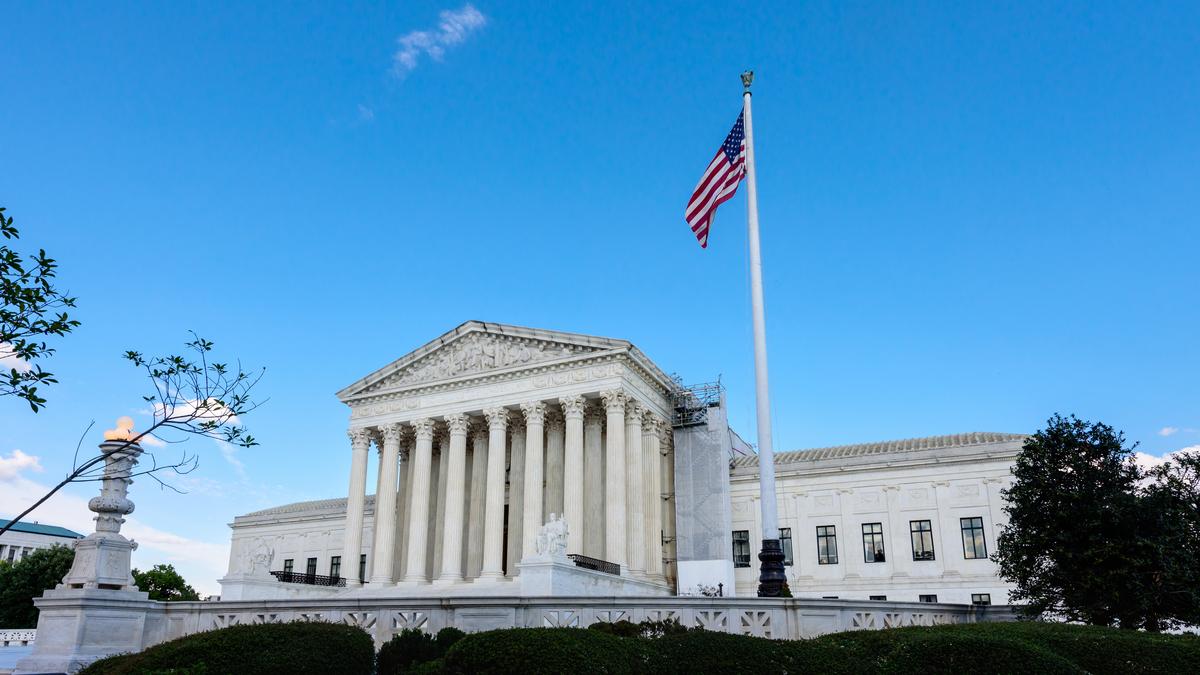
This comes after the U.S. Supreme Court decided in a 6-3 tariff ruling that the president wrongfully invoked the International Emergency Economic Powers Act (IEEPA) to implement his levies.
Trump later responded by imposing a global 10% duty under Section 122 of the 1974 Trade Act, which was then raised to 15%.
On a trade-weighted basis, the U.K. faces a 2.1 percentage point increase in its average tariff rate, while the EU sees a 0.8 point rise, according to analysis from Swiss-based trade watchdog Global Trade Alert. In contrast, Brazil’s rate plunges 13.6 points, and China’s drops 7.1 points.
The EU Commission said it would request “full clarity” on the ruling, noting that “a deal was a deal,” with no increases in tariffs beyond the 15% ceiling previously agreed. The 27-member bloc had agreed a trade deal with the U.S. back in August last year that would see exports to Washington capped at a 15% tariff.