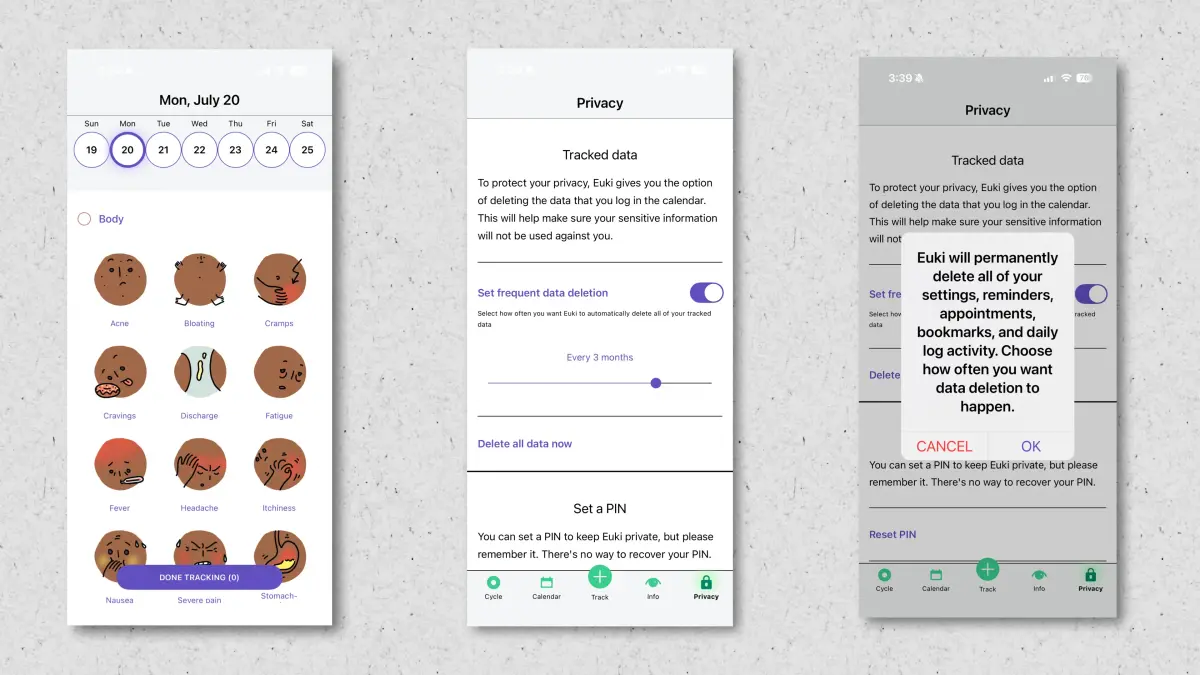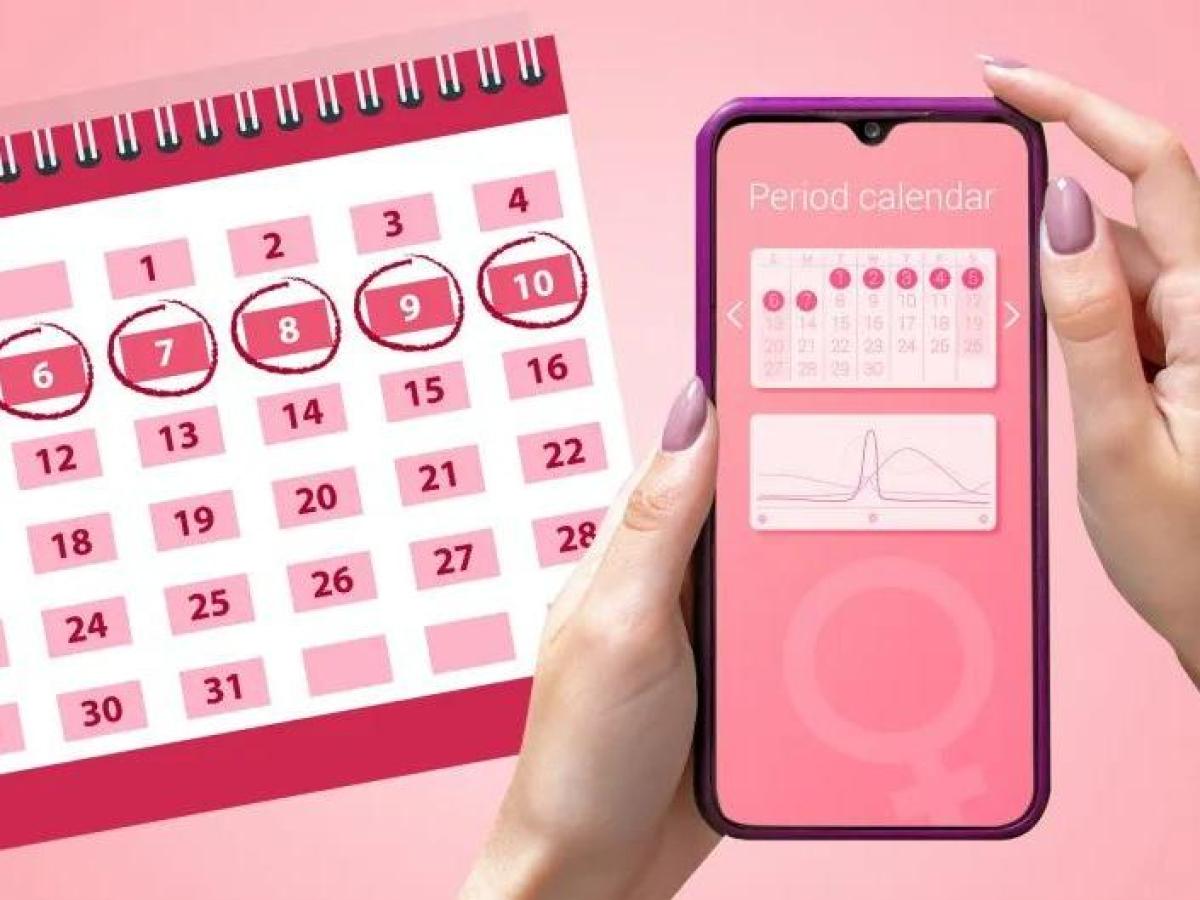
Period-tracking apps promise simplicity: a colorful calendar that predicts when your next cycle begins, reminders about ovulation, and even personalized insights into your health. But behind the convenience lies a less visible tradeoff— your most intimate health data may be quietly harvested, sold or shared in ways you never intended.
Experts say users often underestimate just how sensitive this information is, and the legal protections meant to safeguard it are far weaker than most people realize.
The stakes are especially high in a post-Roe America, where reproductive health data can be politicized or weaponized.
Tracking your period on a phone may feel like a harmless, even empowering daily ritual. Yet the same information can be used to infer pregnancies, fertility struggles, or even the possibility of an abortion. In the wrong hands, data that feels private and personal could become evidence or a marketing opportunity. As awareness grows, so does the push to rethink how and where people track their cycles.
Flo’s Privacy Problems Are Far From Over