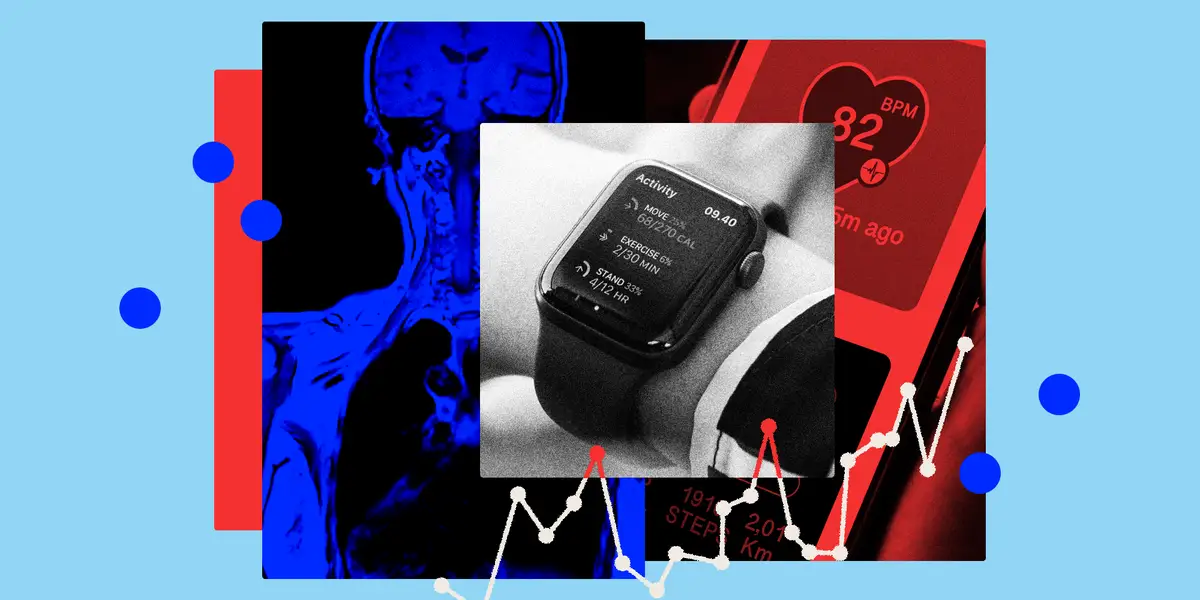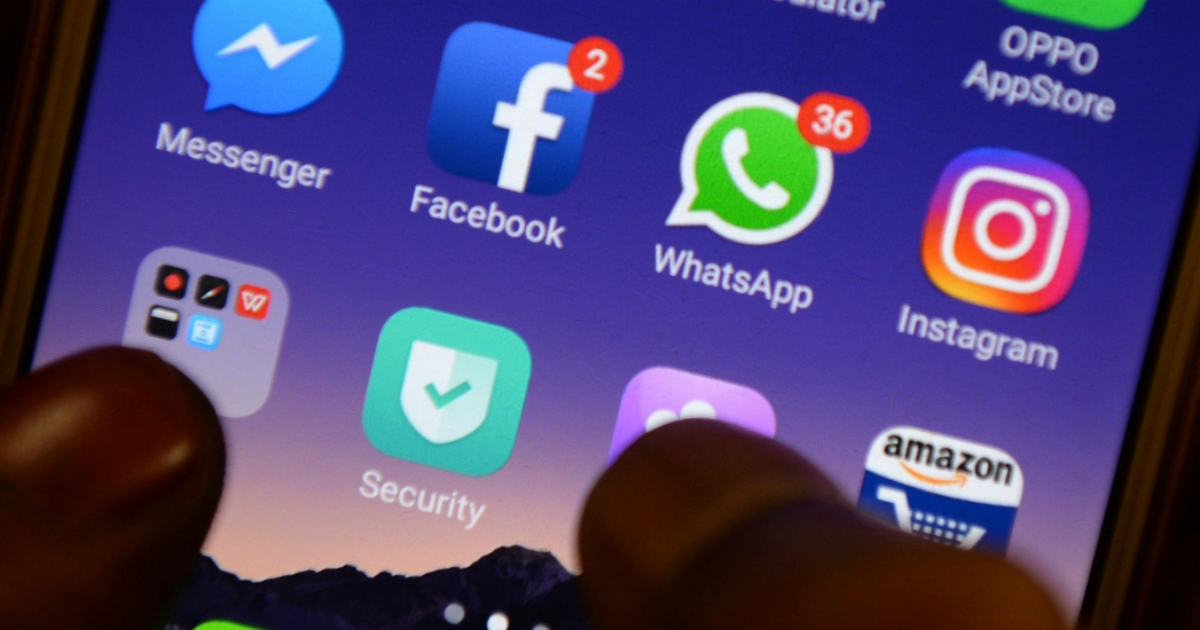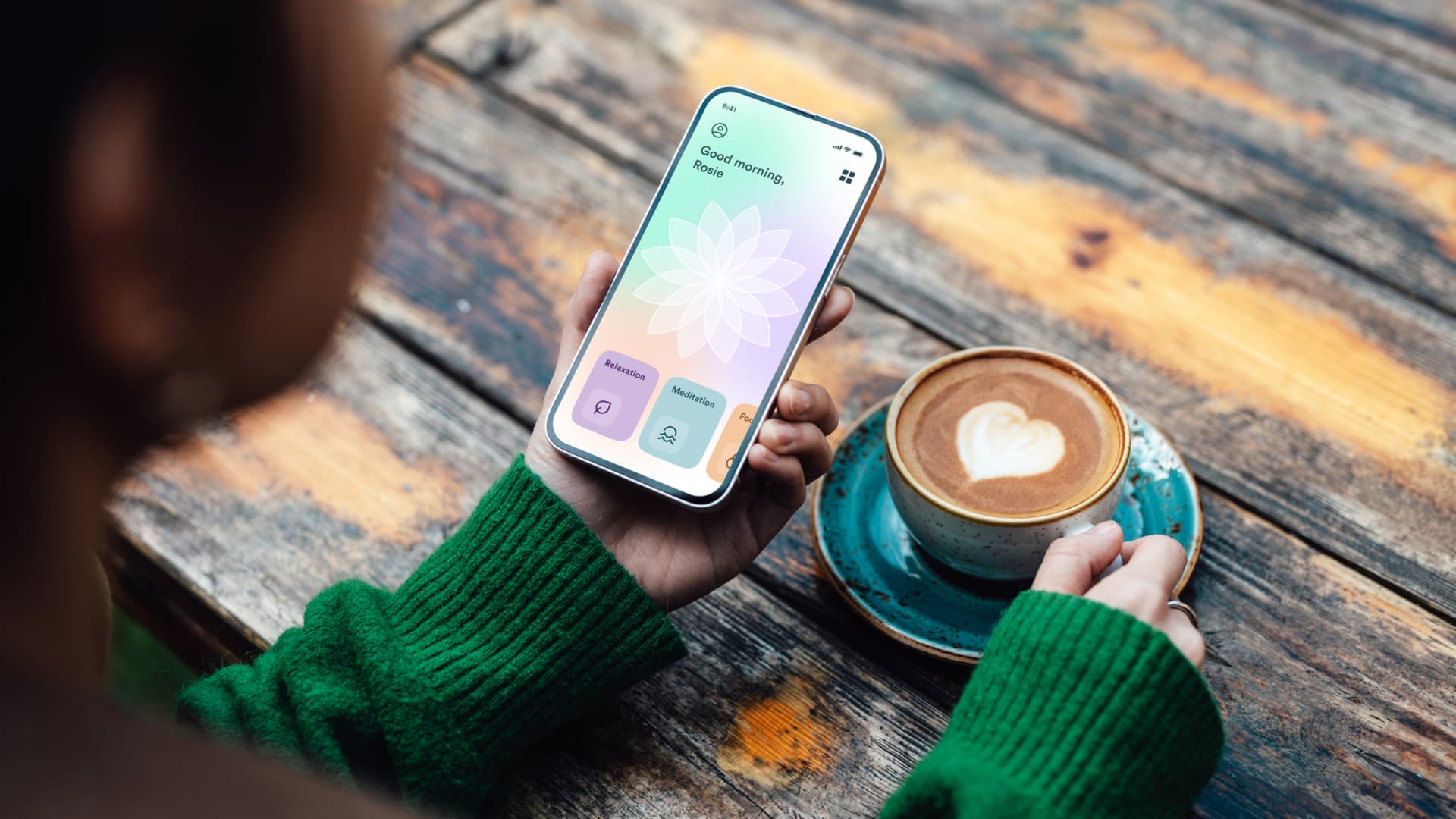
There are many direct-to-consumer wellness apps out there: Meditation apps that guide you through mindfulness exercises and breath work or access to therapy right from your phone.
Millions of people use apps like these every single day. And their growing popularity could point to a generally positive user experience. But experts warn of a few problematic aspects of these platforms.
For one, many aren’t regulated. “They don’t have to prove that they work, they don’t have to prove that they’re safe,” Vaile Wright, a psychologist and senior director at the American Psychological Association said on an episode of podcast “Speaking of Psychology.”
Another problem with these apps, she said, is that they “don’t have to prove that they keep your data private.” For example, “you might not want your boss to know that you’re using an app to help you reduce your alcohol use,” she said.
If these tools aren’t FDA cleared, they’re not compliant with the Health Insurance Portability and Accountability Act, which protects sensitive health information. “There is no regulatory body or law that keeps your personal health information safe,” Wright said. That means they can’t guarantee that a data breach won’t happen. This, of course, is not specific to wellness apps.