After a wrecked ship spewed oil into the pristine waters off Pointe d’Esny, destroying sea life and livelihoods, a group of women turned to the land to change their fortunes
S
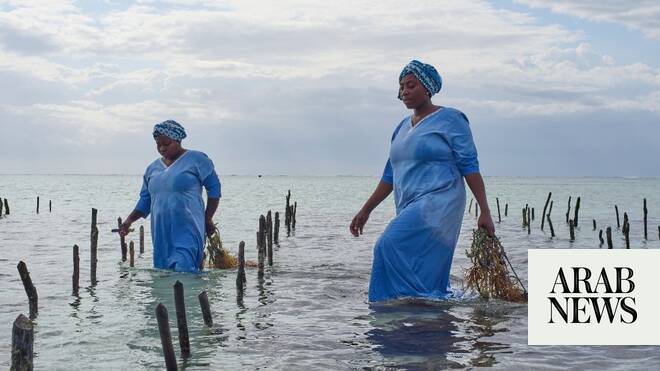
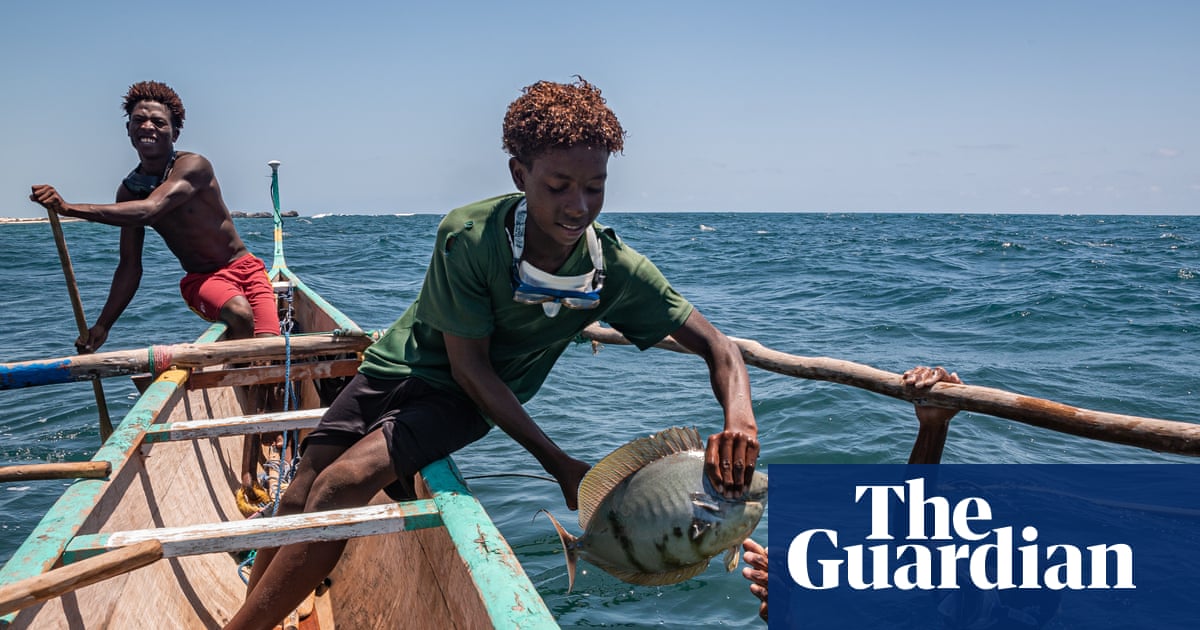
andy Monrose never imagined herself as a farmer. Descended from generations of fishers on the breezy south-eastern tip of Mauritius, she has the Indian Ocean running through her veins. But when a merchant ship slammed into the coral reef, turning the sea inky black with toxic fuel and sinking the local economy, she and a group of local women turned to the land to feed their families.
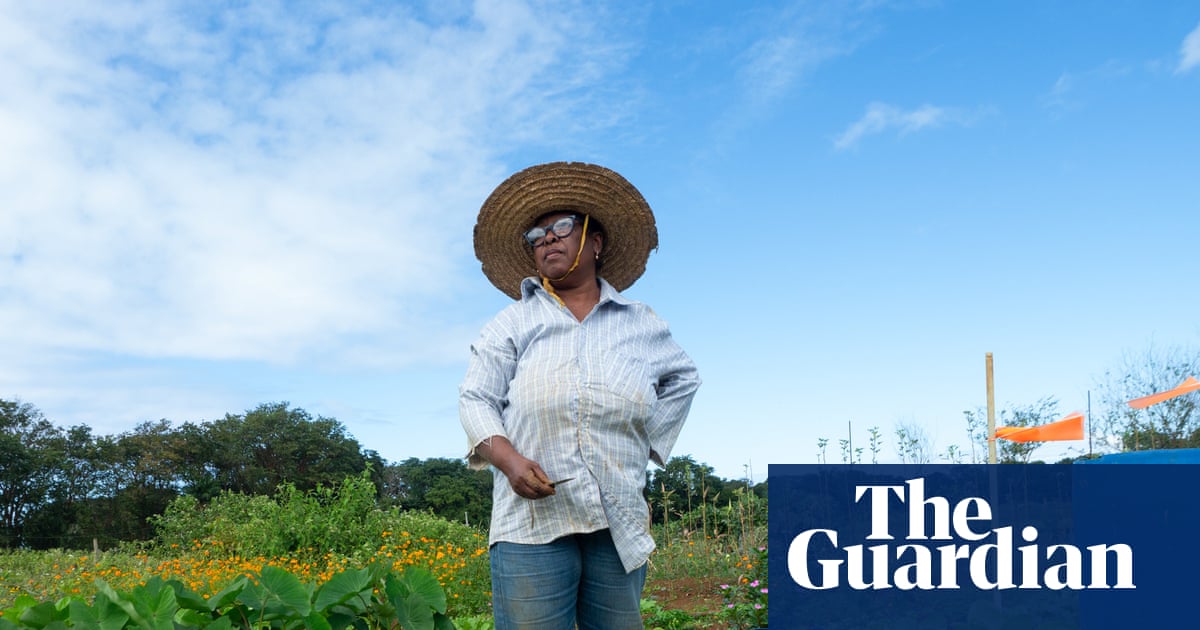
Five years after the Japanese-owned MV Wakashio ran aground off the white sands of Pointe d’Esny, her “model farm” in the nearby nature reserve of La Vallée de Ferney is flourishing. Sitting under a metal-roofed gazebo, she surveys the formerly tired plot she secured from landowner Ferney Ltd, now a joyous riot of greens, bursting with papaya and banana trees, and patches of onions, potatoes, taros, manioc, bok choi, winged beans and lots more besides.
“I never thought it would get this big,” she says, as fellow members of her South-East Ladies Agro collective arrive, wielding scythes and pickaxes. This year, her team of 10 has grown a tonne of organic fruit and vegetables on the revitalised acre of land, feeding their loved ones and selling on the surplus in a cycle of self-sufficiency.