The story so far: In contemporary warfare, deception has evolved alongside the increasing precision and lethality of modern weaponry. As combat platforms — from fighter jets and tanks to warships — become more sophisticated, so too have techniques developed to shield them from detection and attack. Over the decades, the traditional art of battlefield trickery has merged with digital-age innovations, incorporating decoys and countermeasures designed to confuse, mislead, or overwhelm enemy sensors and targeting systems. By creating doubt and sowing confusion, these decoys not only waste enemy munitions but also buy crucial time for the actual platform to evade or retaliate. Hence, decoys turn deception into a strategic asset as critical as firepower.
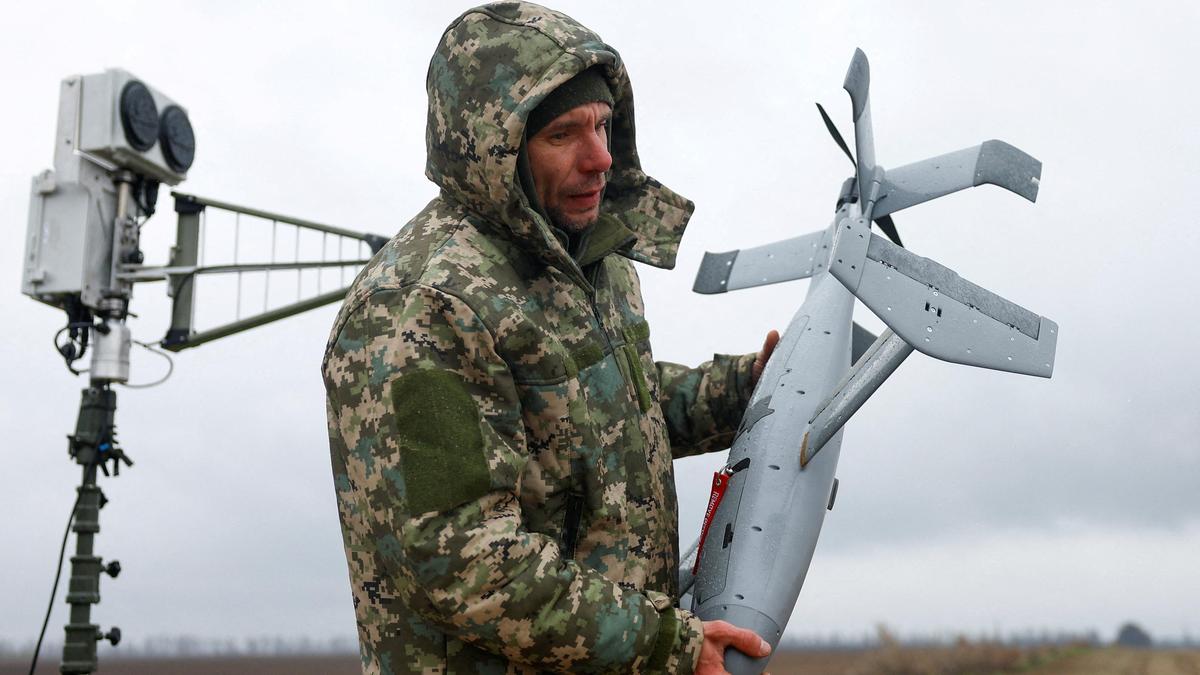
During Operation Sindoor, the Indian Air Force (IAF) is believed to have successfully deployed the AI-enabled X-Guard Fibre-Optic Towed Decoy (FOTD) system —developed by Israel’s Rafael — on its Rafale fighters as part of their electronic warfare (EW) suite. Although neither the IAF nor official sources have confirmed the use of X-Guard, former U.S. F-15 pilot Ryan Bodenheimer told Indian media outlets that it was “the best instance of spoofing and deception ever seen.” Confusion persists over how many, if any, Rafales were actually lost in a May 7 strike on Islamist camps inside Pakistan. The Pakistan Air Force (PAF) may have downed several X-Guard decoys — trailing about 100 metres behind each aircraft — misidentifying them as real targets.