Air force creates method to render radio signals incomprehensible for enemies attempting to intercept and track aircraft geolocation
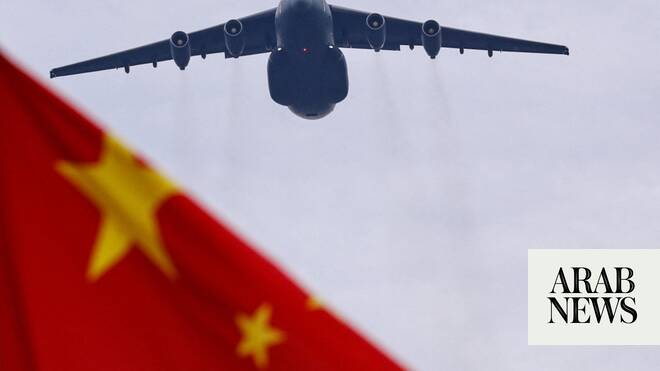
Airborne early warning and control (AEW&C) aircraft – long considered indispensable yet vulnerable command nodes – have historically been high-value targets. Their powerful radar emissions, while essential for managing the battlespace, make them visible from hundreds of kilometres away.
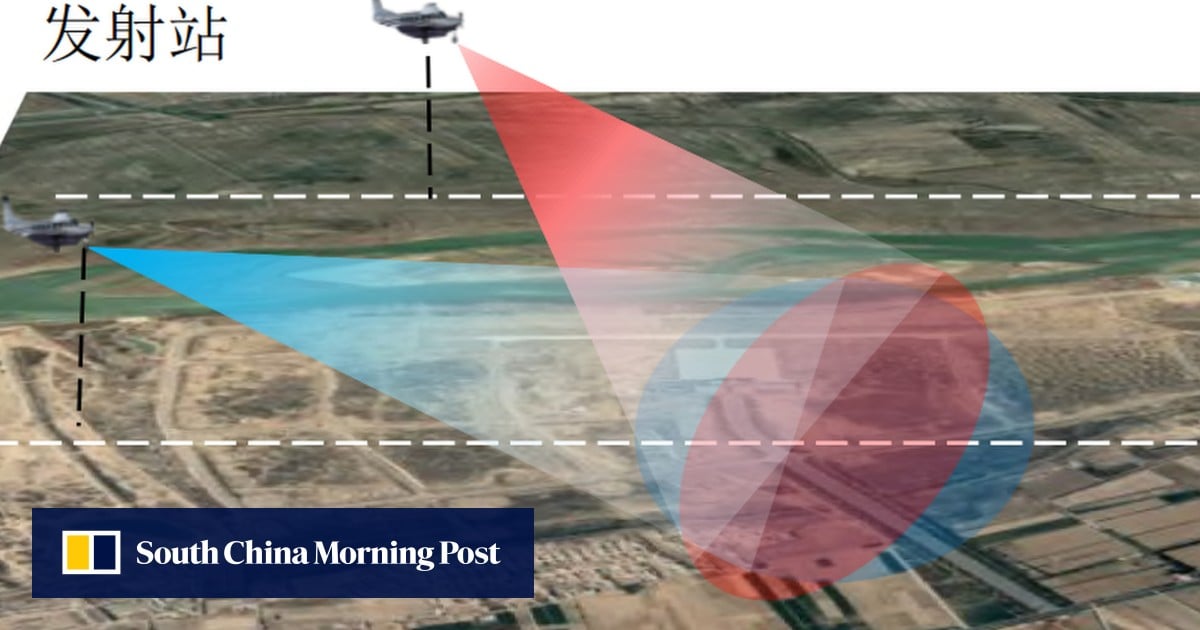
But the Chinese scientists said they found a way to make AEW&C signals exceptionally resistant to interception and geolocation.
This method assigns each antenna a minutely varied frequency, akin to a hundred singers harmonising the same melody yet each subtly diverging in pitch. This renders the signal chaotic at a distance, obscuring directional origin.
To an adversary trying to track the platform by listening to its radio emissions, the signal could behave like the phantom of the opera – fluctuating, scattering and morphing beyond recognition.