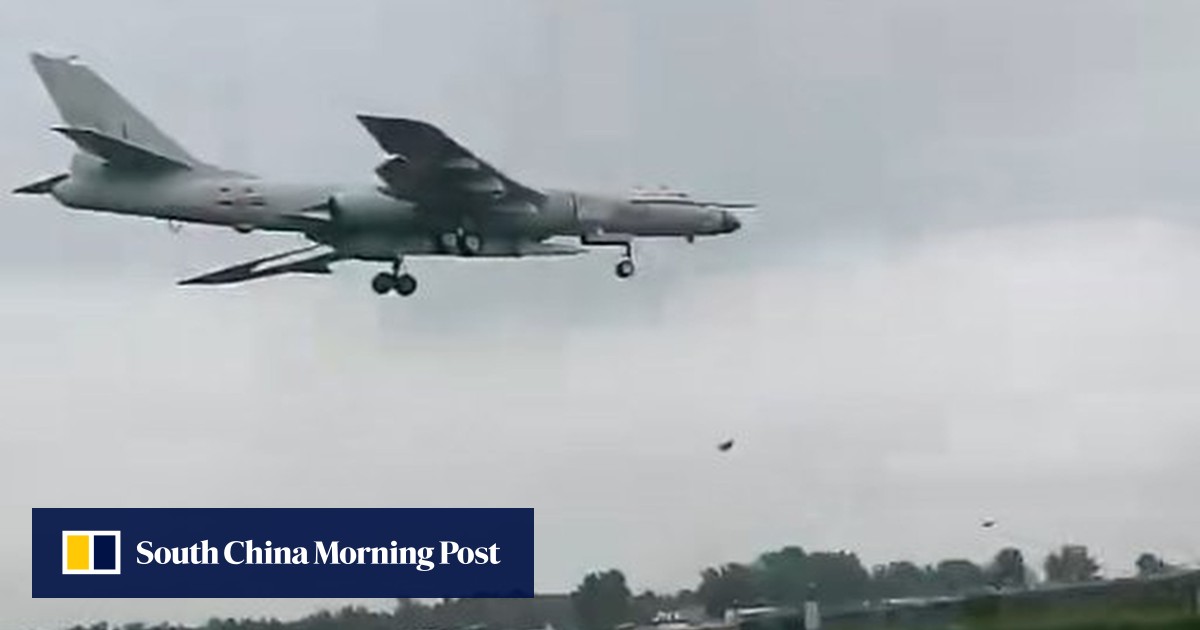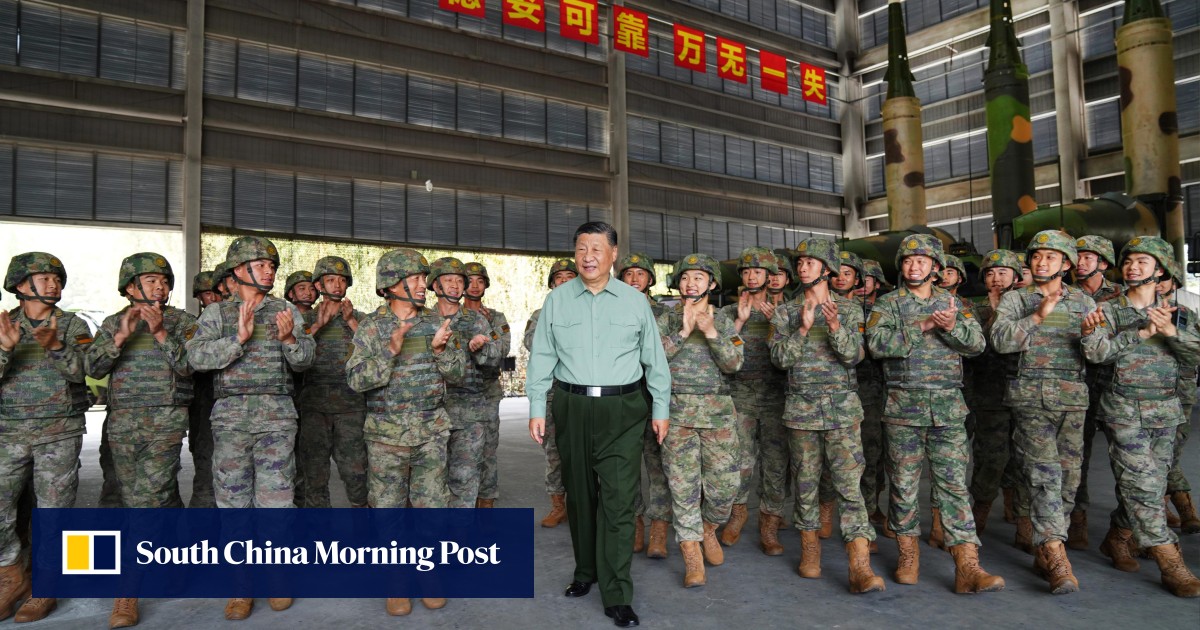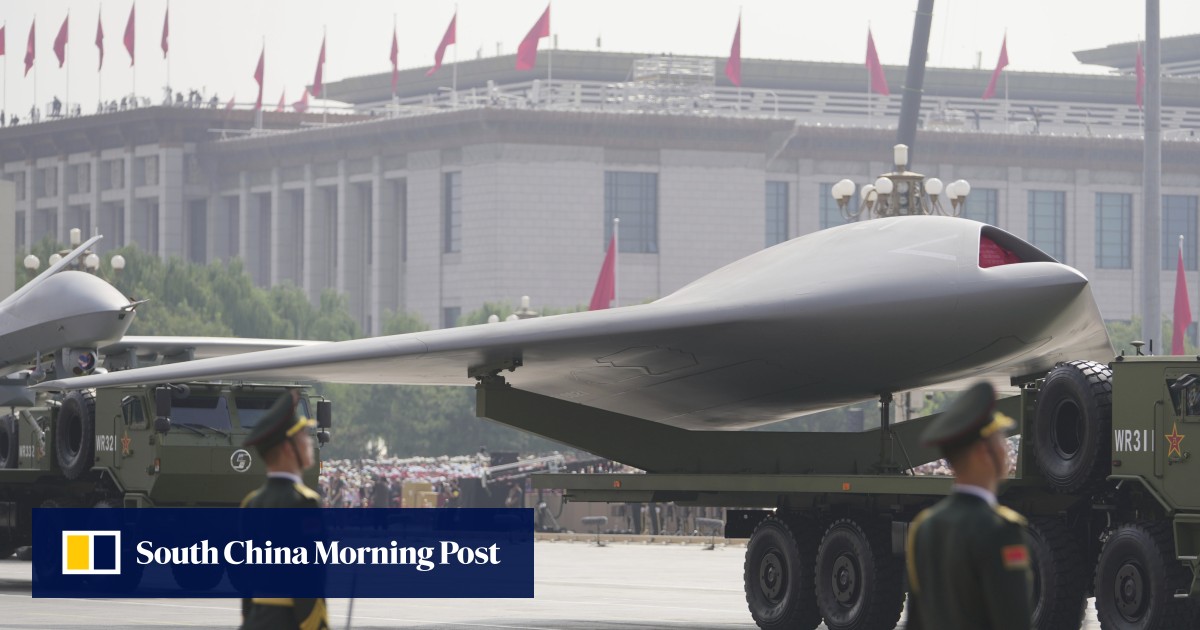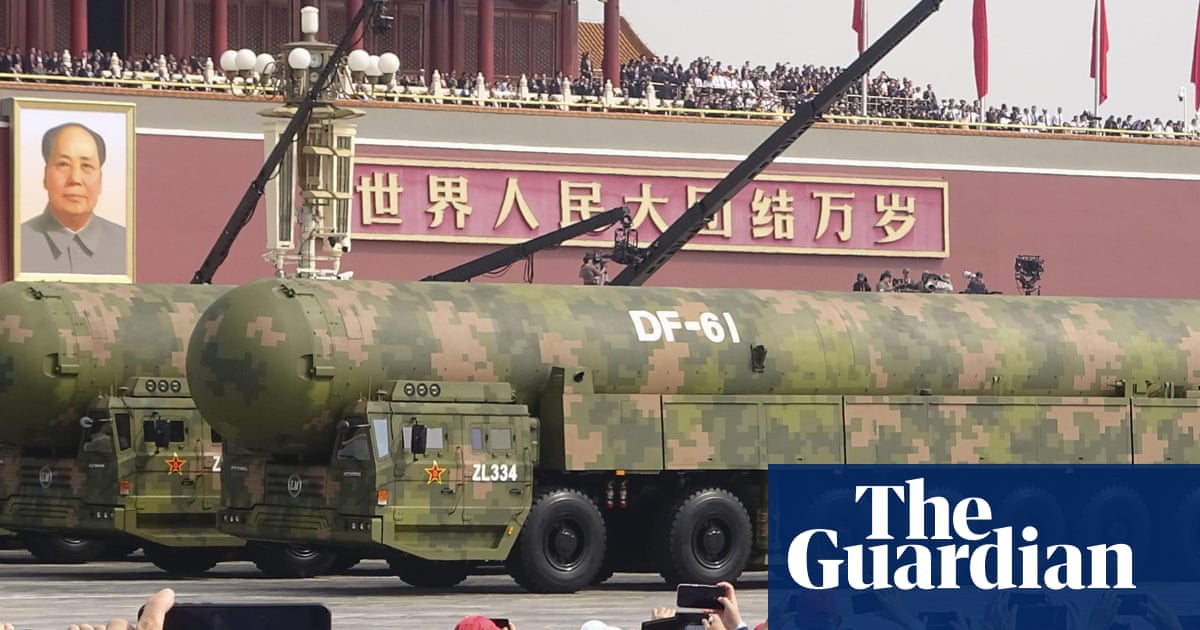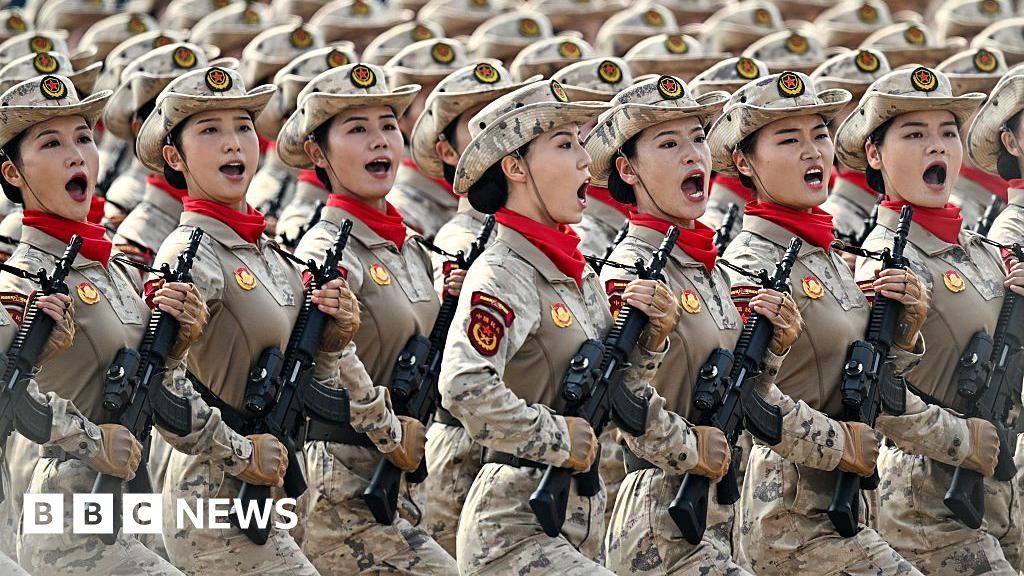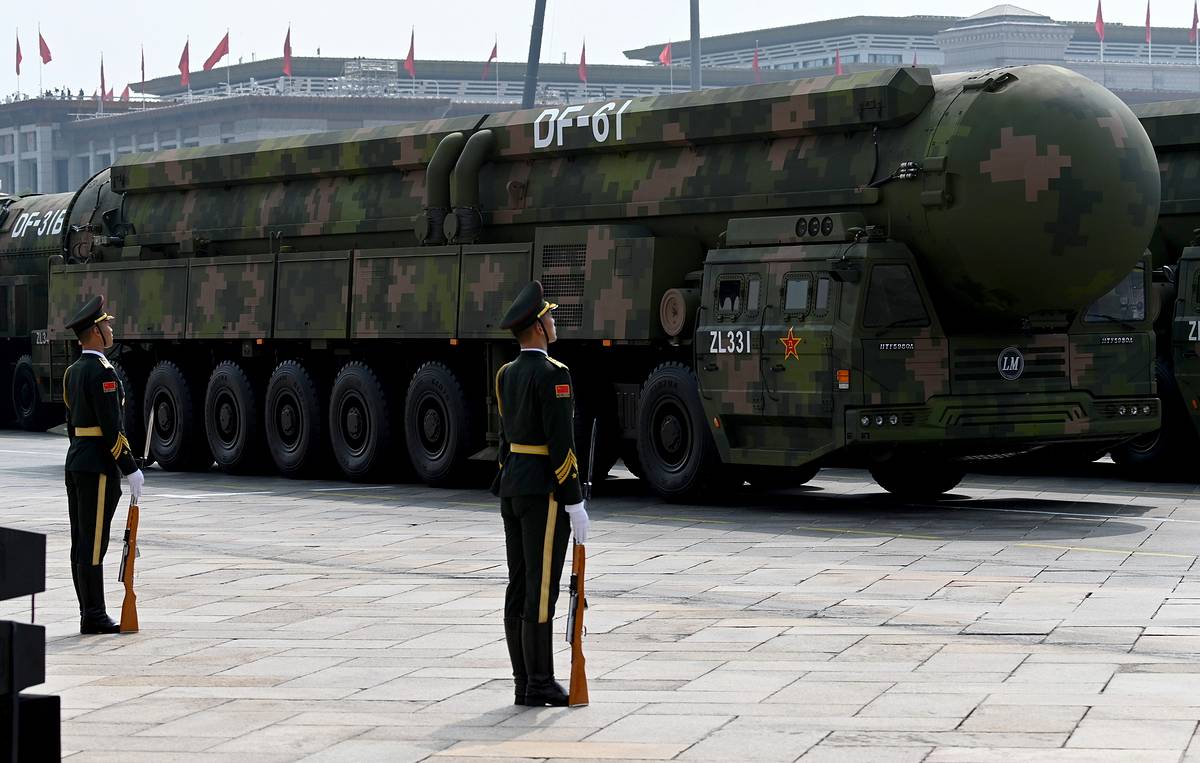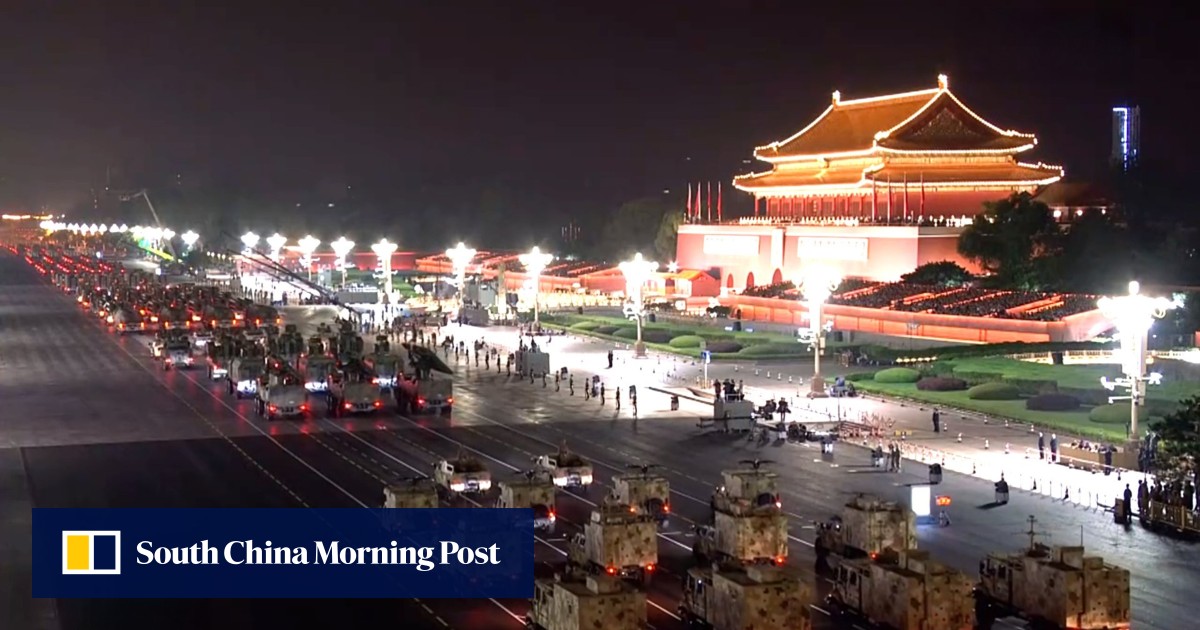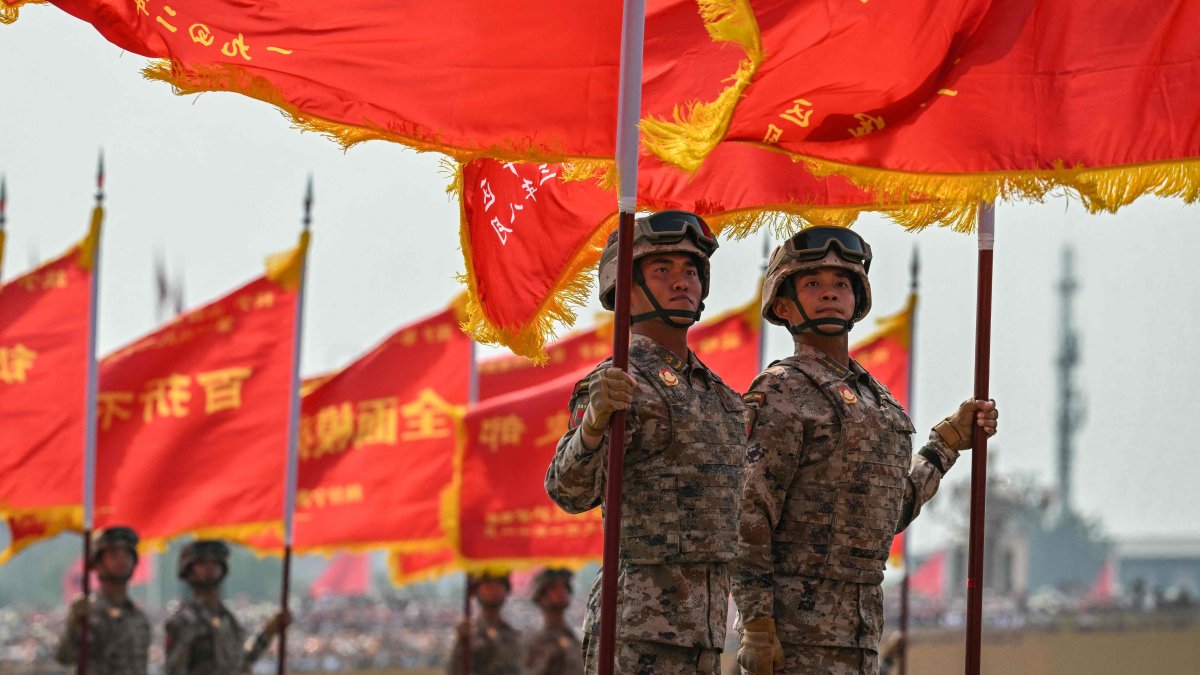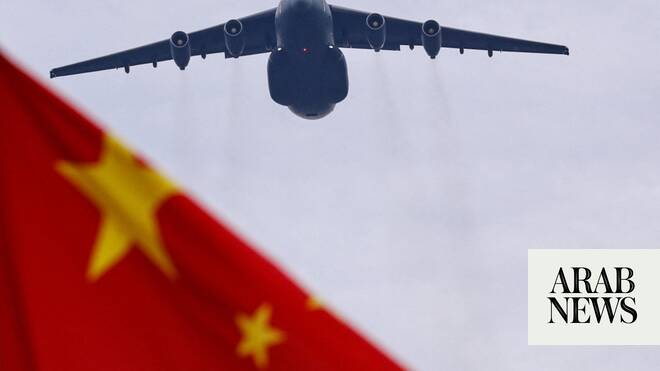
HONG KONG: As China stages its largest-ever military parade through Beijing next week, it will be highlighting not just advancements in arms hardware, but also the vital technology required to protect, control and command the weapons it would use in any future conflict.
Among the more eye-catching aircraft, hypersonic missiles and undersea drones, will be equipment such as battlefield sensors on tanks, advanced early warning and targeting radars and air defense lasers — all part of an effort that some analysts describe as transparency designed to intimidate and deter potential rivals. But beyond the unprecedented scale and choreographed display of military might, question marks remain about how effectively China’s armed forces — untested since a bloody border conflict with Vietnam in 1979 — could knit it all together in a future conflict.
Singapore-based security scholar Drew Thompson said while the People’s Liberation Army may unveil advanced weapons and systems to protect and command them, China’s key potential adversaries may not be deterred by the “bling” of a parade.
“It is performative but it doesn’t speak to capability, and we still don’t know how effectively China could tie it all together and operate in a conflict scenario,” said Thompson, a senior fellow at Singapore’s S. Rajaratnam School of International Studies (RSIS).