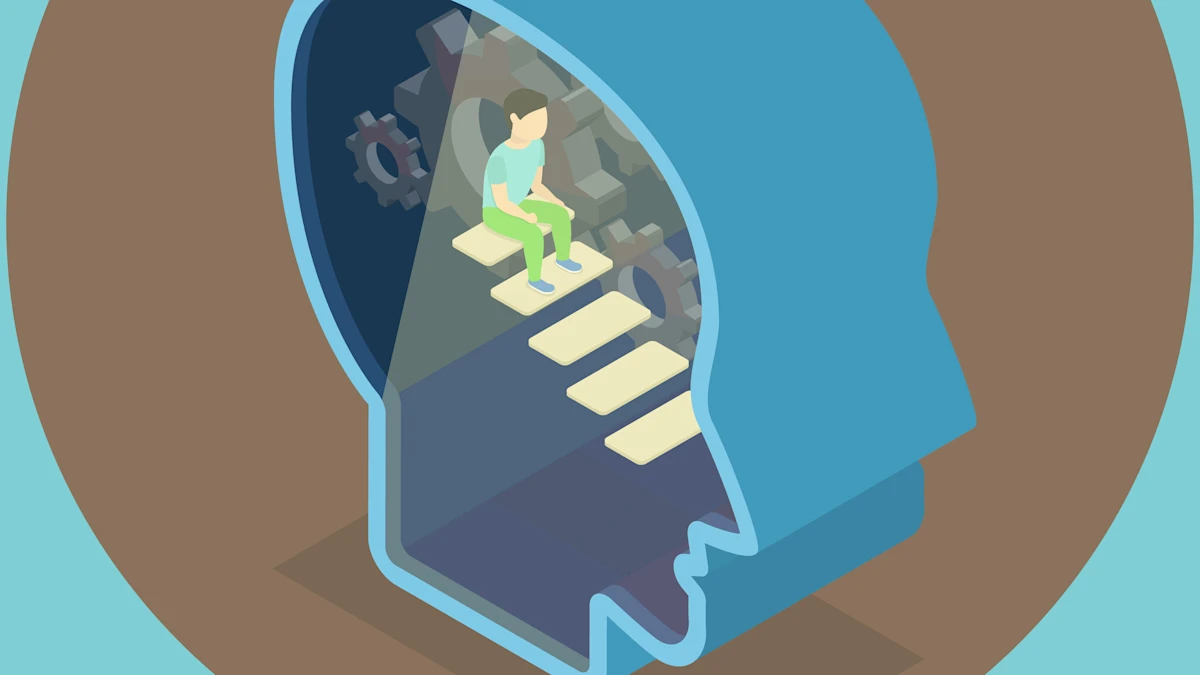
For most of the day, your brain is on autopilot, guiding you along your familiar drive home and throughout the daily routine you know so well, says psychotherapist and author Steven Stosny.
The “autopilot brain handles the grunt work,” he tells CNBC Make It, adding that it’s “impulsive” and driven by learned reactions and triggered by familiar situations and habits. On the other hand, your reflective brain uses reason and deep thinking to work through problems.
Though the autopilot brain uses far less energy, it does have its shortcomings.
The autopilot brain “assumes, judges, blames, and avoids,” Stosny, who founded Compassion Power, where he treats conditions like chronic resentment and anger, wrote in a recent article for Psychology Today. It can’t help you overcome prejudices against people, for example, or work through anger.
Instead, the autopilot brain leaves you stuck inside those thoughts and feelings.