Y
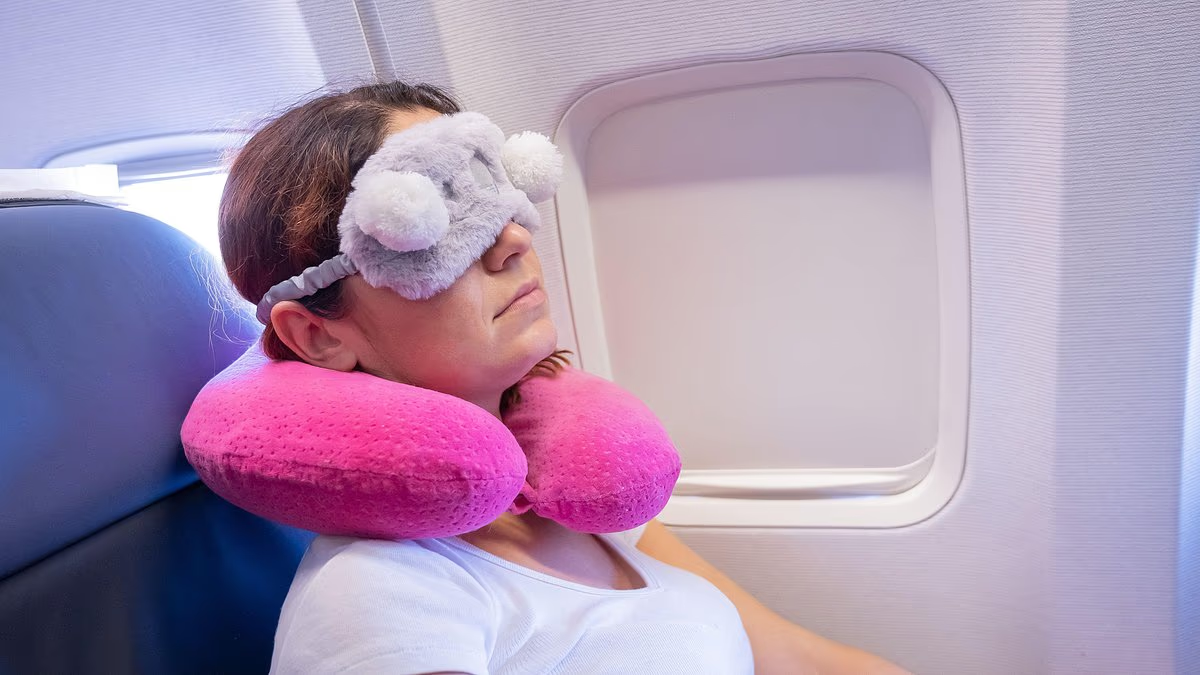
ou’ve polished off the tepid pinot and a cheesecake cube. The credits have rolled on the film and, with the dimming of the lights, it’s time to… get neck ache, dribble everywhere and stress about the looming jet lag.
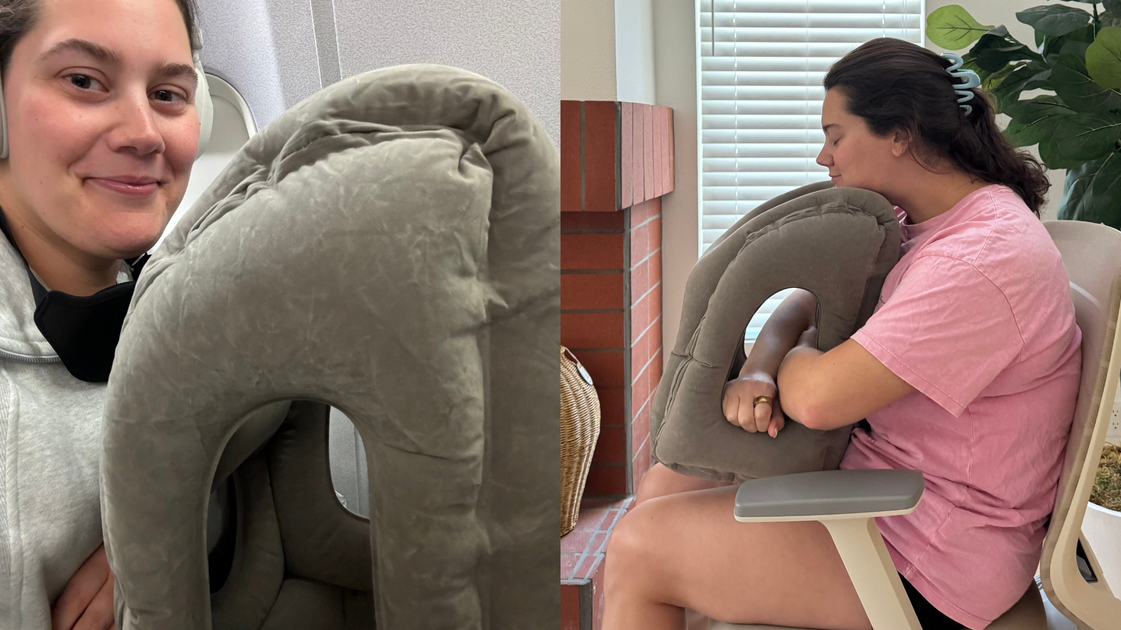
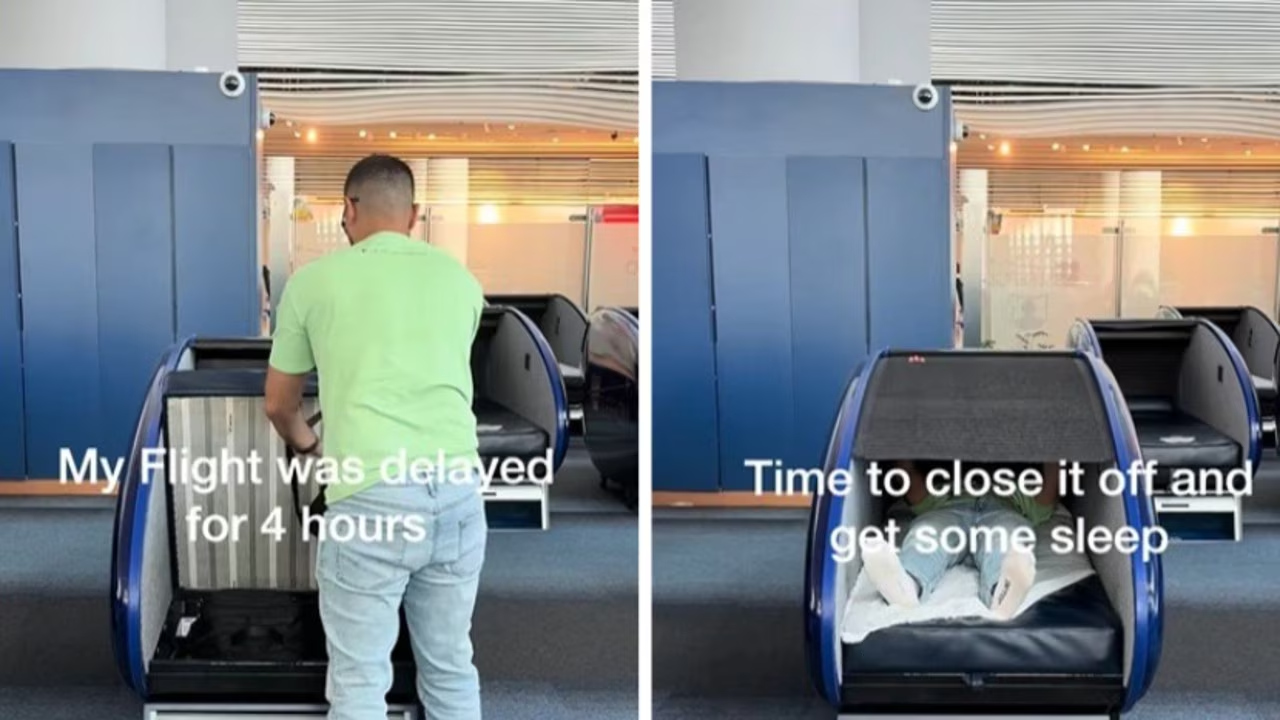
Such is life at 30,000 feet, but while sleep on a long-haul flight is never going to be great, there are ways to make it less of a nightmare. And there are other things you can do to reduce the impact of jet lag.
It pays not to get too stressed about sleep, stress hormones not being known for their soporific effects. “Unless you have your own private jet with a real bed, there’s only so much you can do,” says Dr Yu Sun Bin, a senior research fellow in the sleep team at the Charles Perkins Centre at the University of Sydney.
Bin is working on a long-running project with Qantas that is trying to improve sleep and jet lag for passengers on its longest flights — several of which, including London to Perth, take more than 17 hours. In the days before a flight Bin says it’s worth gradually adjusting your night schedule to start aligning with your destination time zone. “You can almost be halfway there before you’ve even arrived,” she says.