https://arab.news/brqxv
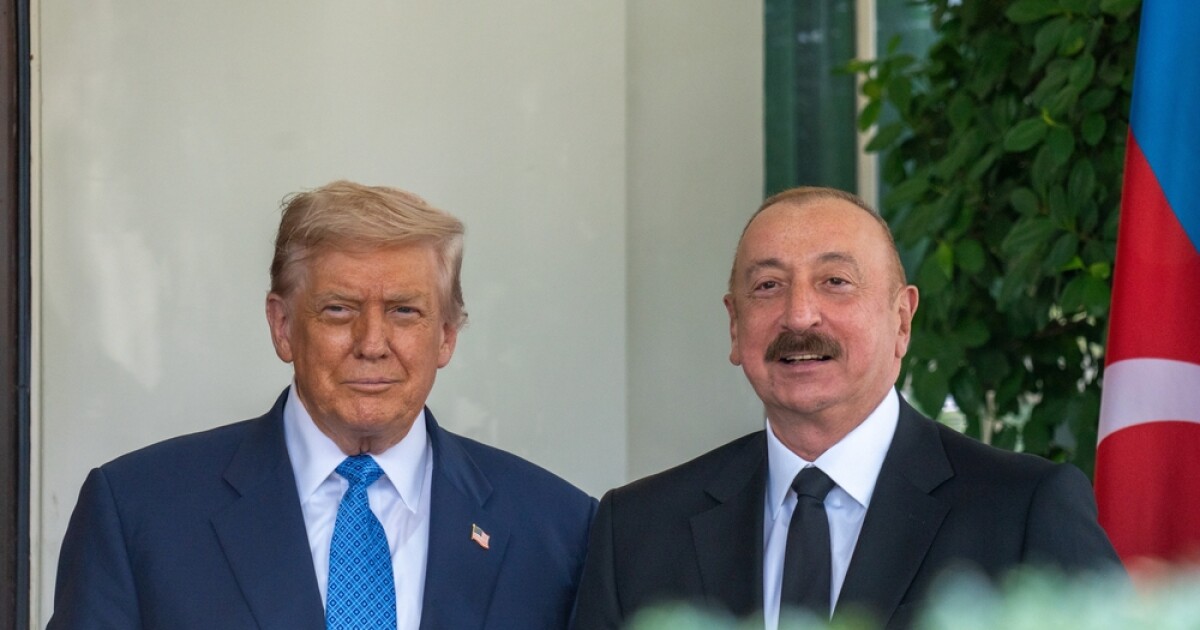
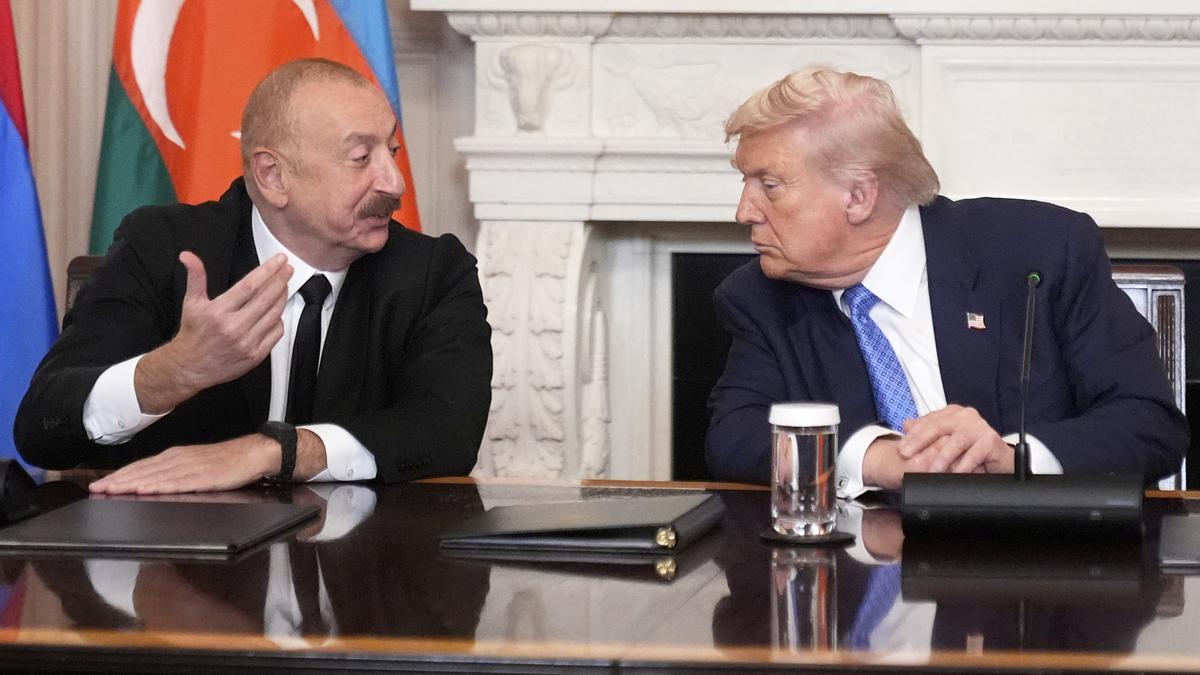
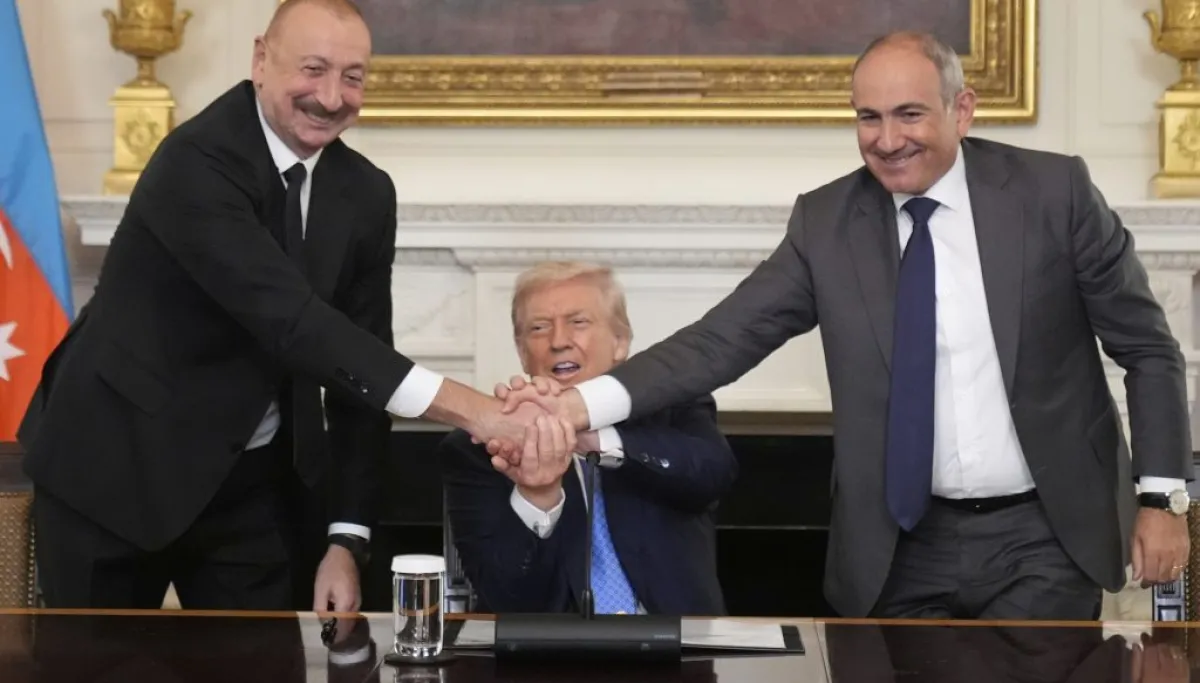
There is no doubt that US President Donald Trump’s recent peace initiative between Armenia and Azerbaijan was a historic accomplishment. He deserves full credit for helping to bring an end to one of the most intractable conflicts in the post-Soviet space. The forthcoming normalization between the two countries has the potential to usher in a new era of economic prosperity and stability in the South Caucasus. Long-closed transport links can be reopened and Armenia will finally be able to participate in regional infrastructure and energy projects from which it has long been excluded.
At first glance, much of the commentary surrounding this agreement suggests that the South Caucasus has finally turned a corner toward peace and stability. But this impression is misleading. While the Armenia-Azerbaijan dispute may be moving toward resolution, unfinished business remains elsewhere in the region. Georgia — a small country situated between Armenia, Azerbaijan, Turkey and Russia — remains deeply vulnerable. According to reports, Russia continues to occupy roughly 20 percent of Georgia’s internationally recognized territory: the regions of Abkhazia and South Ossetia. These frozen conflicts have persisted for decades and remain a flashpoint for potential instability.