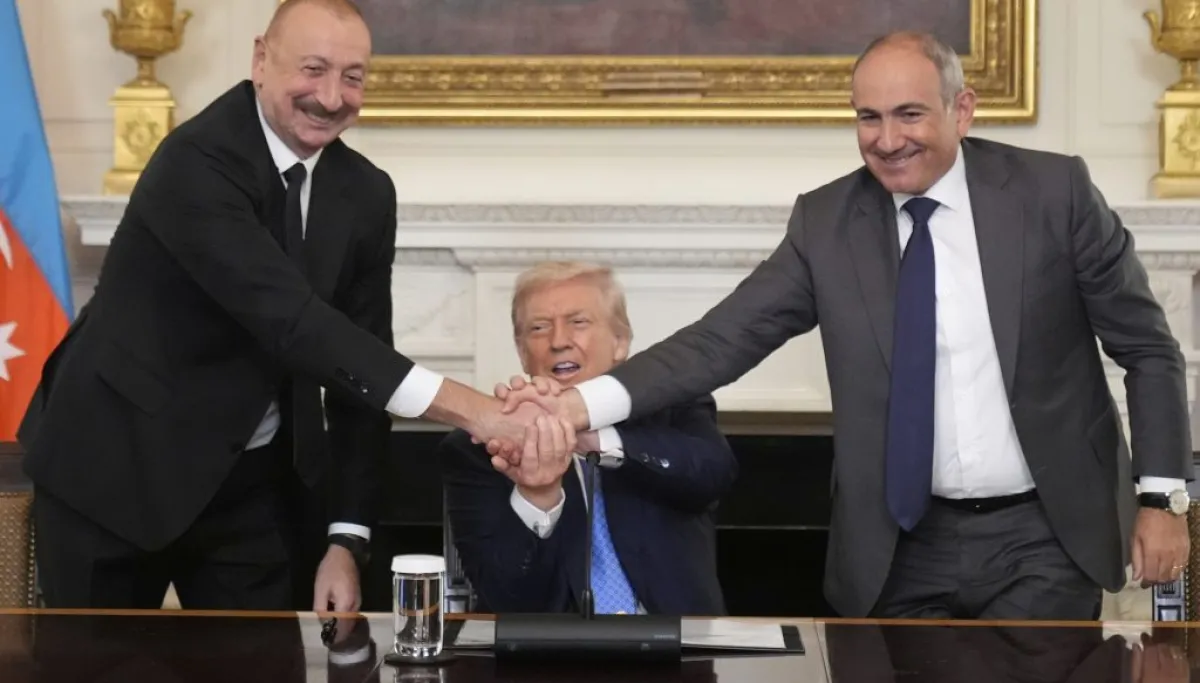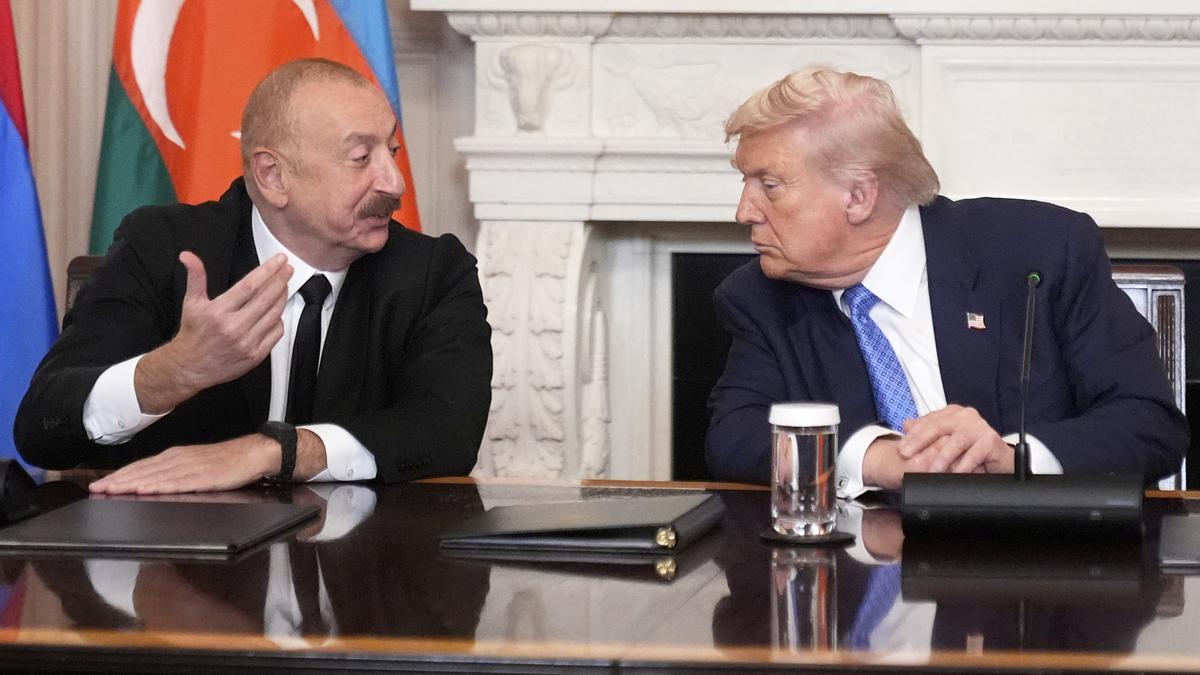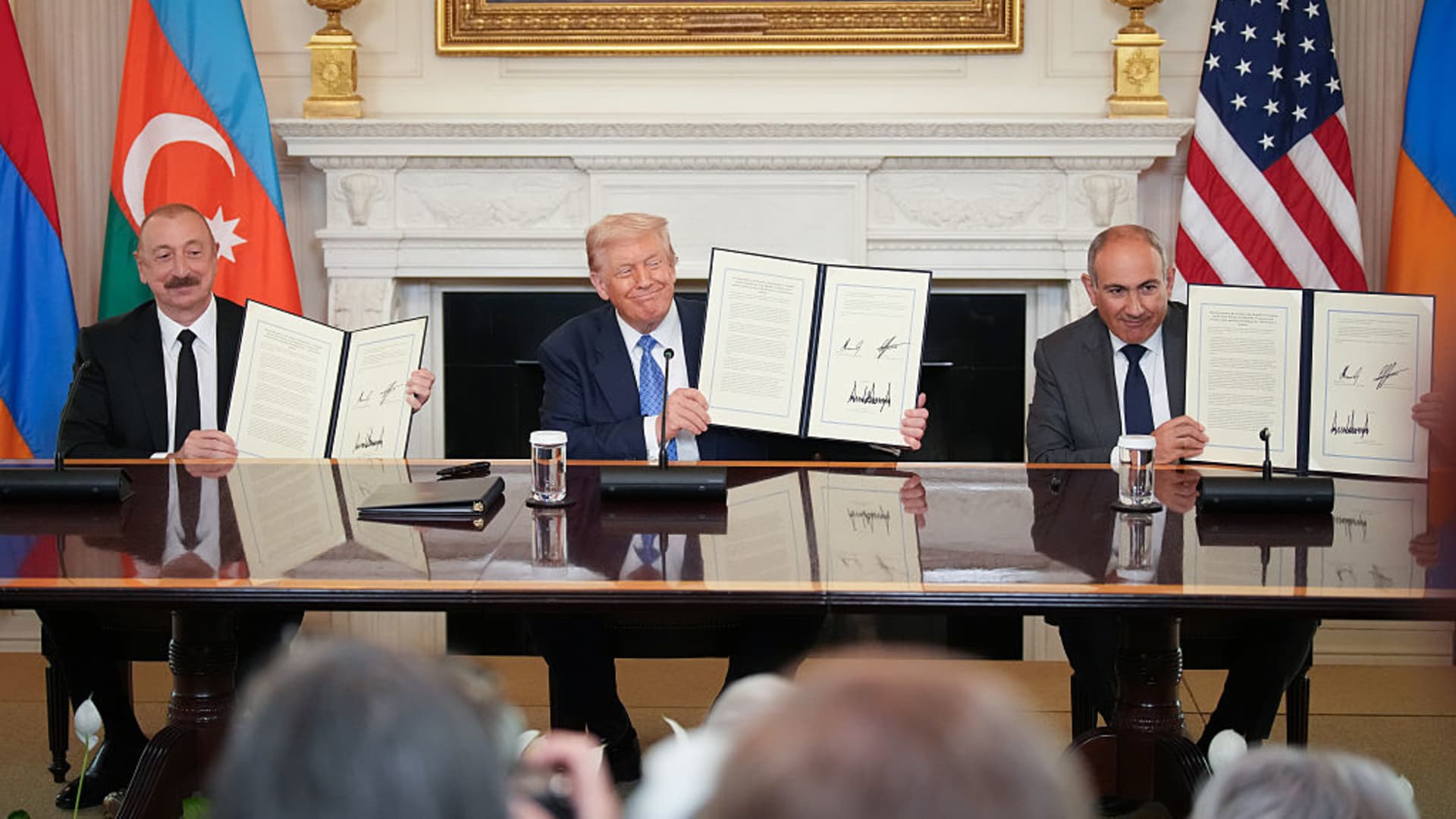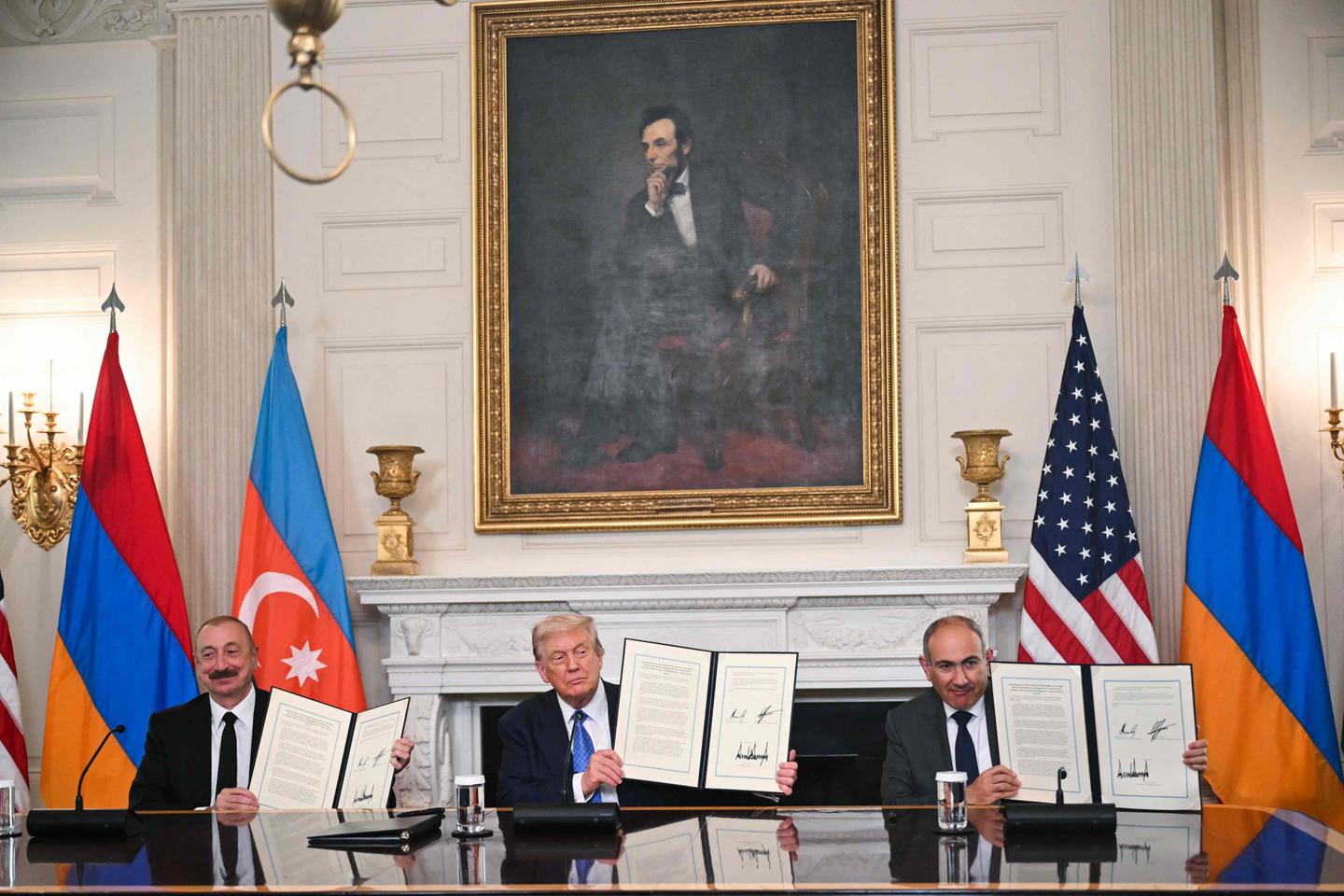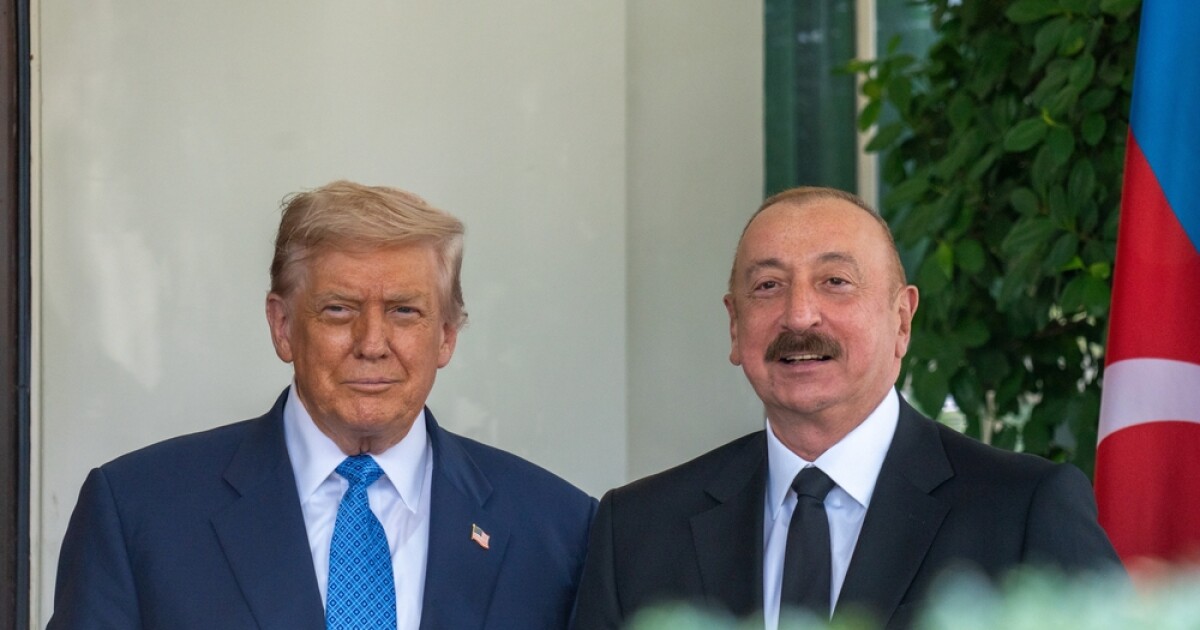
The peace declaration signed by the leaders of Armenia and Azerbaijan at the White House on Aug. 8, and facilitated by US President Donald Trump, could end a nearly four-decade conflict. The development holds sweeping significance in a region crisscrossed by geopolitical rivalries, ethnic hostilities and oil and gas pipelines. The peace initiative also promises a foothold in the region for the US, which signed separate bilateral agreements with Armenian Prime Minister Nikol Pashinyan and Azeri President Ilham Aliyev that touched on energy, trade artificial intelligence and, in the case of Azerbaijan, defense. But more than a push for peace and commercial deals, the US move is a geopolitical gambit in the strategic intersection of Europe, Asia and the Middle East that threatens Russian and Iranian interests and creates related risks.
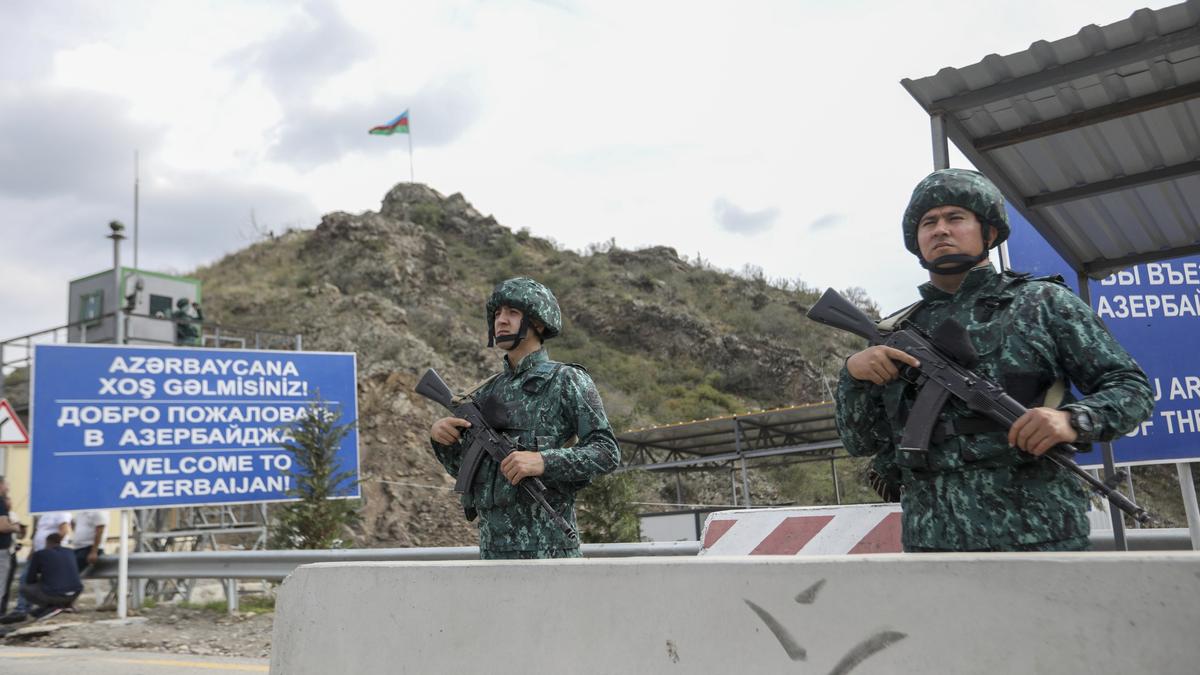
The centerpiece of the US-brokered deal is a 99-year lease along a 20 mile corridor connecting Azerbaijan to Nakhchivan, an exclave that borders Turkey and is separated from Azerbaijan by Armenian territory. The so-called Zangezur Corridor, rebranded the Tripp, could eventually include rail lines, communication networks and oil and gas pipelines through southern Armenia along the border with Iran, the White House says.