https://arab.news/gzyjp
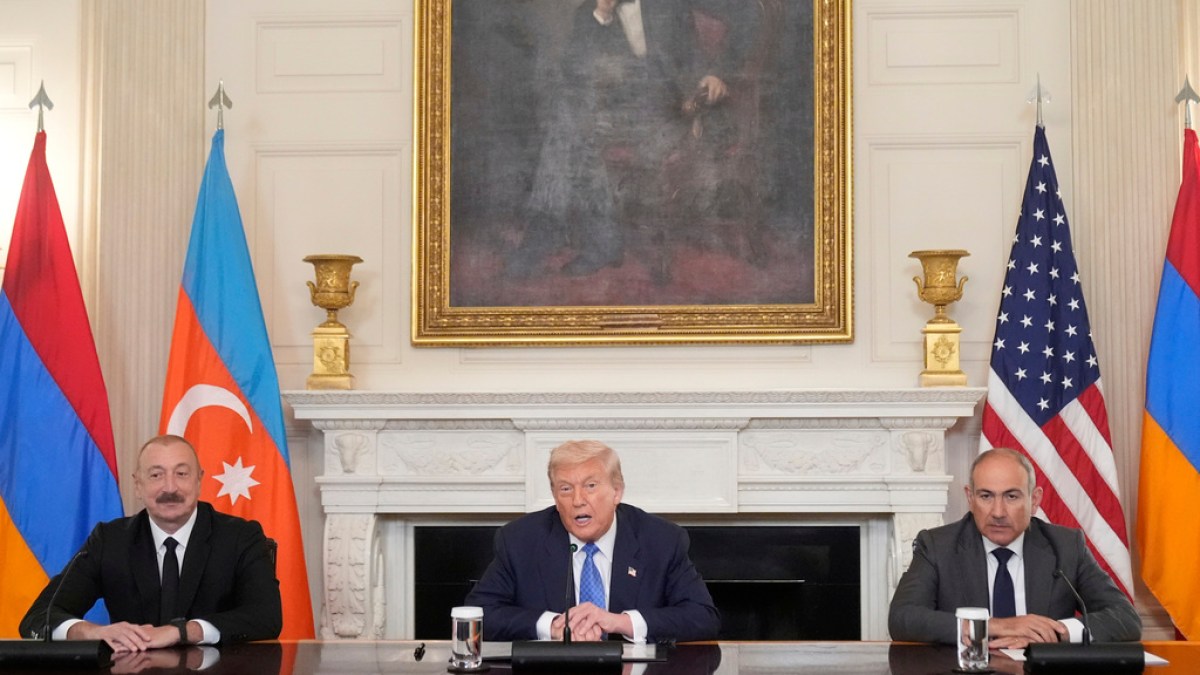
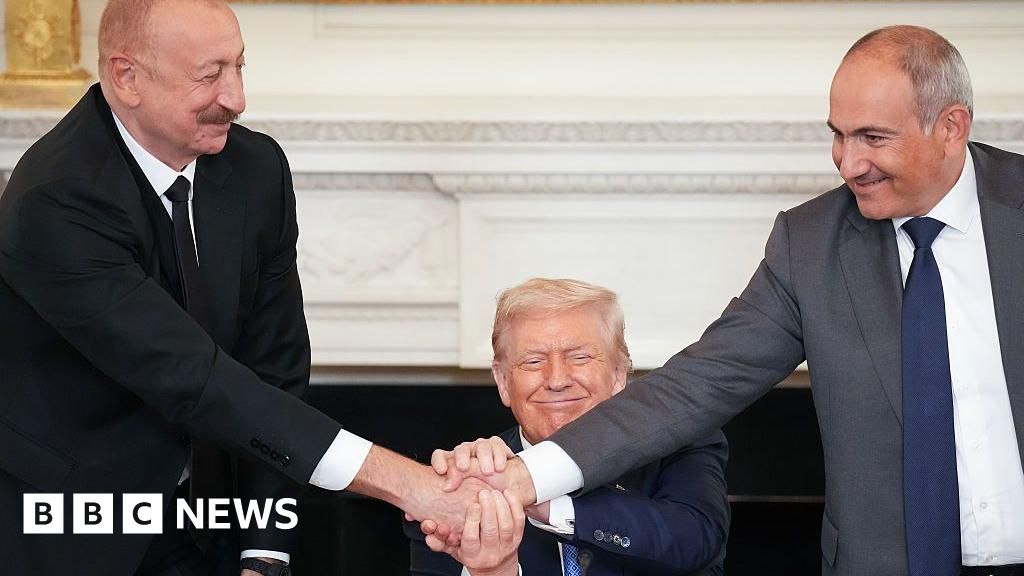
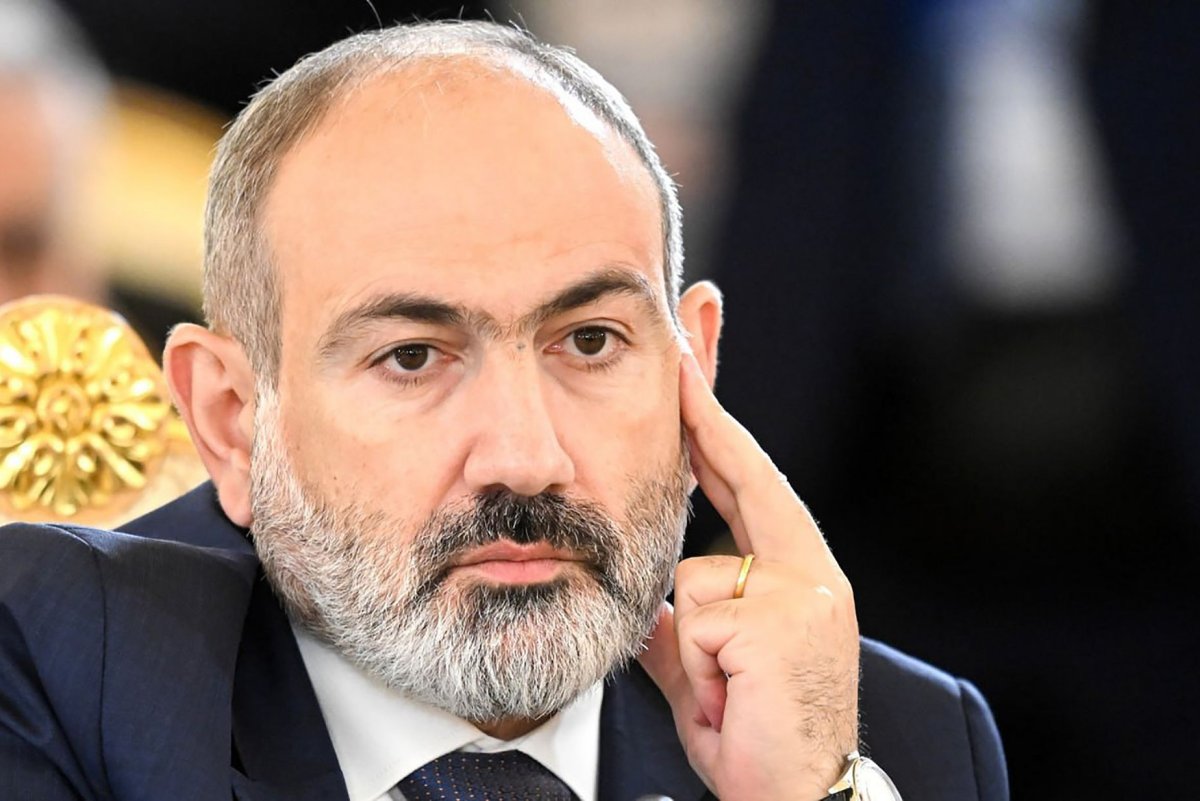
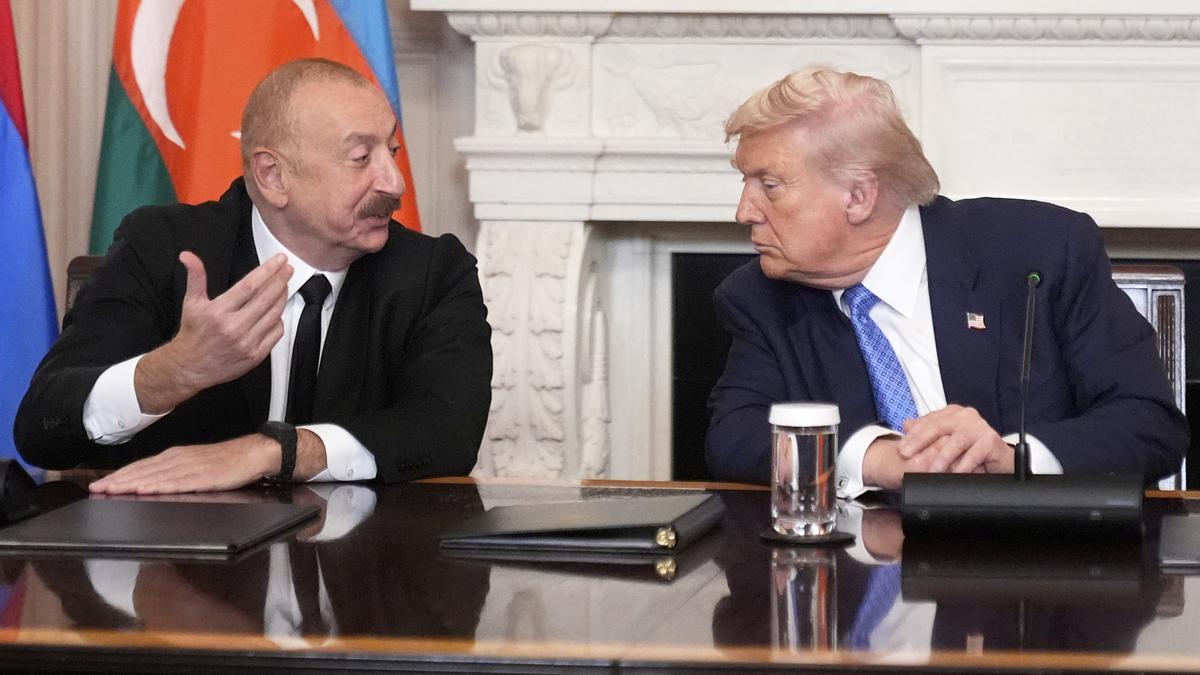
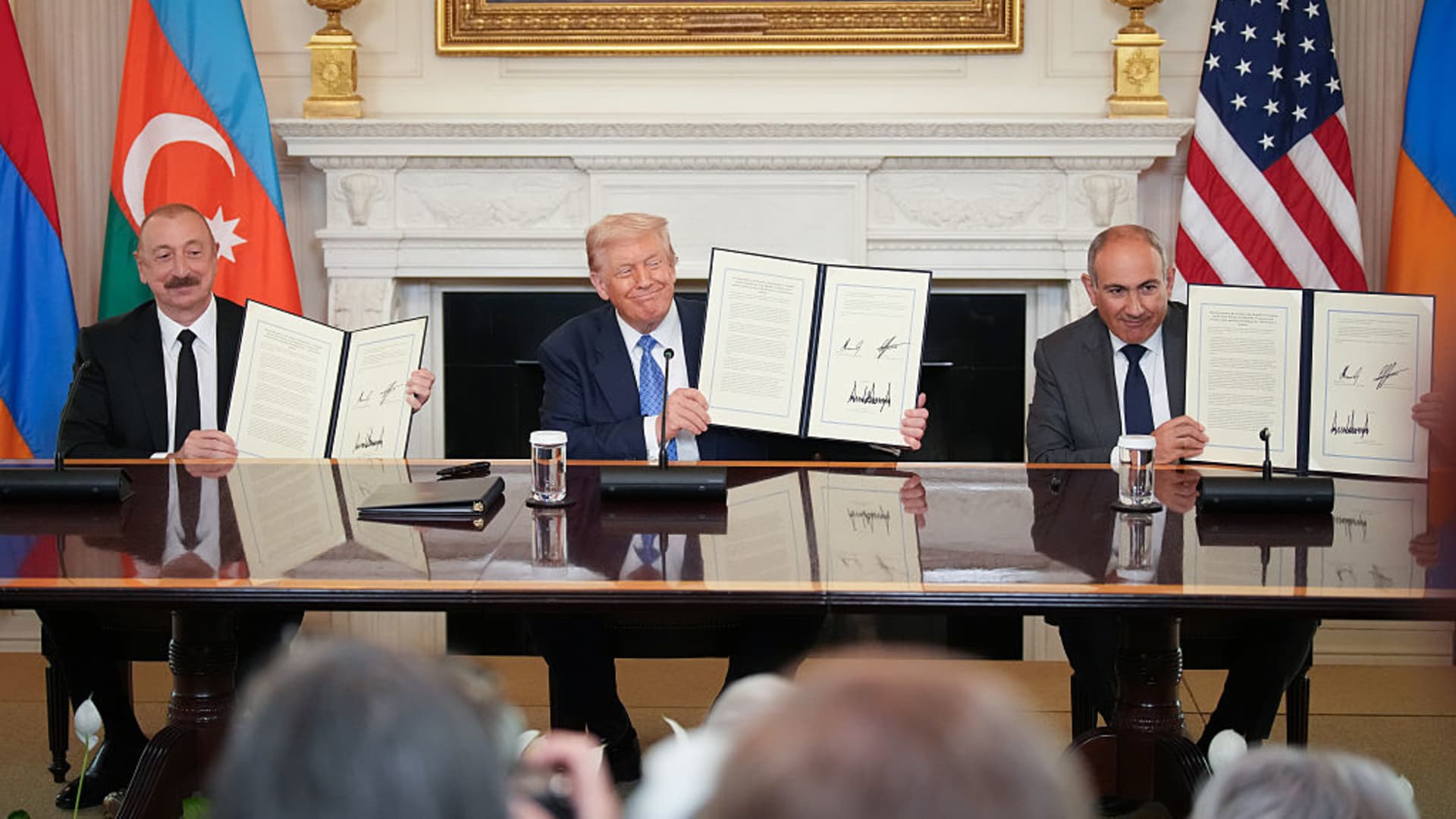
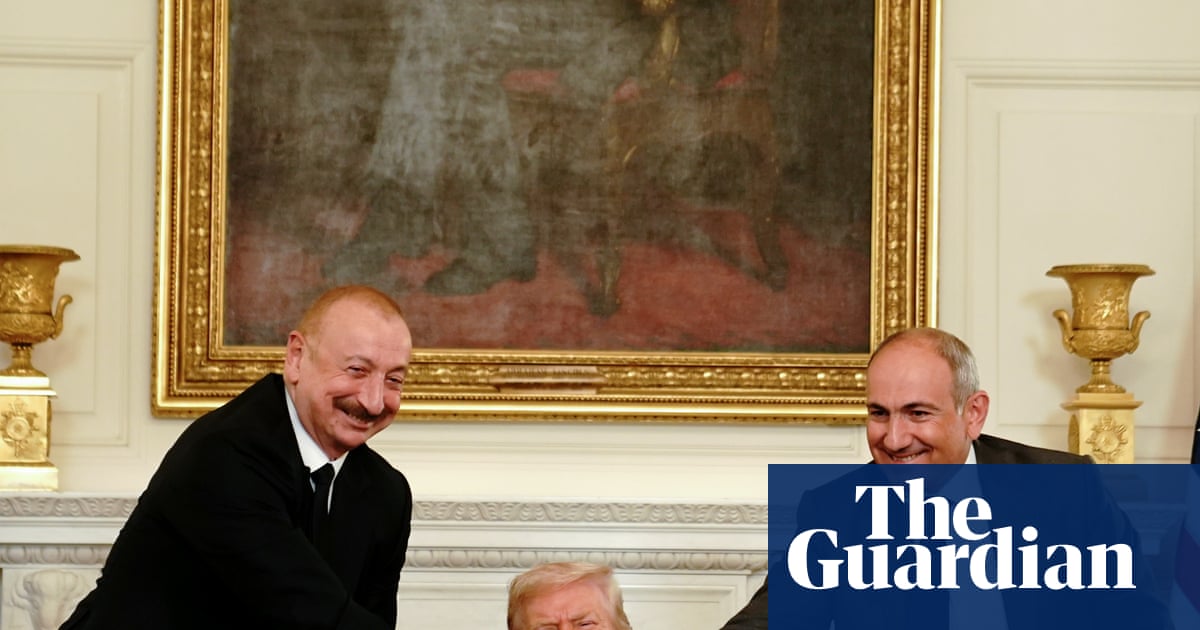
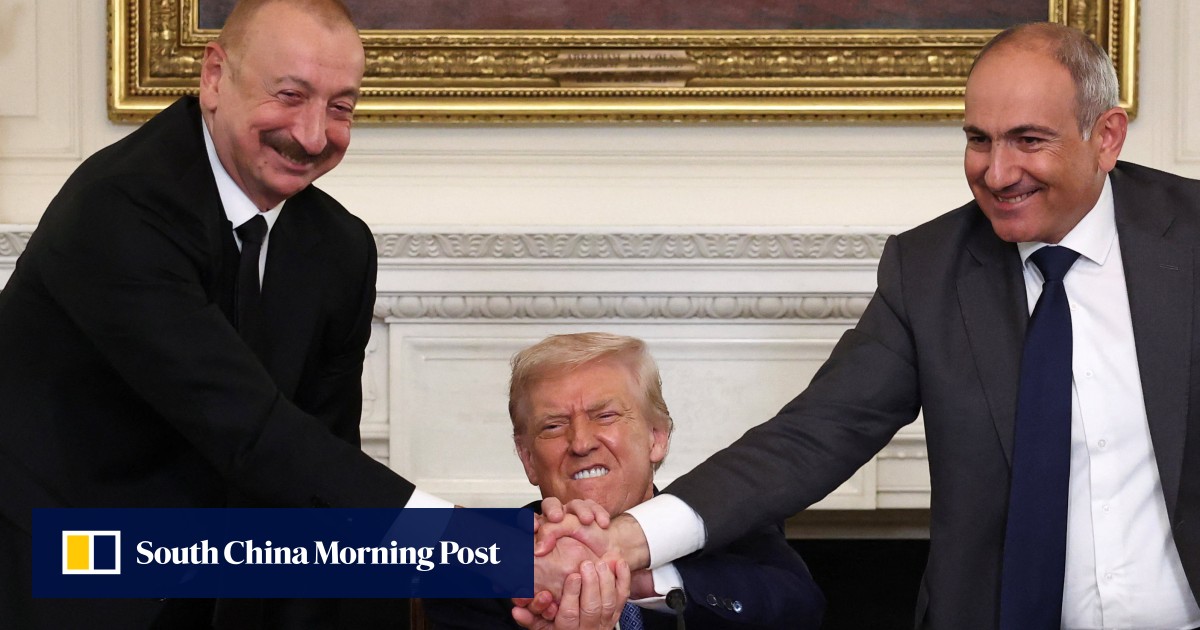
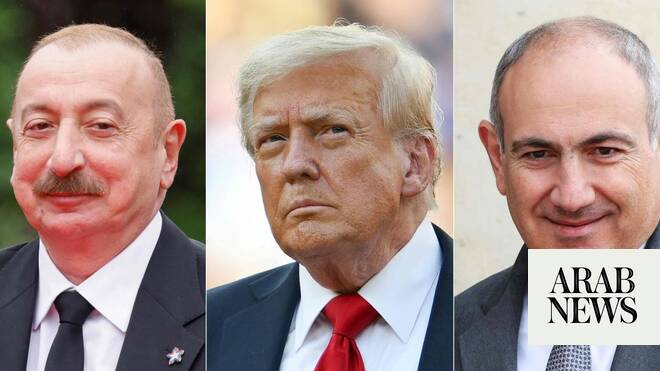
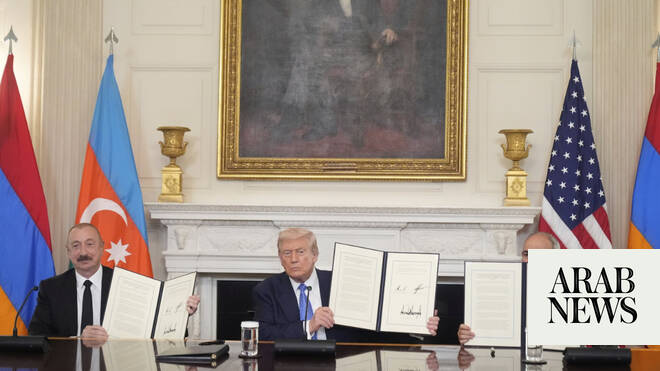
History was made at the White House on Friday when US President Donald Trump hosted Armenian Prime Minister Nikol Pashinyan and Azerbaijani President Ilham Aliyev for a landmark meeting. Against all odds, and after more than three decades of failed diplomacy by the international community, the two leaders signed a joint declaration committing to a final peace treaty that will normalize relations between their countries. Their foreign ministers also initialed a draft version of that treaty, with plans for full ratification within the next 12 months.
This breakthrough was not brokered in Moscow, Ankara, or Brussels — but in Washington. For decades, the South Caucasus has been a flashpoint for regional competition, unresolved wars, and missed diplomatic opportunities. Now, with US reengagement, real peace may finally be within reach between Armenia and Azerbaijan.
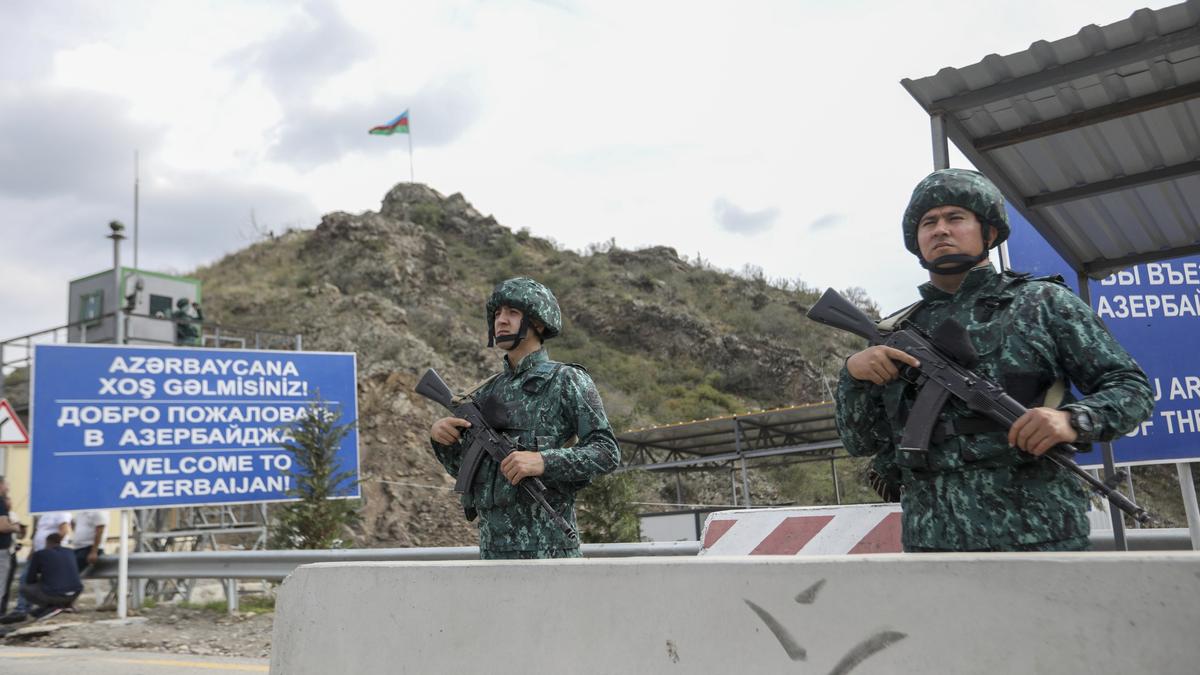
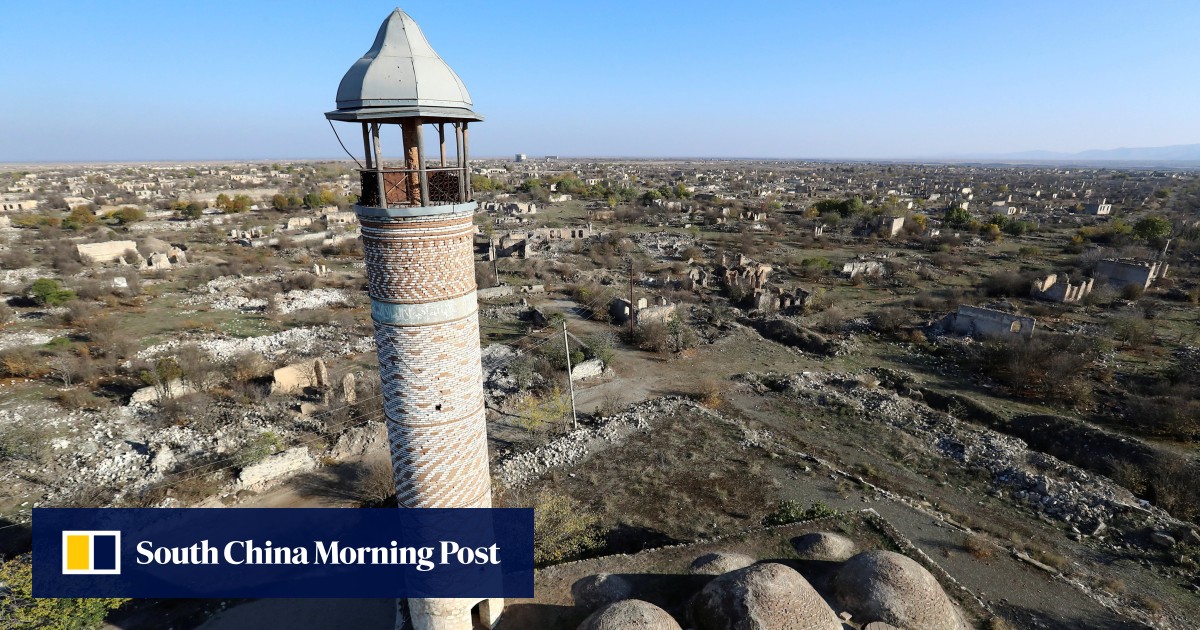
The roots of the Armenia-Azerbaijan conflict go back to the final years of the Soviet Union. As Moscow’s grip weakened in the late 1980s and early 1990s, ethnic Armenians in the Nagorno-Karabakh region of Azerbaijan unilaterally voted to join the Republic of Armenia. This vote, conducted outside of any legal framework and boycotted by the region’s Azerbaijani population, had no legitimacy under international law or Azerbaijan’s constitution.