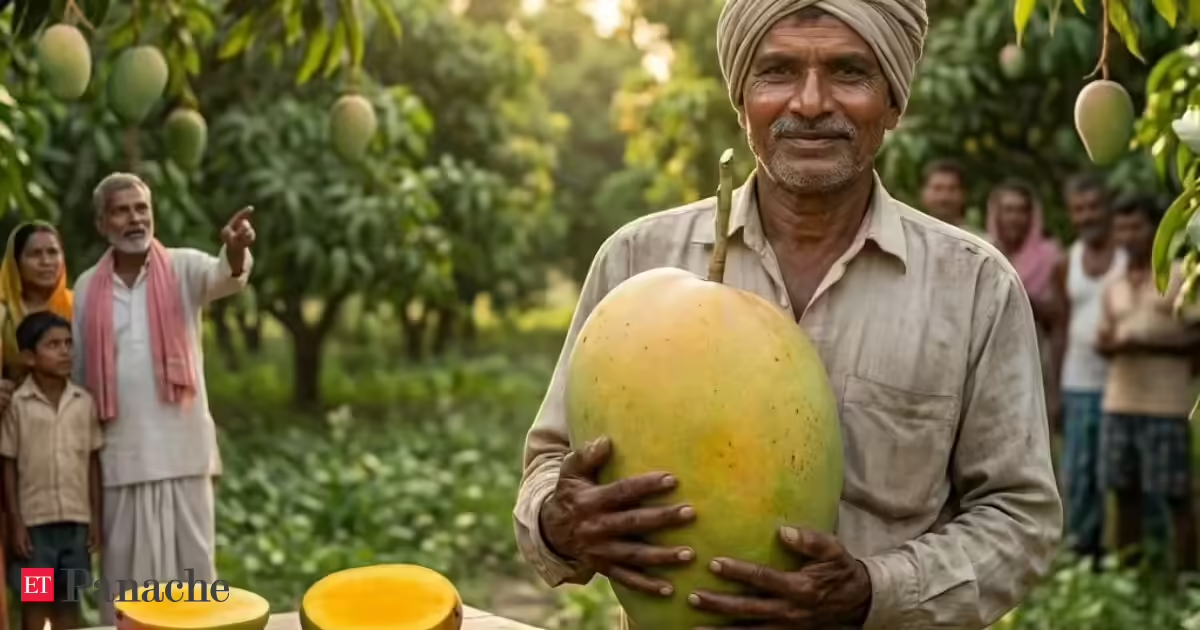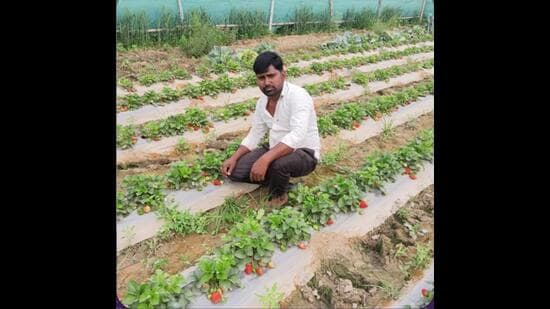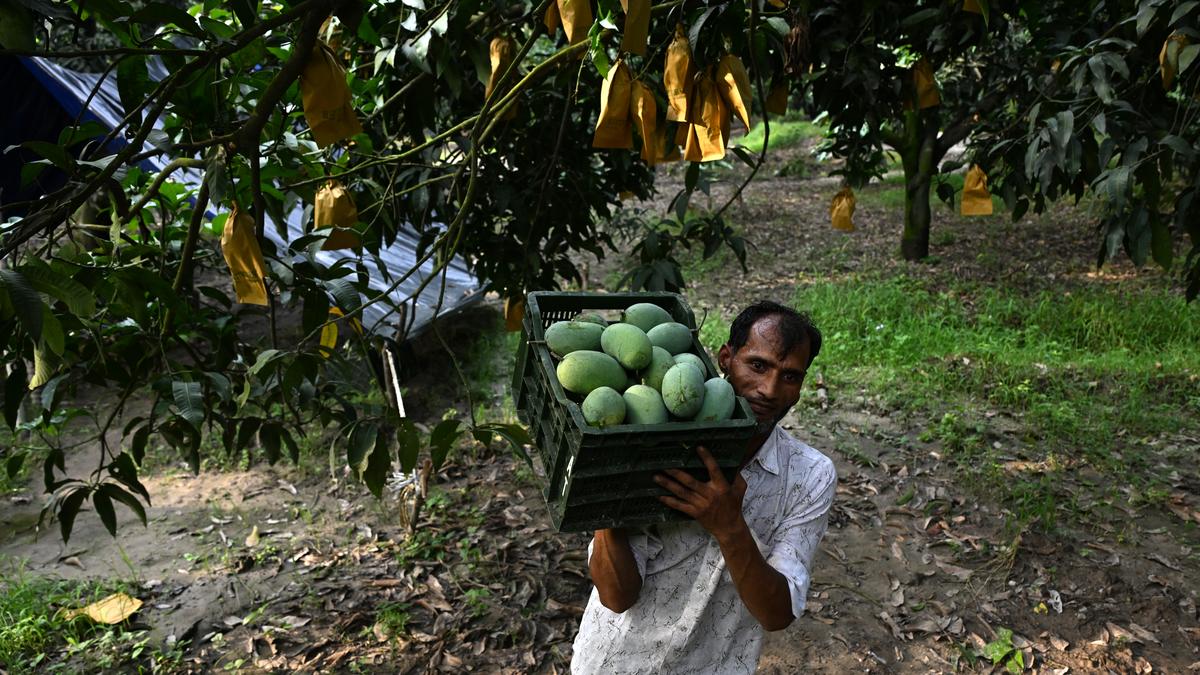
Rao Anwar, 40, and Rao Ahsan, 36, are two farmers in Uttar Pradesh’s Saharanpur district who are trying their luck at preserving their grandfather’s mango orchard, which they say is over 100 years old. Anwar has a graduate degree and Ahsan an MBA. Ahsan was working in Punjab with the Milk Marketing Federation until just before the COVID-19 pandemic hit. He joined the family vocation hoping that mangoes, one of the most popular fruits in the world, would help him survive. But things were not as easy as he imagined.The Raos took over the orchard about 10 years ago from their father. According to them, this year, “the rate was much lower than last year and consumption was also poor”. They are fourth-generation horticulturists from the district known for the sweetest Chausa, Dasheri, and Langda. Mangoes are indigenous to India.One reason for the diminishing demand could be the look and taste of the mangoes now, Ahsan says. “Earlier, mangoes were bright, tasty, and sweet. Now that taste is missing, probably because of the overuse of pesticides and chemicals,” he says. The mango season, which once extended through September, is now shorter.Saharanpur is the second-largest mango producing district in the State. In 2022-23, U.P. had 3.19 lakh hectares of mango orchards and produced 45.78 lakh metric tonnes of mangoes. The cluster with the highest yield in the State is the Malihabadi belt, including Lucknow, Unnao, and Sitapur; the second cluster is western U.P., comprising Saharanpur, Bijnor, Meerut, Amroha, and Bulandshahr. Saharanpur has about 27,000 hectares of orchards and produces about 2.6 lakh metric tonnes of mangoes every year with an average yield of 18 tonnes per hectare.The Raos complain that they “are getting just ₹8-₹10 for a kg of Dasheri”. Another challenge is that for Chausa, they must bag the fruit to prevent blackening of its skin during the rains.“Each bag costs ₹3.5 and the labour cost to cover each mango is ₹1.5. The retail price of Chausa for consumers today is ₹150. Farmers get less than ₹50. Traders are fixing the price without considering all these factors,” Ahsan says.The problems, they say, began over a decade ago and reached their peak during COVID-19. Now, farmers are considering their options.The cost of growing a mangoAbout 12 years ago, farmers started using a pesticide containing the chemical paclobutrazol, a plant growth regulator. “We were told that it would create a festival of fruits. No one informed us about its side effects. We got output. Trees that used to produce 100 mangoes started giving 300 mangoes. But after 6-7 years, we realised that the taste and size of the mangoes are compromised. Plants are now addicted to this chemical. Unless we use it, they will not yield,” says Ahsan.Kharbuza daal kaa achha hota hai, aam paal ke achha hota he: this is a popular belief in Saharanpur, meaning watermelons will be good if they are ripened on their own and mangoes taste better if they are ripened artificially. Ripening mangoes using calcium carbide is par for the course here. This overuse has resulted in the decrease of exports and consumers shifting to organic products. But for farmers to shift to organic production will take at least 10 years. Farmers are instead shifting to poplar tree plantations, replacing mango orchards. Poplars are used in the plywood and wooden board industries, and the region has a lot of those units.Saharanpur is a green belt. Bagh baani (orchard management) is the major source of income here. The soil is sandy and orchards do well. This district borders Haryana, Uttarakhand, and Himachal Pradesh. The area, called the Doab (two rivers), is sandwiched between the Yamuna and the Ganga. Traditionally, farmers grow varieties such as Gulab Jamun, Dasheri, Langda, Chausa, Malda, and Rataul. Mangoes from here go mostly to Ludhiana and Delhi.
The weight of being a mango man: on mango farming in Uttar Pradesh
Two farmers in Saharanpur struggle to maintain their grandfather's mango orchard amidst declining demand and market challenges.
1,843 words~8 min read