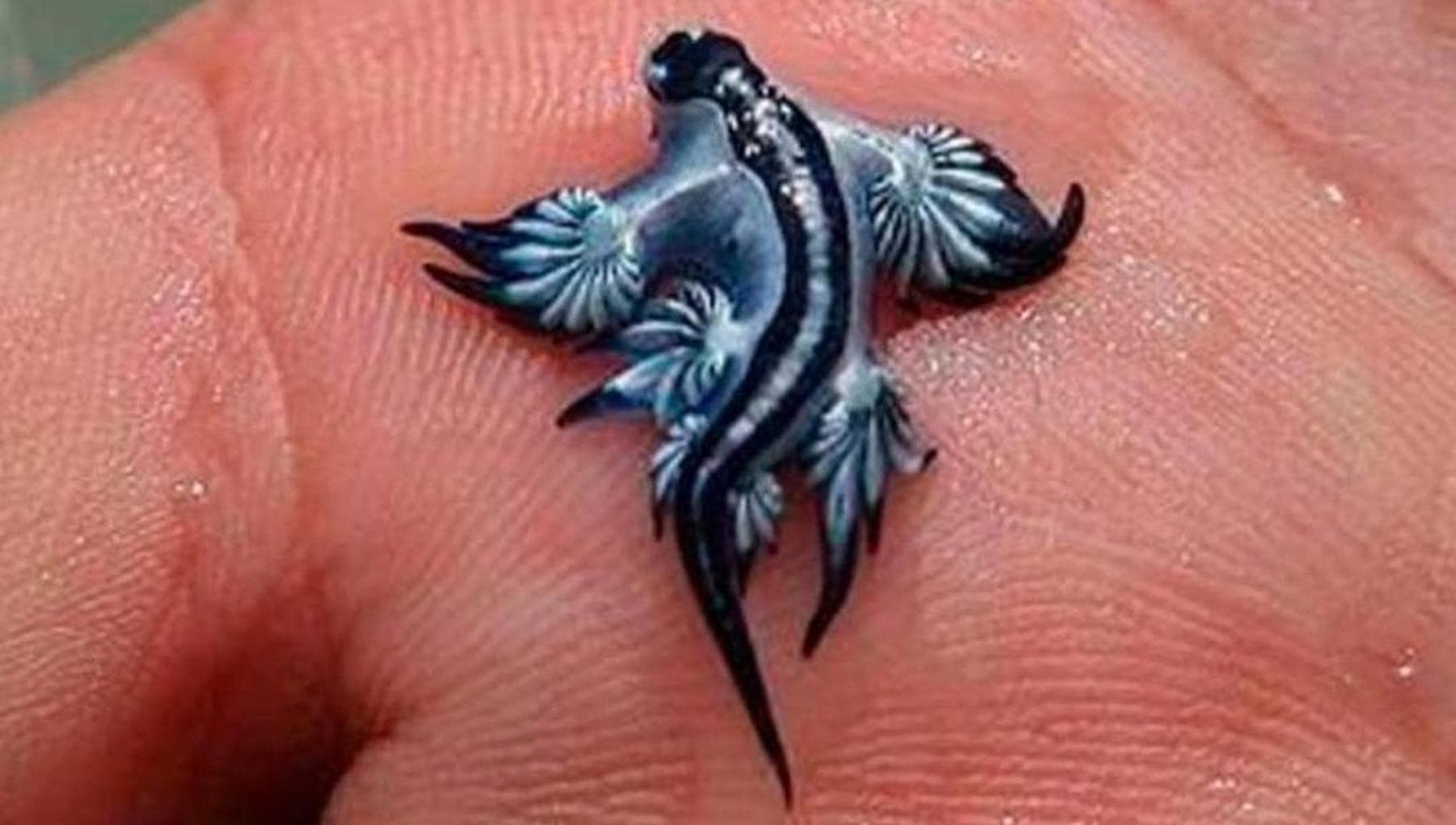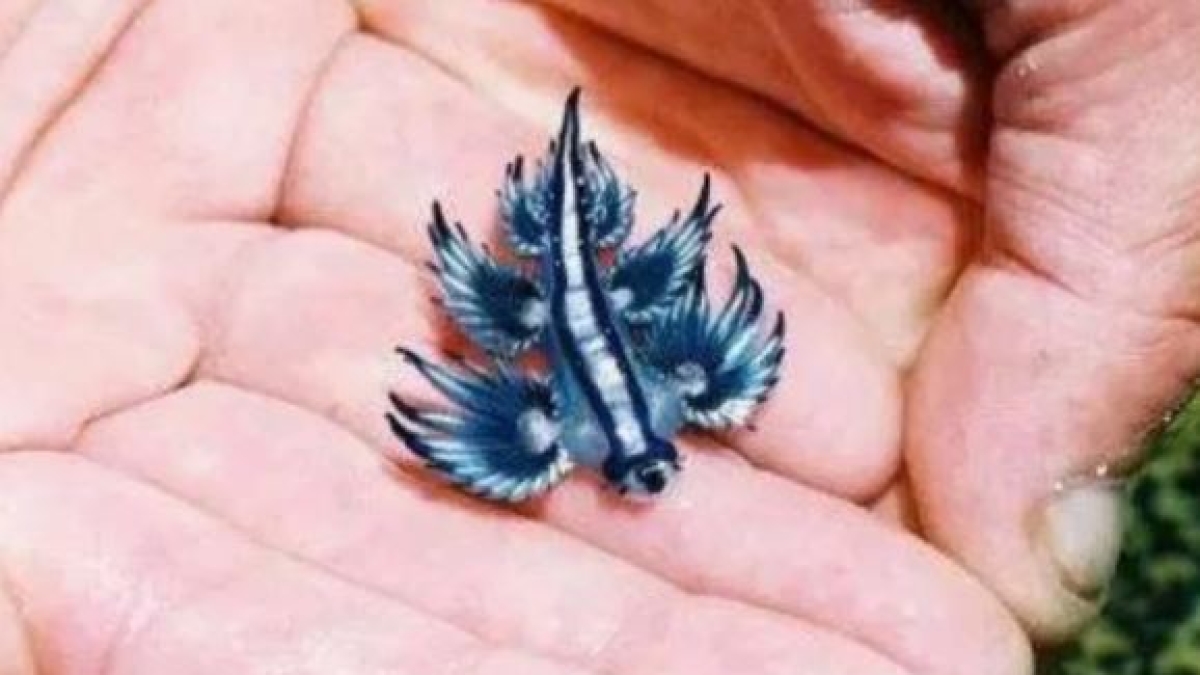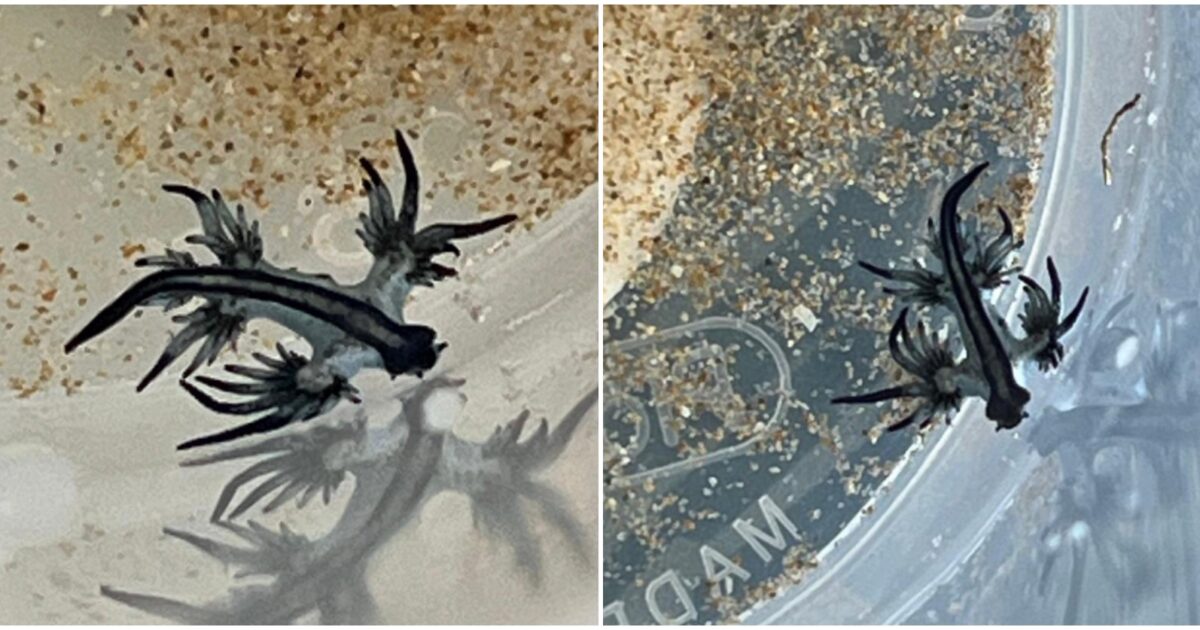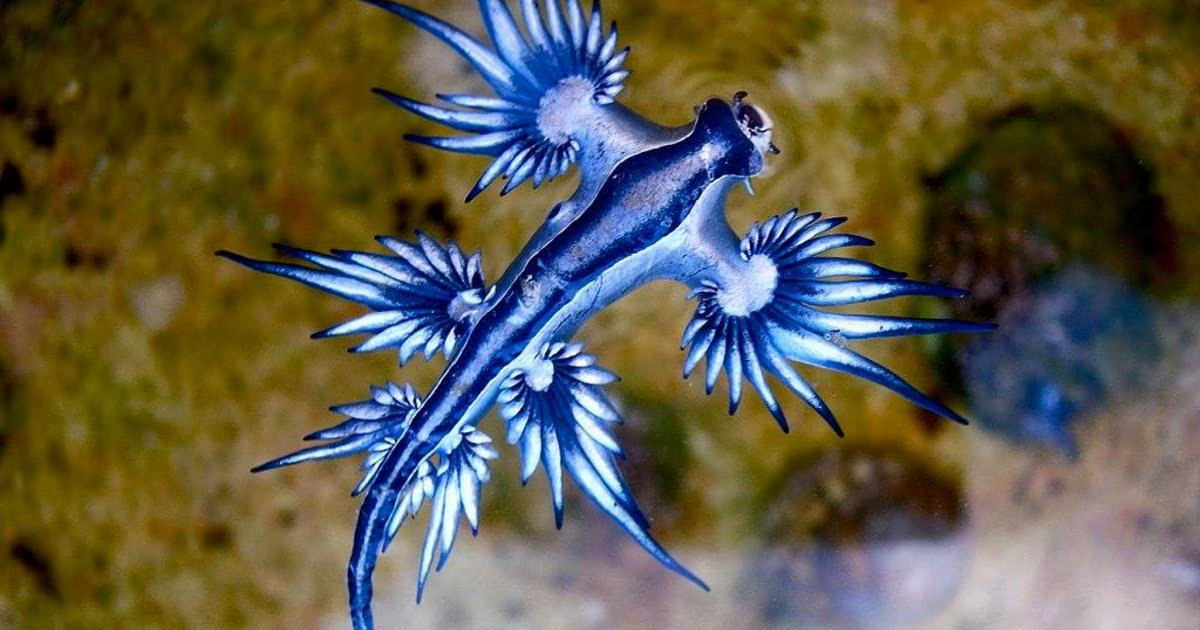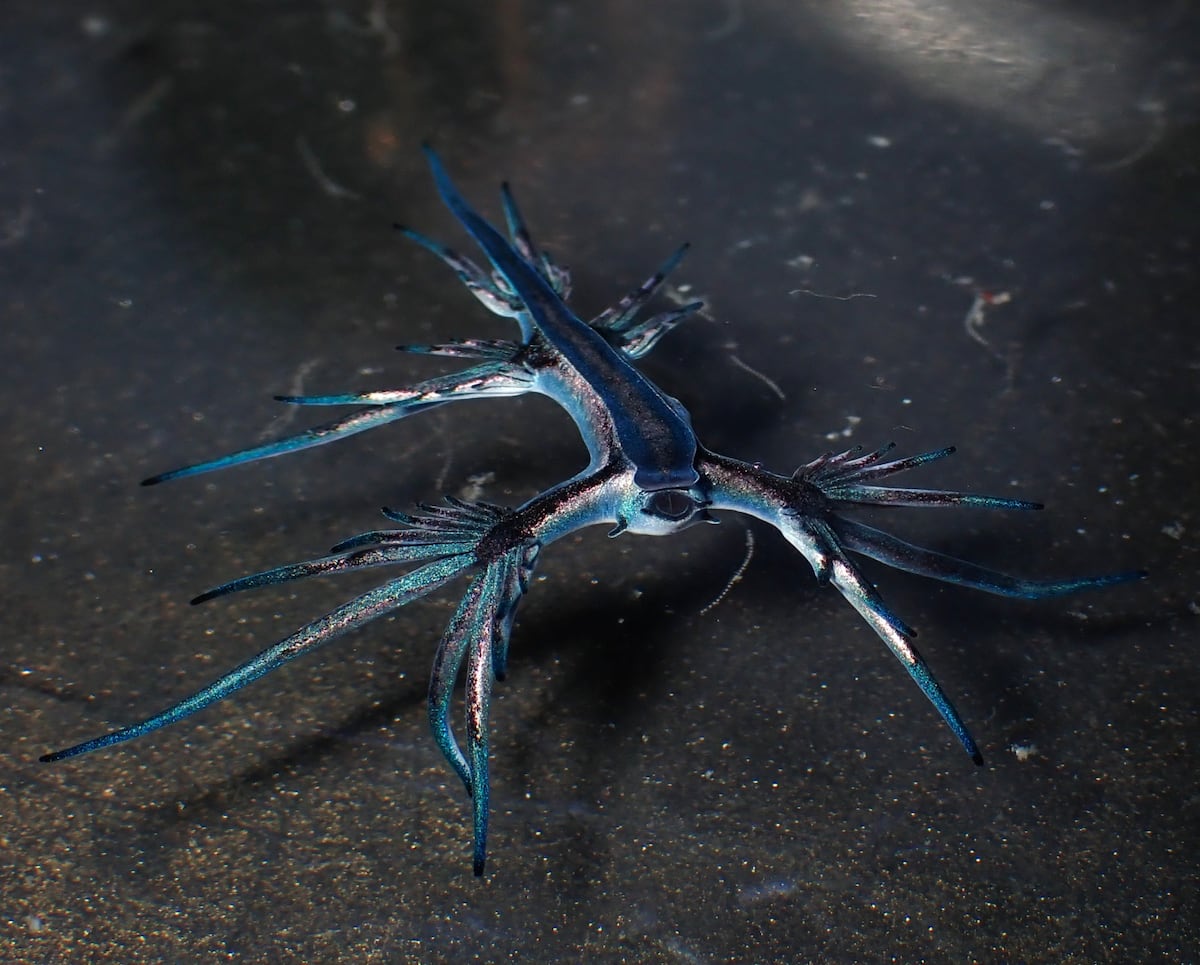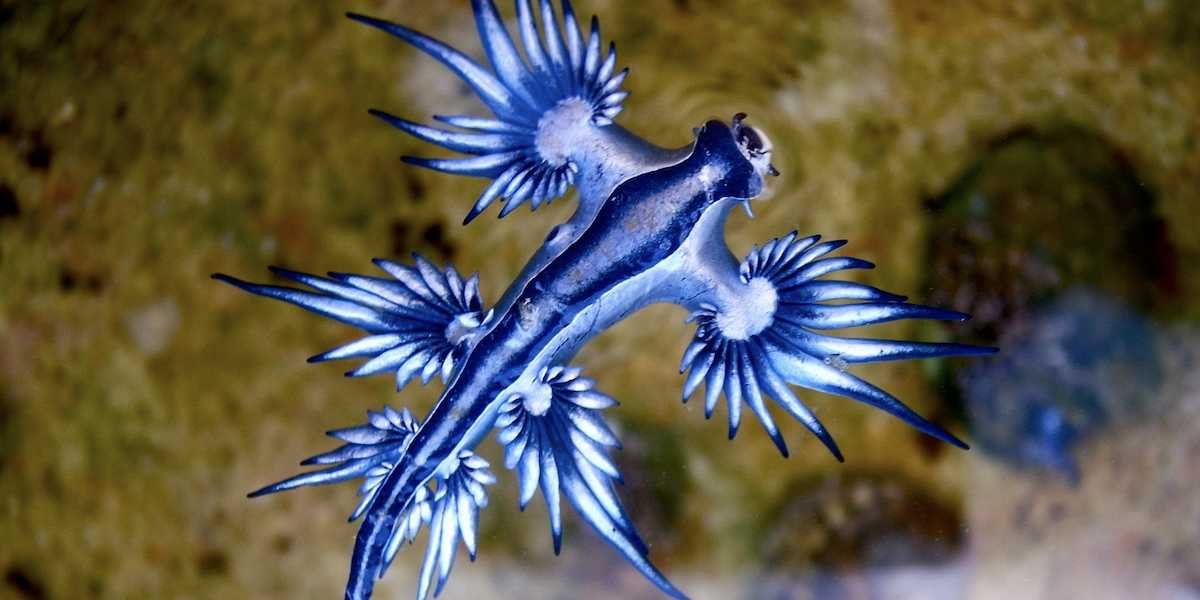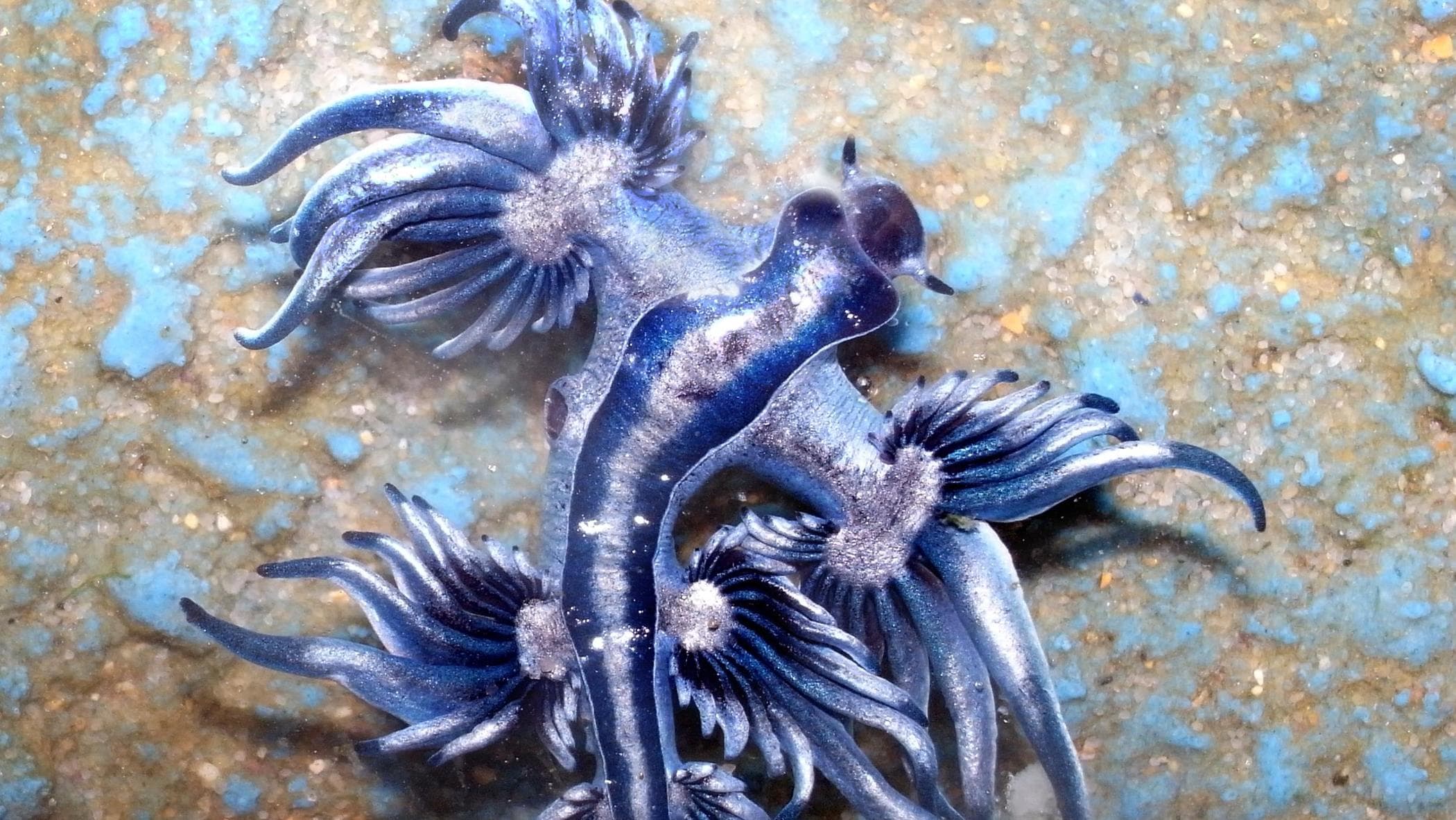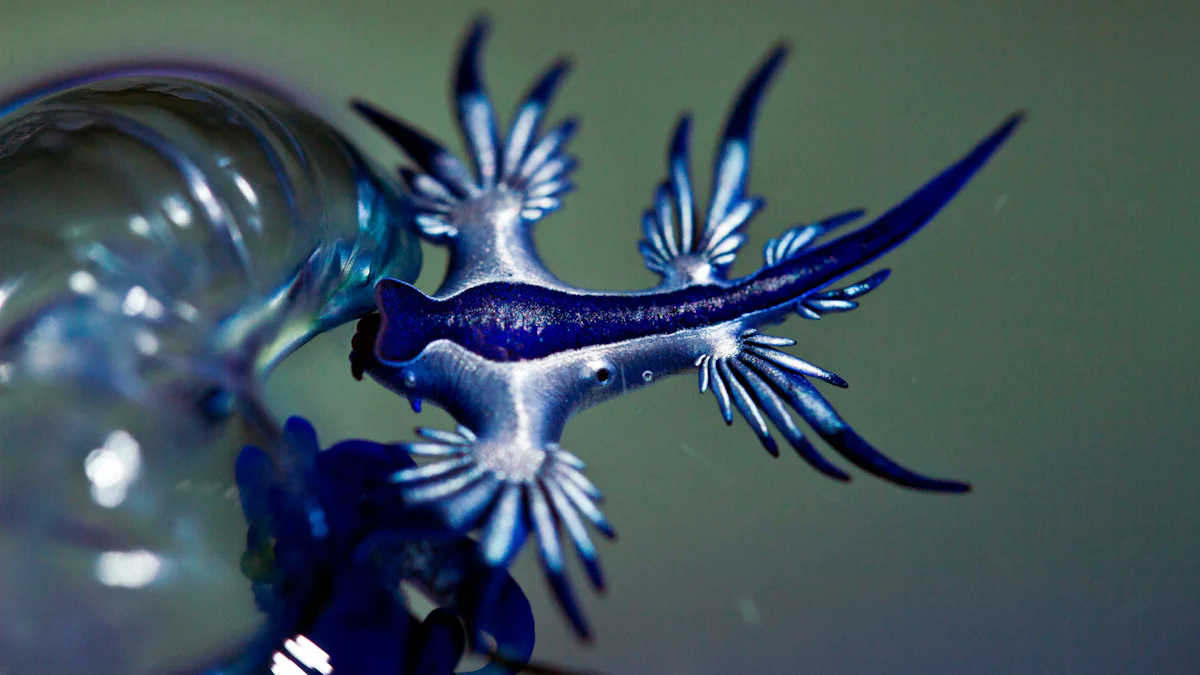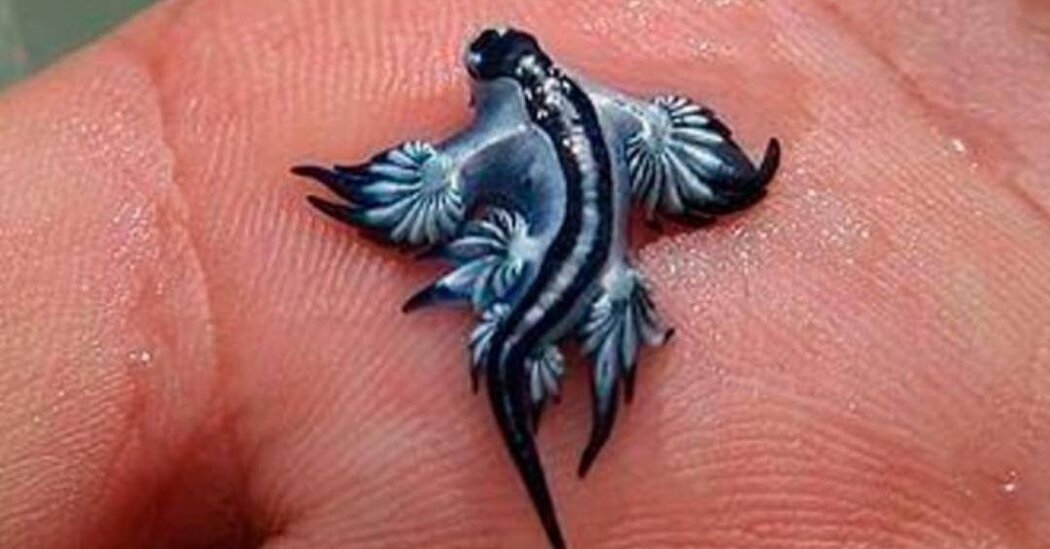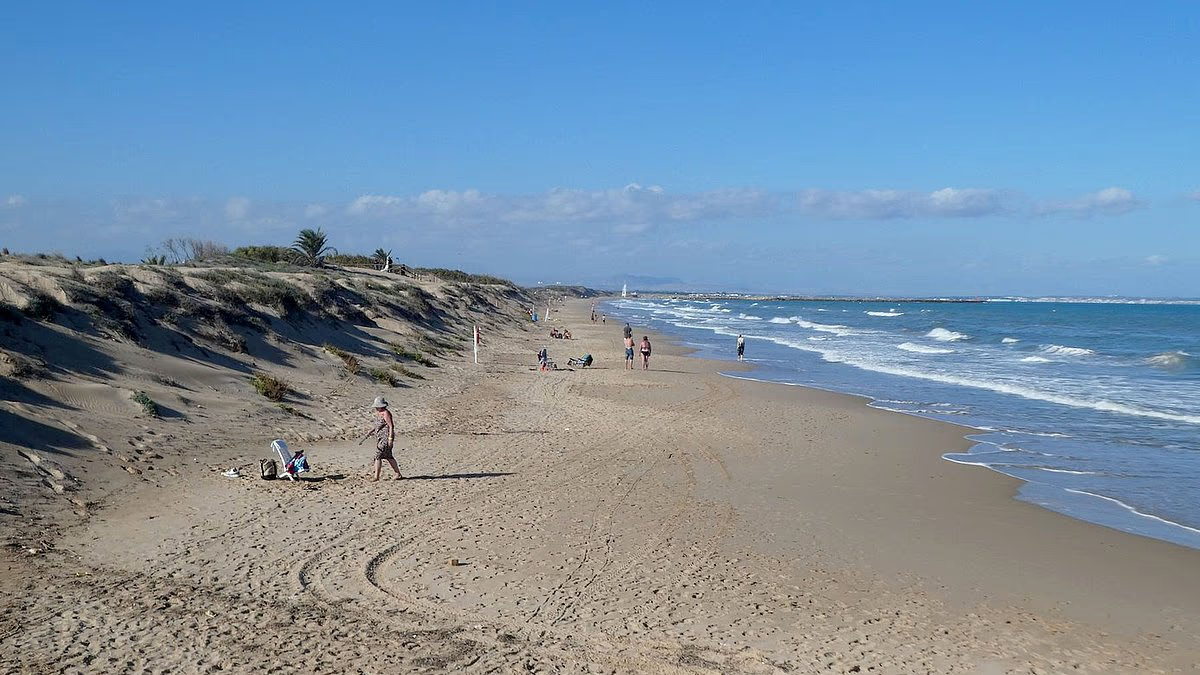
Tourists have been banned from going into the water along an entire seven-mile stretch of Spain's Costa Blanca because of rare sea creatures with a potentially-fatal sting.Reg flags went up on beaches in the municipality of Guardamar del Segura just north of Torrevieja following the appearance of so-called blue dragons, which have been branded 'the most beautiful killer in the ocean'.The sea slug, also known as Glaucus atlanticus, feeds on the venomous cells of creatures like the deadly Portuguese man o'war, storing them within its body in concentrated doses.This process concentrates the toxin, making the blue dragon's poison far more potent than that of its prey. If someone handles or steps on a blue dragon, it can release these stinging cells into the skin.Typical symptoms of the blue dragon's sting include nausea, pain, vomiting and, in some cases, dangerous allergic reactions.While most stings are not deadly, they can be fatal for people with severe allergies, children or people with heart/respiratory conditions, and someone who has been stung multiple times.Guardamar del Segura's mayor Jose Luis Saez, confirming the sea ban order yesterday which he indicated would remain in place until further notice, said on his official X account: 'Red flag on the beaches of Guardamar. Tourists have been banned from going into the water along an entire seven-mile stretch of Spain's Costa Blanca because of rare sea creatures with a potentially-fatal sting Reg flags went up on beaches in the municipality of Guardamar del Segura just north of Torrevieja following the appearance of so-called blue dragons, which have been branded 'the most beatiful killer in the ocean' The sea slug, also known as Glaucus atlanticus, feeds on the deadly Portuguese man o' war and other venomous seabeasts. Pictured: Guardama beaches which have been closed This image shows how the beach would look if it wasn't closed. Pictured: tourists sunbathing on a beach of Guardamar del Segura town in 2018
Spain CLOSES its beaches over invasion of deadly sea creatures
Reg flags went up on beaches in the municipality of Guardamar del Segura just north of Torrevieja following the appearance of so-called blue dragons.
955 words~4 min read