https://arab.news/gx7t6
A deathly silence looms over the Arab street, unmoved by the wave of dramatic events in the region. We have not seen demonstrations, protests, or sit-ins in the Arab countries, and in my view, this is the first time in seven decades or more that such displays have vanished.
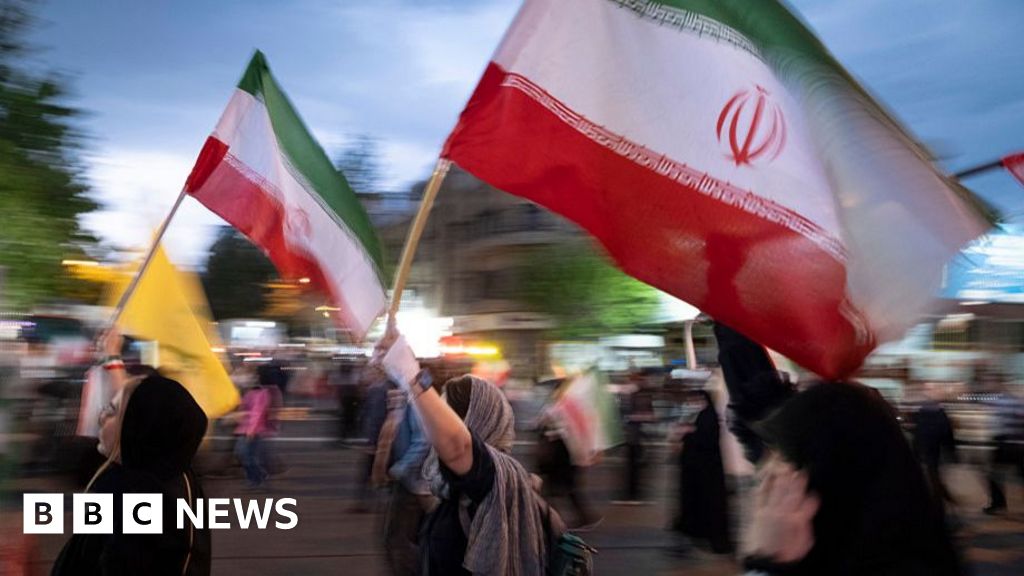
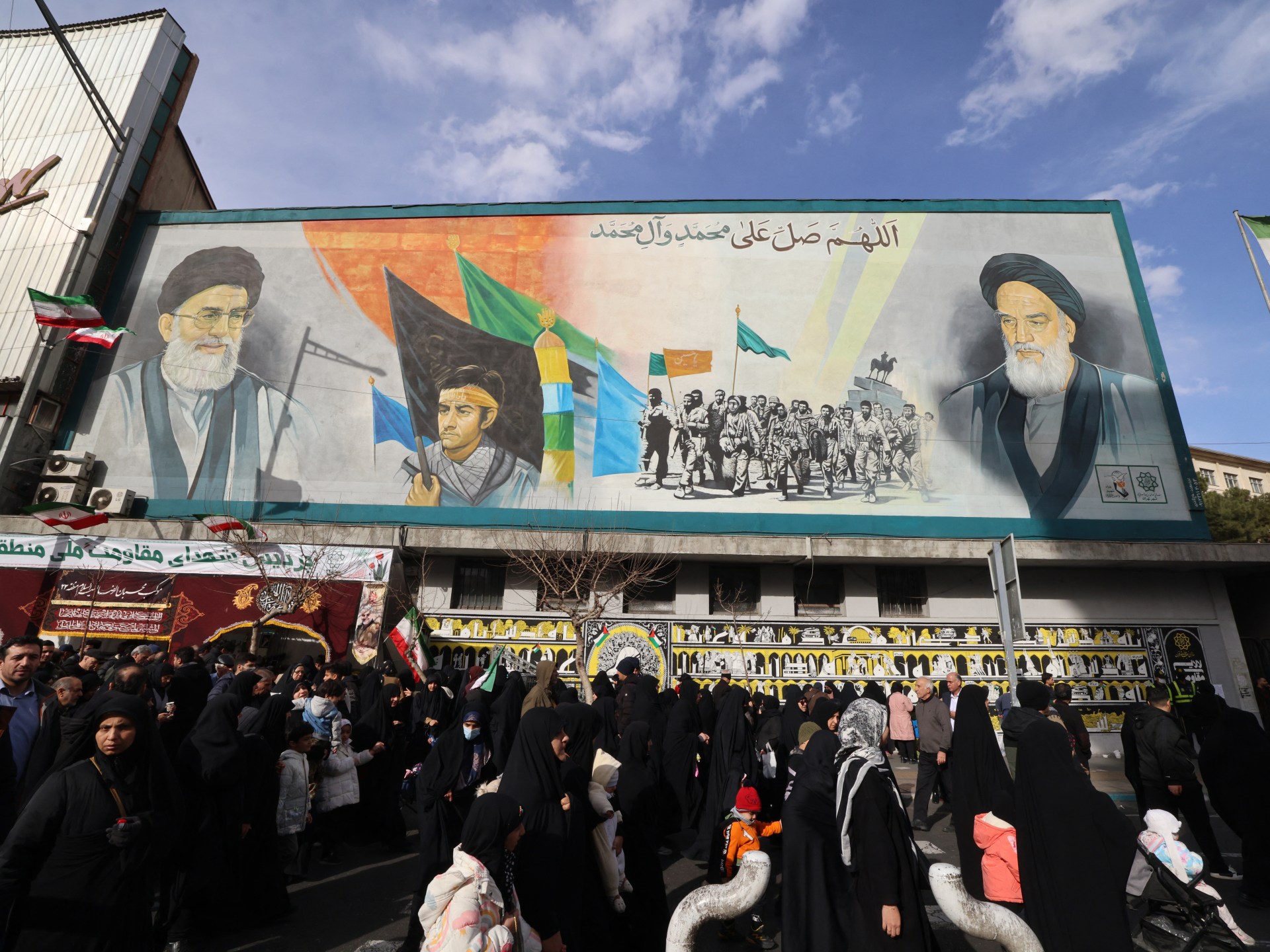
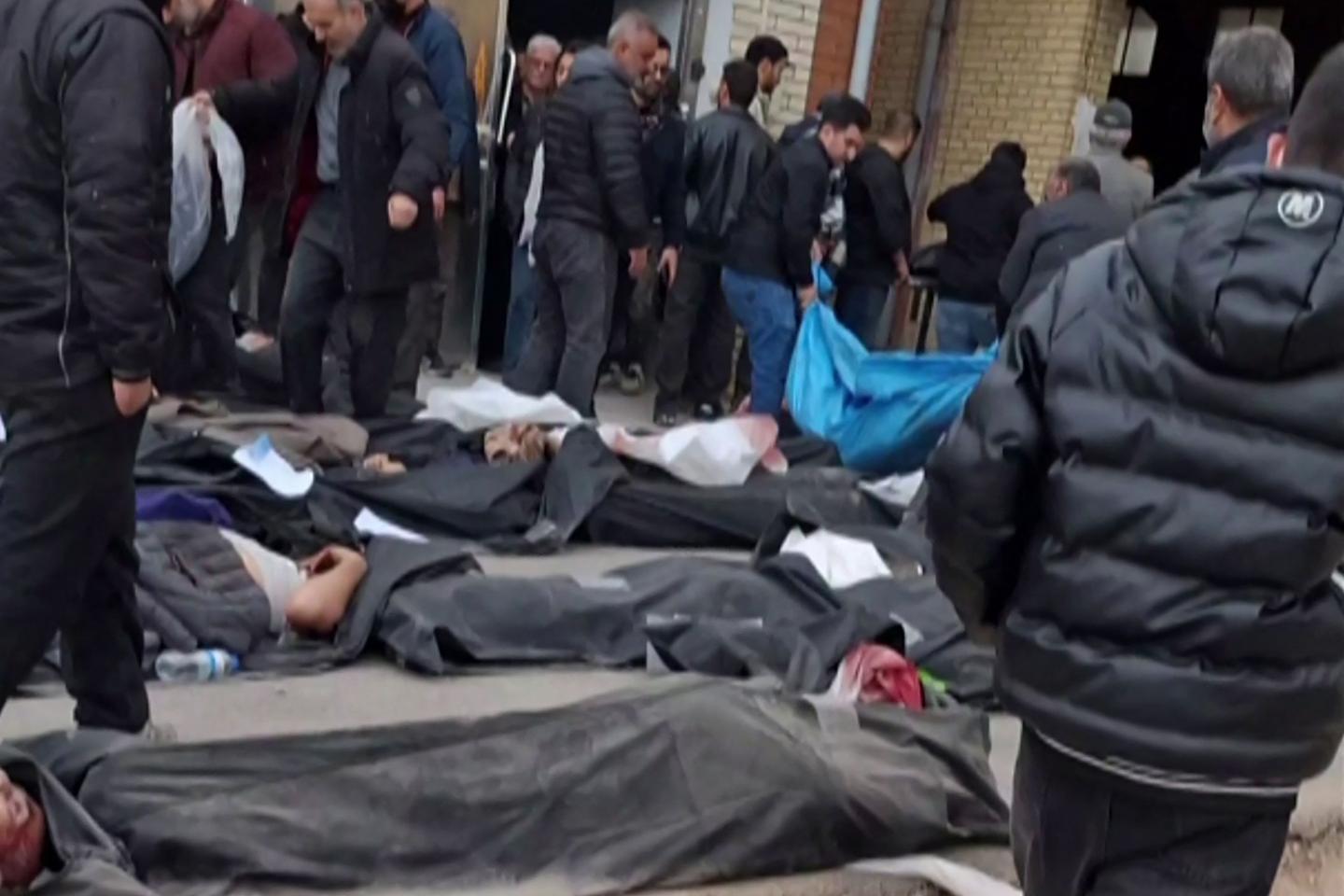
What has befallen Iran is no small matter; its military losses and nuclear facilities are immense — facilities that cost billions of dollars, and much blood and sweat to build. To its ballistic and nuclear losses, we can add the loss of the popular current it had cultivated across the region, from Iraq to Morocco.
When the Lebanese government took its bold decision to confiscate Hezbollah’s weapons, the response was limited to just a few dozen motorcycles roaming Beirut’s streets in protest. So, what happened to the human waves, the millions who once flooded the streets at a mere gesture from the party’s leader or from Tehran?
The collapse of Iranian influence is clear within Arab regions, like the collapse of Nasserism after its defeat in the 1967 war. It lost the ability to mobilize the street and resorted to relying on its socialist party members and labor unions to attend events after the masses — who once filled the squares with passion and spontaneity in response to radio appeals that dominated people’s awareness and emotions for nearly two decades — dwindled. In the wake of that defeat, a sense of shock and betrayal spread across the region, which had been waiting for the liberation of Palestine.